Inshore Fishing Report
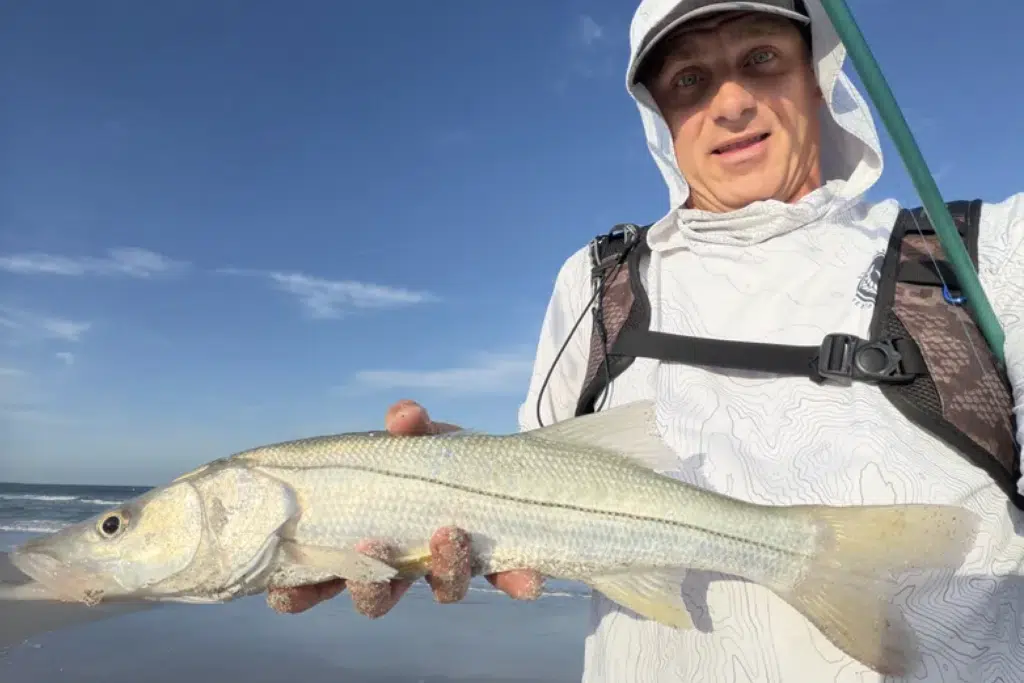
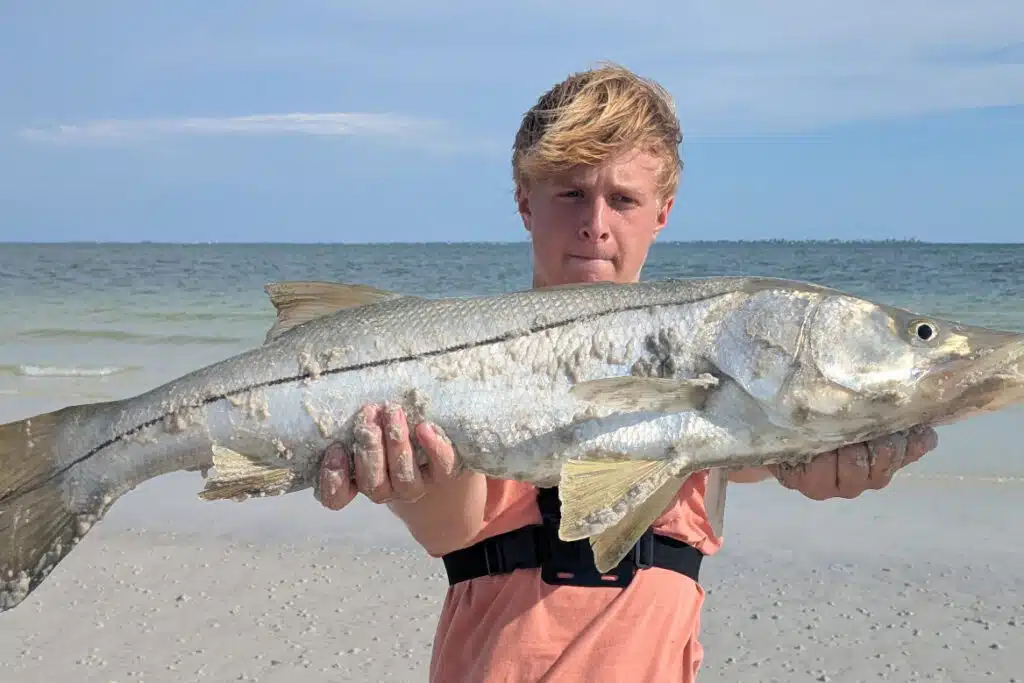
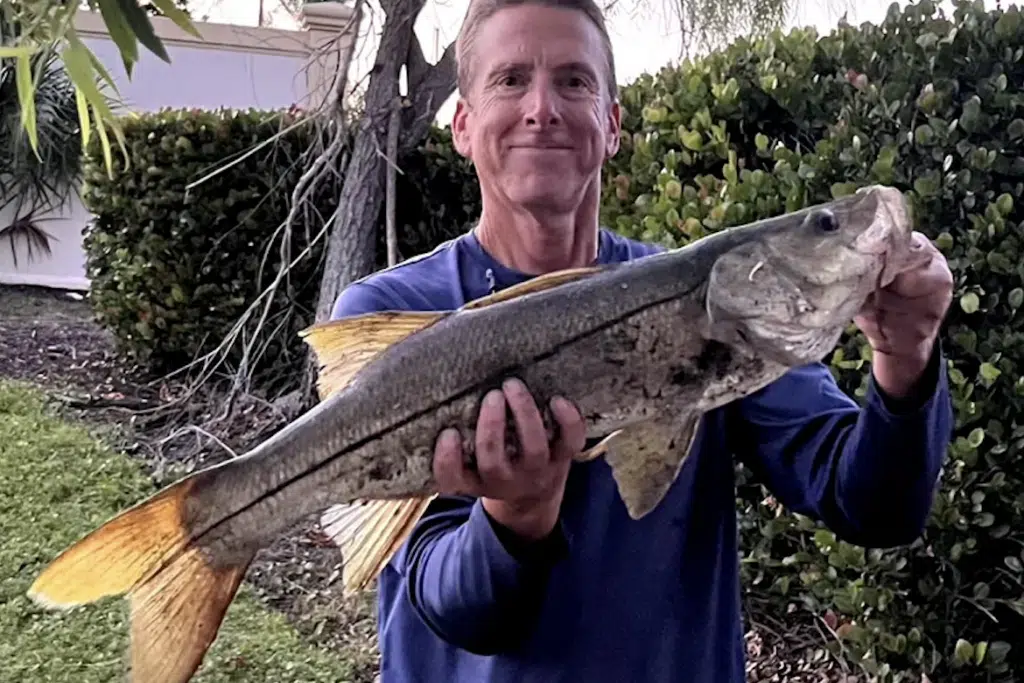
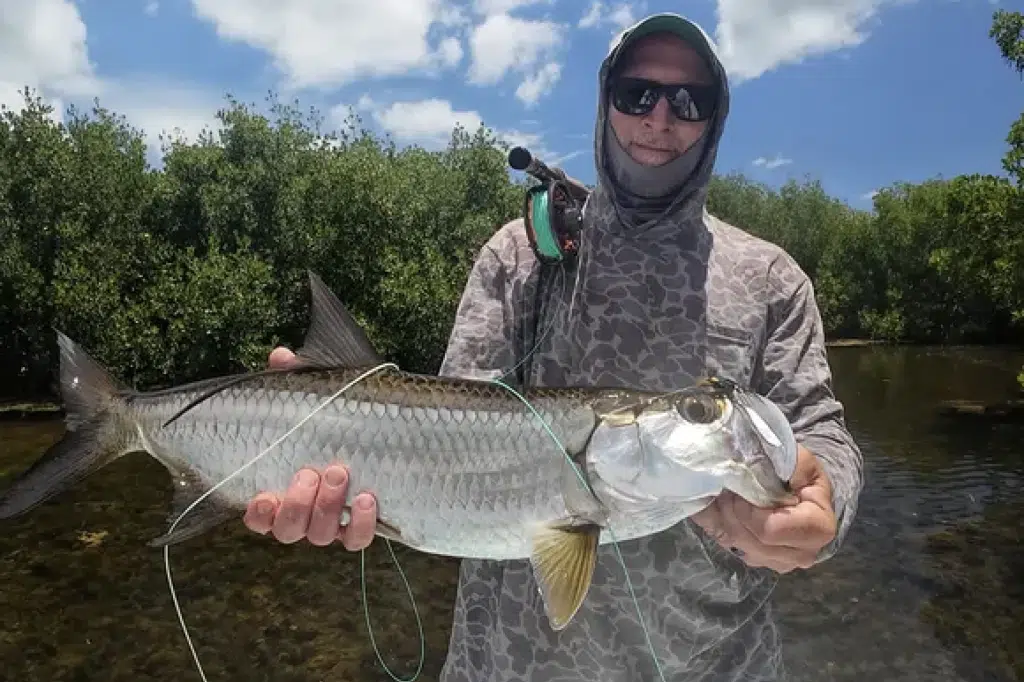
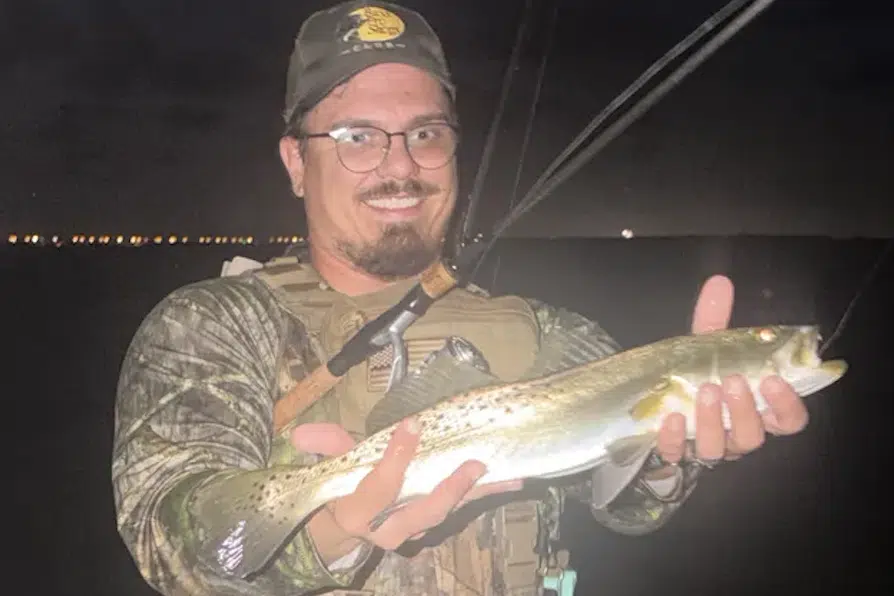
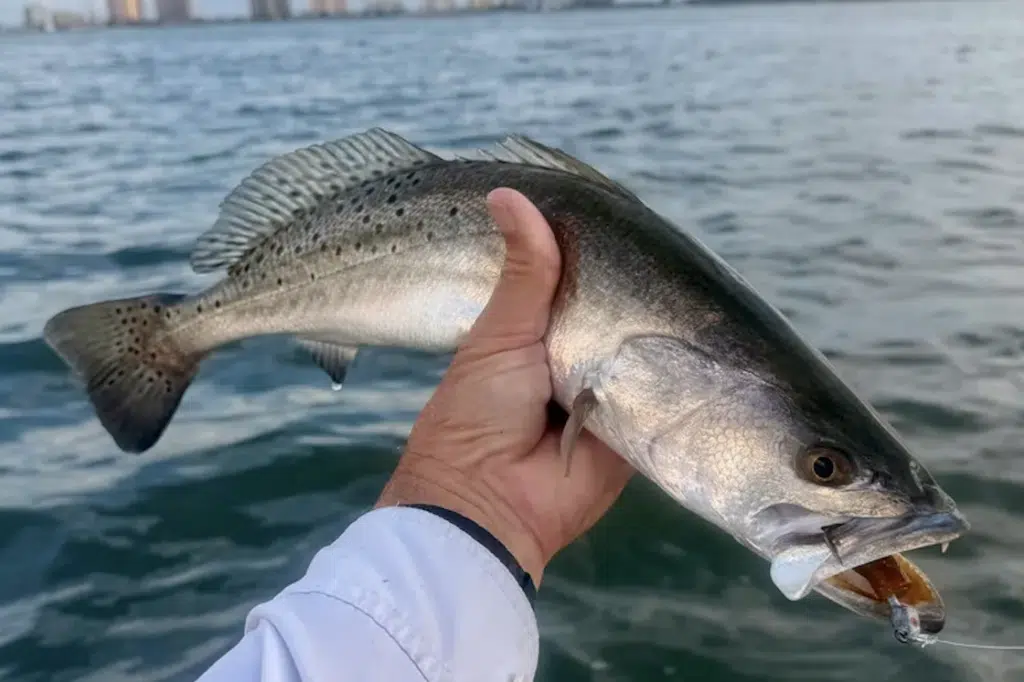
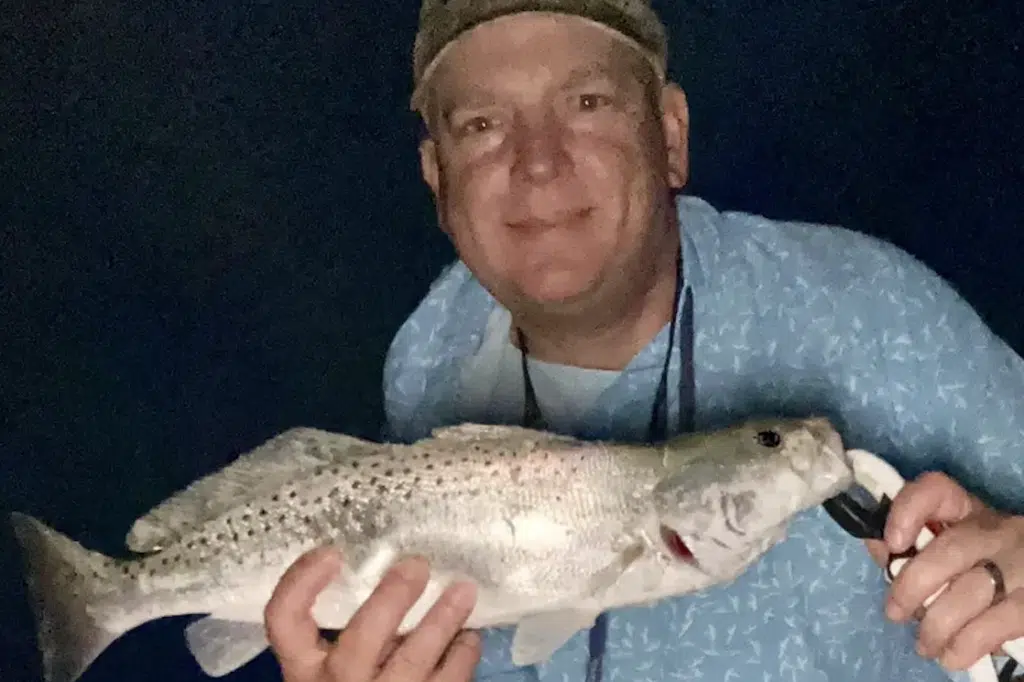
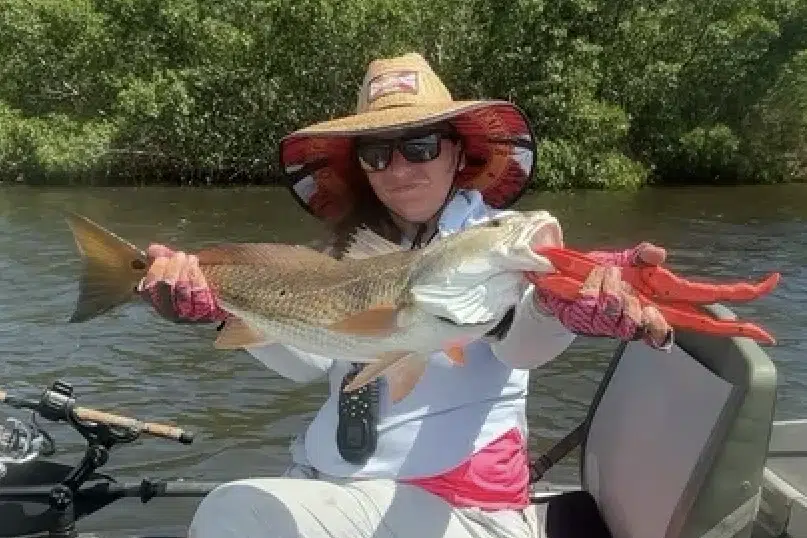
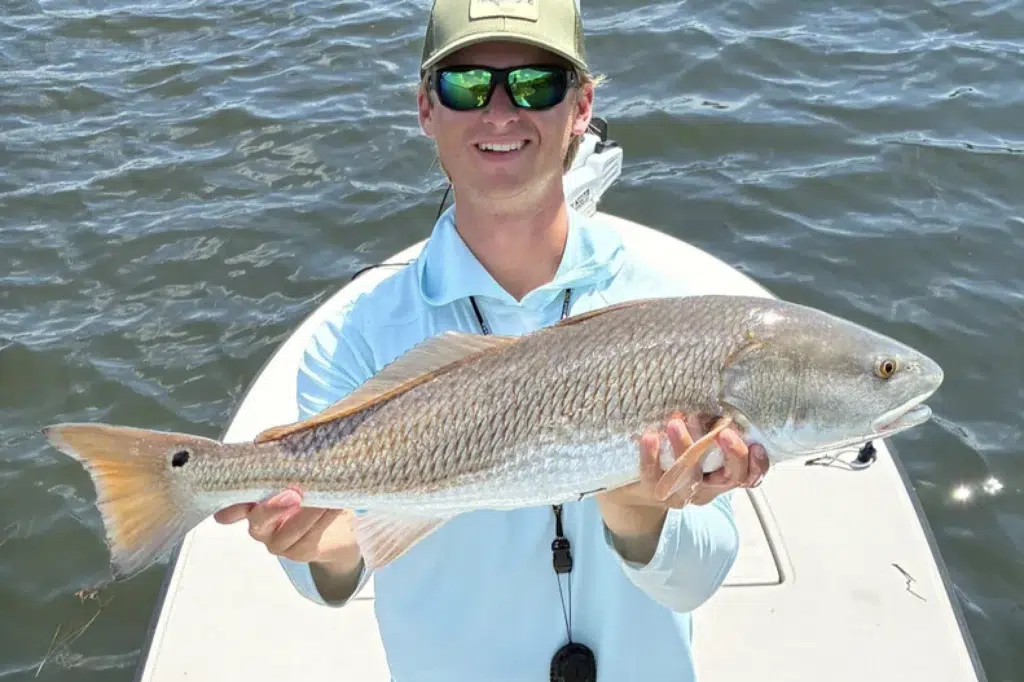
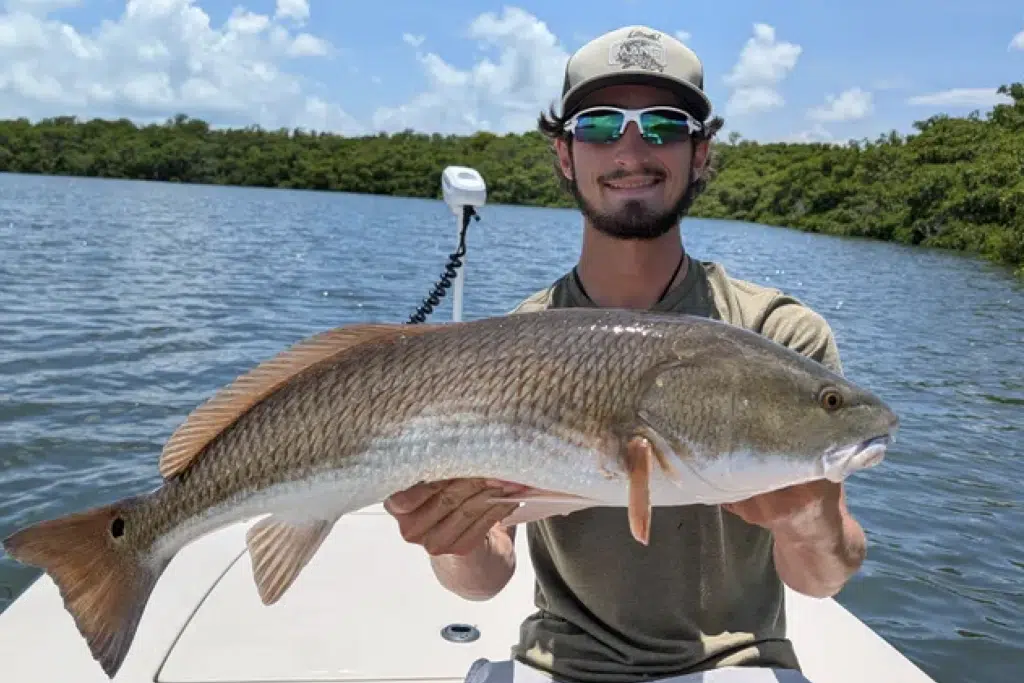
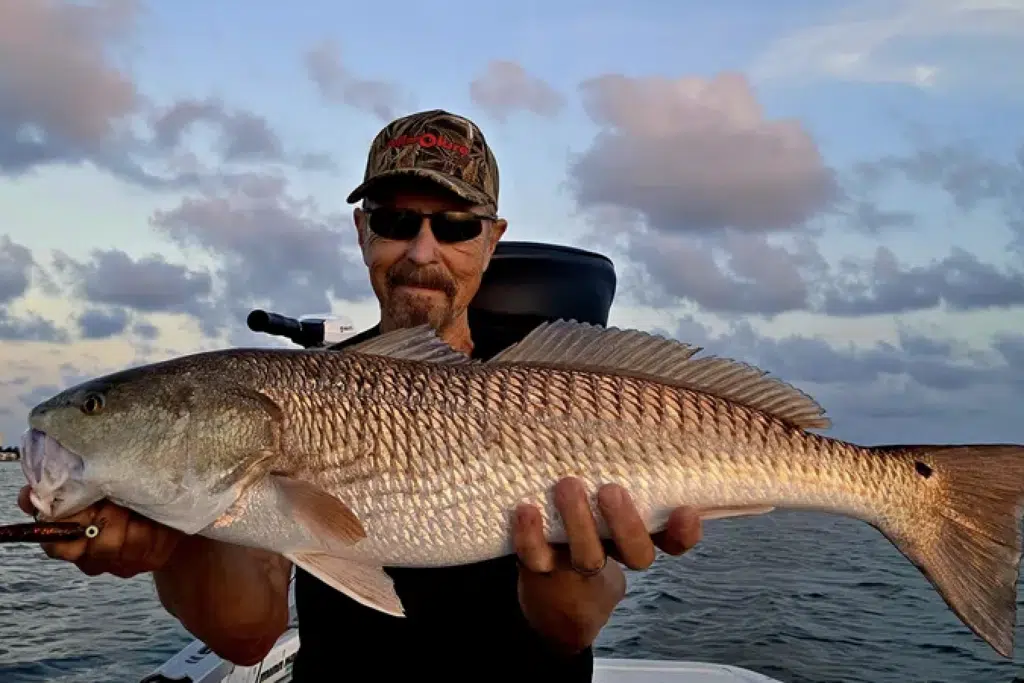
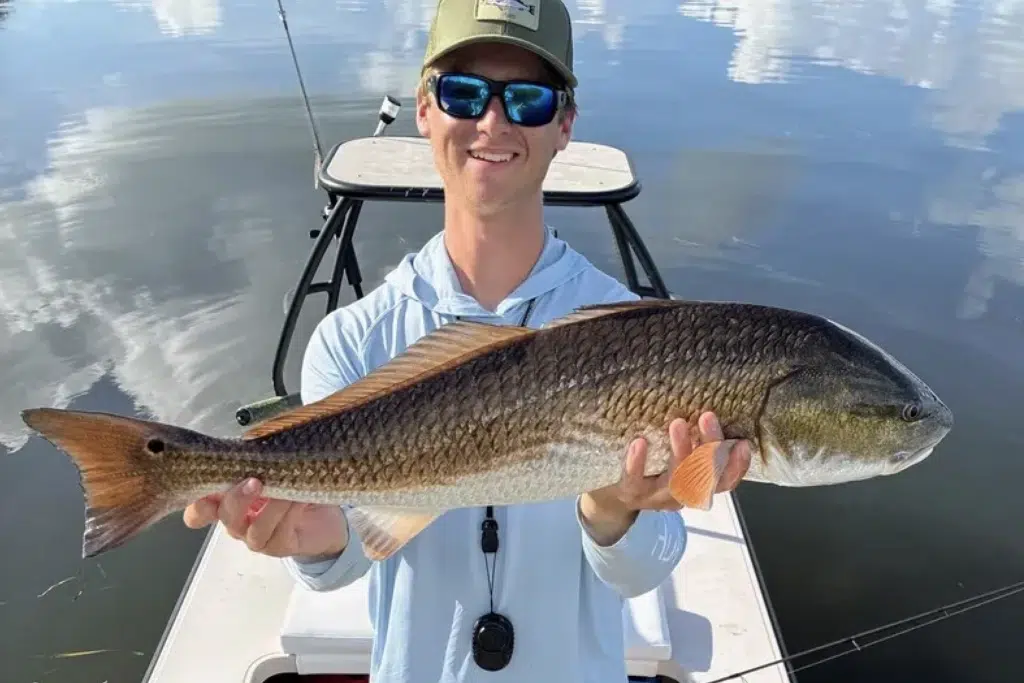
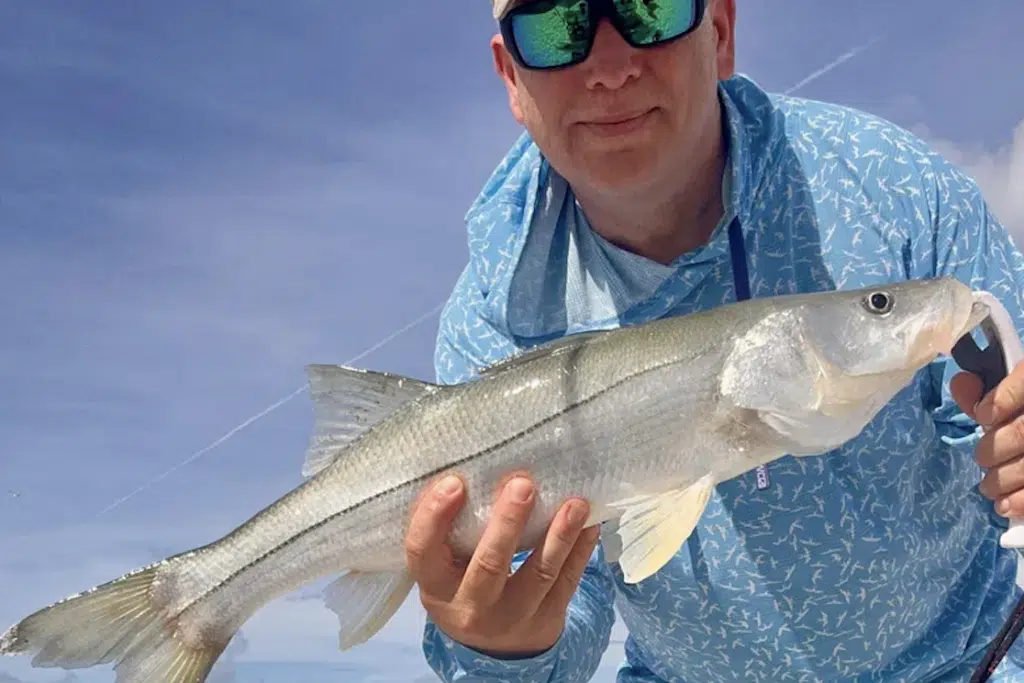
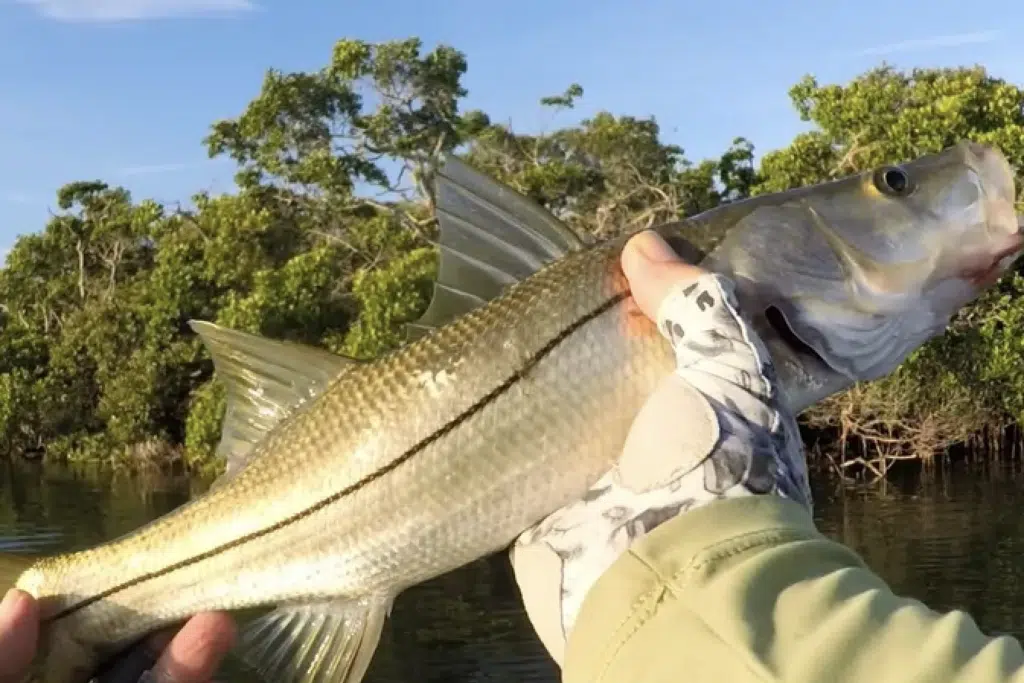
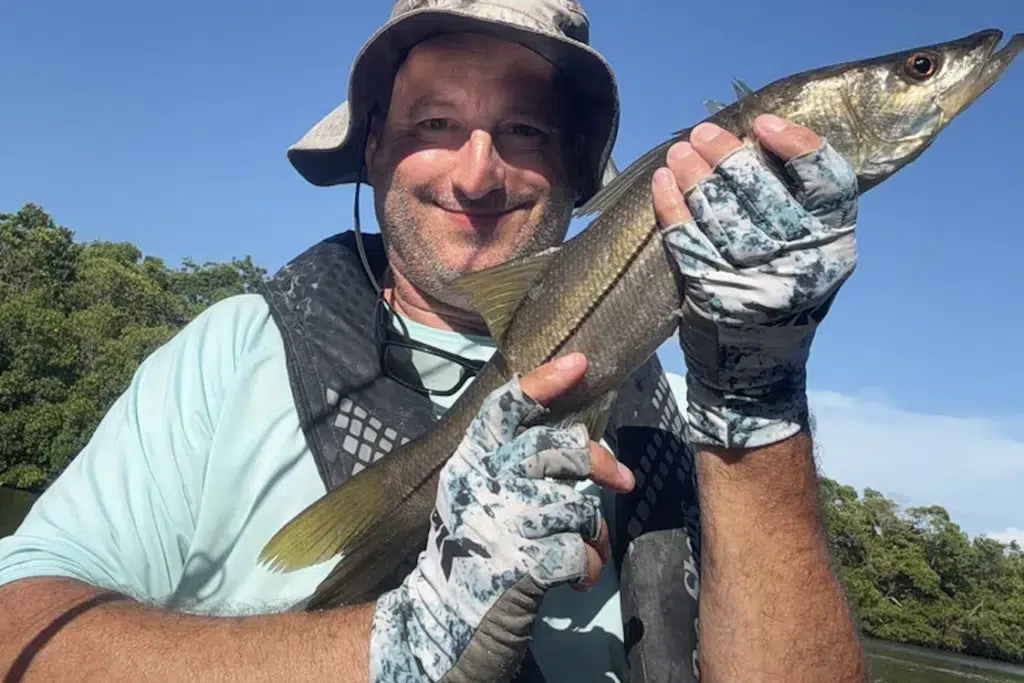
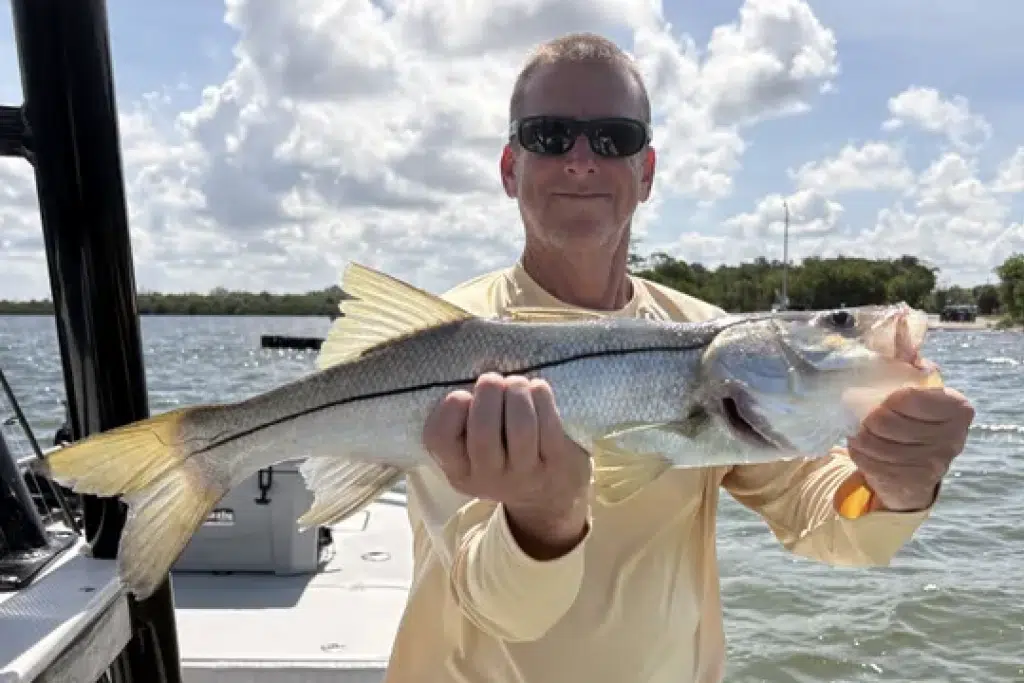
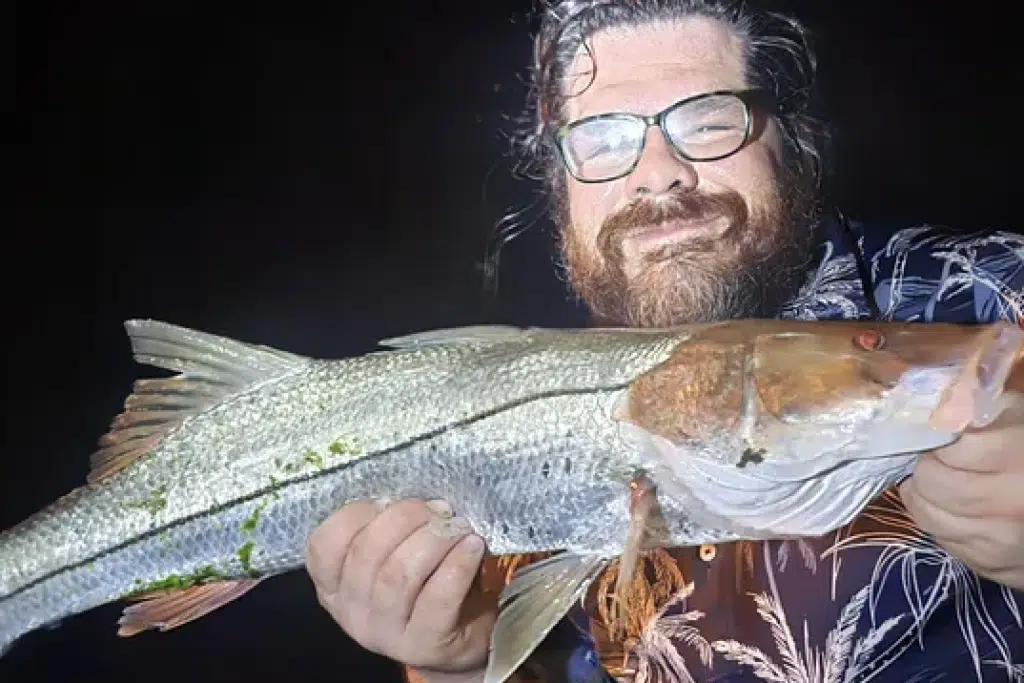
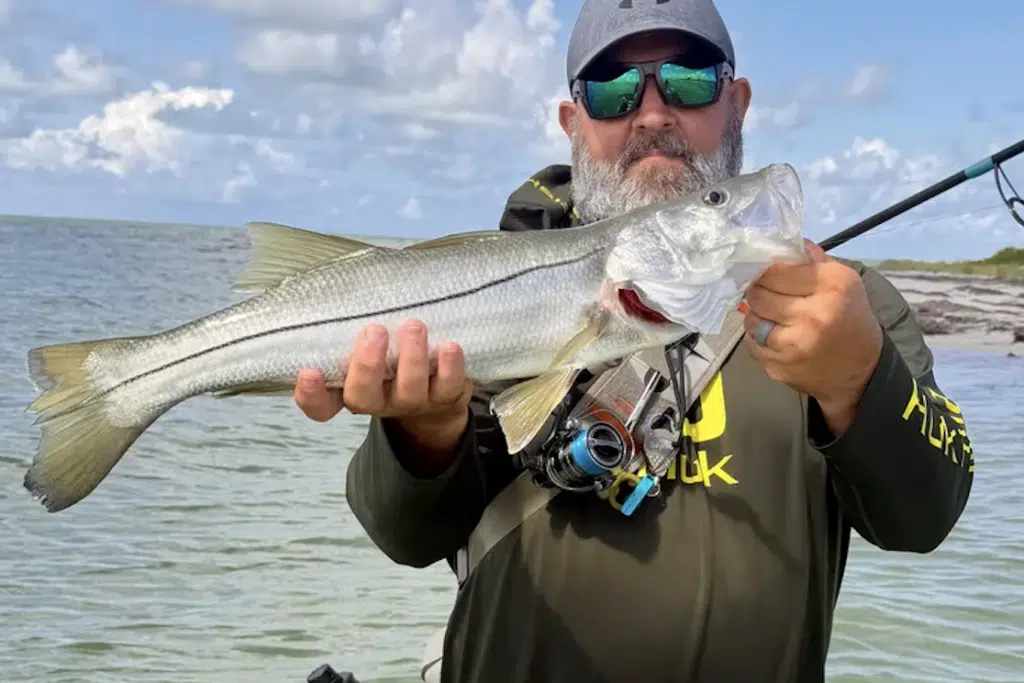
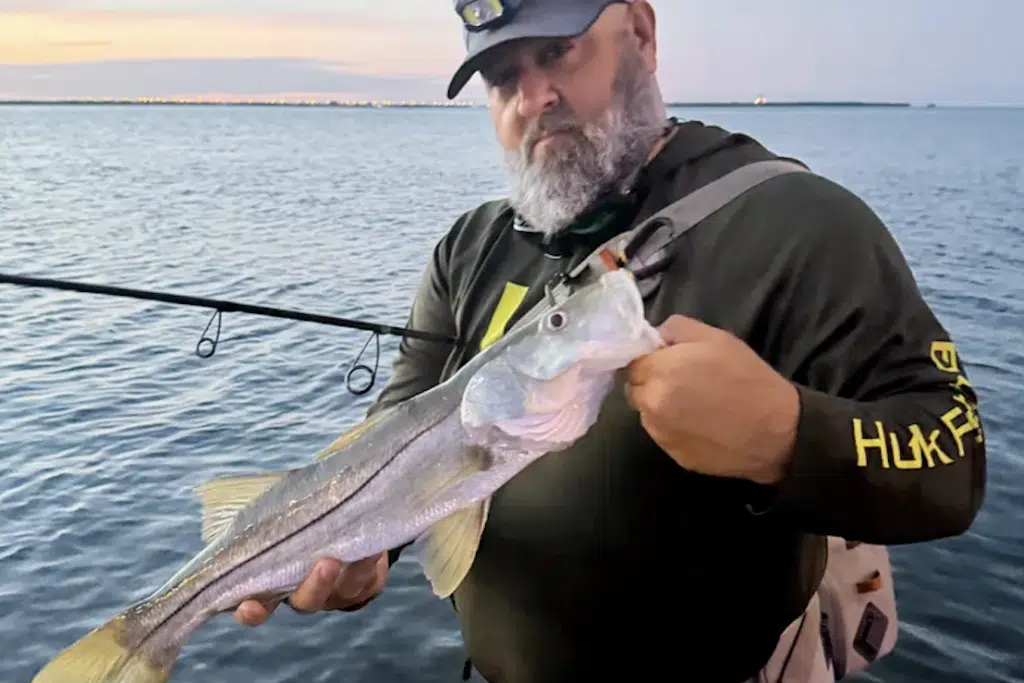
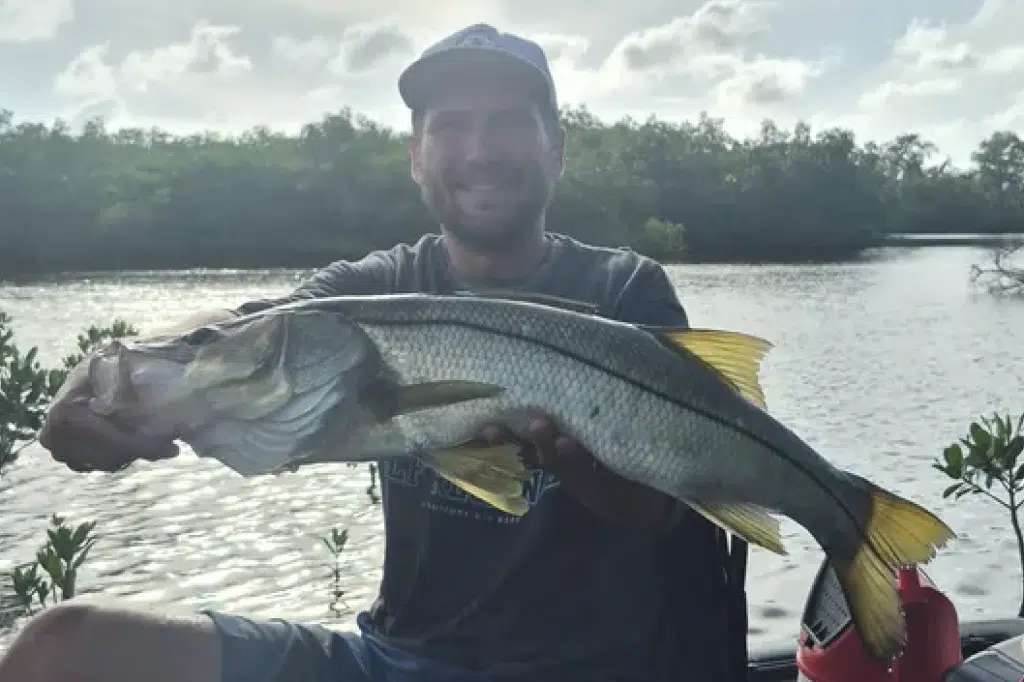
Inshore fishing around Johns Pass, Madeira Beach, Tampa Bay, and the surrounding beaches has been very solid, with the big name lately being snook. The snook have really stacked back into our passes pretty heavily, and we are seeing plenty of fish moving up and down the beautiful beaches. We are also seeing good snook action around dock lights and bridge lights, especially where bait is concentrated. Even though we are on a quarter moon and do not have the strongest tide of the month, there is still enough nighttime action around lights to make it worthwhile if you focus on the right areas.
Snook are very keyed in on bait right now. Around the passes and beaches, they are feeding on schools of small baitfish, and when there is a lot of bait present, they can actually become a little tricky. It is easy to assume that lots of bait automatically means easy fishing, but when predators are surrounded by natural forage, your bait or lure has to look right. Matching the hatch is extremely important. Smaller whitebait, glass minnow style soft plastics, small paddletails, small jerkbaits, shrimp, and naturally presented live baits can all produce. If the snook are blowing up on tiny bait, do not be afraid to downsize your presentation.
Around the passes, focus on current seams, bridge shadow lines, jetty edges, and troughs where bait is being swept naturally. Snook are ambush predators. They do not want to waste energy in hot water chasing bait all over the place. They want to sit where the current delivers food to them. Present your bait up-current and allow it to drift naturally through the strike zone. Around the beaches, look for deeper troughs close to shore, cuts in the sandbars, bait schools, and areas where the water has a little more color or movement. Beach snook can be spooky, so use longer casts, lighter fluorocarbon, and a quiet approach.
Dock light and bridge light snook fishing remains a great option. Around a quarter moon, we still have some good nighttime action because the lights concentrate bait. However, with less tidal flow than a new moon or full moon, you have to pick the lights with the most water movement. The best lights usually have current, bait, nearby depth, and a defined shadow line. Cast up-current, let the bait sweep through the edge of the light, and do not ignore the dark water just outside the glow. Many of the bigger fish sit in the shadows and feed on bait as it crosses the light line.
Trout action has been steady, and they are continuing to settle into deeper summer areas as the heat builds. Four to six foot of water or more is a great place to start looking, especially around deeper grass flats, edges of shallow flats, sandy potholes, troughs, and deeper pockets where trout can find relief from the heat. As water temperatures climb, trout are going to be less comfortable sitting in super shallow, hot water during the middle of the day. Early in the morning or during cloudy periods they may push shallower, but once the sun gets high, deeper edges become much more important.
Live shrimp under a popping cork remains one of the most dependable trout tactics, but free-lined shrimp, soft plastics on light jig heads, shrimp imitation lures, suspending twitchbaits, and small paddletails all work well. In hot water, slower can be better. Let the bait work naturally, especially when fishing deeper flats and troughs. If the water is clear, go with lighter leader and more natural colors. If the water is stained or the wind has it stirred up, use a little more vibration, scent, or profile to help the fish find your bait.
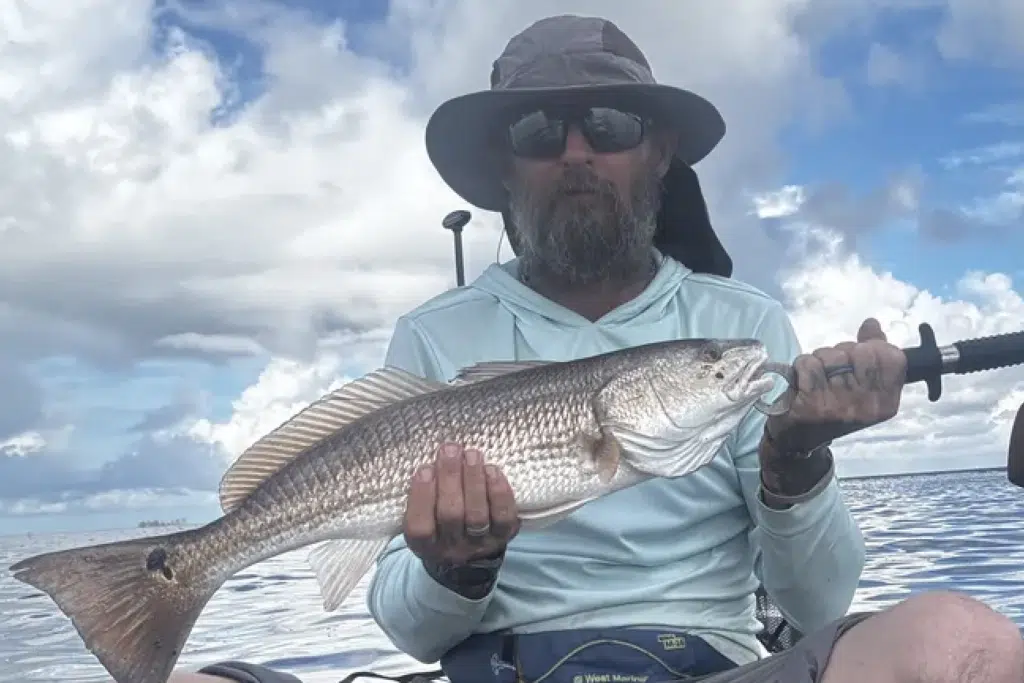
Redfish action is still going pretty well around mangrove shorelines, oyster bars, and grass flats. The biggest key right now is finding the big mullet. If you find big mullet pushing water along a shoreline, working over an oyster bar, or moving across a grass flat, there is a good chance redfish are nearby. Redfish follow mullet because mullet stir up food and create opportunities. Shrimp, crabs, worms, small baitfish, and other forage get kicked loose, and redfish are happy to take advantage.
On higher water, especially around mangrove shorelines, cut bait is a great option. Cut mullet, ladyfish, pinfish, or threadfin can be extremely effective when placed around mangrove edges, oyster points, and potholes where redfish are feeding by scent. On lower water, look for redfish to pull back to deeper troughs, oyster edges, potholes, and channel edges. Live shrimp, small pinfish, gold spoons, weedless paddletails, and soft jerkbaits are all good options. During a slower tide period, patience matters. Redfish may feed in shorter windows, so being in the right area when they turn on is key.
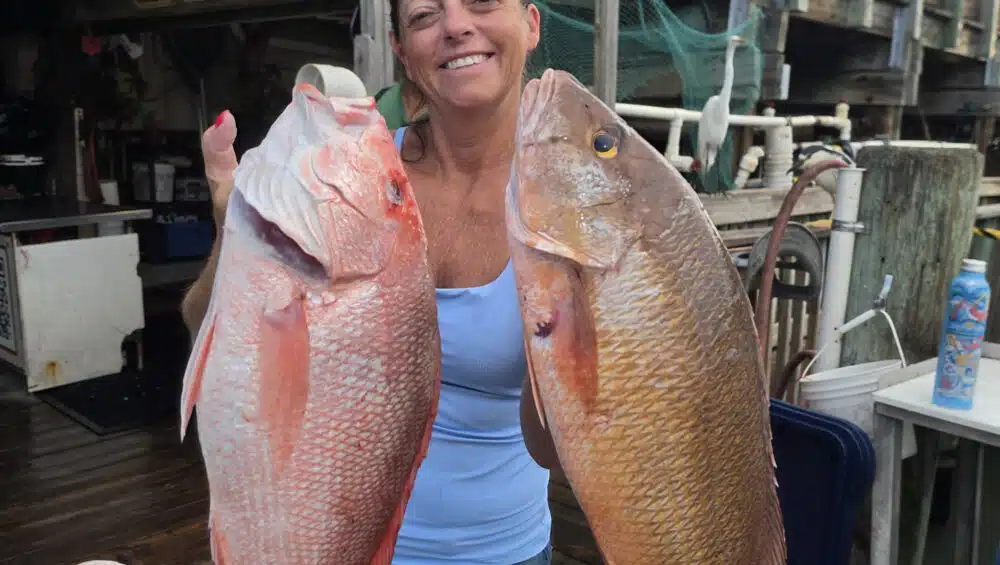
Mangrove snapper have made a big resurgence inshore. The same docks, piers, bridges, jetties, seawalls, and rock piles that were holding sheepshead earlier in the year are now starting to hold clouds of mangrove snapper. That is a classic summertime transition for our area and a very fun one because mangrove snapper provide great action and excellent table fare. These fish can be aggressive, but they are also smart and can become picky quickly around pressured structure.
For inshore mangrove snapper, small baits and clean presentations are critical. Small pieces of shrimp, tiny chunks of whitebait, threadfin, pilchard, or small live shrimp are all great choices. Use a small hook and just enough weight to get the bait where it needs to be. Around heavy structure, you need to be ready to pull hard because mangroves will run straight back into the pilings, rocks, or dock lines. If you are getting bites but not hooking up, downsize the bait and hook. If you are getting broken off, step up leader slightly or change your angle so you can pull fish away from structure more effectively.
Tarpon action has been really good around the big bay area bridges, the mouth of Tampa Bay, and along our beautiful beaches. We are seeing more and more tarpon activity as summer settles in. These fish are one of the most exciting parts of our warm season fishery, and they are becoming a major focus for many anglers. Look for rolling fish early in the morning, around tide changes, and near large bait schools. Bridges, passes, beach lines, and the mouth of the bay are all strong areas right now.
Tarpon fishing requires patience and presentation. Live threadfins, crabs, pass crabs on the right tides, pinfish, and large shrimp can all work. Around bridges, make sure your tackle is heavy enough to control the fish around structure. Along the beaches, stealth is more important. Position ahead of the fish, make a natural presentation, and avoid running through the school. Sometimes tarpon will roll everywhere and not feed until the tide changes or bait moves. Do not give up too early if you are seeing fish. Wait for the window.
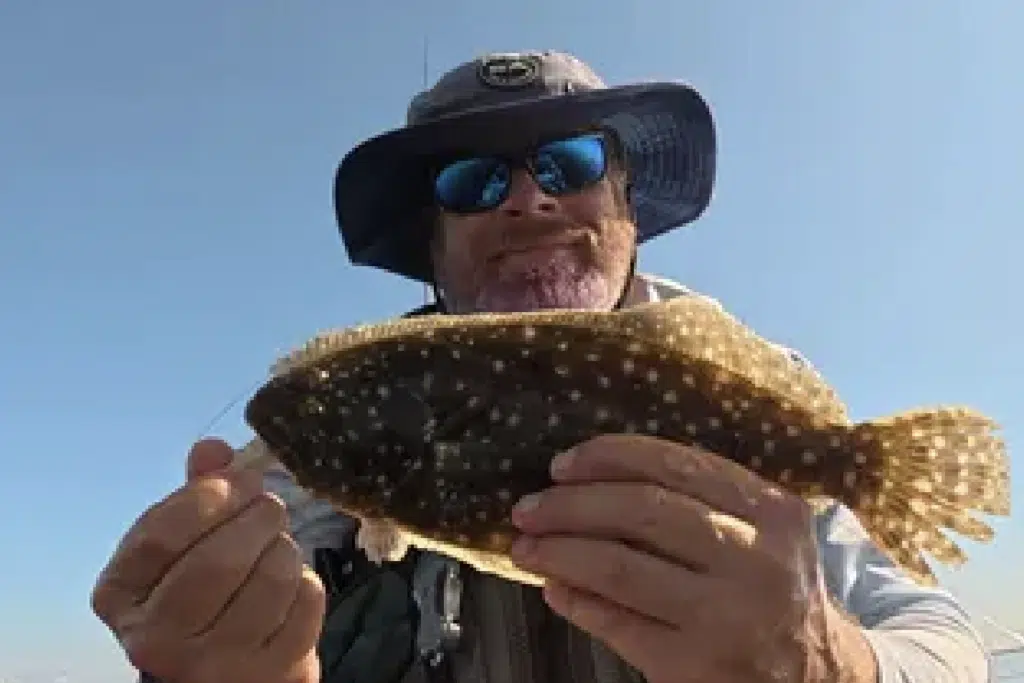
Flounder action has increased a little bit over the last week or so, which is great to see. Flounder are ambush feeders that love sandy edges, potholes, passes, jetties, dock edges, and areas where bait is moving along the bottom. Soft plastics on jig heads, bucktail jigs, live shrimp, and small baitfish can all work. The key is to keep your presentation close to the bottom. Hop it slowly, pause often, and let the fish commit. Flounder bites can feel subtle, like extra weight or a soft thump, so avoid jerking too quickly.
Mackerel are still around inshore here and there, mostly around bait, passes, deeper bridges, and faster moving water. They are not the main headline inshore right now, but when you find them they can provide fast action. Watch for birds, bait spraying, surface flashes, and quick busts of feeding activity. Spoons, small plugs, Gotcha style lures, jigs, and free-lined whitebait are all productive.
Sharks are heavy inshore, and that is very typical with the heat and bait activity we have right now. Bonnetheads, blacktips, bull sharks, and other species are becoming more common around beaches, passes, channels, flats, and deeper cuts. Fresh cut bait is the go-to choice. Ladyfish, mullet, threadfin, bonita, and other oily baits can all work. Shark fishing can be a lot of fun, especially for families and anglers looking for a strong fight, but use the right tackle, fight fish efficiently, and release them carefully.
Fishing Tips
- Snook: Use live baits like greenbacks, threadfins, and shrimp, or try flair hawks and soft plastics at night.
- Redfish: Look for them around mangroves, oyster bars, and flats, and use dead baits during higher tides.
- Trout: Target them with soft plastics, white bait, and shrimp around deeper flats and potholes.
- Tarpon: Target them during the full moon with crab flushes, making it an ideal time to target them.
- Flounder: Find them near sandy bottoms and structures, biting on bottom baits.
- Pompano: Be prepared to move frequently to stay on their bite.
- Sharks: Use big dead baits in areas with moving water.
Help spread the word about what to do if you hook or entangle a bird. Never cut the line; instead, reel in the bird carefully to dehook and release it. If you accidentally hook a dock, break the line at the hook to avoid leaving any line in the water. Seabirds with fishing lines hanging from them are becoming more common, and this could lead to the closure of fishing areas.
Rising concerns about bird entanglements might result in closing fishing spots, impacting the few available locations around Tampa Bay from shorelines, docks, bridges, or piers. Learn more in our podcast with Salt Strong: https://www.saltstrong.com/articles/shutting-down-fishing-at-busy-pier/.
NEarshore Fishing Report
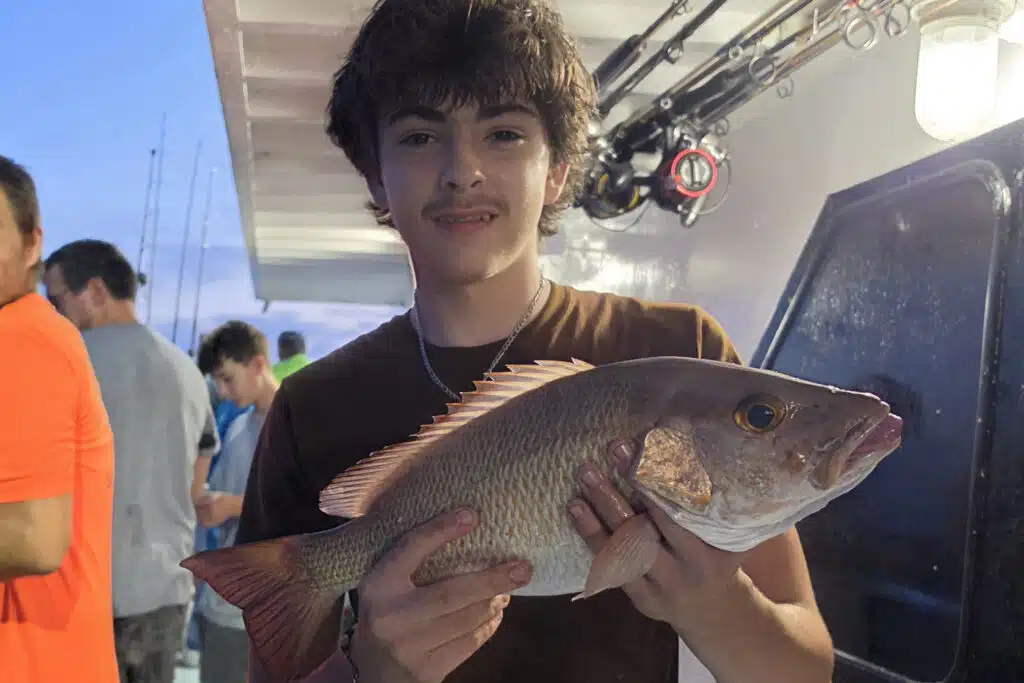
Near shore fishing off Johns Pass and Madeira Beach is in a warm water transition, and the biggest story is that lane snapper action is going well while the hogfish bite continues to soften. As the water temperature climbs, hogfish become more spread out and less concentrated, making them harder to target consistently. At the same time, lane snapper, mangrove snapper, and red grouper become more important parts of the near shore mixed bag. This is a normal seasonal shift, and it creates some really fun fishing if you adjust your expectations and tackle.
Lane snapper have been one of the better near shore targets lately. We are seeing them in good numbers, especially in that deeper near shore range around hard bottom, ledges, shell bottom, and mixed structure. Lane snapper are aggressive, colorful, great eating, and a perfect target for our near shore trips as the water warms. Squid, shrimp, and small chunks of threadfin are all excellent baits. Squid is durable and keeps you fishing through smaller pickers, shrimp often gets better quality bites, and fresh cut threadfin can be excellent when the fish are feeding aggressively.
When targeting lane snapper, keep the bait close on the bottom and be ready for a quick bite. If you are getting pecked but not hooking fish, downsize the bait and hook. If the bite is wide open, you can use slightly larger bait pieces to target better fish.
Mangrove snapper are also showing near shore, though the better action has been in deeper near shore water and beyond. Near shore mangroves can be tricky because they are smart, structure-oriented, and often leader shy. Small chunks of threadfin are a top bait, and a light double-snell rig with smaller hooks around 3/0 can be very effective. The key is a natural presentation. If the bait spins, drags, or looks unnatural, the better mangroves will often pass it up.
Use the lightest leader you can get away with while still having enough strength to pull fish away from structure. Around cleaner water and lighter current, you may need to downsize leader and bait. If the water is dirty or the fish are aggressive, you can get away with heavier tackle.
Red grouper are possible near shore, especially when fishing deeper hard bottom and ledges. We are seeing some red grouper action in those deeper near shore zones, though offshore and deeper water have been more consistent overall. Whole squid, larger cut baits, live pinfish, and big chunks of threadfin are all good options. If you want to target a better red grouper, use a bait large enough to discourage some of the smaller pickers. Red grouper love potholes, cracks, low ledges, and broken hard bottom, so do not only focus on the tallest structure. Sometimes subtle bottom is best.
Hogfish are still around, but the bite has definitely softened. Hot water has spread them out and made them less concentrated. That means they are more of a bonus target now than a sure thing. If you want to target hogfish, live shrimp remains the best bait. Fish lighter tackle, long fluorocarbon leaders, smaller hooks, and low-profile hard bottom in 40 to 70 feet of water. A 4000 to 5000 size spinning reel, 20 to 30 pound braid, 10 to 15 feet of 30 pound fluorocarbon, a 3/0 to 4/0 hook, and 1 to 2 ounces of weight is a good starting point. Be patient, but stay mobile.
Mackerel are still possible near shore, but most of the pelagic action has been happening deeper lately. We are still seeing a few Spanish mackerel around bait schools, wrecks, reefs, and faster moving water, but they are not as consistent near shore as the snapper bite. Spoons, small trolling plugs, jigs, and free-lined baits are all good choices when you find them. Keep an eye out for birds and bait showers. If you are running between bottom spots, trolling a small spoon or plug can help you locate active fish.
Overall, near shore fishing is still producing a nice mixed bag. The hogfish bite is slowing, but lane snapper are stepping up in a big way, mangrove snapper are around in deeper water, red grouper are possible, and there are still chances at mackerel and kingfish. The key is adapting to warm water. Fish deeper, fish cleaner presentations, use fresh bait, and stay flexible.
Fishing Tips
- Red Grouper: Target the deepest near shore waters with big dead baits or solid live baits. Use 60 lb test and 7/0 hooks for best results.
- Red Snapper: Use big dead baits like whole squid and bonita strips with heavy tackle to focus on larger fish. Prime trips include the 12-hour extreme, 39-hour, and 44-hour trips.
- Scamp Grouper: Use small to medium pinfish and cut threadfin, especially while targeting mangrove snapper.
- Mangrove Snapper: Near shore, use live shrimp and small chunks of threadfin on 30-40 lb test with 3-4/0 hooks. Offshore, use bigger chunks of cut threadfin or medium pinfish on 40-60 lb test with 5-7/0 hooks.
- Vermillion Snapper: Start around 100 feet of water using cut squid or threadfin. These fish are aggressive and not leader-shy.
- Yellowtail Snapper: Use shrimp, cut squid, and threadfin.
- Pelagic Species: Keep flat lines and pitch rods ready for sailfish, kingfish, wahoo, tuna, and mahi mahi.
Offshore Fishing Report
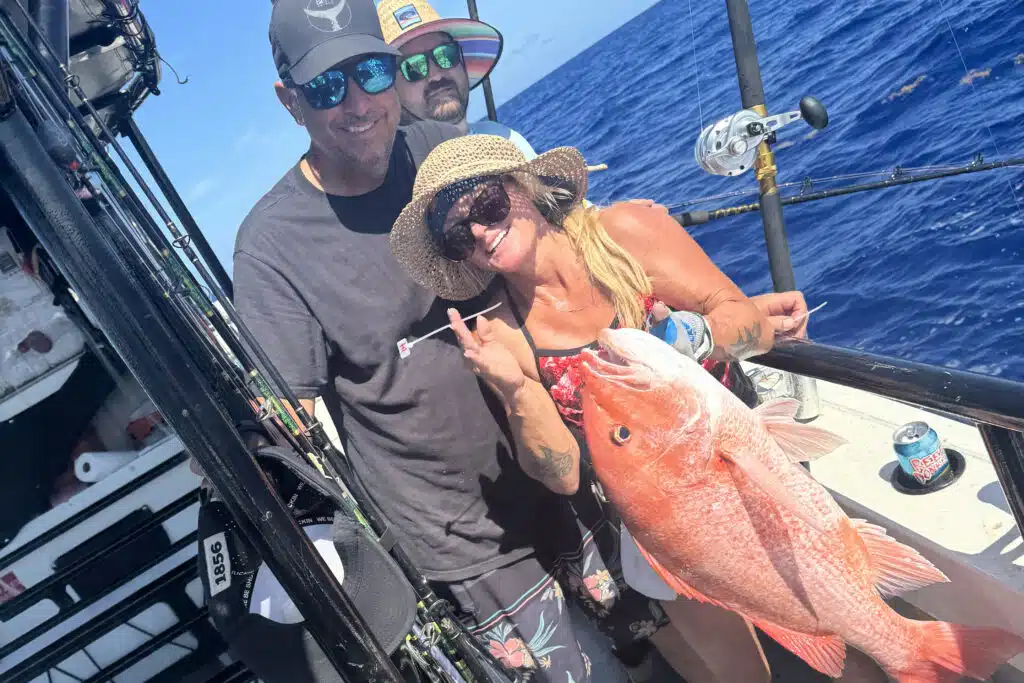
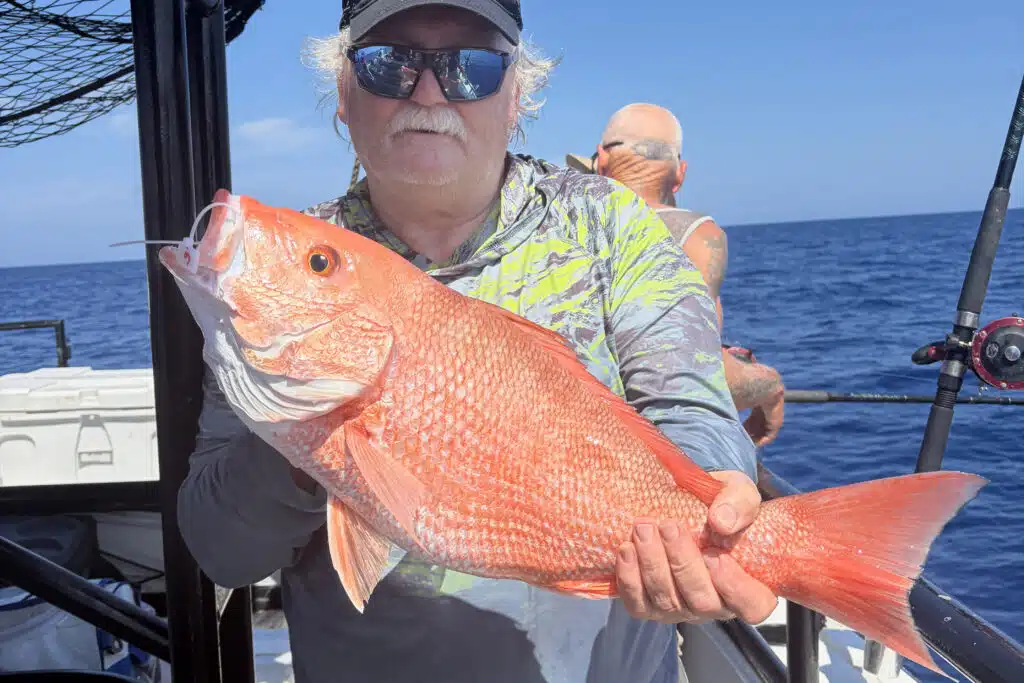
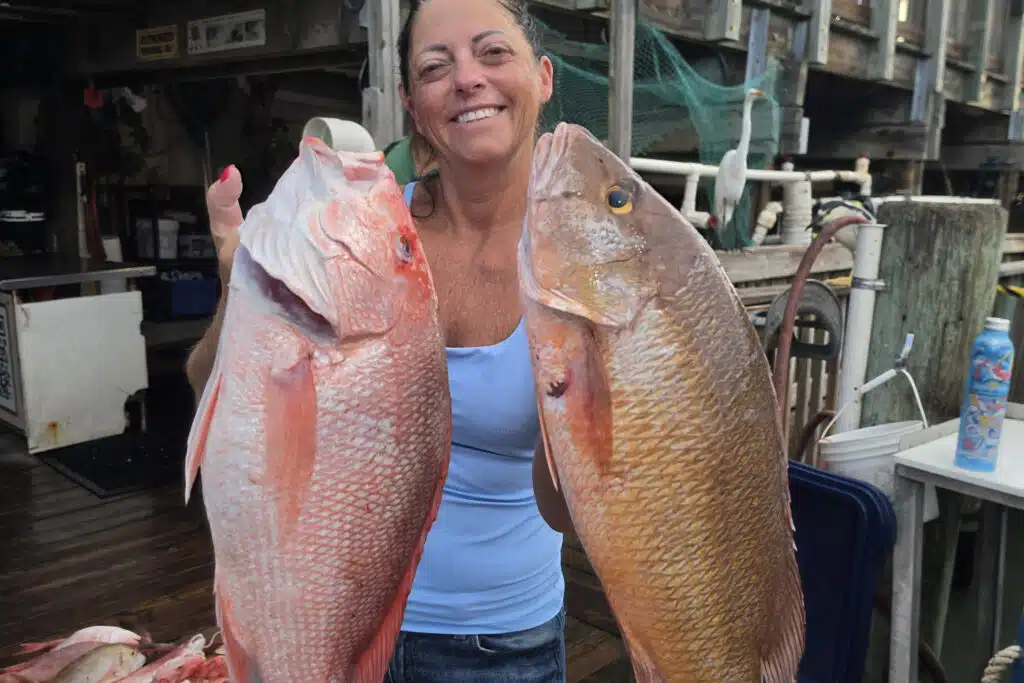
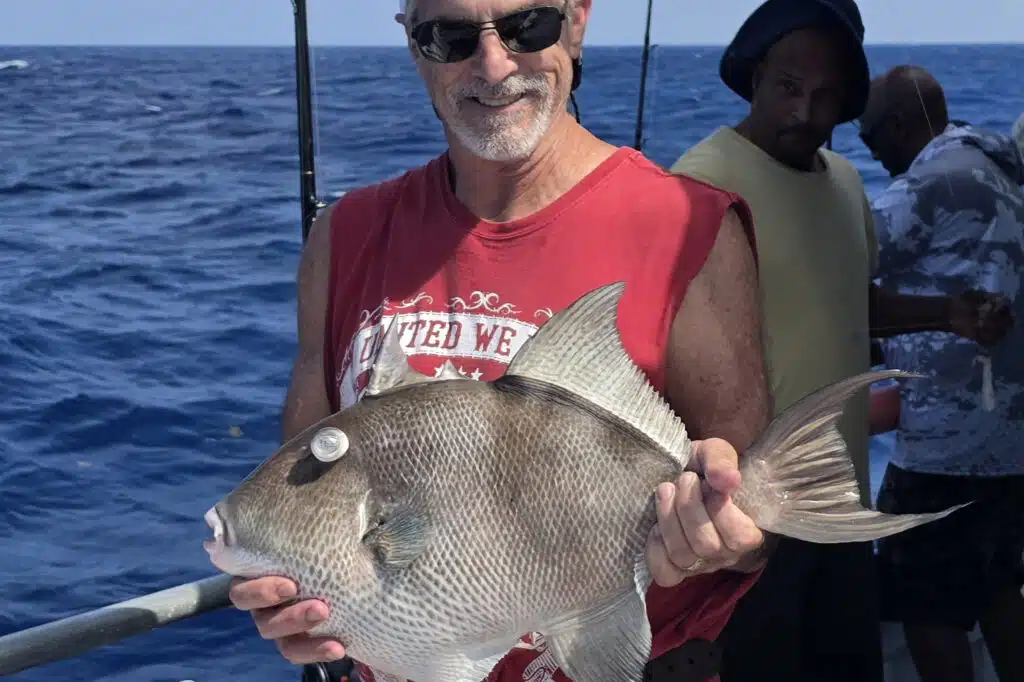
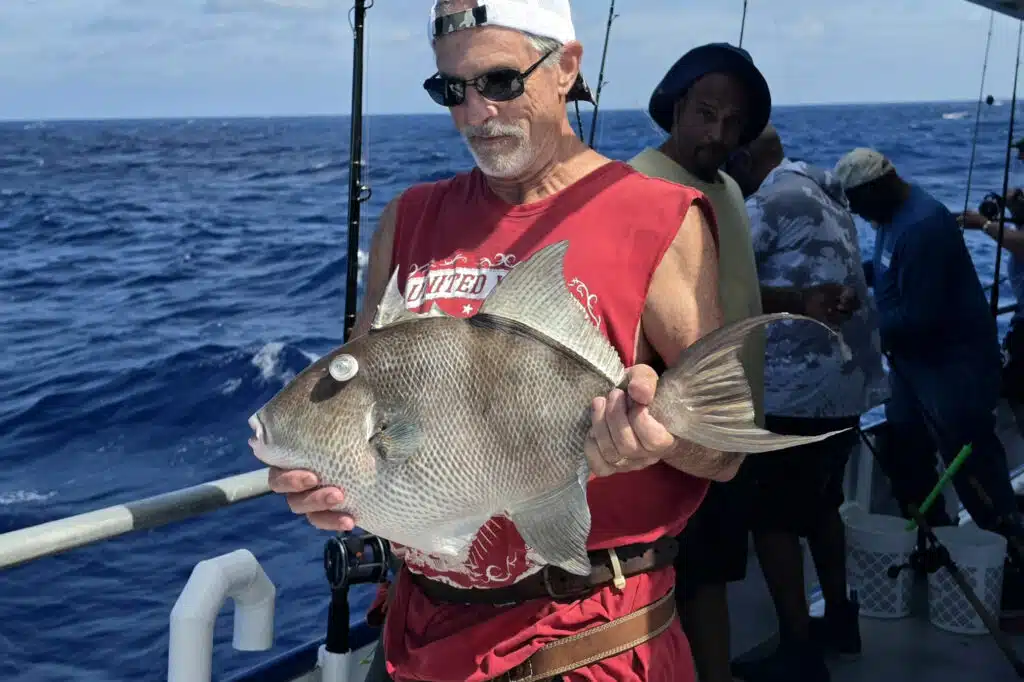
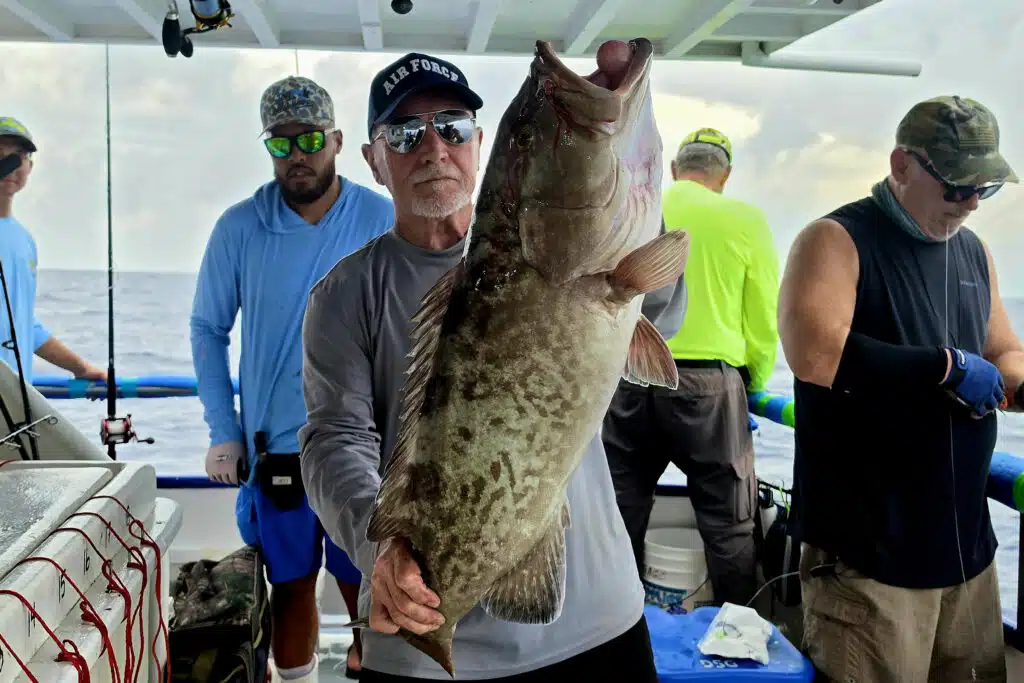
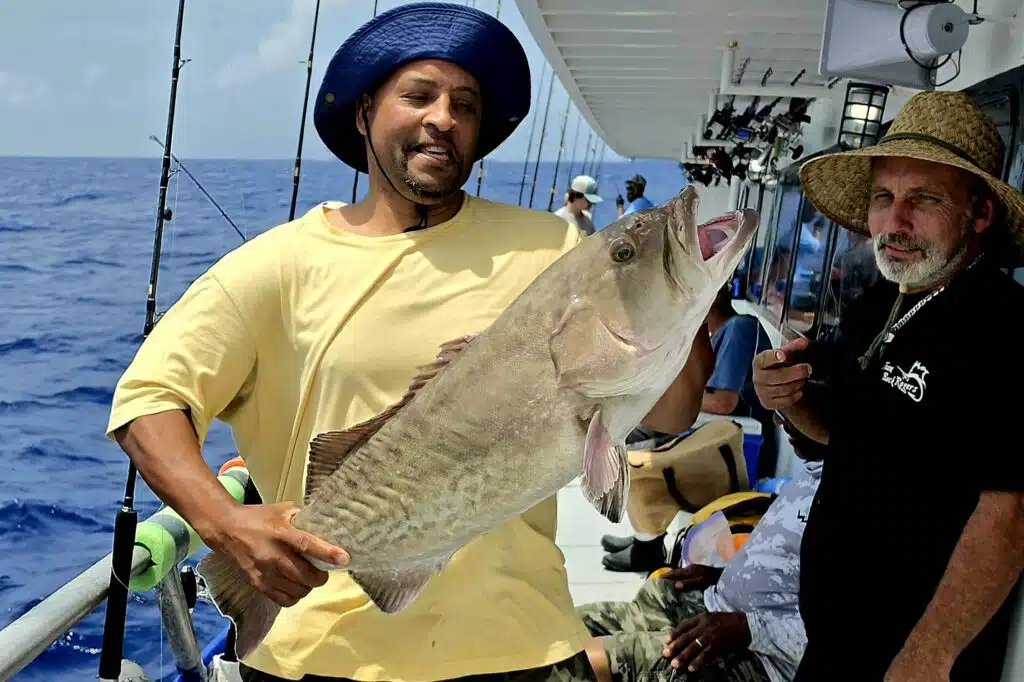
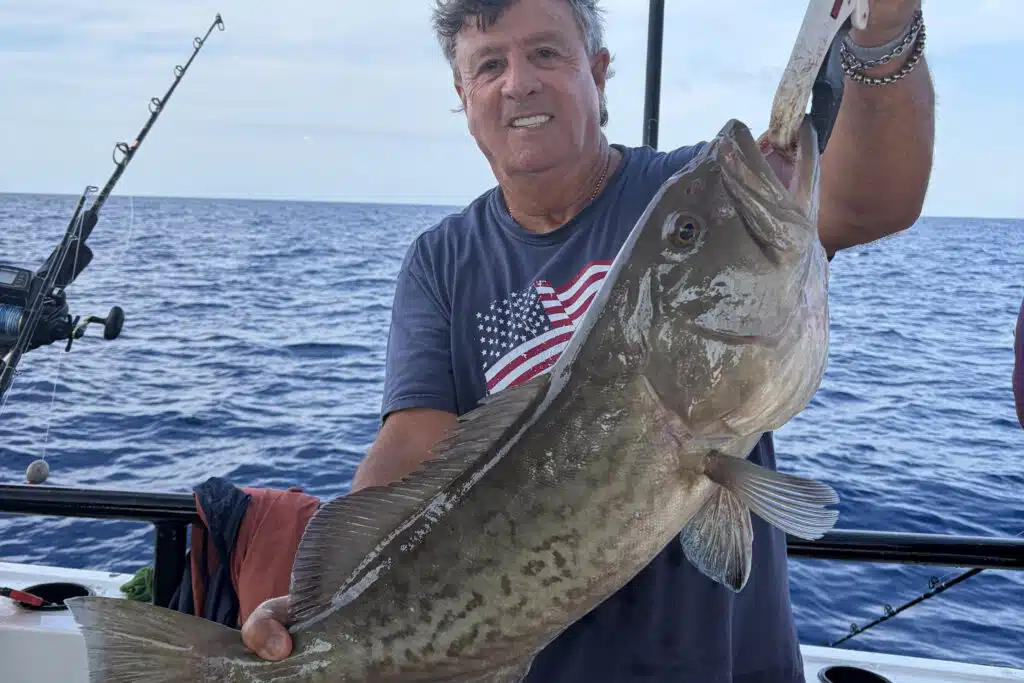
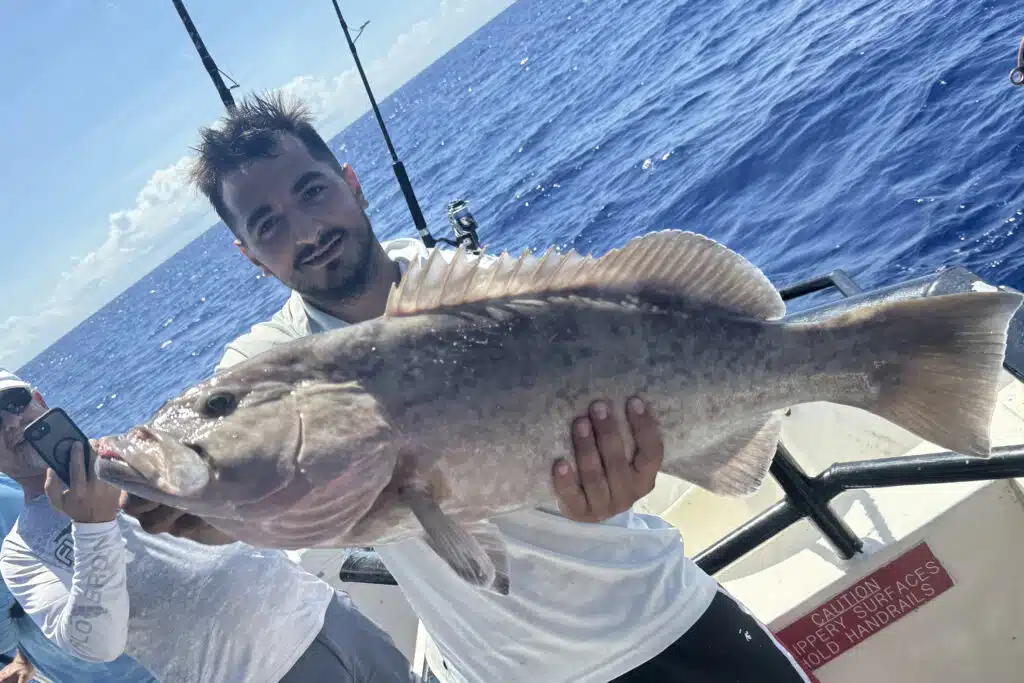
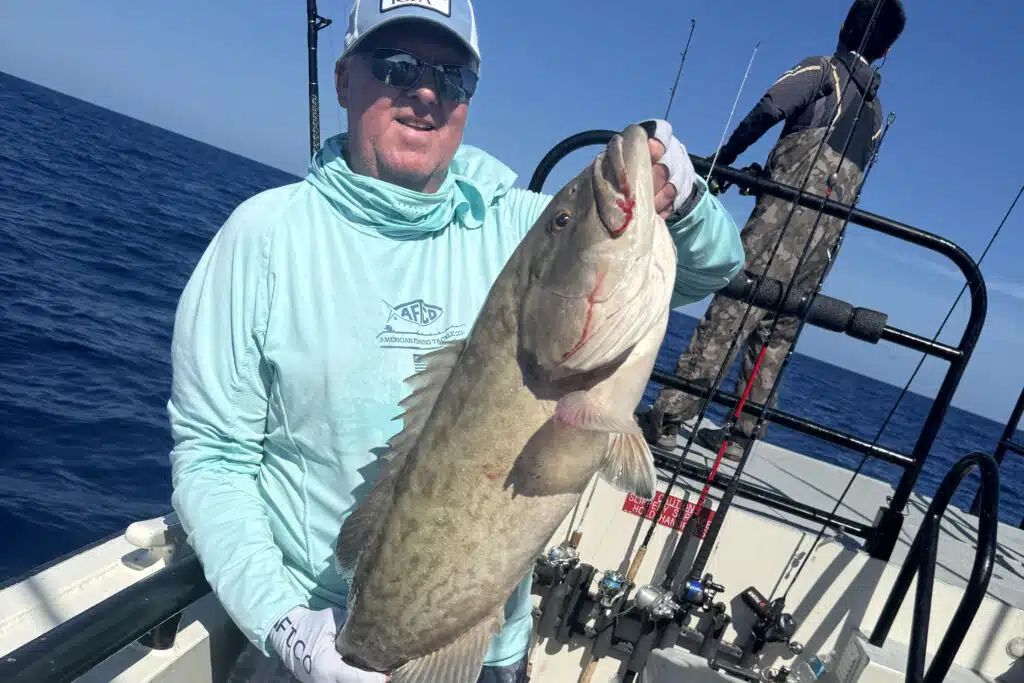
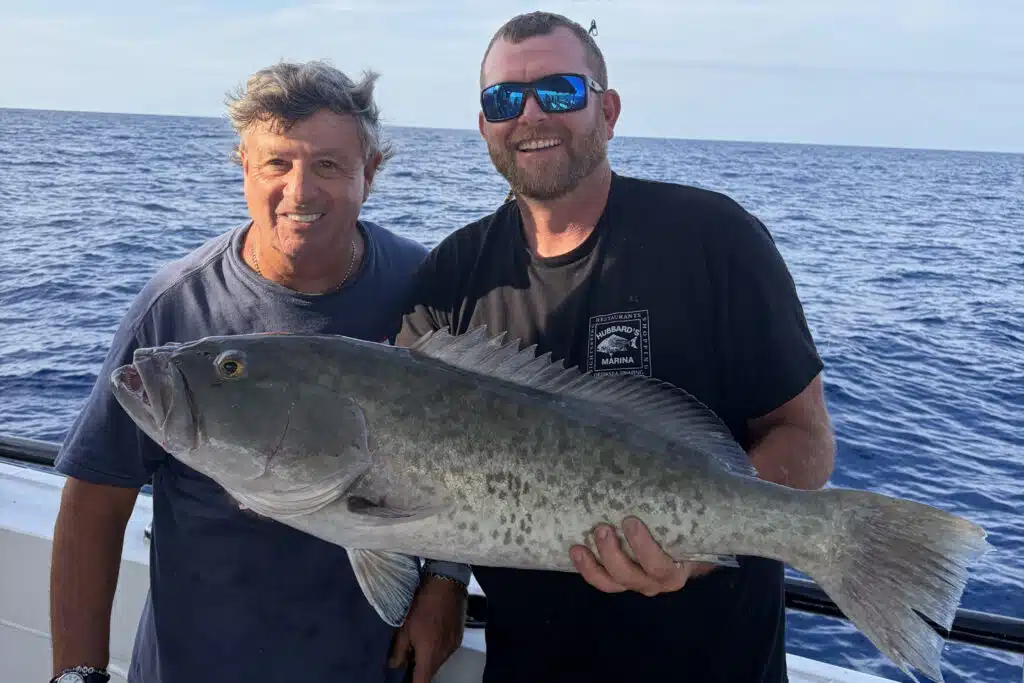
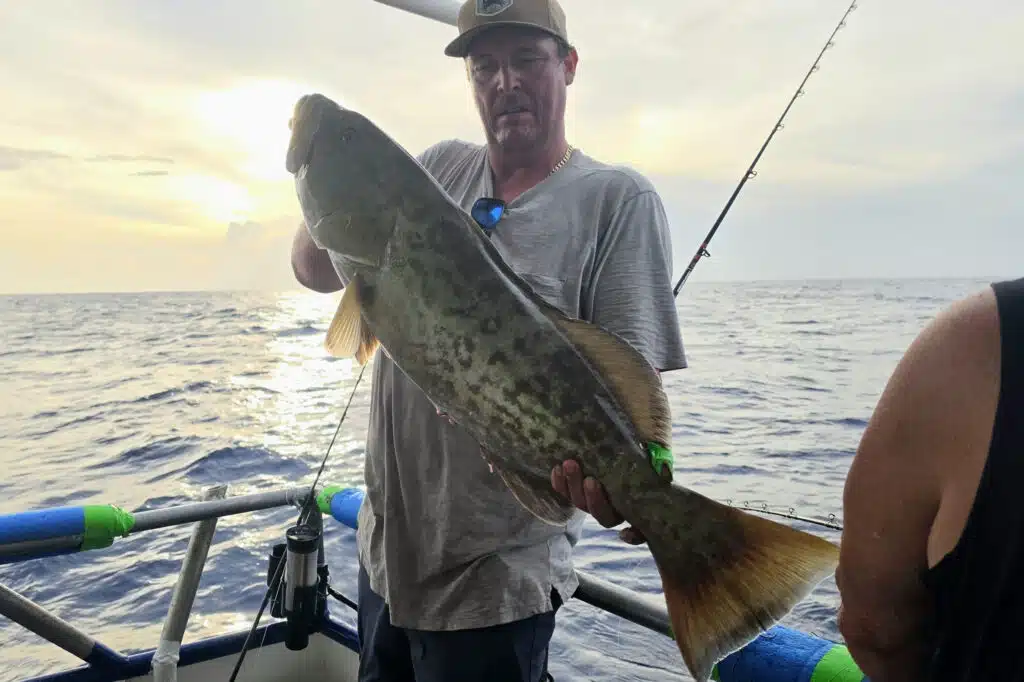
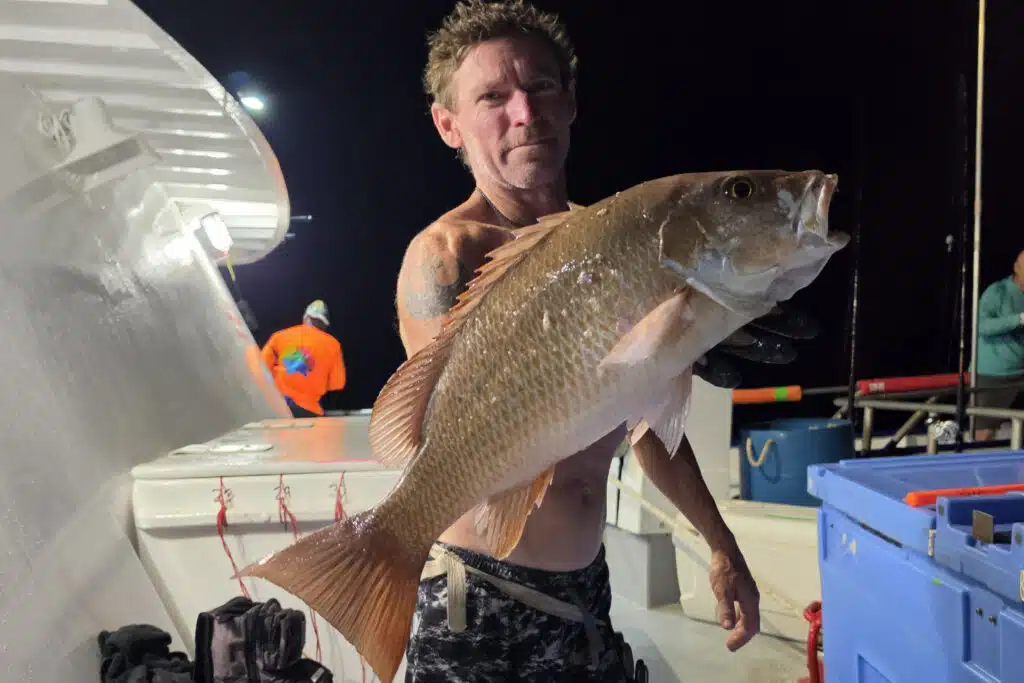
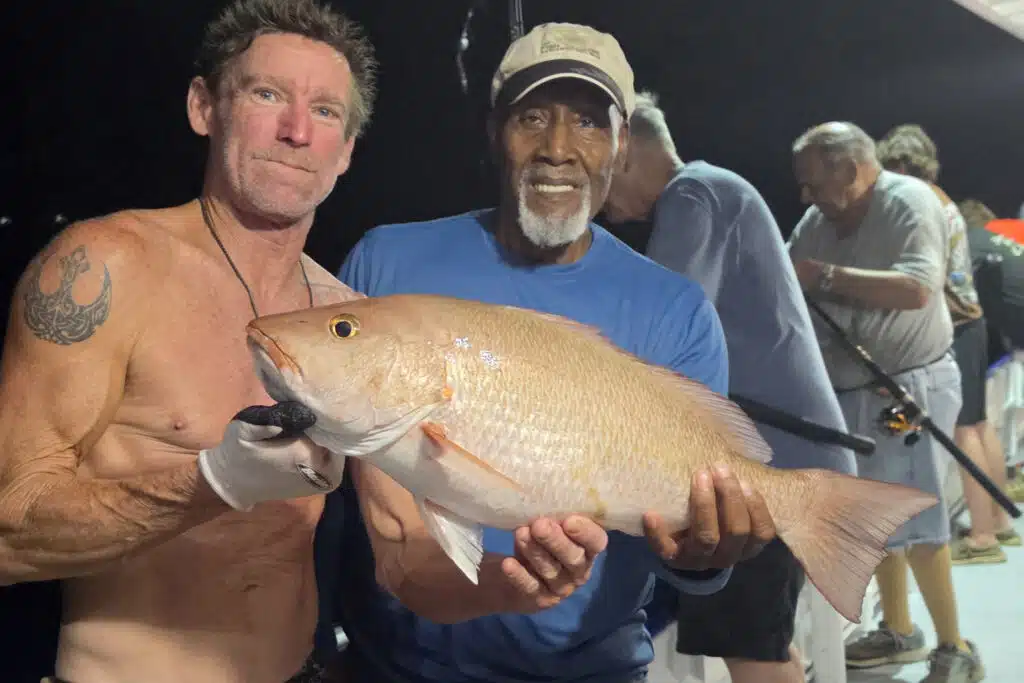
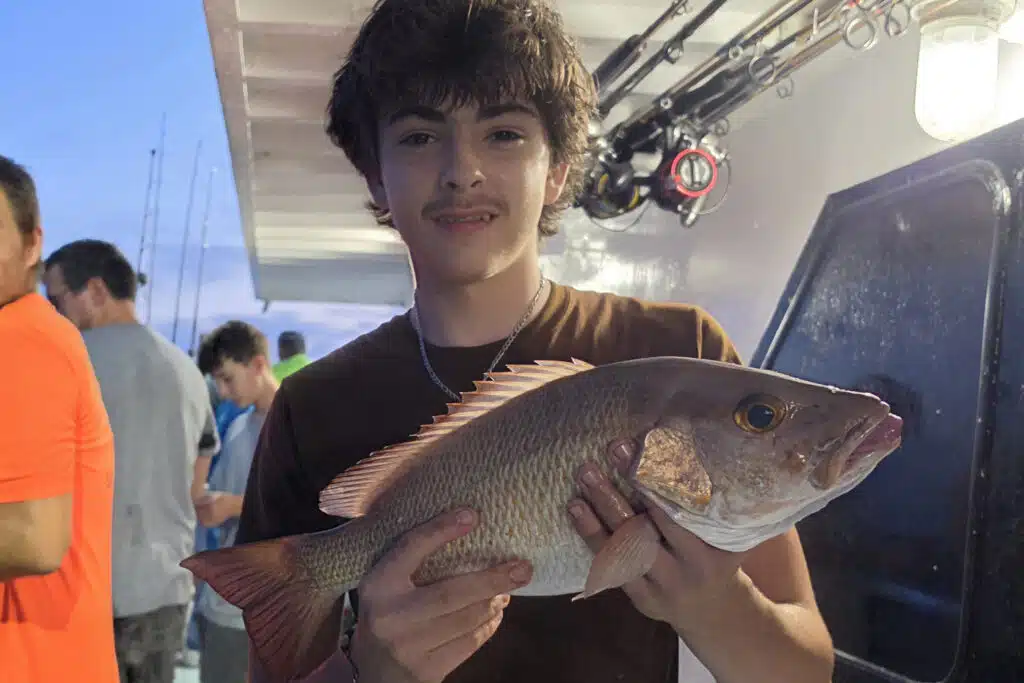
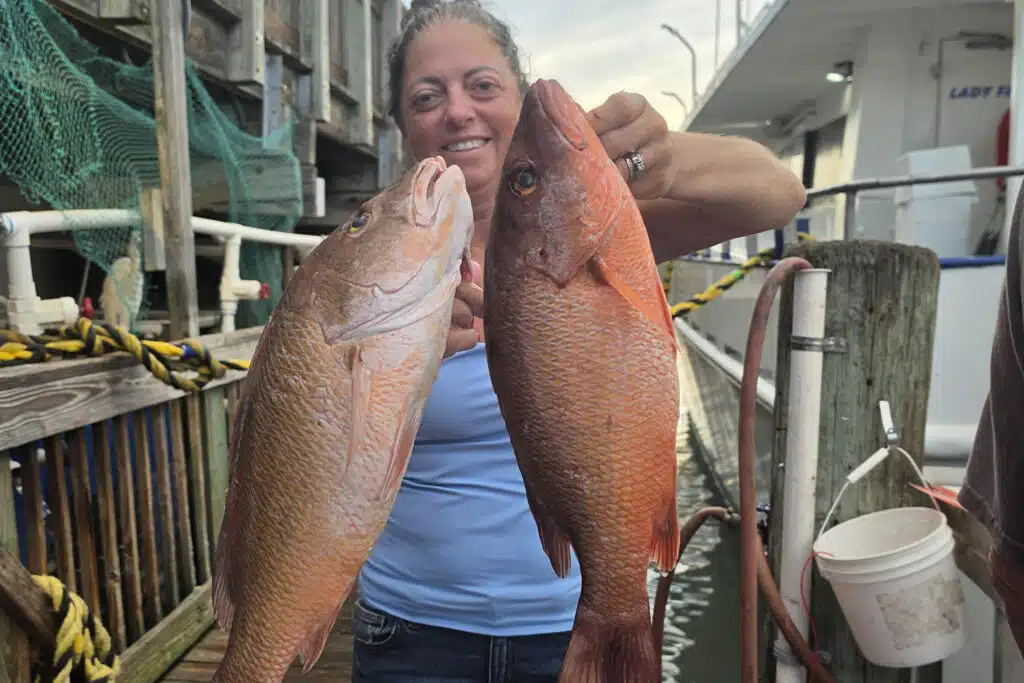
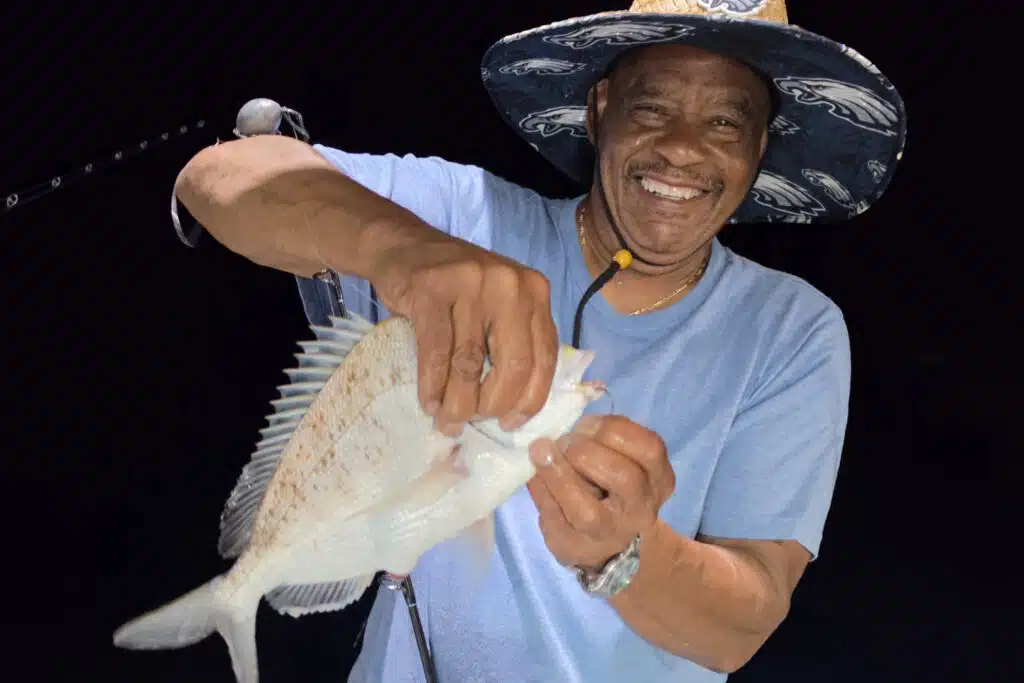
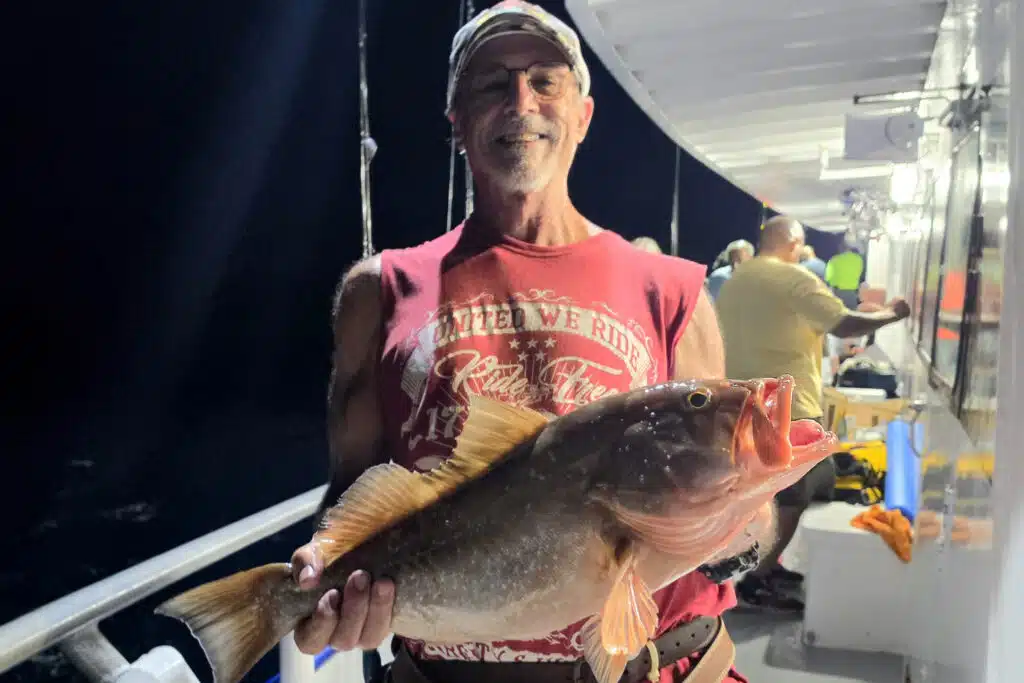
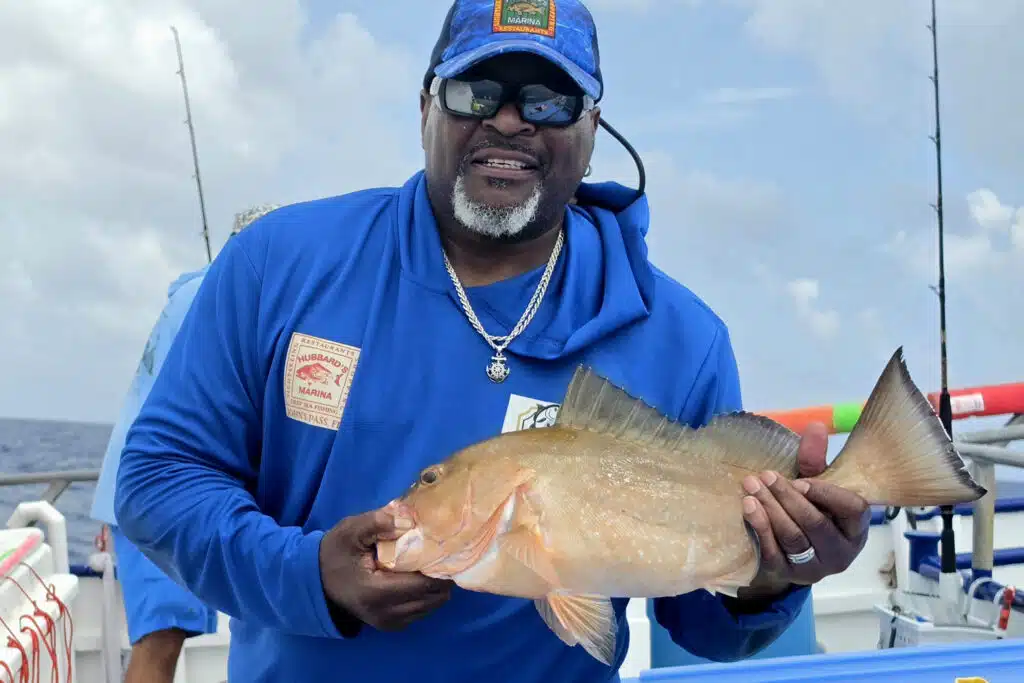
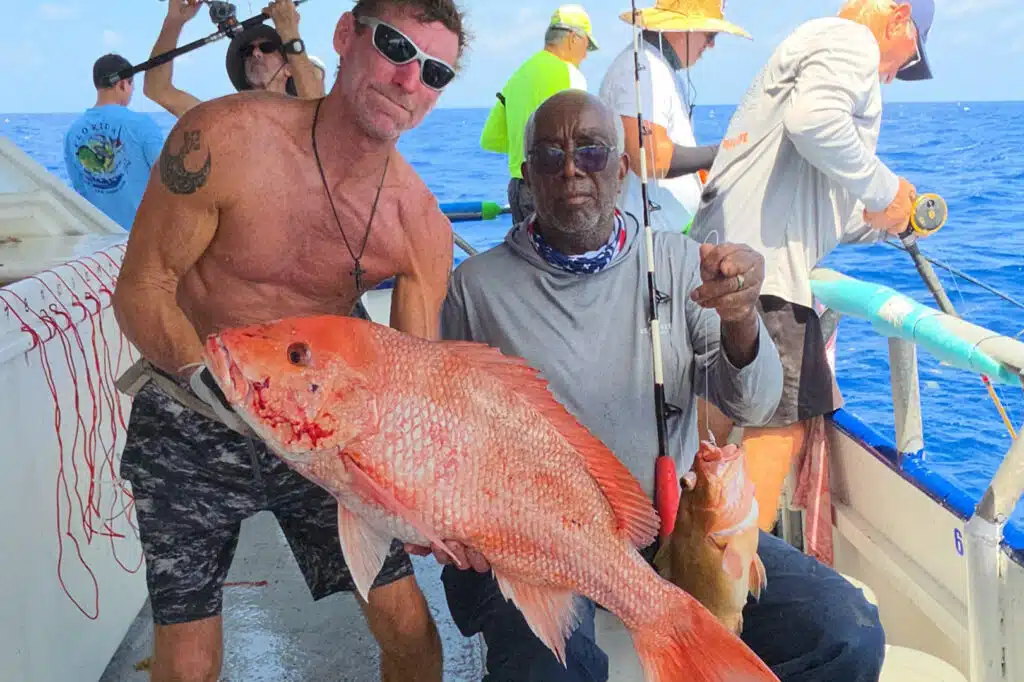
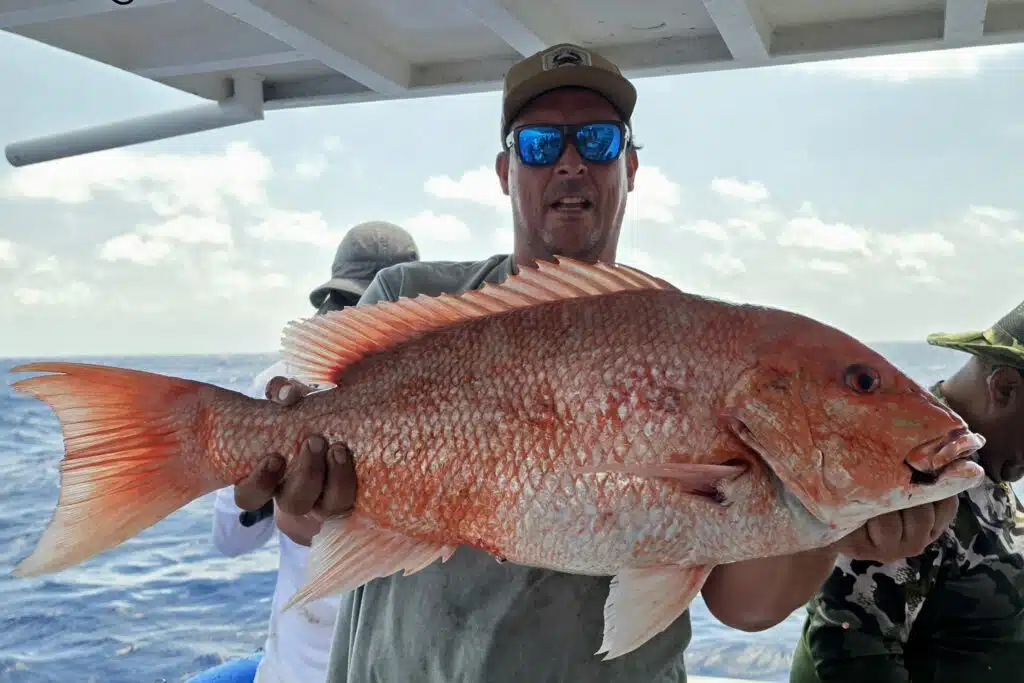
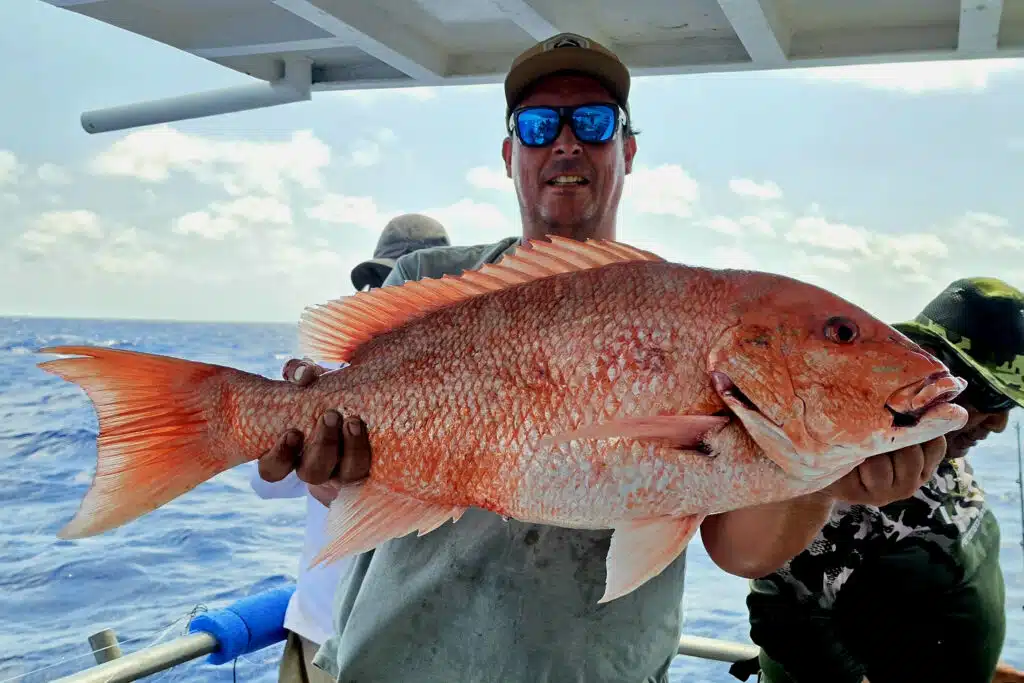
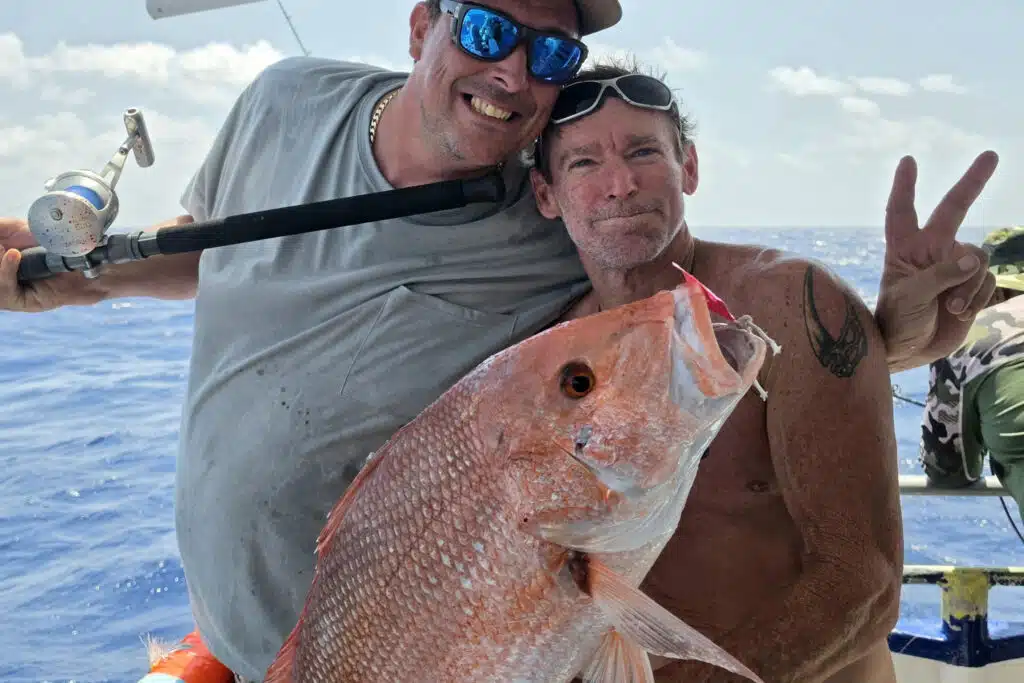
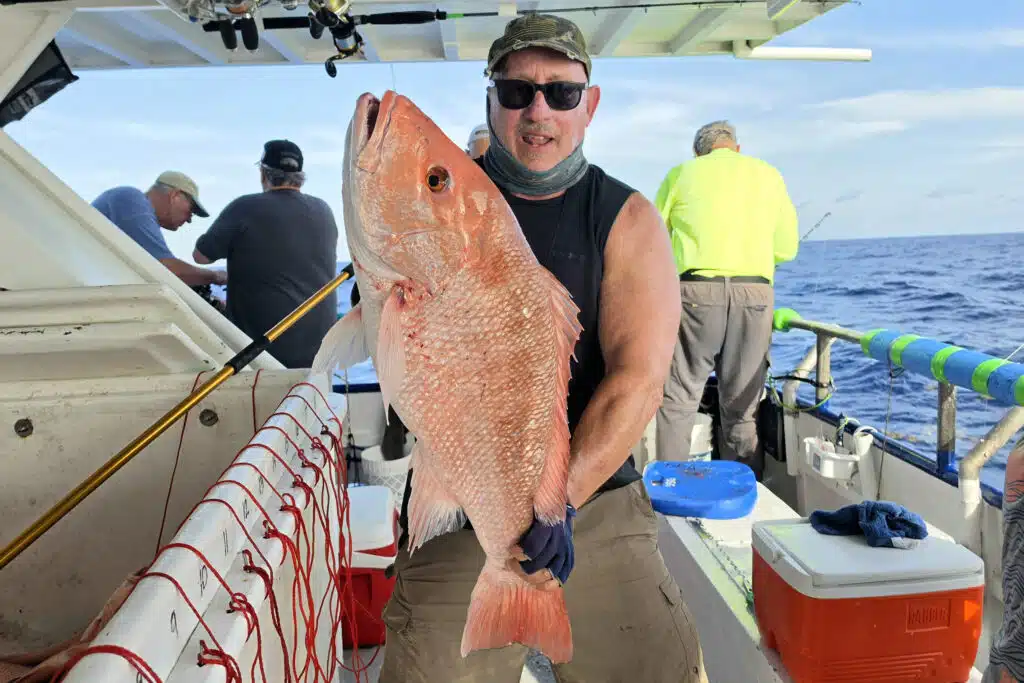
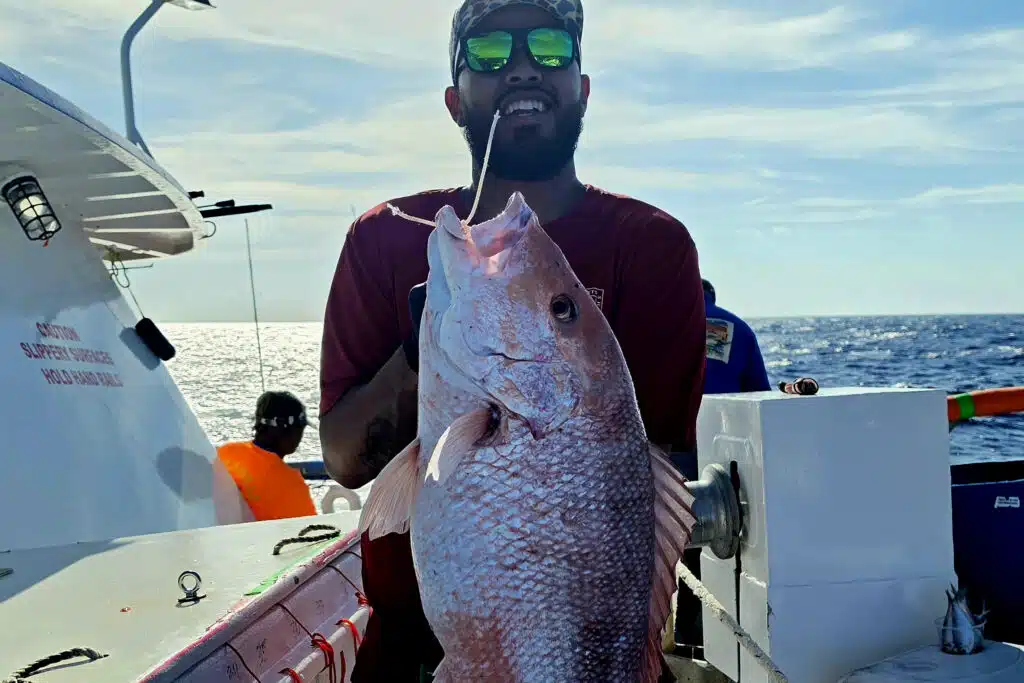
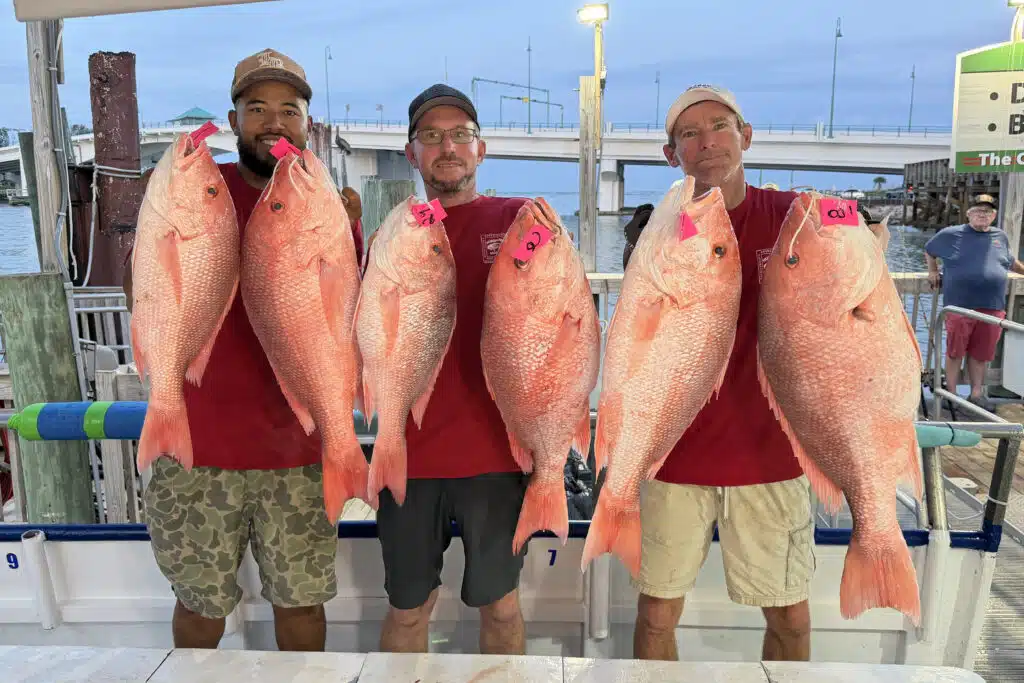
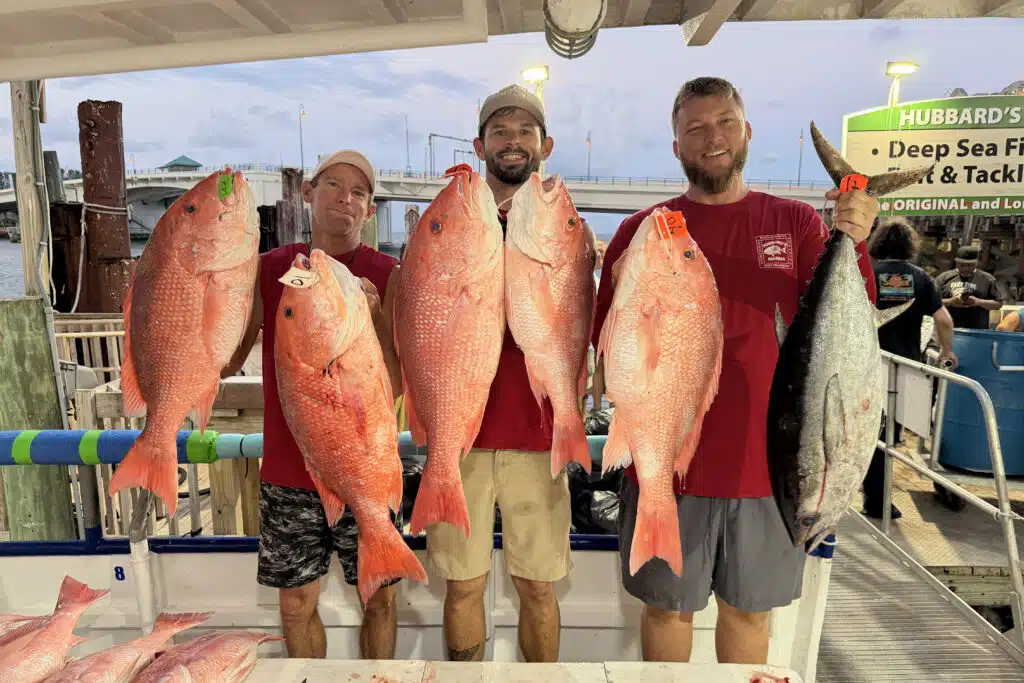
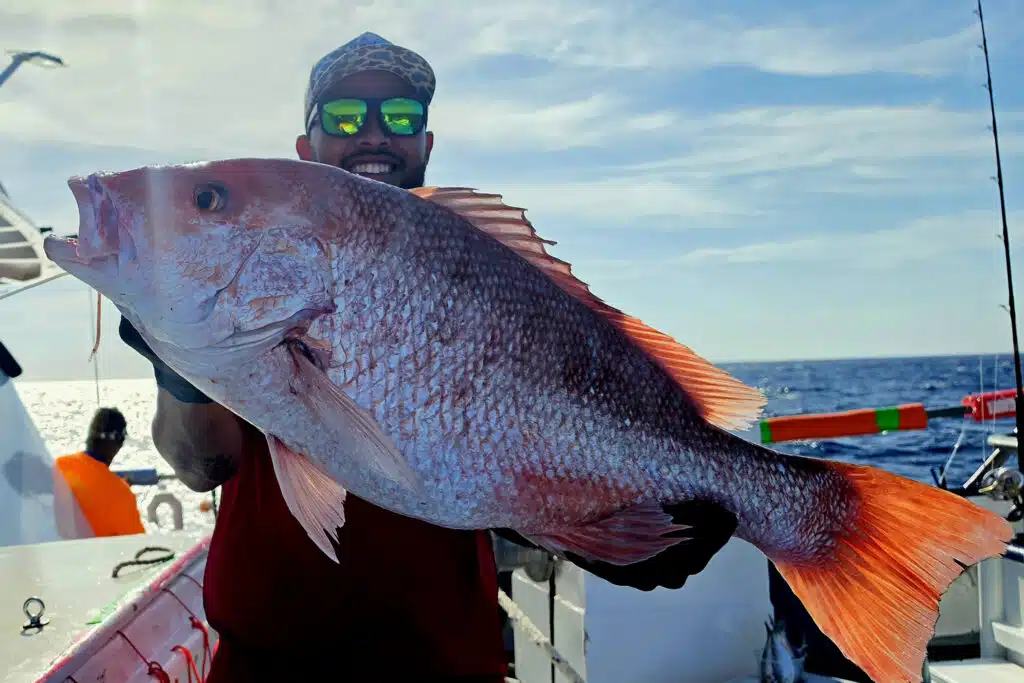
Offshore fishing is the big headline right now, and red snapper season is in full swing. That has our main focus on the longer range trips, and the fishing has been going very well. We are catching some big red snapper lately on our 12 hour extreme, 39 hour, and 44 hour trips. Those deeper water trips give us the range and time needed to target better concentrations of fish, especially as the season progresses and fishing pressure increases closer to shore.
Red snapper have been biting best for us in about 160 feet of water or deeper. We are catching some big dogs out there in that deeper water, and the key is using big baits for big fish. These larger red snapper are powerful, aggressive, and not afraid to eat a substantial meal. A 60 pound leader is generally a minimum, and many anglers targeting the larger fish are using 80 to 100 pound leader. Big hooks in the 8/0 to 10/0 range are common when fishing large baits. Large strips of bonita, whole squid, select dead baits, oily smelly baits, and larger live baits are all strong options.
The longer range trips shine for red snapper because they allow us to fish deeper structure, spread out from pressure, and spend time in areas holding better fish. The 12 hour extreme trips are a great option for anglers wanting a strong shot at quality red snapper in a single-day format, while the 39 hour and 44 hour trips give us even more time to fish multiple bite windows, night periods, and deeper areas. When the red snapper bite is on, it is one of the most exciting offshore fisheries we have.
Red grouper are also biting well, especially a little shallower than the best red snapper zone. We are seeing red grouper pretty good from about 100 to 160 feet of water. Red grouper love hard bottom, potholes, low ledges, cracks, and swiss cheese bottom. They are often not on the tallest structure. In fact, some of the best red grouper areas are subtle pieces with good bottom life and bait. Whole squid, octopus, bonita strips, large cut bait, threadfin chunks, and live pinfish are all productive.
If you are targeting red grouper, do not be afraid to fish big baits and move around. Sometimes one stretch of bottom produces mostly short fish, while a nearby stretch with slightly different bottom produces keepers. Red grouper fishing rewards anglers who cover ground, pay attention to the bottom machine, and stay patient. The bite can come in waves, especially when the current changes or bait starts moving.
Mangrove snapper are being caught throughout the offshore area, but they have been doing a little better in the shallower stuff, especially when we focus on them at night. On our long-range trips, a productive strategy has been focusing on mangroves during the nighttime periods in shallower zones and then bouncing deeper during the day to focus on red snapper. Mangrove snapper are smart, wary, and very presentation-sensitive. Cut threadfin on a double-snell rig remains one of the best setups for numbers.
For bigger mangroves, small live pinfish can be excellent. They often help get past smaller fish and tempt the larger mangroves into committing. Leader size matters. If the fish are chewing aggressively, you can get away with heavier leader. If the bite is slow or the water is clear, lighten up and use smaller bait pieces. The goal is to make the bait drift naturally in the current. Mangroves can be very tide dependent, so pay attention to when they start biting and be ready to capitalize quickly.
Yellowtail snapper action has been good in the deeper water too. They often prefer smaller bait and lighter tackle. Small strips of squid, little chunks of threadfin, and a controlled chum line can get them going. Around lighter quarter moon current, presentation becomes even more important. If the fish are there but picky, downsize tackle and let the bait move naturally.
We are also seeing a few mutton snapper, which are always a great bonus. Muttons often come on lively baits fished naturally on the bottom around good structure, sand edges, ledges, and areas with bait movement. They are not always a numbers fish for us, but they are a prized catch and add excitement to the box.
We have plenty of heads and tails species in the mix offshore as well, including vermillion snapper, porgies, almacos, and other hard-fighting, great-eating species. These fish keep rods bent and help round out the catch. Vermillion snapper often respond well to squid, small threadfin chunks, and chicken rigs in deeper water. Porgies will eat a variety of cut baits. Almaco jacks often show up around higher relief structure and can be caught on bait or jigs. These species are a big part of what makes our offshore trips so enjoyable because there is always something biting.
Pelagic action has been pretty consistent for us offshore. We are seeing a few nice blackfin tuna, a couple of wahoo, and there is always an opportunity for kingfish. This is also the time of year when we start to see chicken dolphin, or smaller mahi, show up as well. That means keeping eyes peeled, pitch rods ready, and doing some trolling between spots is always a great idea. Offshore fishing is not just about dropping to the bottom. The water column is alive right now, and the prepared angler is often the one who gets rewarded.
Blackfin tuna can pop up quickly around bait, birds, current edges, and while trolling between spots. Small feathers, trolling plugs, cedar plugs, jigs, and live baits can all work. Wahoo are always a possibility around the right water, especially near temperature breaks, color changes, and bait concentrations. Kingfish can show around structure and bait schools. Chicken dolphin may show up around floating debris, weed lines, current edges, or just randomly while running offshore. Having a pitch rod rigged and ready with a small jig, bucktail, or bait can make the difference between watching them swim by and putting fish in the box.
Overall, offshore fishing is in an excellent summer groove. Red snapper are the main event on the long-range trips, red grouper are strong in that 100 to 160 foot range, mangroves are steady with some better nighttime action, yellowtail and muttons are adding quality, and the pelagics are keeping things exciting between stops. This is a great time to get offshore with us out of Johns Pass and enjoy the variety that makes our central west Florida deep sea fishing so special.
Don’t forget, that we have some great videos on our fishing tips and tricks page here to show you how to target and rig for almost any species-> https://www.hubbardsmarina.com/fishing-tips/
Remember that when fishing in deeper nearshore and offshore federal waters, the Descend Act requires you to have a descending device or venting tool “rigged and ready.” If you know how to use a venting tool, keep it prepared. If not, here’s some helpful advice: https://bit.ly/3L5HTnv. Using a descending device is straightforward and doesn’t require as much precision or practice as venting. Return em’ Right has a training course only takes about 10-15 minutes, and you can learn valuable techniques to protect our offshore fishery. Spread the word by visiting: https://returnemright.org/.
TERMS OF REFERENCE-
Inshore: This covers the areas from the inner bays, through the bridges, and right up to the beaches.
Near Shore: This includes the coastal waters from the beaches up to twenty miles offshore, or up to a depth of 100 feet.
Offshore: This extends from twenty miles offshore or from a depth of 100 feet and beyond.
For more fishing reports, photos, videos, and other content, check out Hubbard’s Marina on Facebook, Instagram, YouTube, TikTok, Twitter, Pinterest, or Snapchat by searching for @HubbardsMarina. Remember our family motto: “If you’re too busy to go fishing, you’re just too busy!” Thank you for reading our report.
Capt. Dylan Hubbard, Hubbard’s Marina
Phone or text: (727) 393-1947
Website: Hubbard’s Marina
If you’re not seeing the latest article, try clearing your browser cache.
You can search “how to clear browser cache” on Google for quick steps.