HM Fishing Report 6-30-23

Inshore Fishing Report
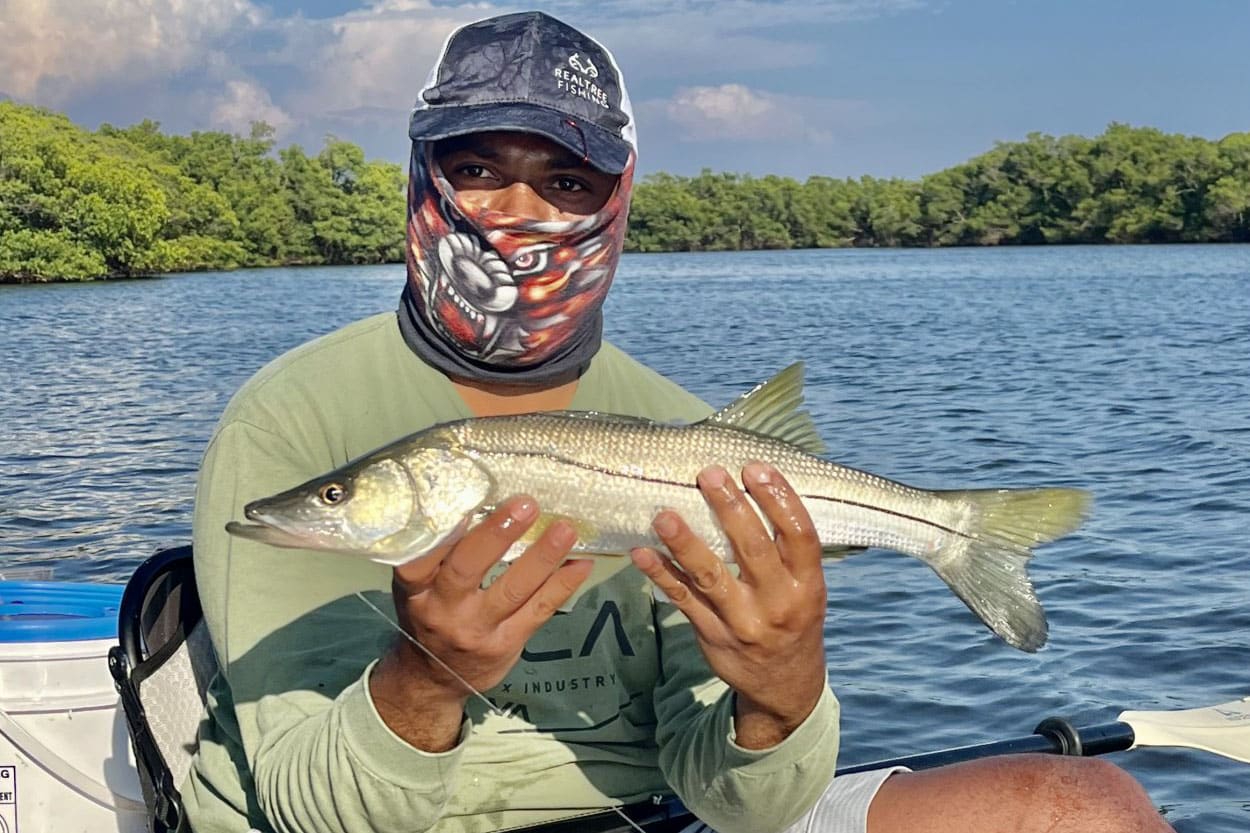
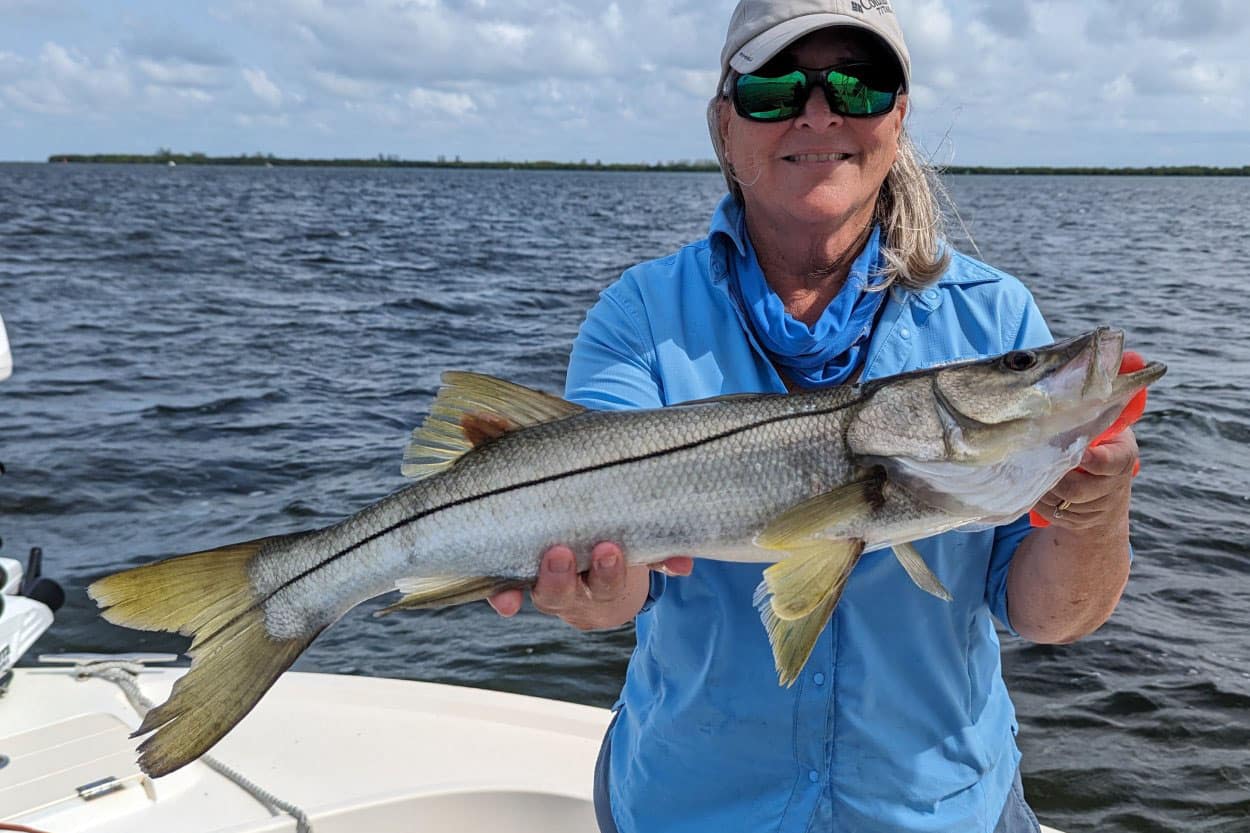
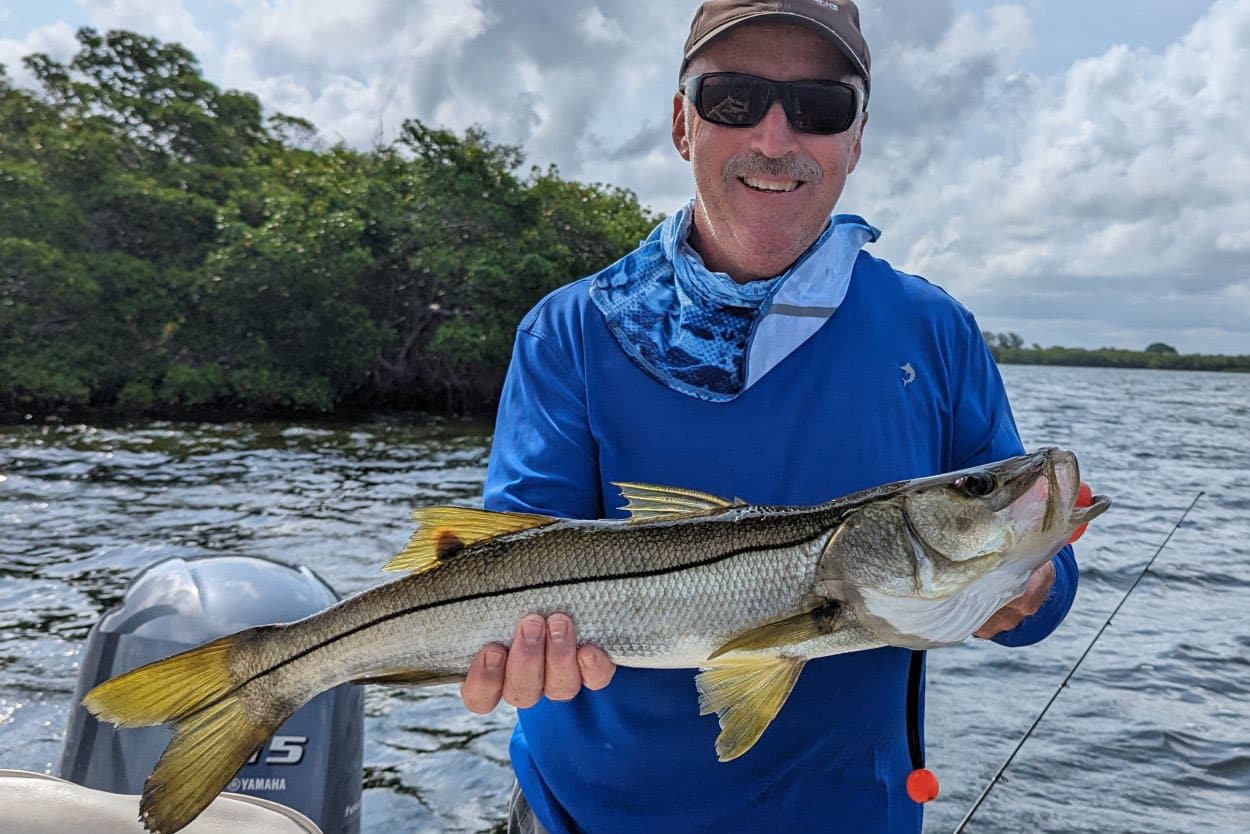
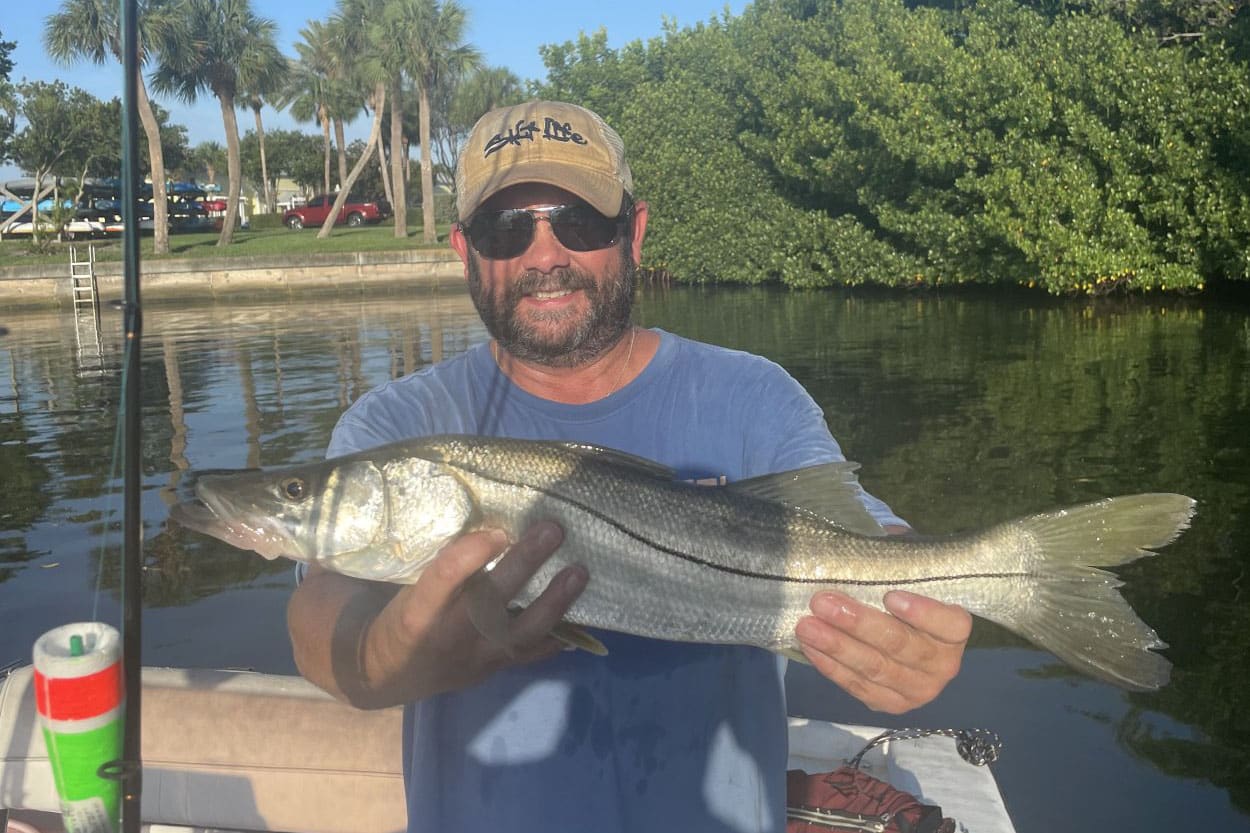
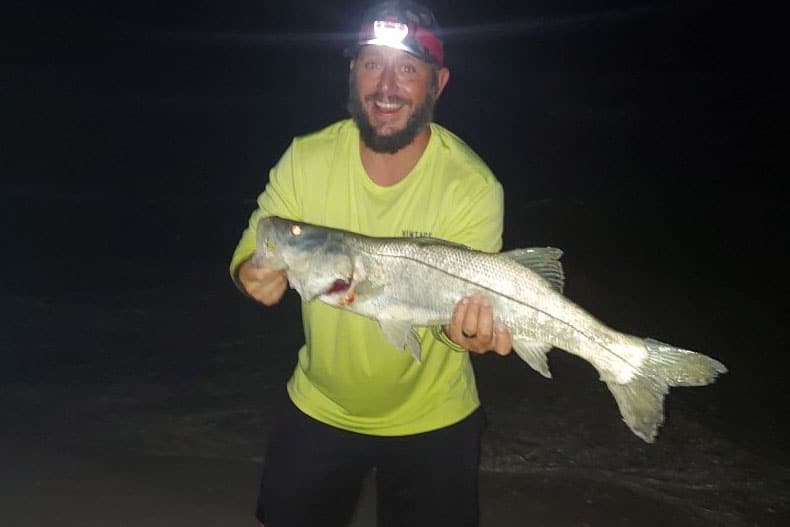
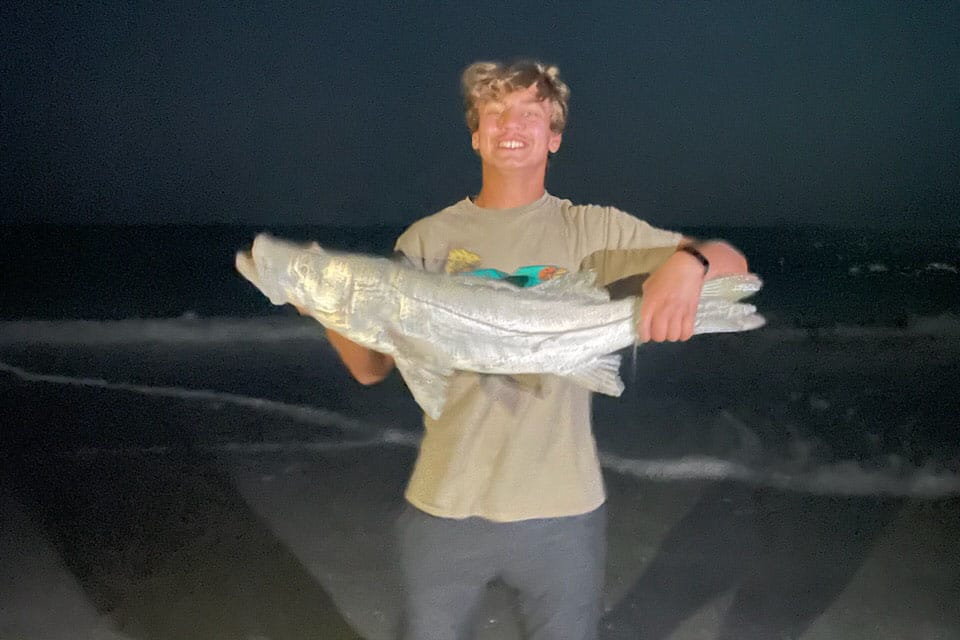
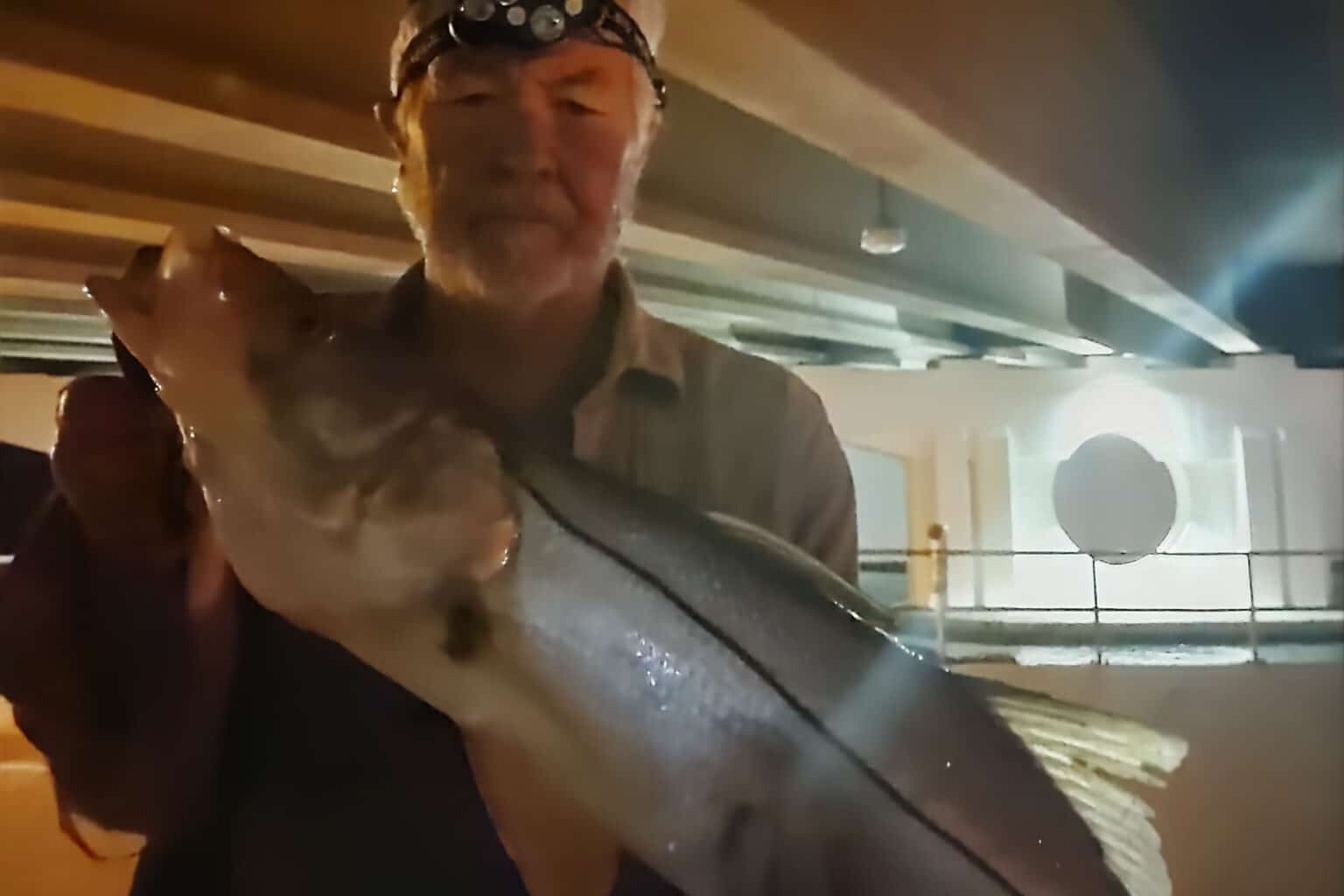
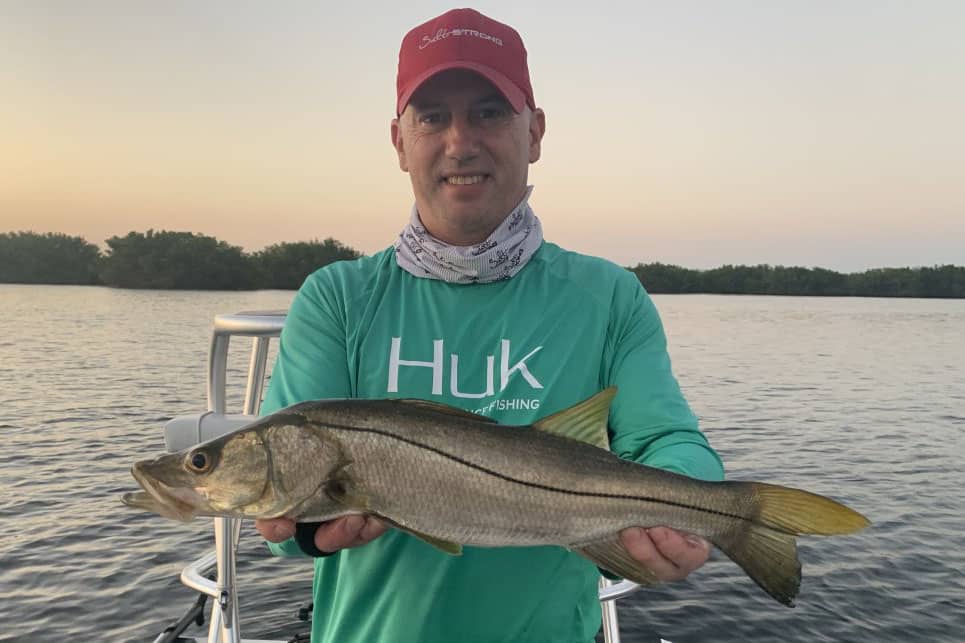
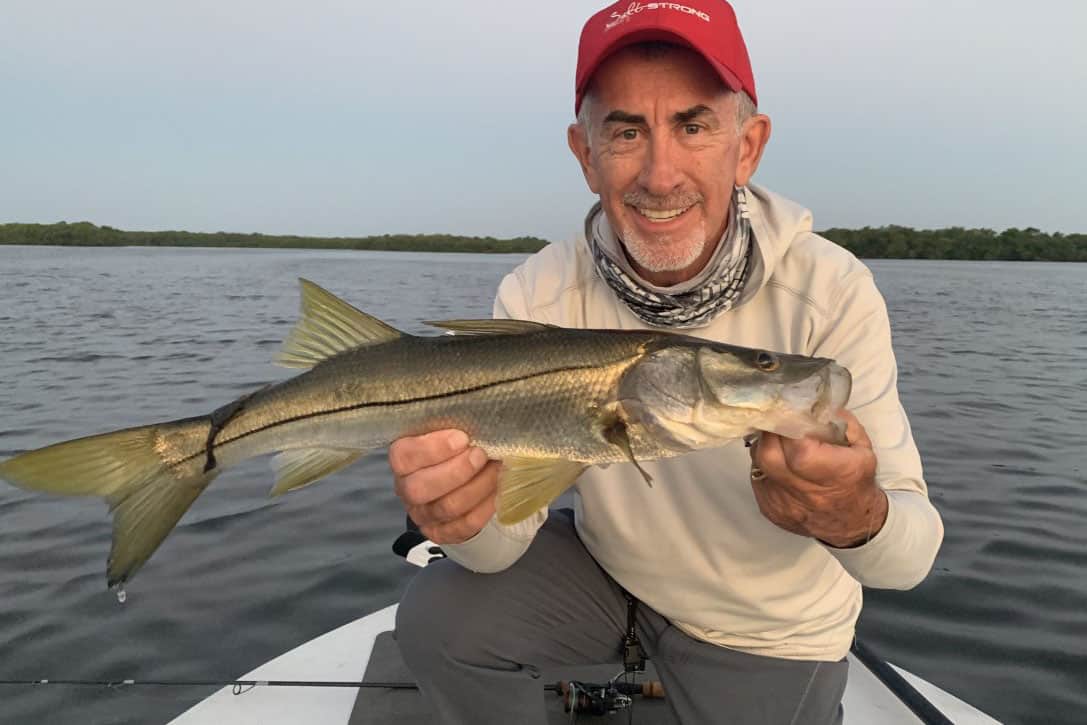
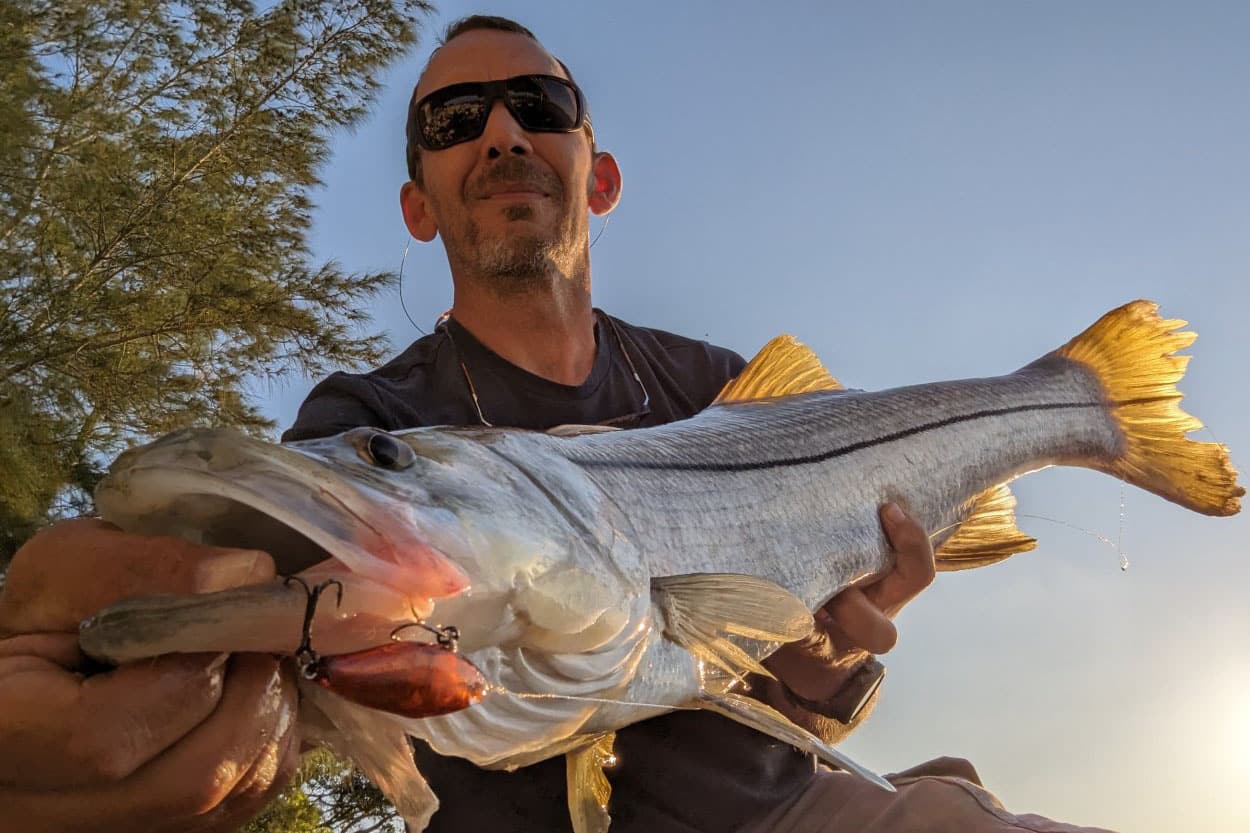
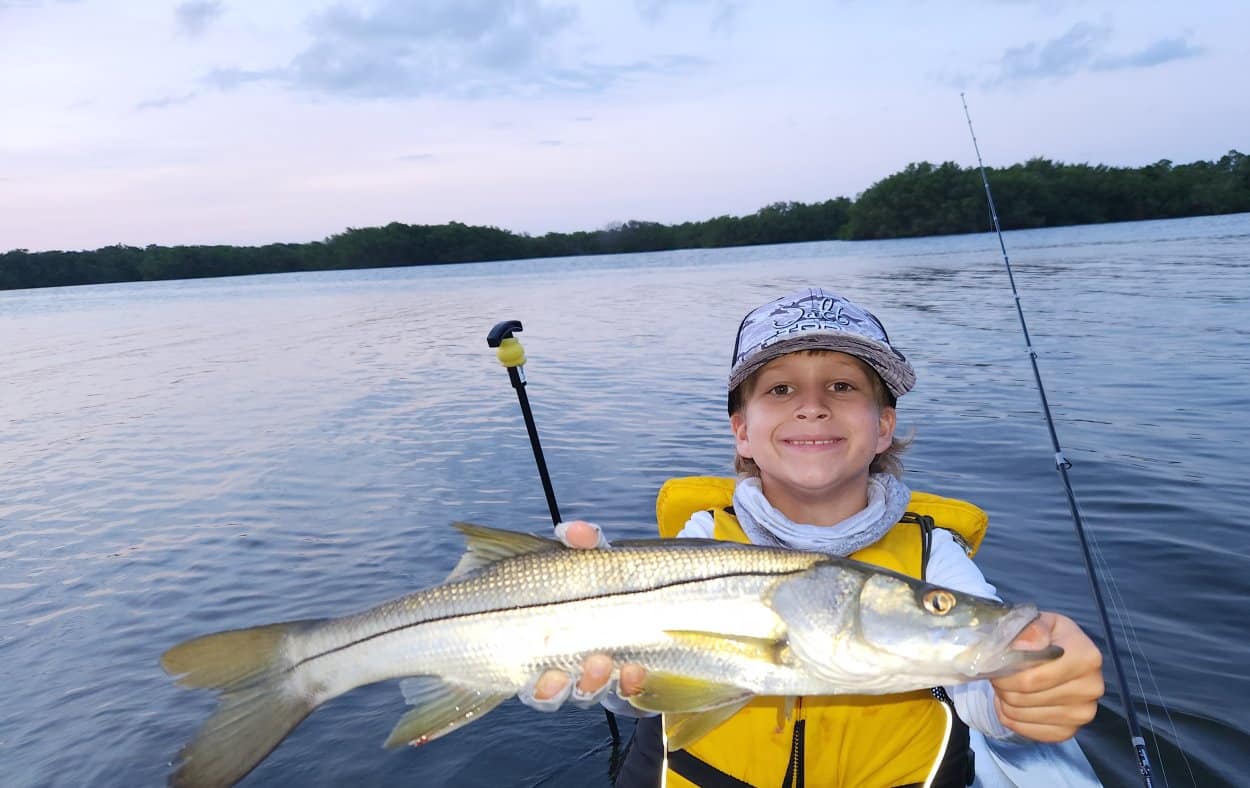
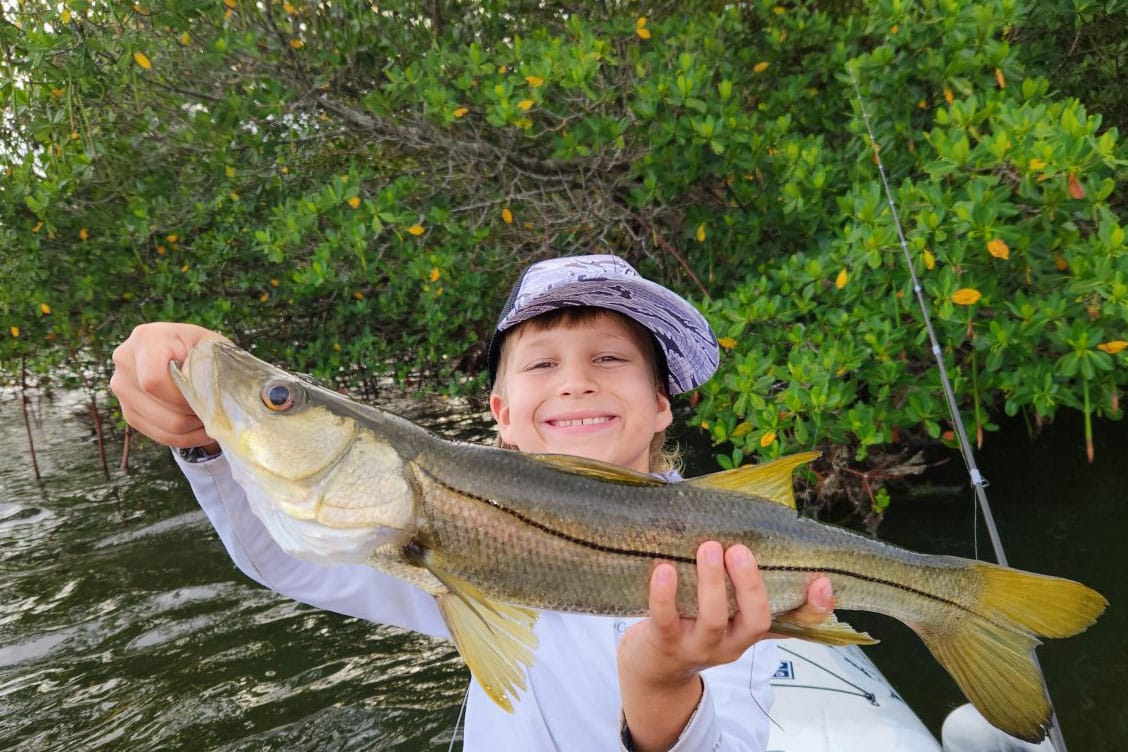
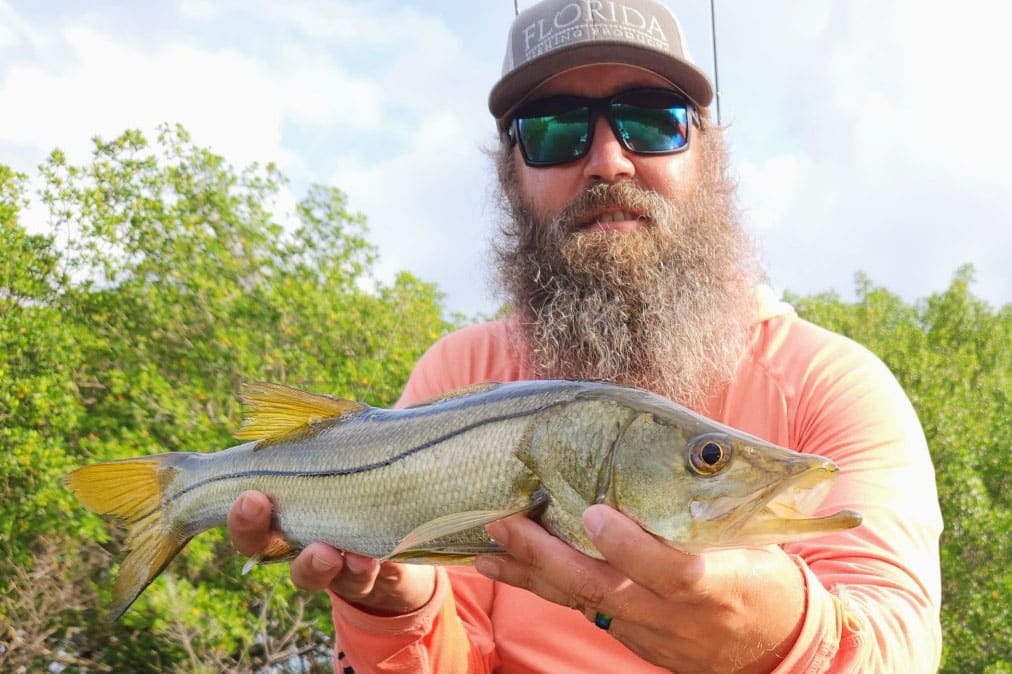
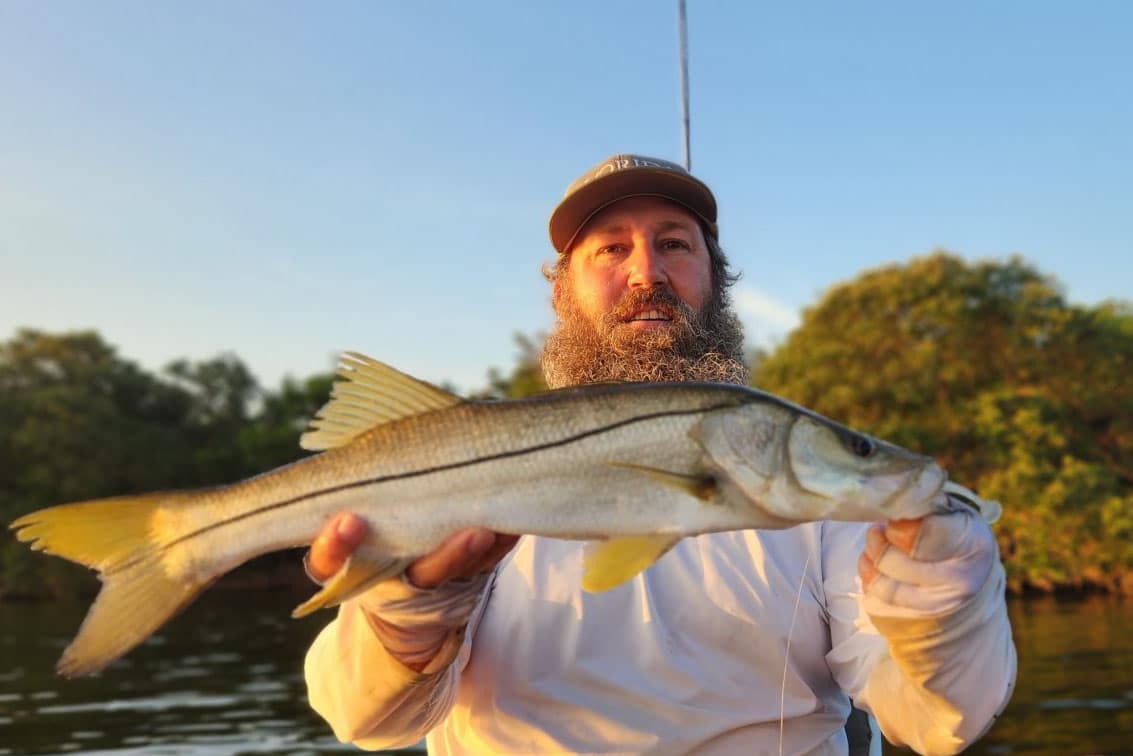
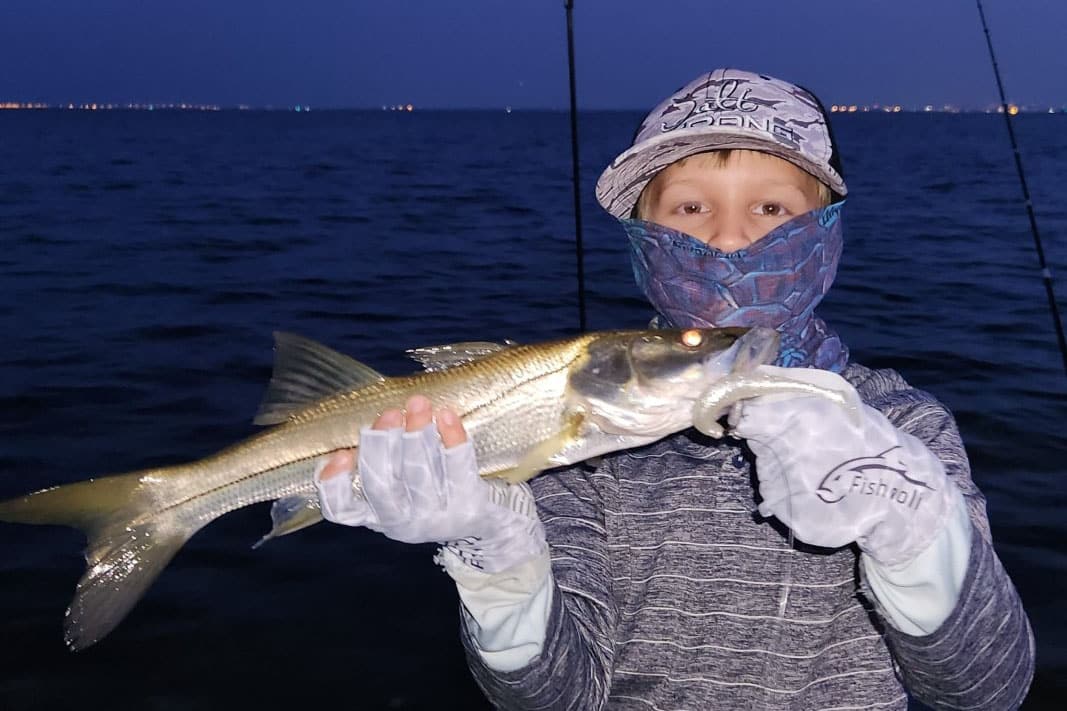
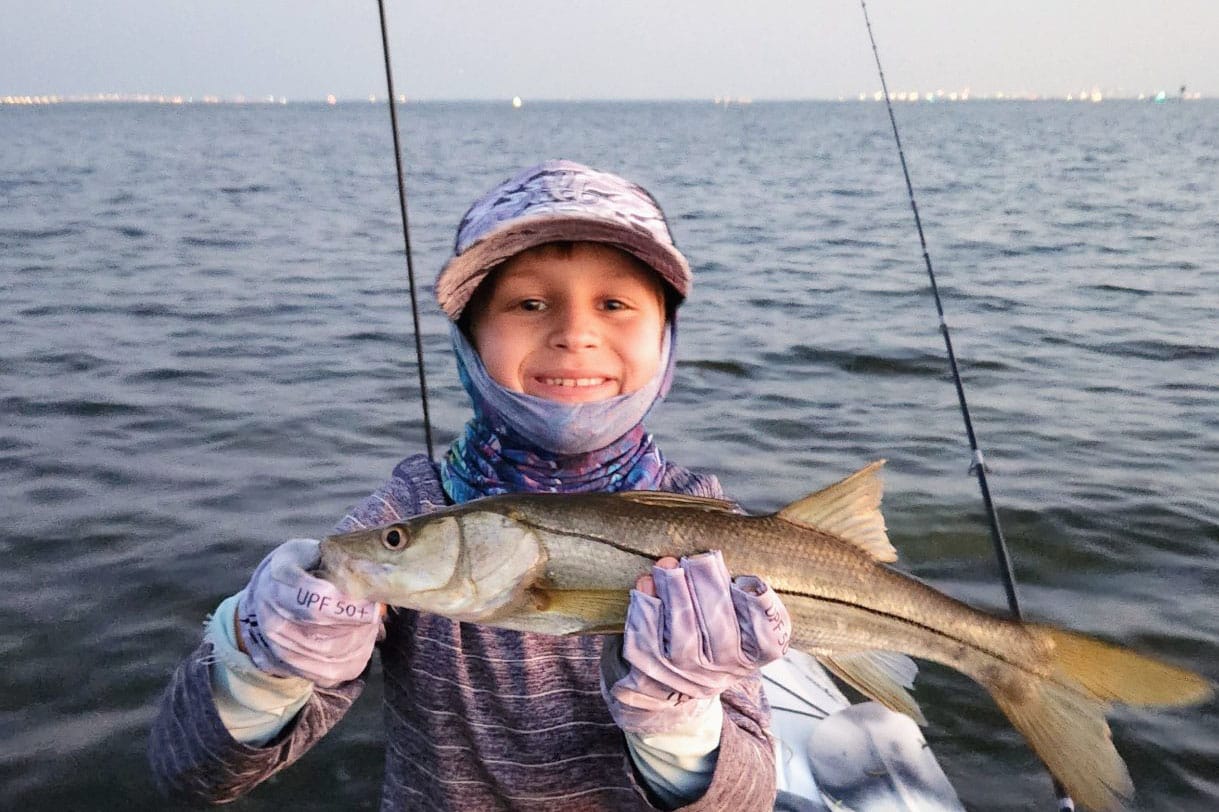
Snook action is going well around our area right now. We are seeing a lot of active snook passing by on the beaches. Additionally, the back areas have plenty of actively feeding snook, especially with live shrimp and white bait. At night, we are observing a high number of snook around bridge lights and dock lights. During the day last week, we saw a lot of snook out on the beaches due to the strong Westwind, murky waters, and added grass along the beach. It resulted in less snook action and made it difficult to catch fish on our beautiful beaches. However, this week, with calmer and clearer conditions, we are witnessing a resurgence of snook fishing on the beach, making it a great option. Generally, when fishing on the beach, most people use live shrimp or pinfish as bait. Alternatively, you can also use soft plastic paddle tails, swim baits, or even jerk baits. But the most common choice is a soft plastic bottle tail if you are not using live bait. The trick is to get ahead of the snook and position your bait to appear naturally ahead of their movement. If you try to cast directly at the fish, you may often spook them. They travel along the trough parallel to the beach while cruising for shrimp, baitfish, and other prey items.
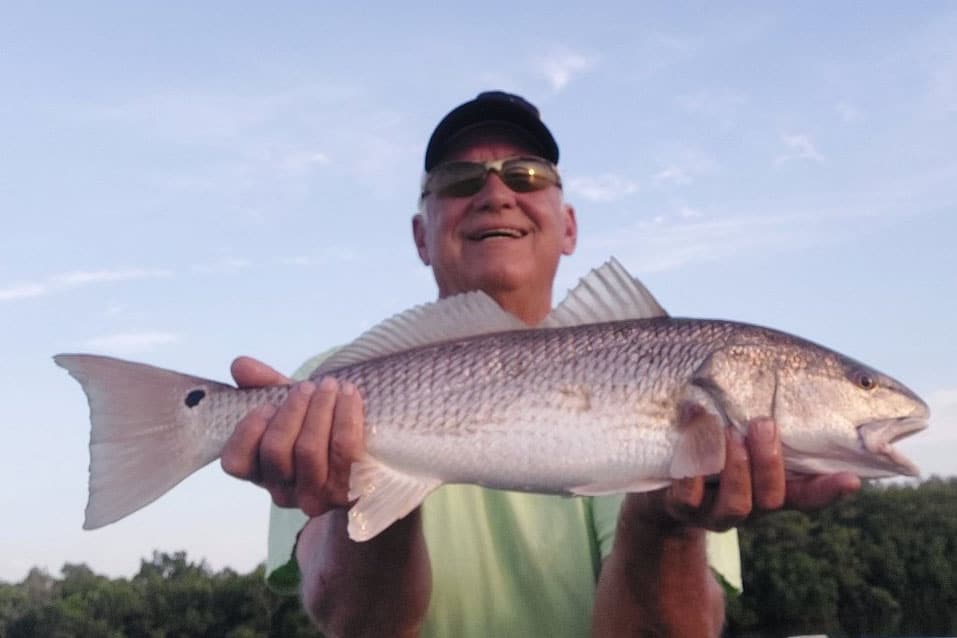
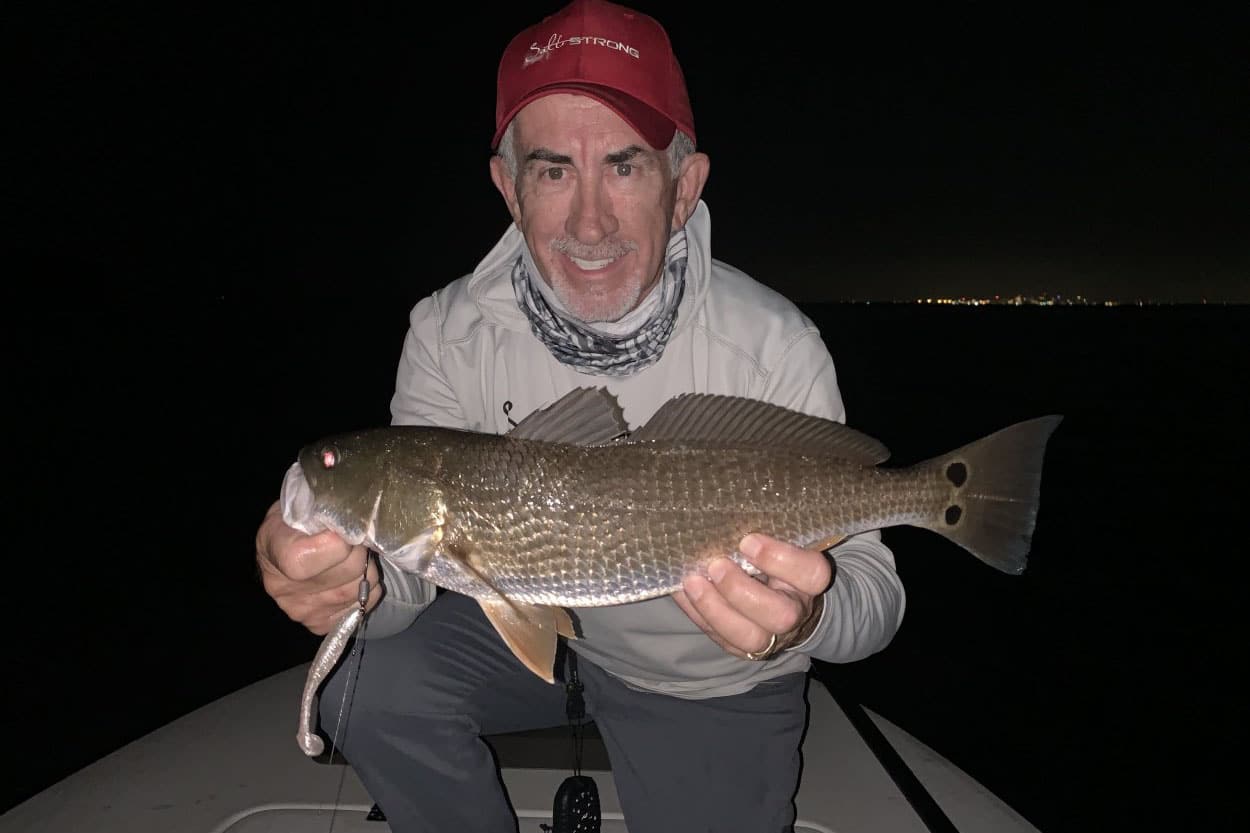
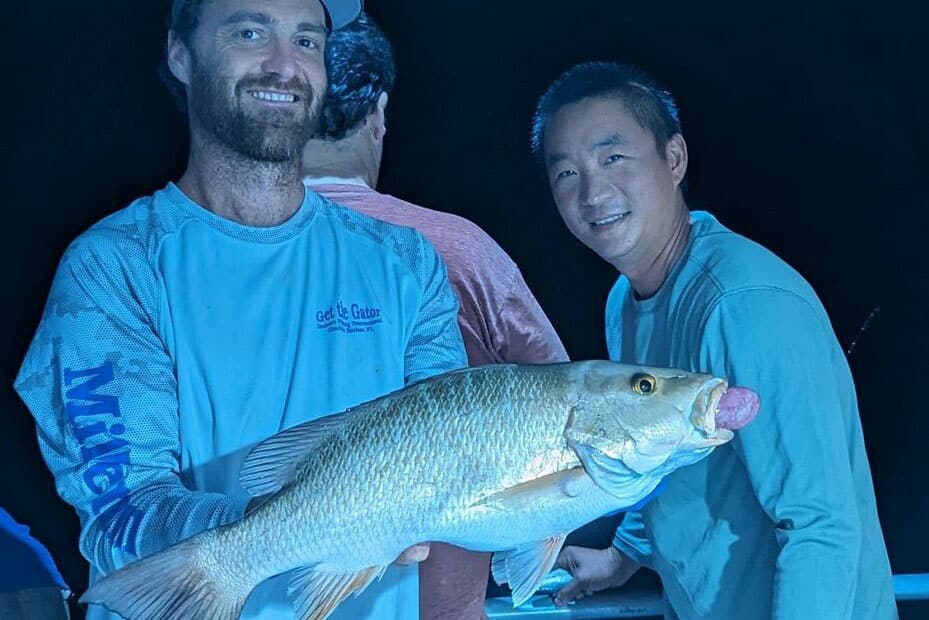
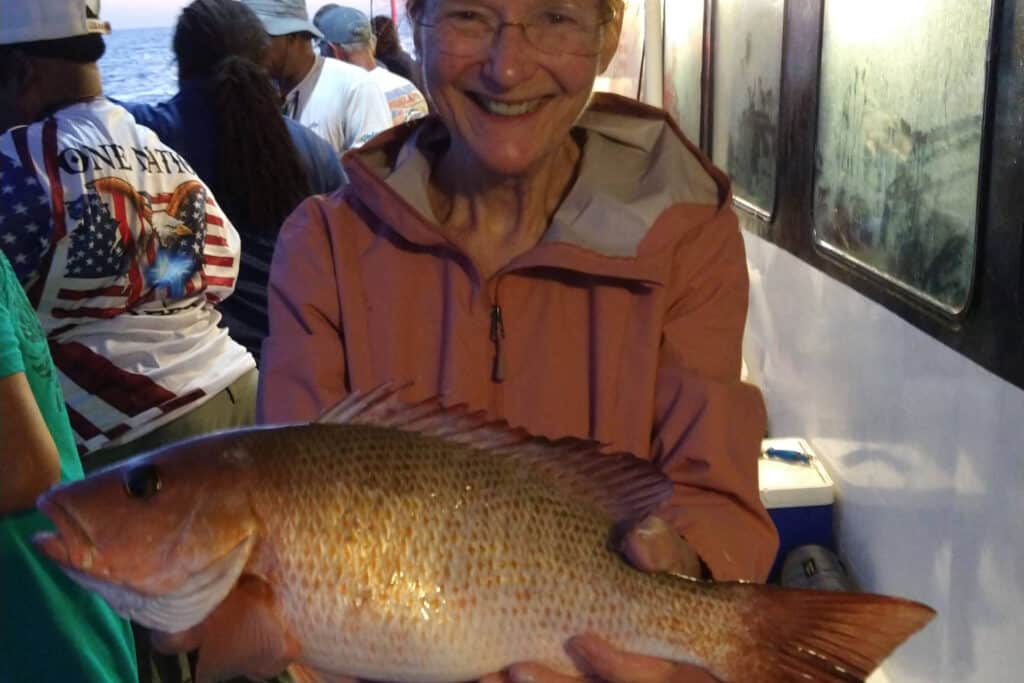
Mangrove snapper fishing has been really good for sure. Right now, we’re seeing a lot of mangrove snapper around docks, piers, bridges, and jetties. Virtually any structure is holding lots of mangrove snapper. Mangrove snapper fishing is generally pretty good throughout the summertime in our inshore waters. Typically, we target mangrove snapper using lighter tackle and small pieces of shrimp or even cut white bait. Mangrove snapper are super aggressive and can be easily targeted quickly. They make a fun target species for anglers of any level of experience, especially with a little bit of chum. By using chum, you can attract a good number of aggressive and concentrated mangrove snapper.
Pompano action has been tough on our beaches and around the passes, but the calming and clearing water conditions should help to resurge the pompano action along our beaches, passes, sandy cuts, and adjacent to grass whites. We should see some good pompano action start to return as the water calms down and clears up more and more. Pompano love live shrimp with light tackle and a light weight on or just above the bottom in sandy patches and sandy areas. Pompano are quick-moving species that generally won’t stay in one area for too long. One day, you’ll find them in one pass, and the next day they’ll be in a totally different area. So it takes a little bit of patience, practice, and adaptability to stay on top of their movements.
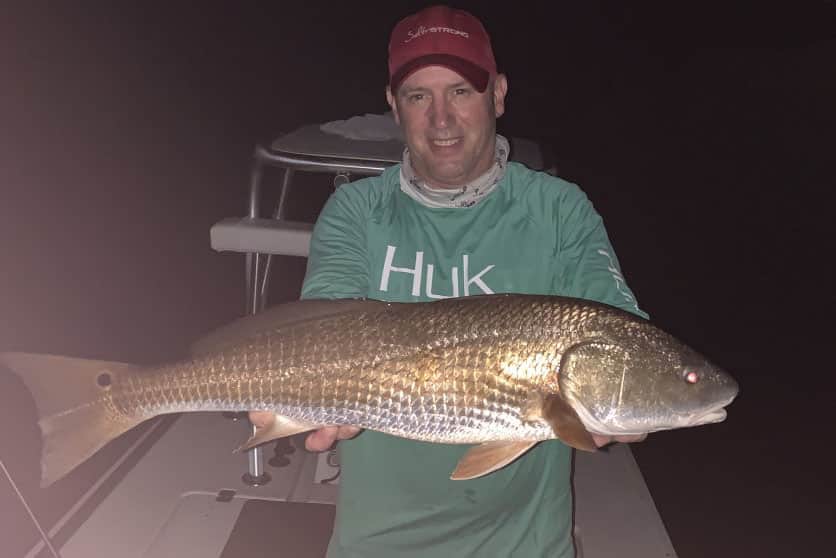
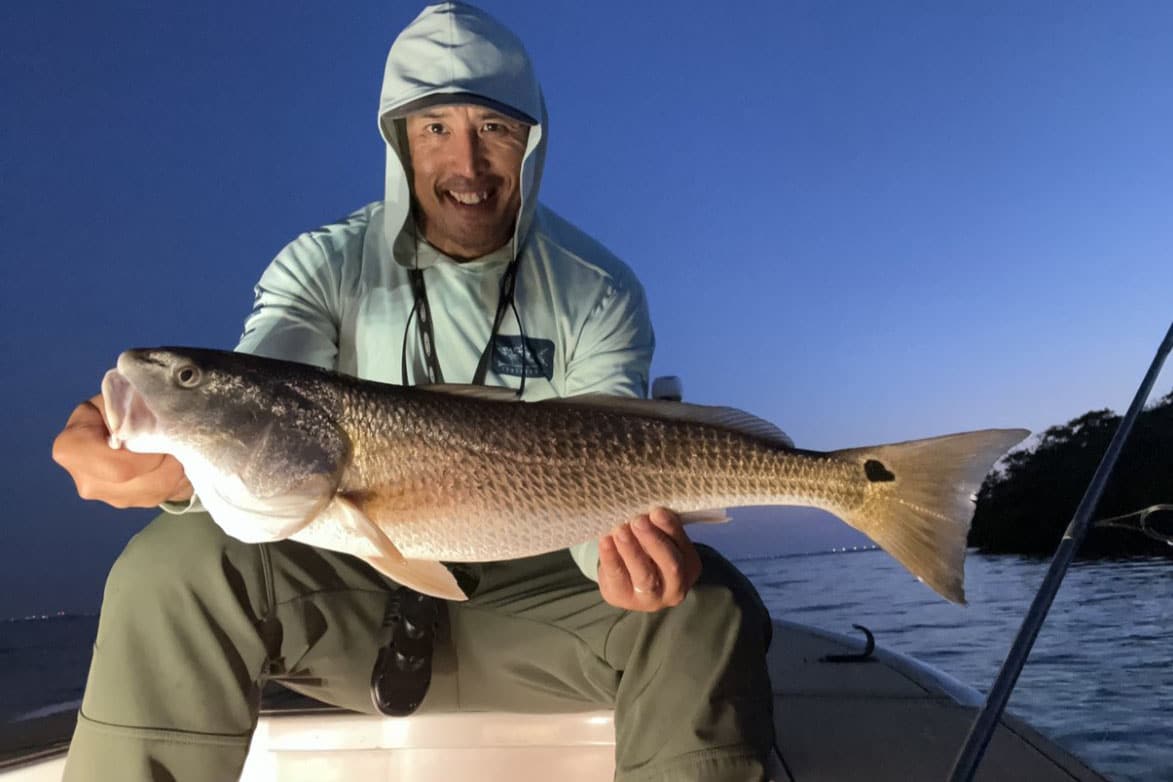
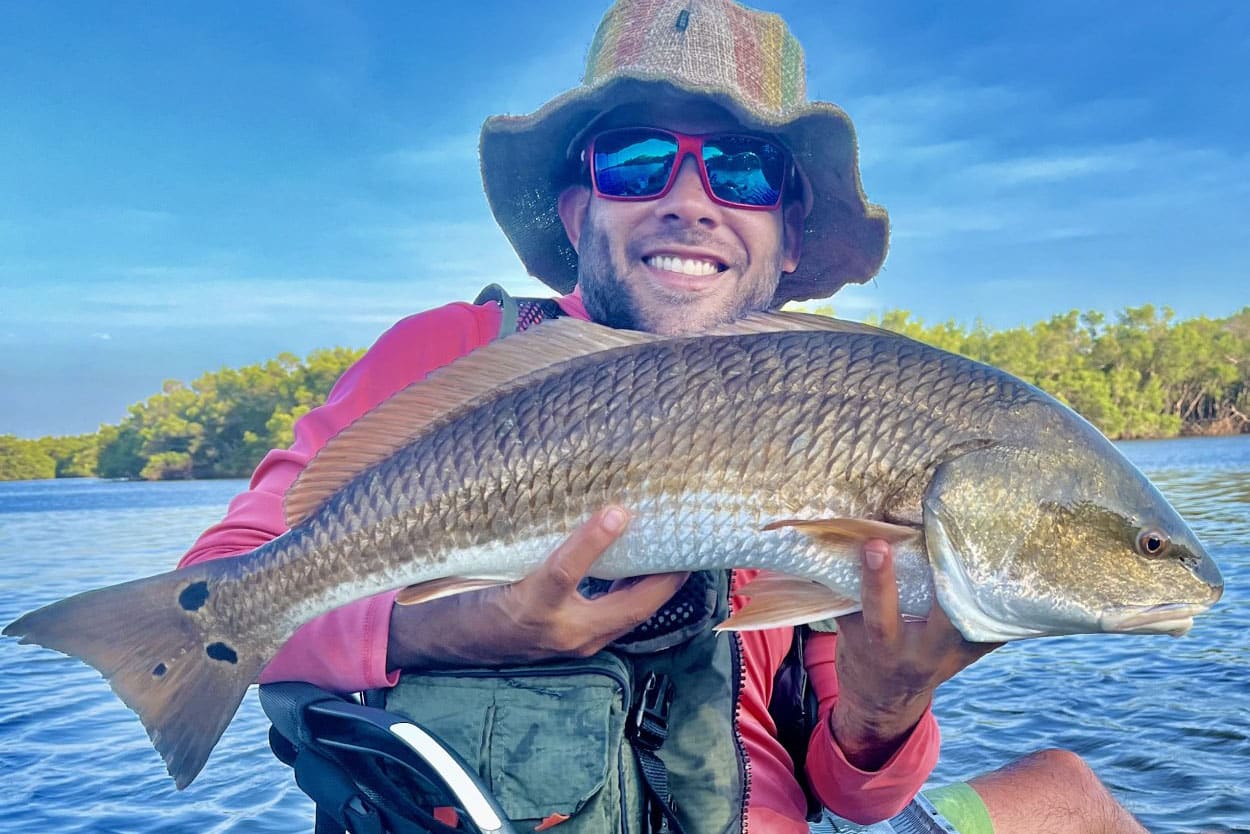
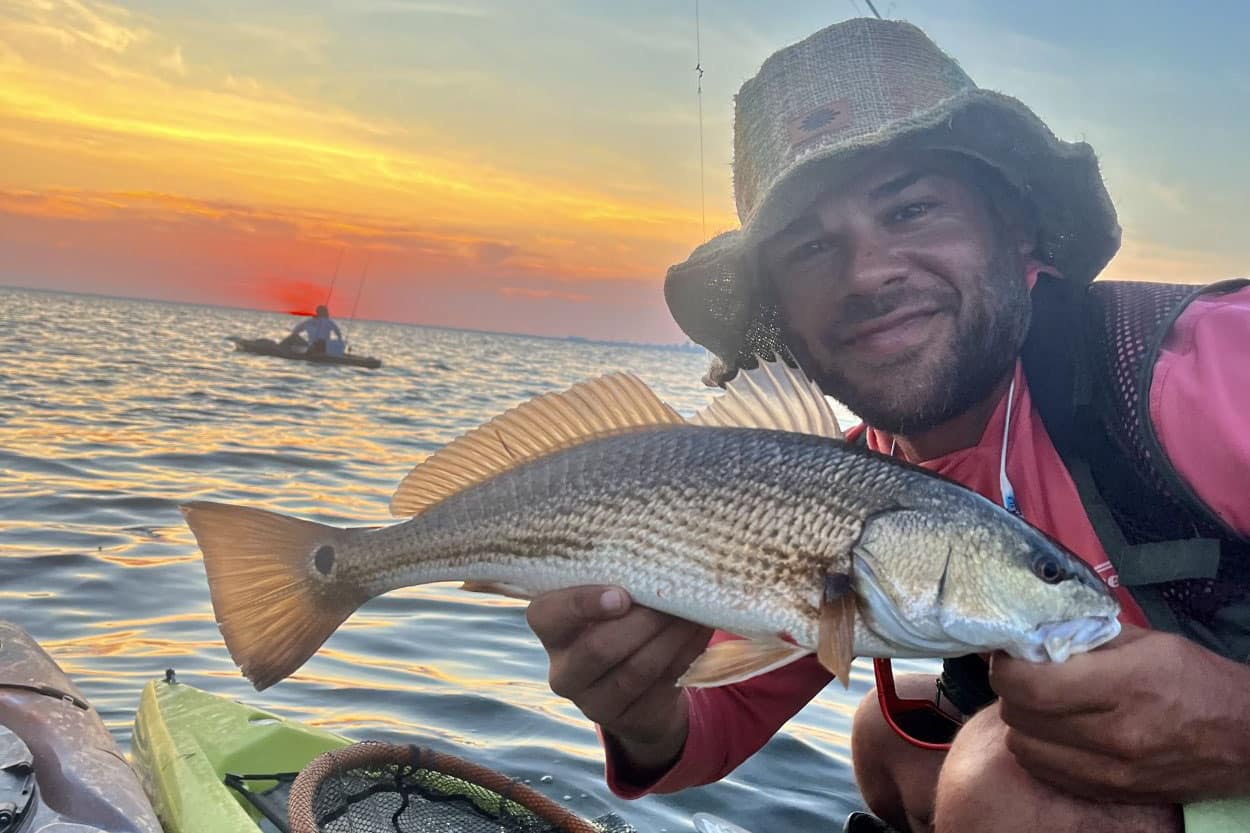
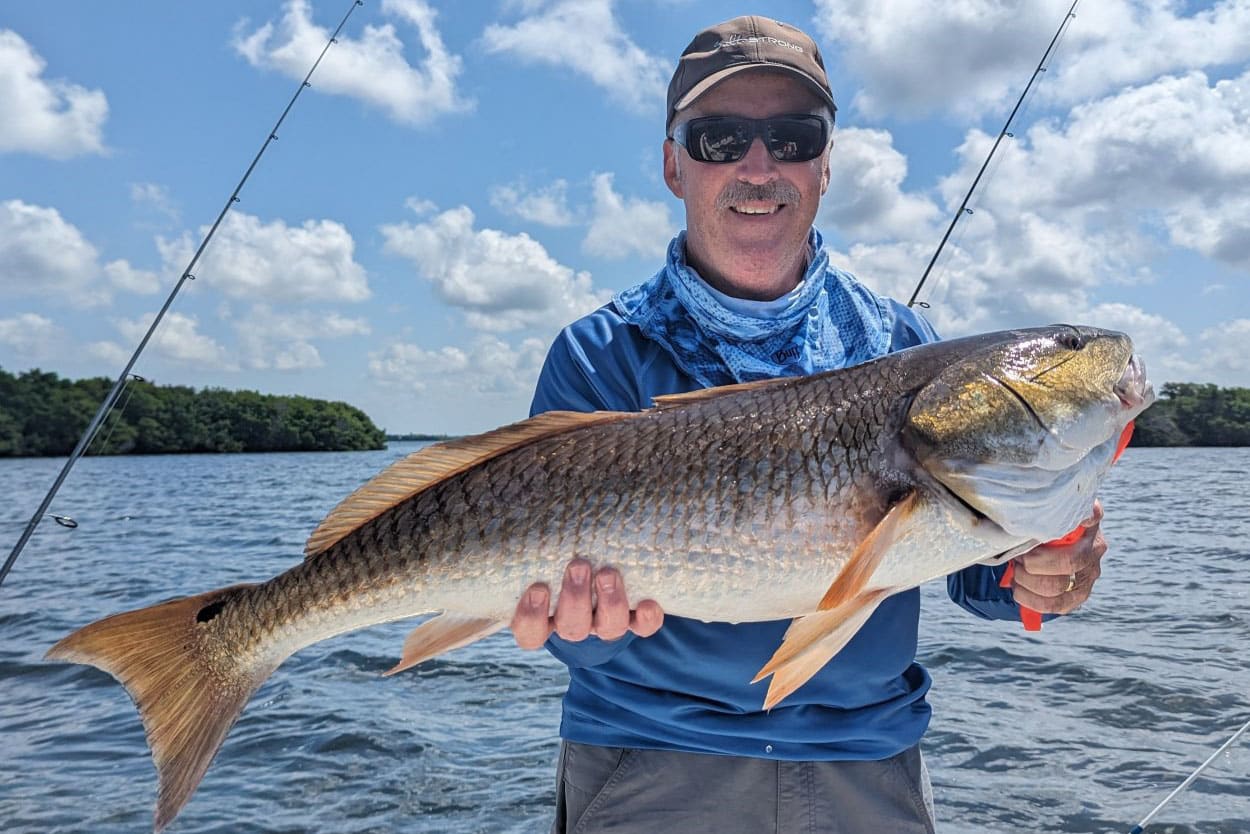
Redfish action is going well in the back protected waters. We haven’t seen a ton around John’s Pass, but every now and then, we see a few along the dock lines, a couple out on the beach, and maybe even one or two near the jetty. Most of the redfish action is happening in the back protected waters, such as upper Boca Ciega Bay and around the mouth of the Pines Bayou. We see a lot of redfish tucked up underneath the mangroves, hiding under those dark shadows, trying to find some reprieve from the heat. Cut dead bait works really well for redfish this time of year as they are more lazy and lethargic, looking for an easy meal.
Shark action has been super prolific around the area. We’re seeing sharks from the back protected waters all the way through to the offshore waters. In the back bay area and upper bay areas, we see a lot of blacktip and bonnethead sharks. On the beaches and around the passes, we observe larger species. The nearshore artificial reefs are filled with shark action, and we see plenty of sharks in the offshore waters as well. Generally, in the warmer months, we have a higher quantity of sharks, while in the cooler months, we have larger quality specimens.
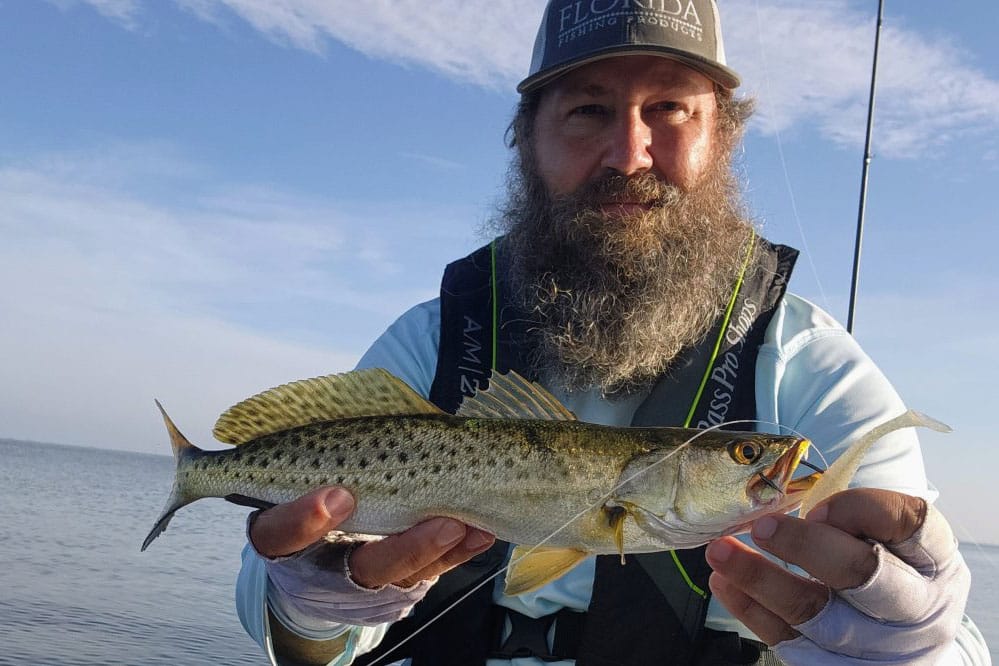
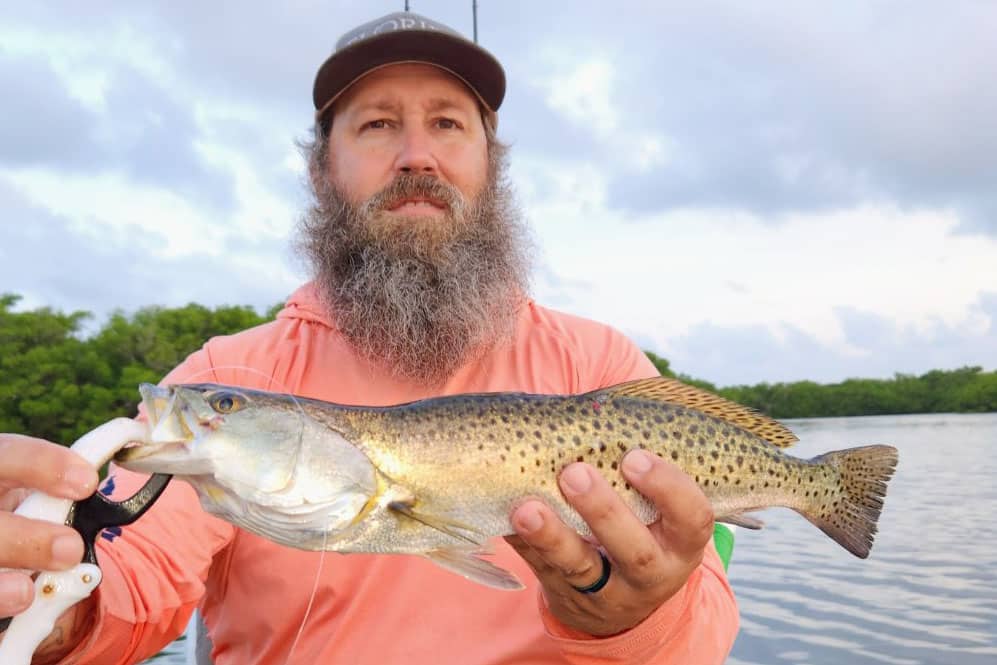
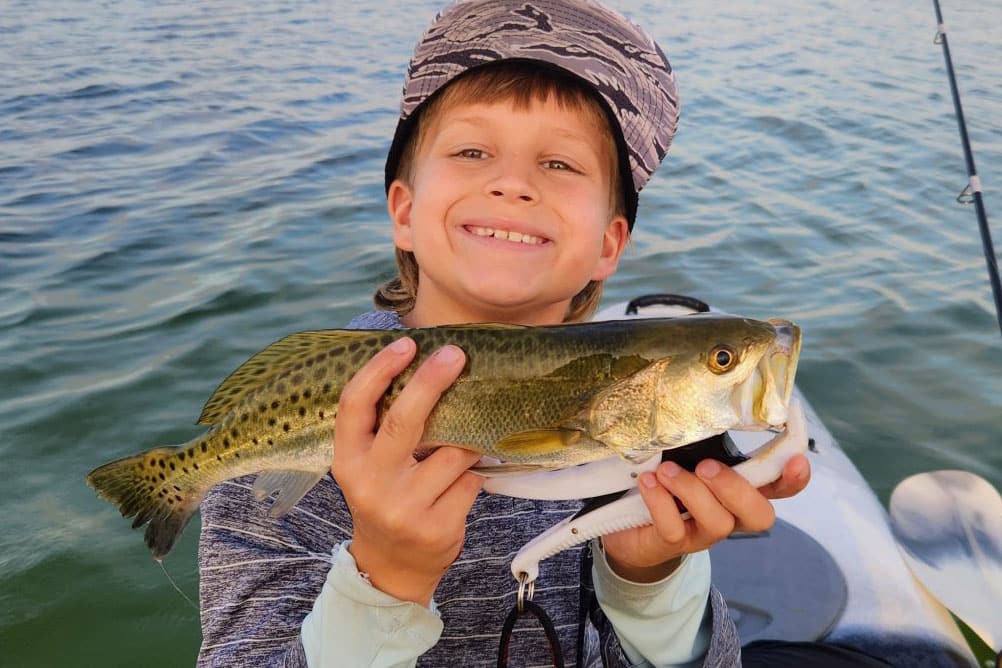
Trout action has been going well in the back protected waters. We’re seeing a lot of trout in the deeper areas, ranging from about 5 to 8 feet of water. Inshore, they are mostly found on grass flats and shorelines adjacent to docks and mangrove islands. Trout love lighter tackle with minimal to no weight, and they are generally caught using live shrimp or white bait. We’re also seeing a lot of trout being caught on soft plastics and swim baits. At night, there is good trout activity around the John’s Pass bridge, especially on the north side of the pass with sandy and shaly areas. We’re observing a lot of trout in the pass and on the beach. Typically, during the full moon, the outgoing tide is a great opportunity for plenty of trout action. However, lately, the early morning incoming tide around John’s Pass has been working quite well to produce some nice trout action.
**REMEMBER, please help spread the word and knowledge on what to do if you hook or entangle a bird. NEVER CUT THE LINE, stay calm and reel in the bird and get all your line back and dehook them and release. Never leave any line in the water, if you accidentally hook a dock make sure to break the line off at the hook never cut your line. Seabirds in the area are more and more often showing up with line hanging off them and we are in danger of losing access to fishing areas due to this. While anytime a bird is in danger or having issues is concerning too, but a wave of support of closing areas to fishing due to negative bird interactions is extremely concerning to an already dwindling number of areas you can fish around Tampa Bay from a shoreline, dock, bridge or pier! Check out the NEW podcast we did with salt strong on this issue – https://www.saltstrong.com/articles/shutting-down-fishing-at-busy-pier/ **

Nearshore Fishing Report

Lane snapper fishing is going well nearshore. We’re seeing a lot of lane snapper on live shrimp and cut squid during a variety of different trips. Most of the time, we encounter lane snapper on our 10-hour all-day trips. However, we also catch a handful on our half-day trips. Private fishing charters provide a great opportunity for targeting lane snapper in nearshore waters, ranging from about 60 to 100 feet deep. They are more concentrated, super aggressive, and generally quick to bite, even with heavier leaders. Lane snapper are known for their aggressiveness, and they tend to bite well even when other fish species may be slower to bite.
Mangrove snapper fishing is also going well in the nearshore waters. While we do catch a handful here and there, the big concentrations and prolific numbers of mangrove snapper are mostly found in our offshore waters. Mangrove snapper are fond of cut threadfins or cut sardines, and using a double snell rig is a great option to target them. We typically find mangrove snapper in our deepest nearshore waters, around 70 to 80 feet and beyond.
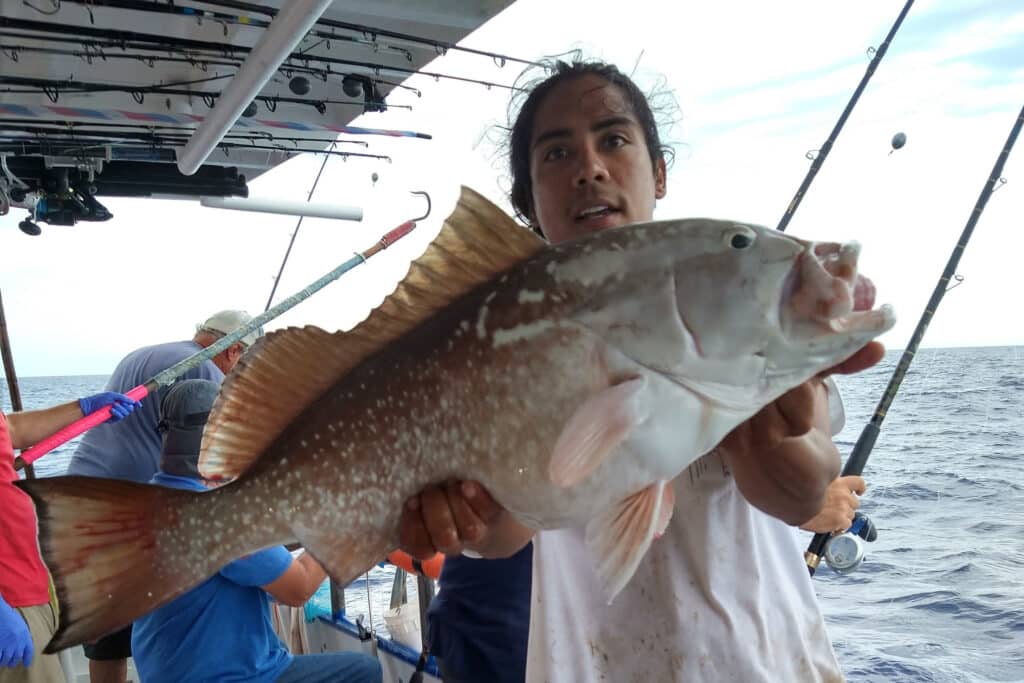
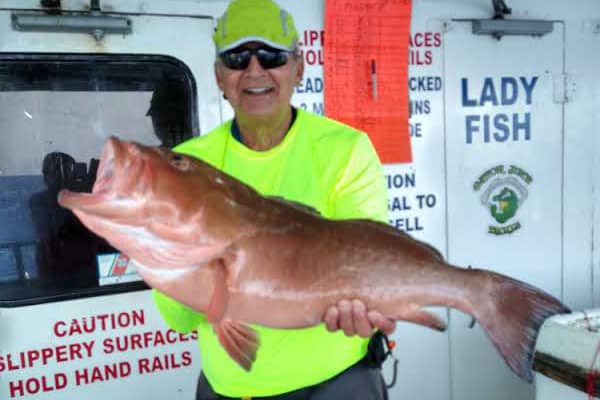
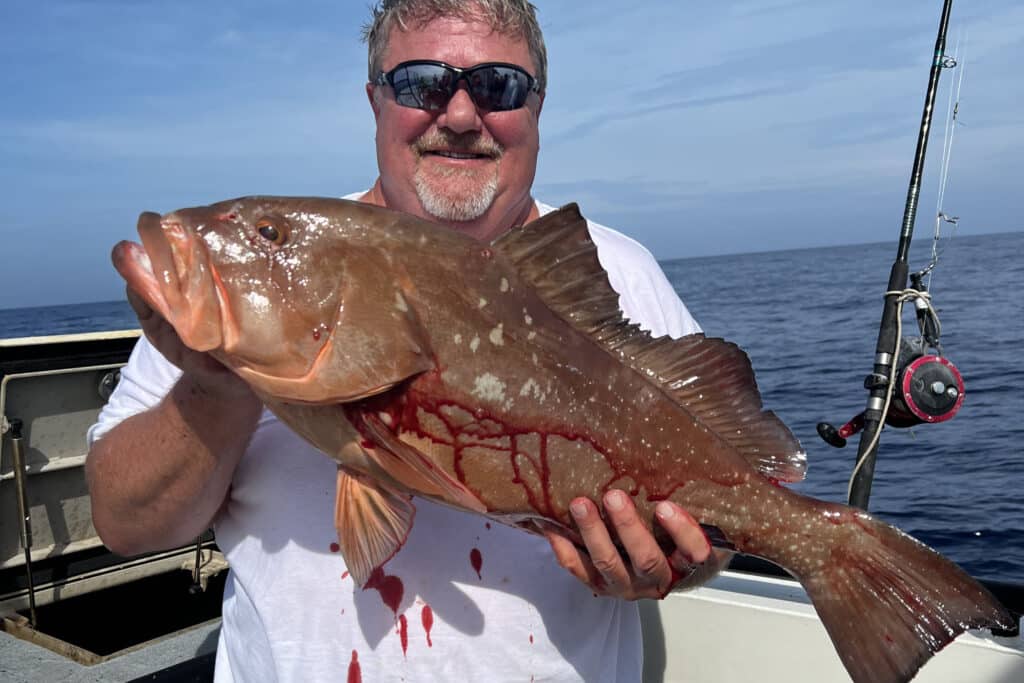
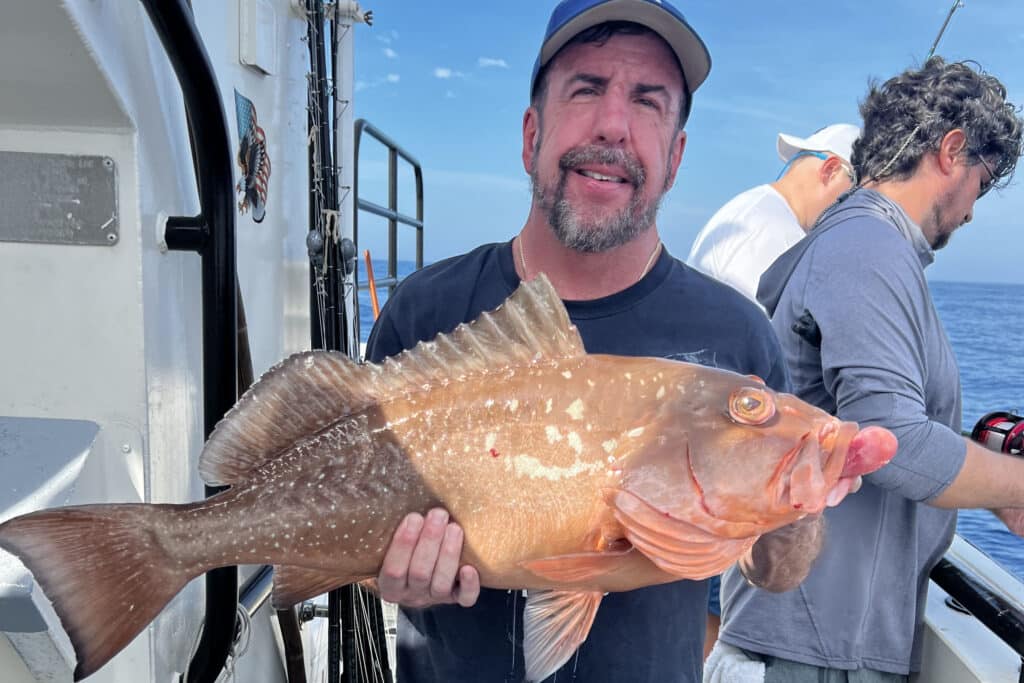
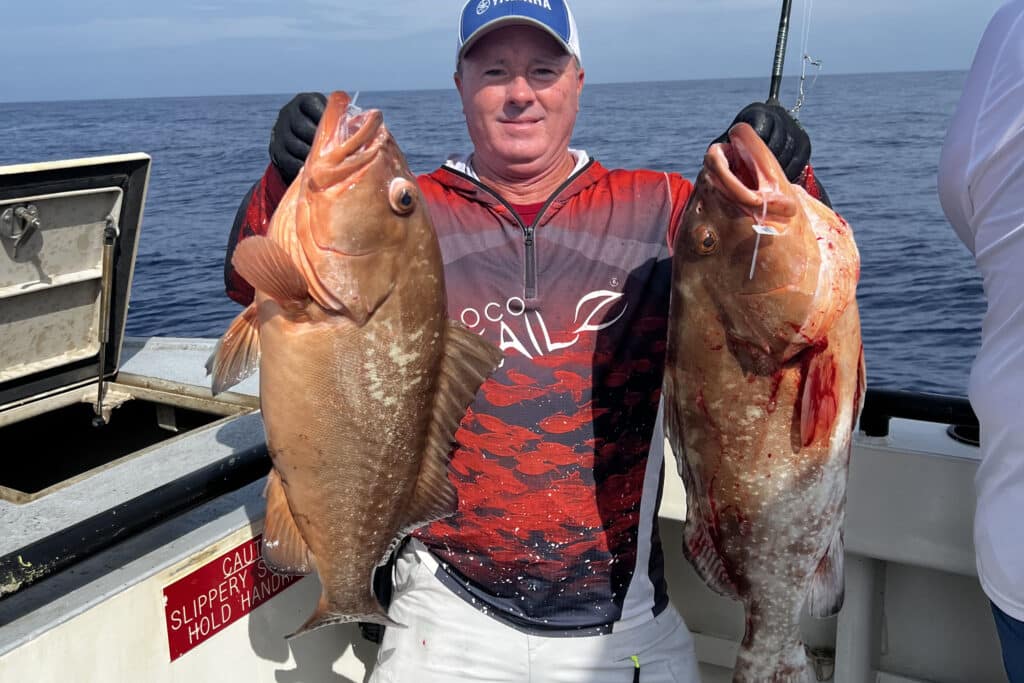
Red grouper fishing has been going okay in the nearshore waters. We have caught a few here and there on our 10-hour all-day trips. However, for the best opportunity to catch keeper red grouper, private fishing charters in the nearshore waters are recommended. Most of the red grouper are caught on live pinfish when fishing in deeper nearshore waters. Red grouper love live pinfish, pinfish, or even squirrel fish as bait.
Hogfish action nearshore has been relatively infrequent. We mostly see hogfish on private charters occasionally and sometimes on our 10-hour all-day trips, but their numbers are very few and far between. Hogfish become more spread out and timid during the warmer months. However, once things start to cool down and cold fronts arrive, we generally observe an increased hogfish bite. They become more active, aggressive, and concentrated, resulting in more hogfish being caught on the hook and line.

Offshore Fishing Report
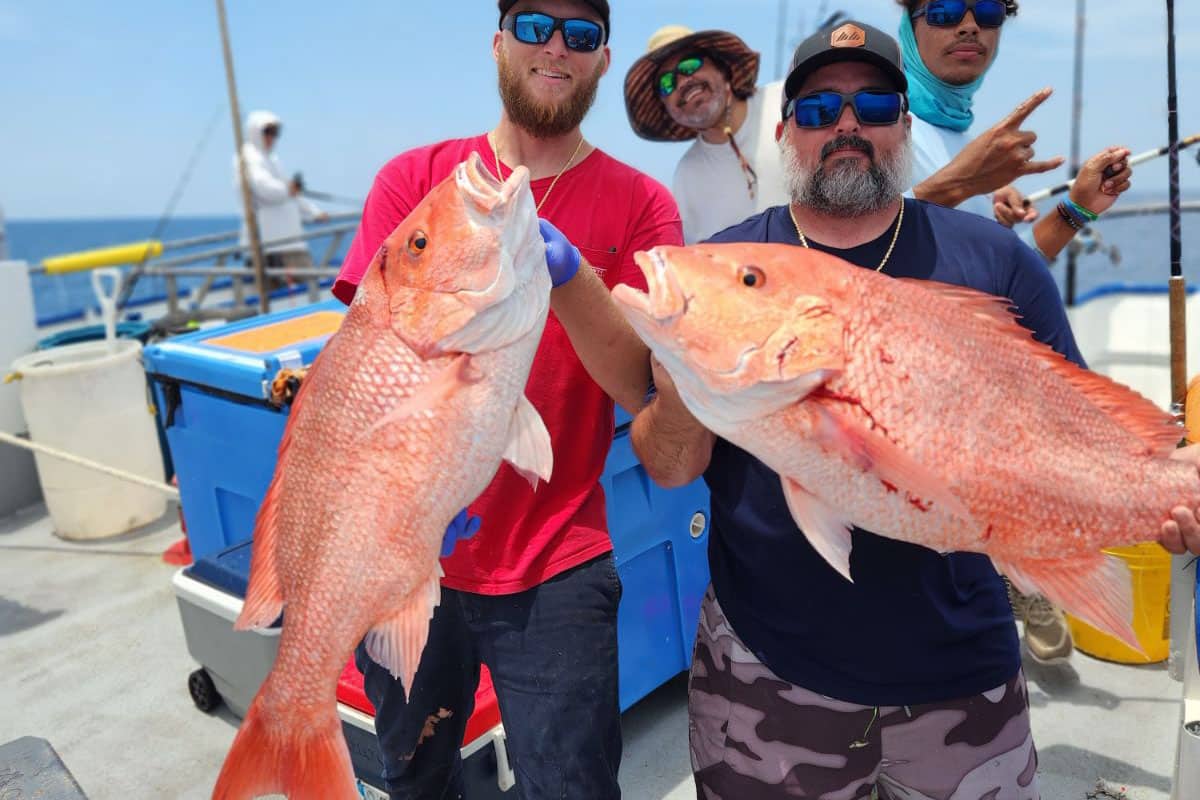
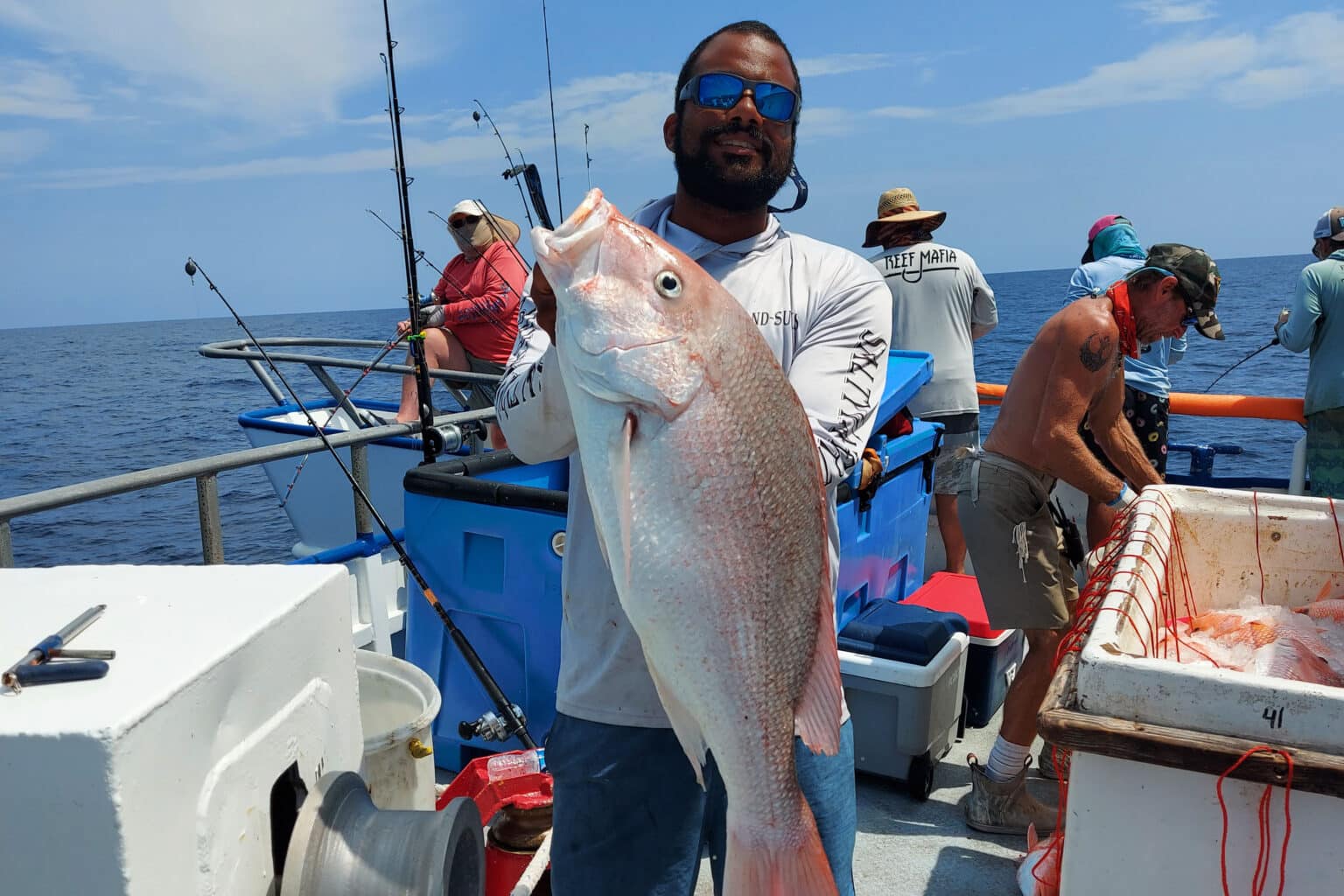
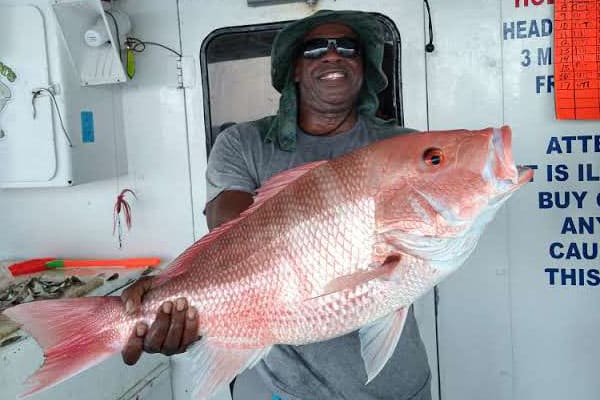
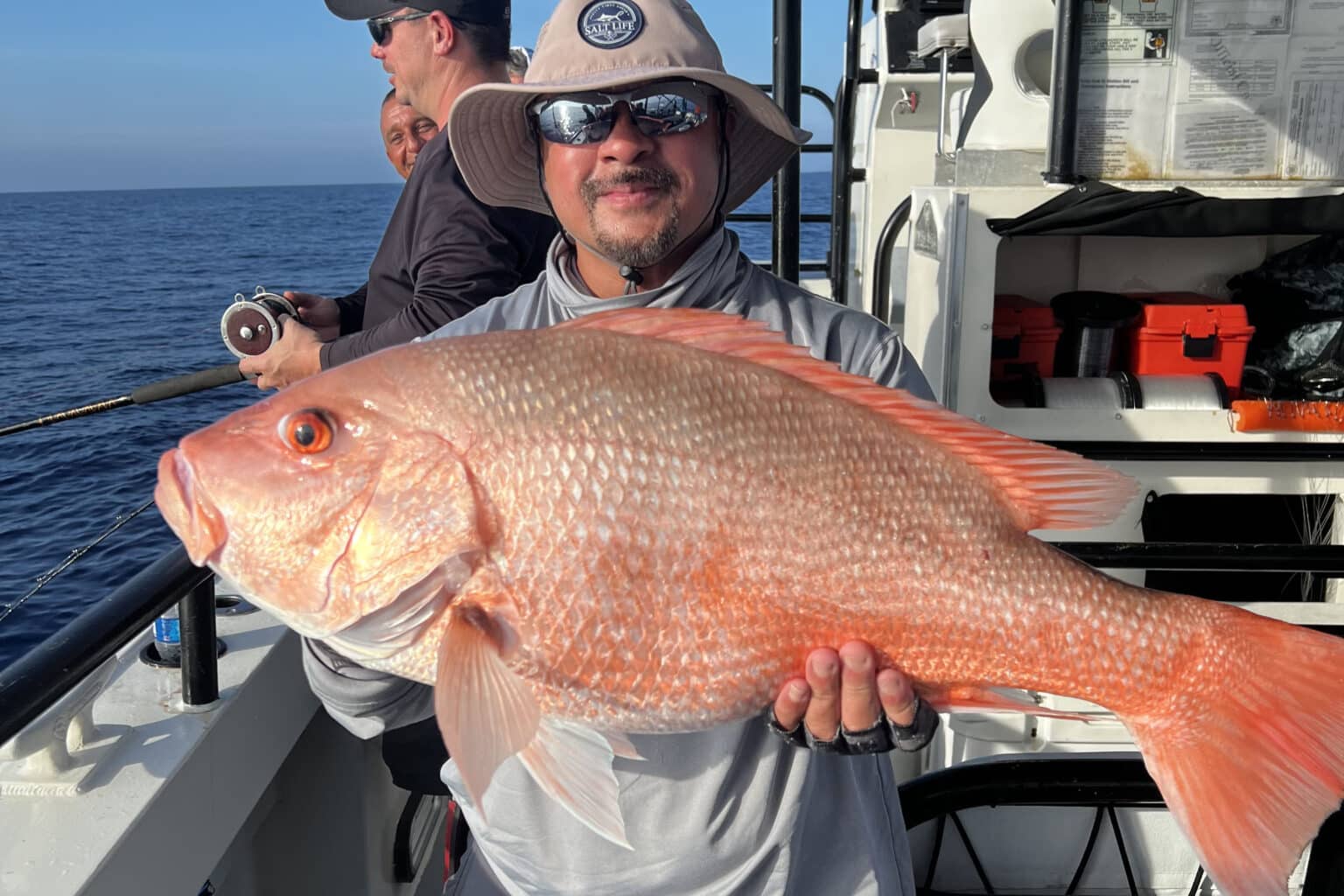
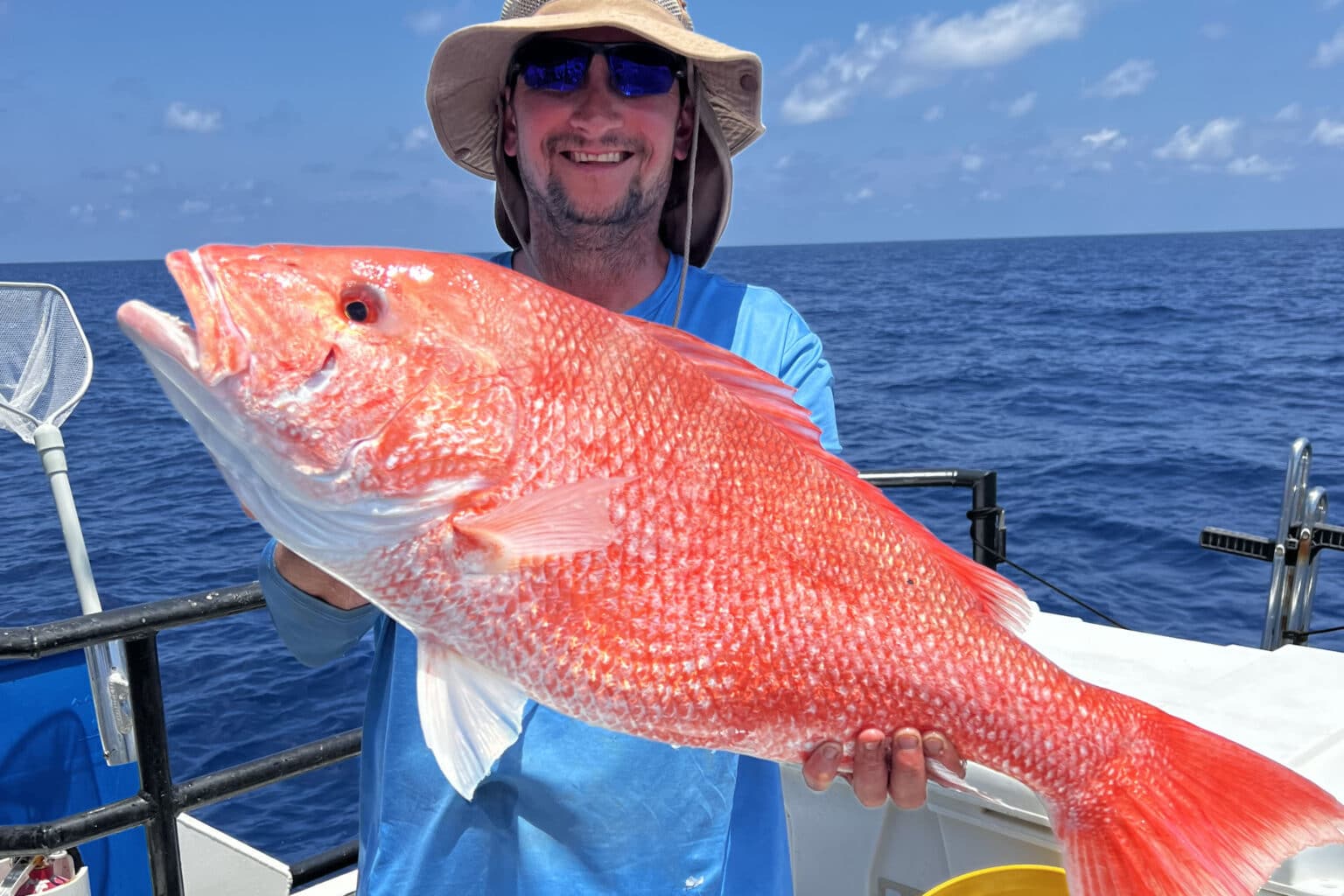
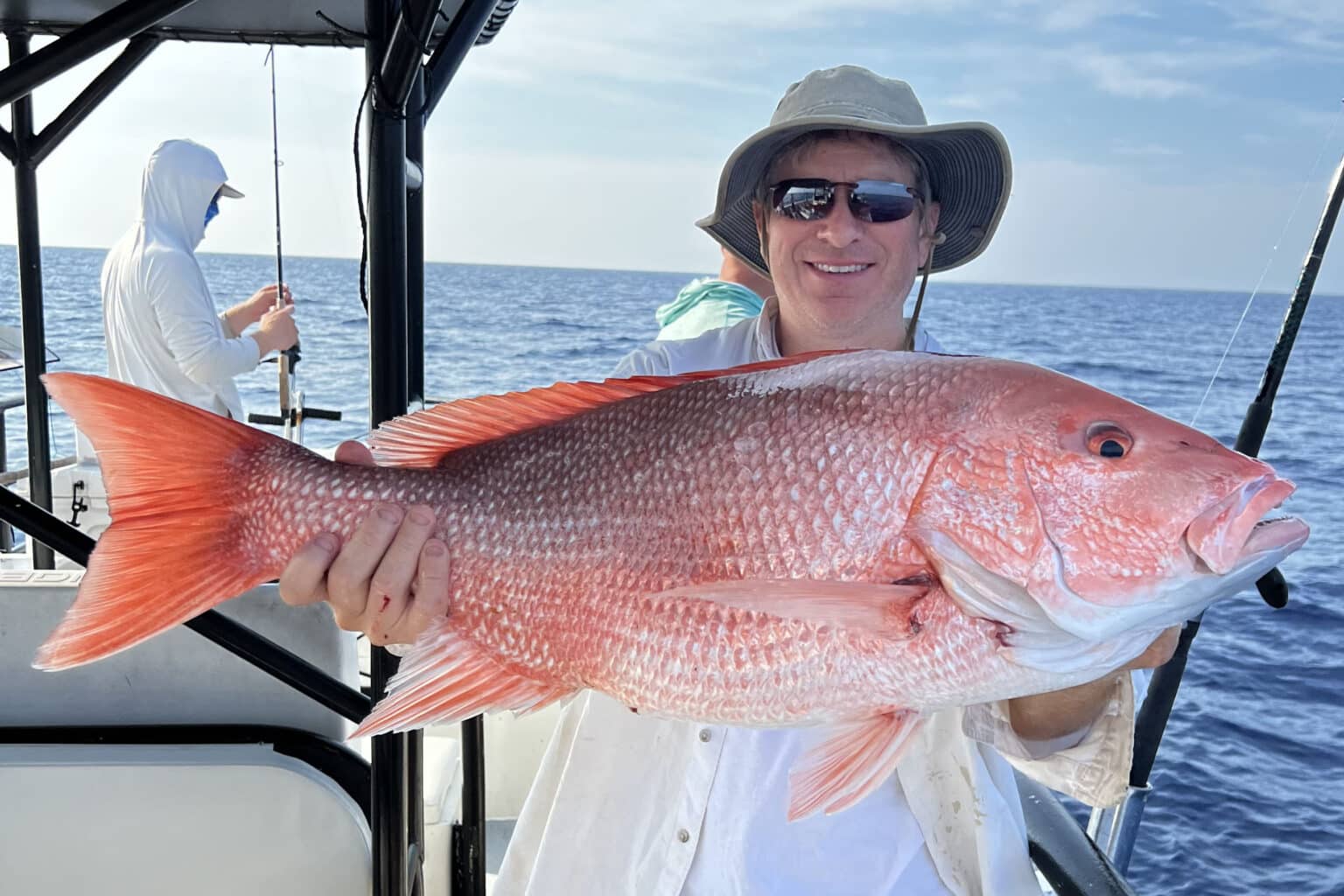
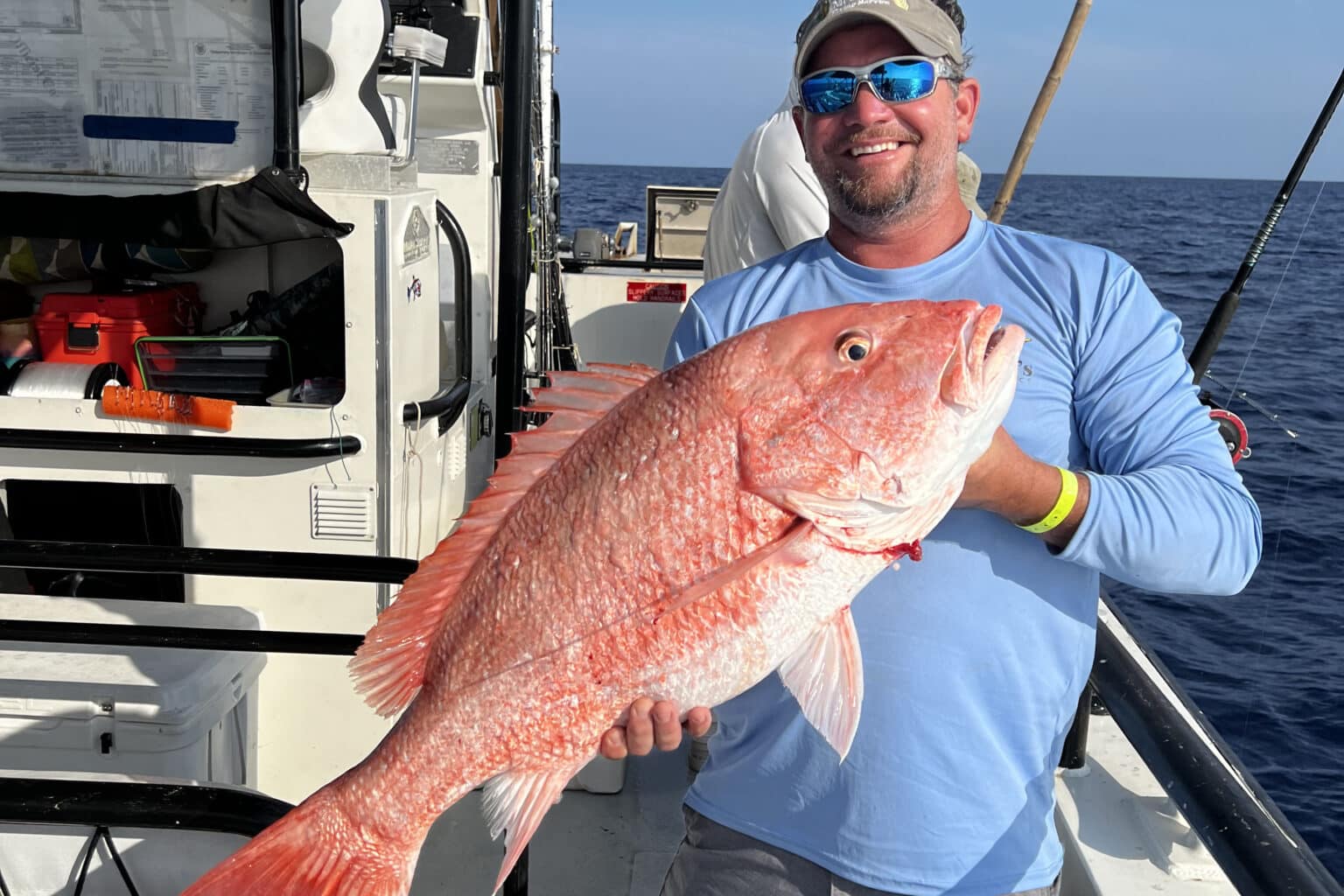
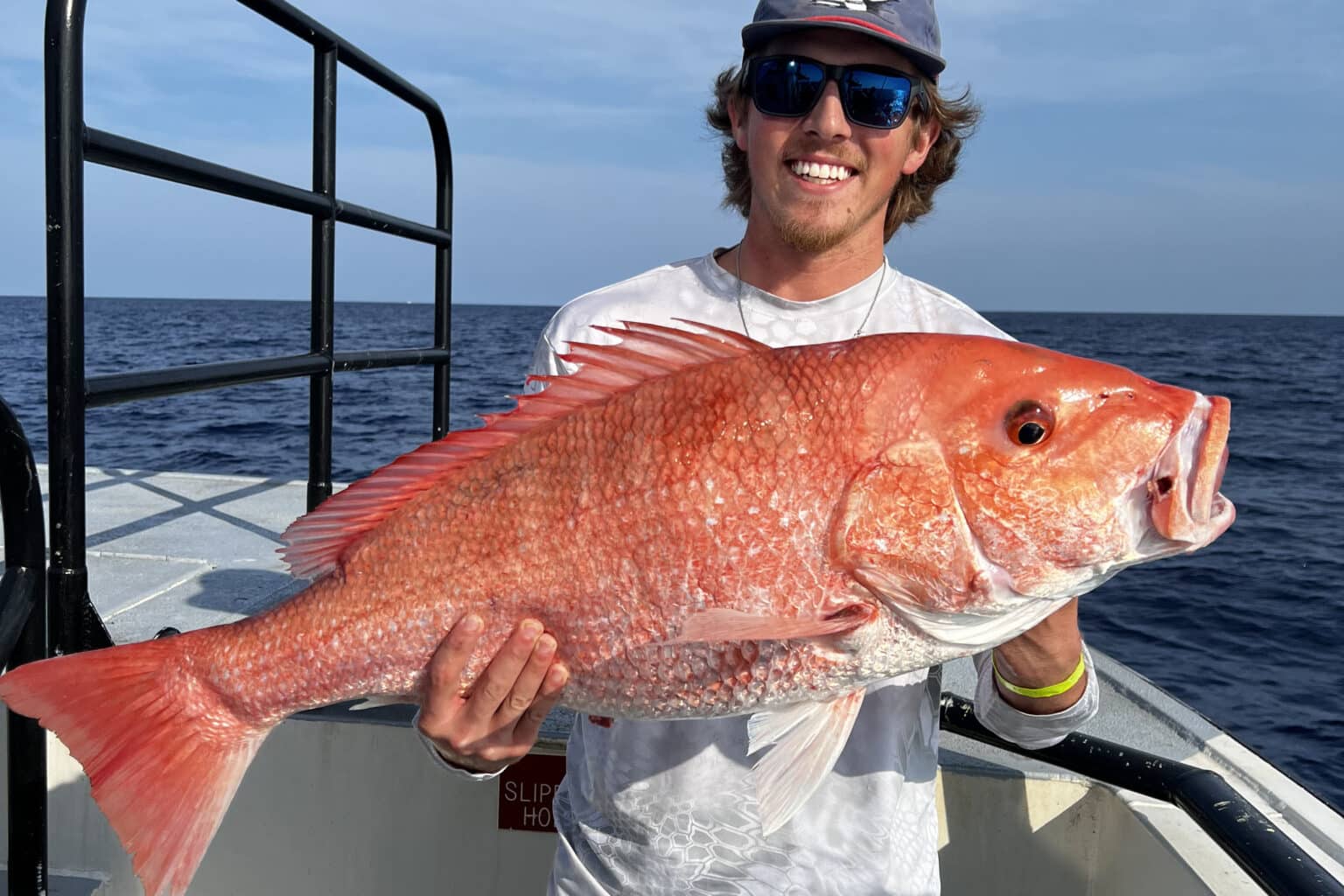
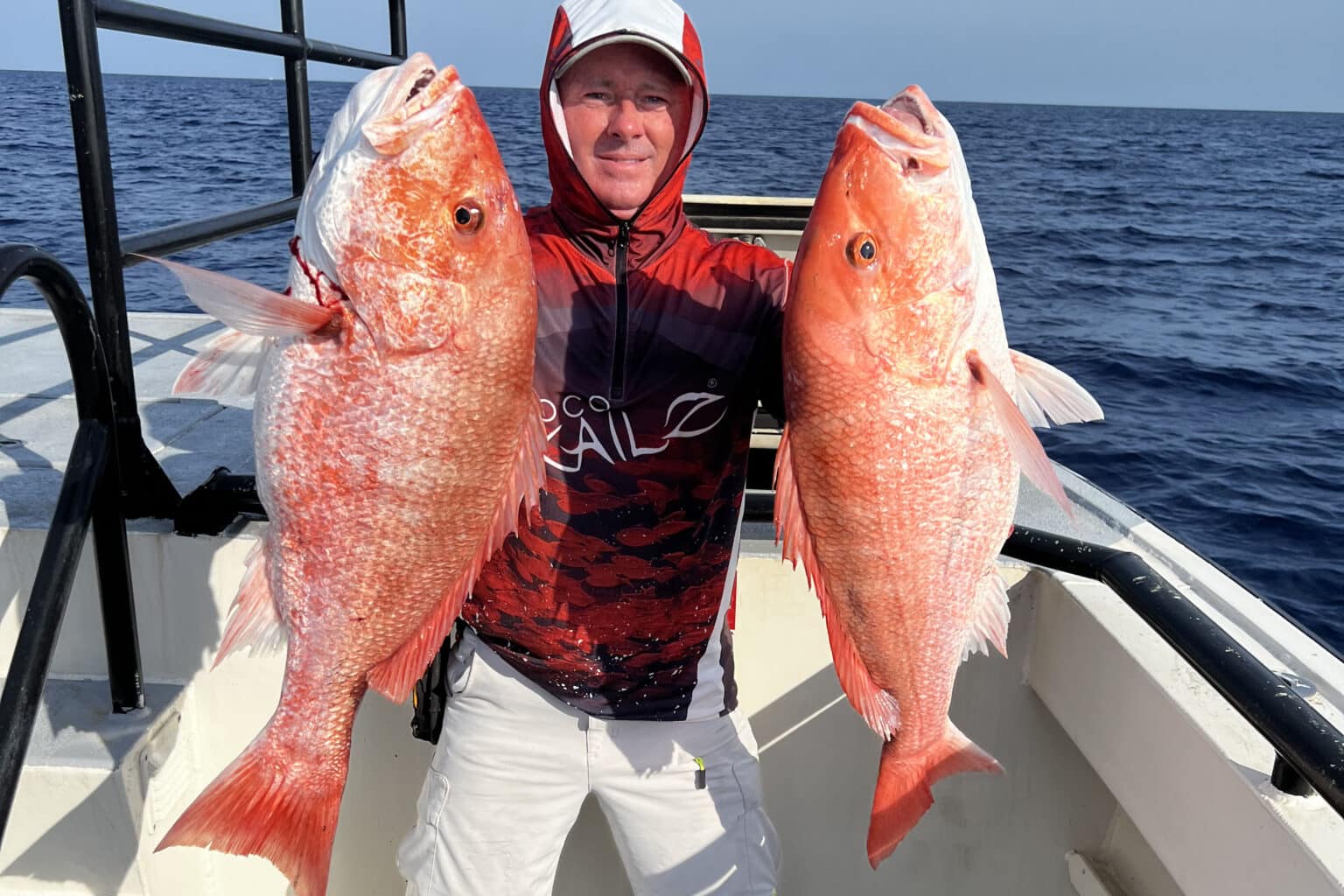
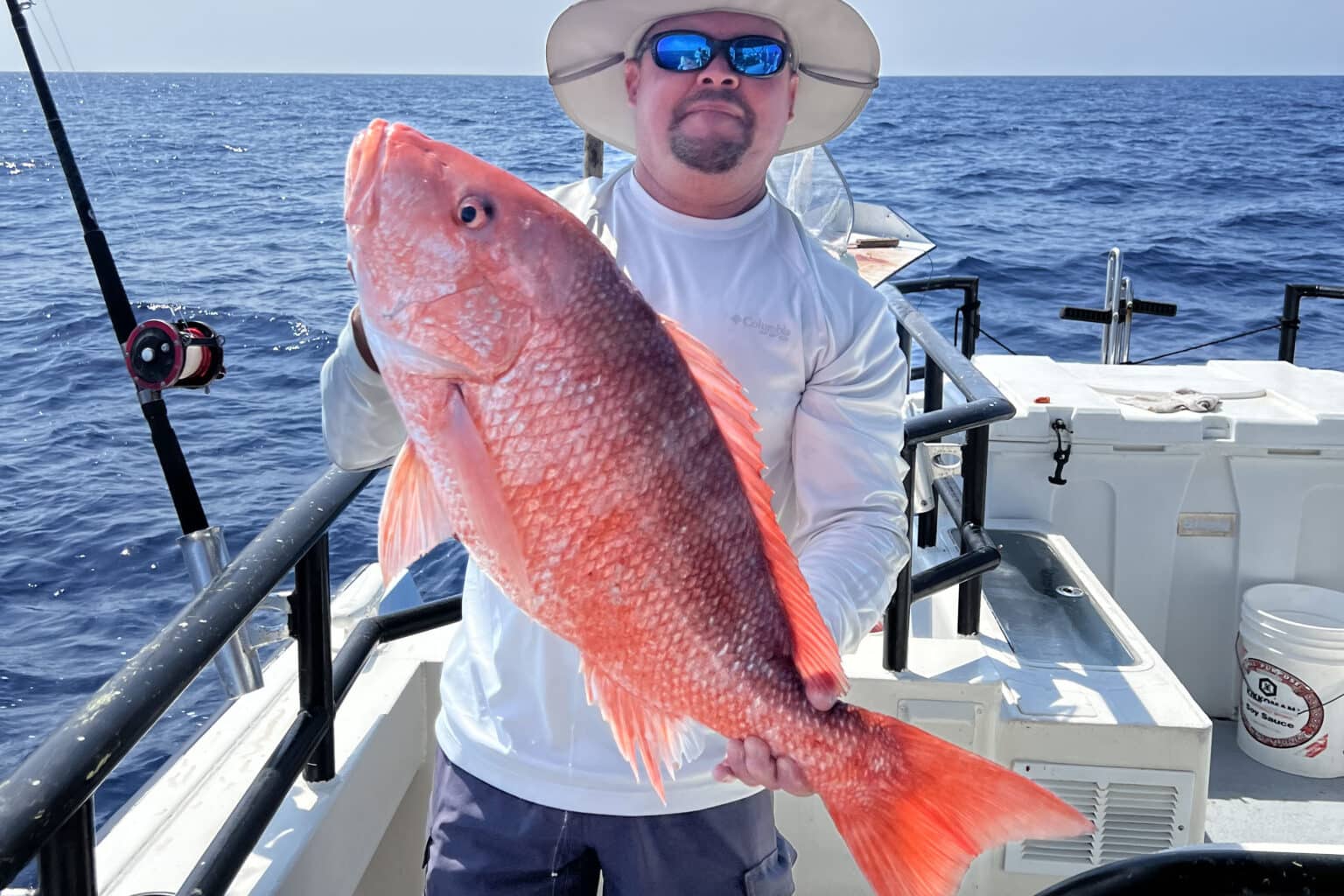
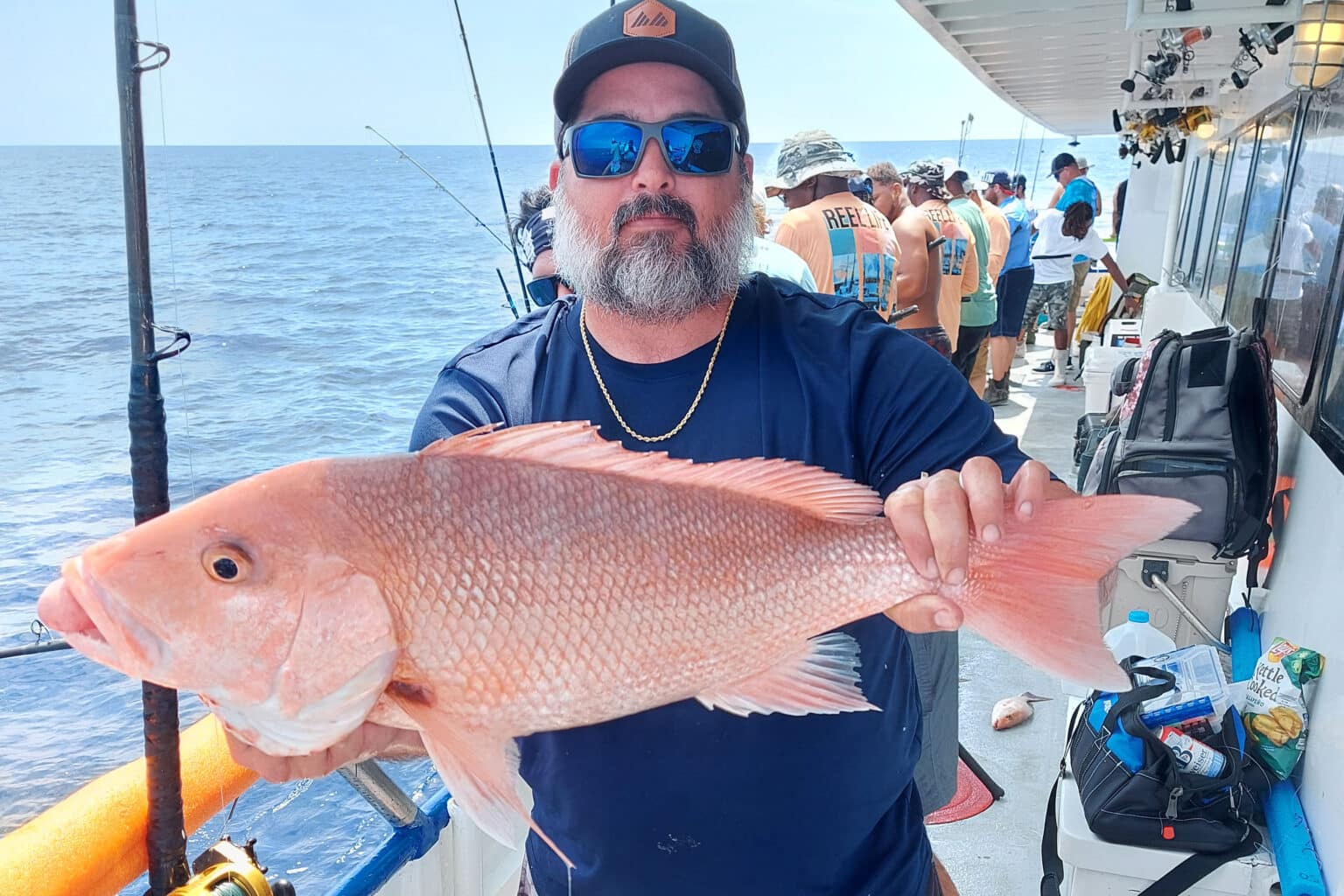
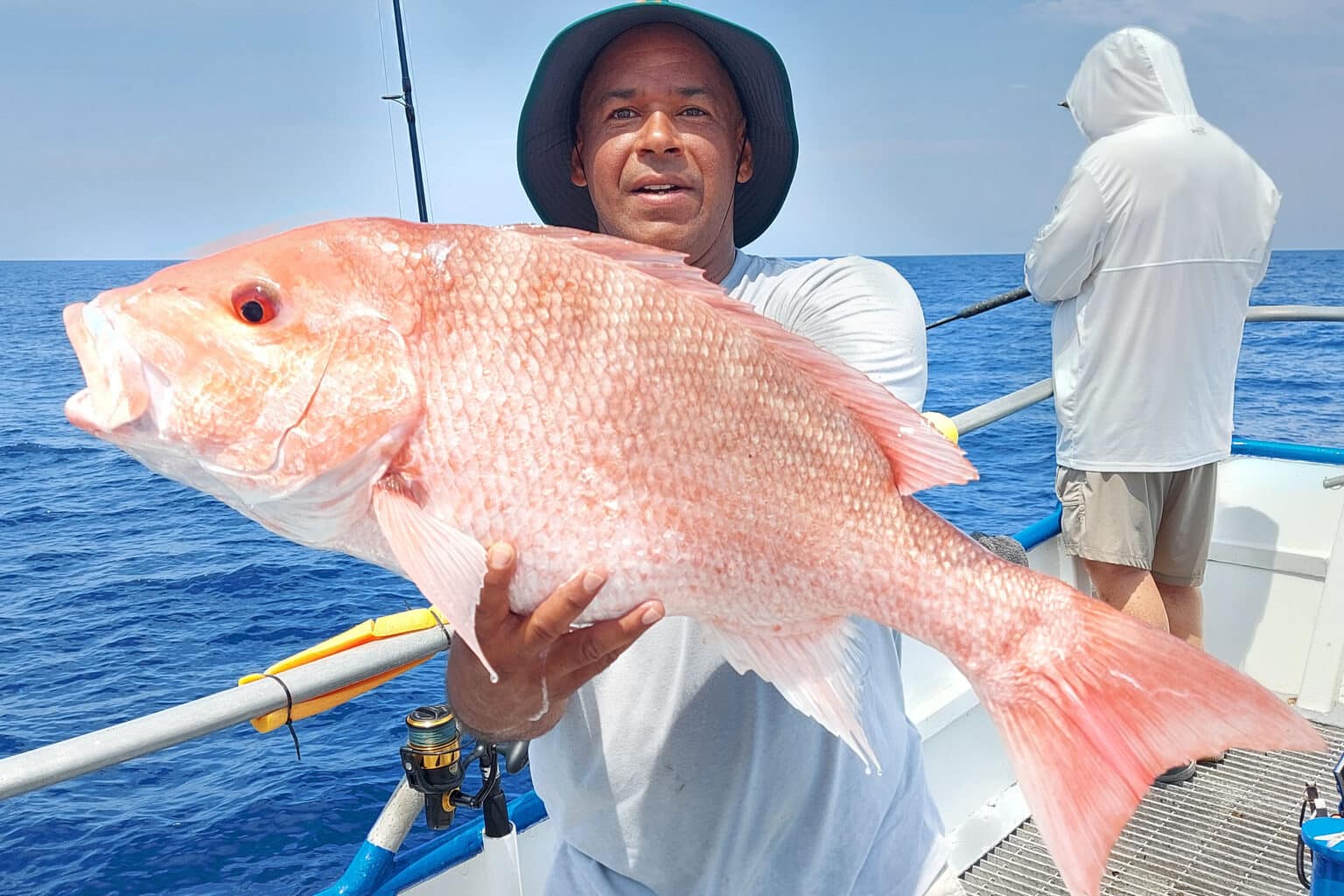
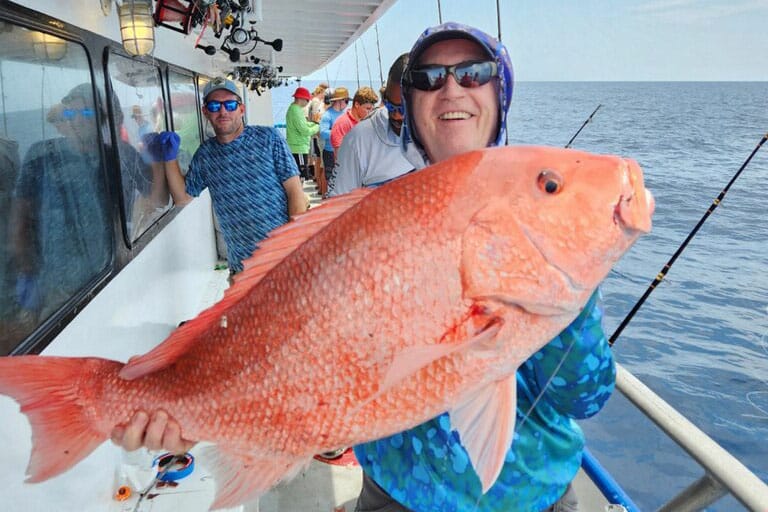
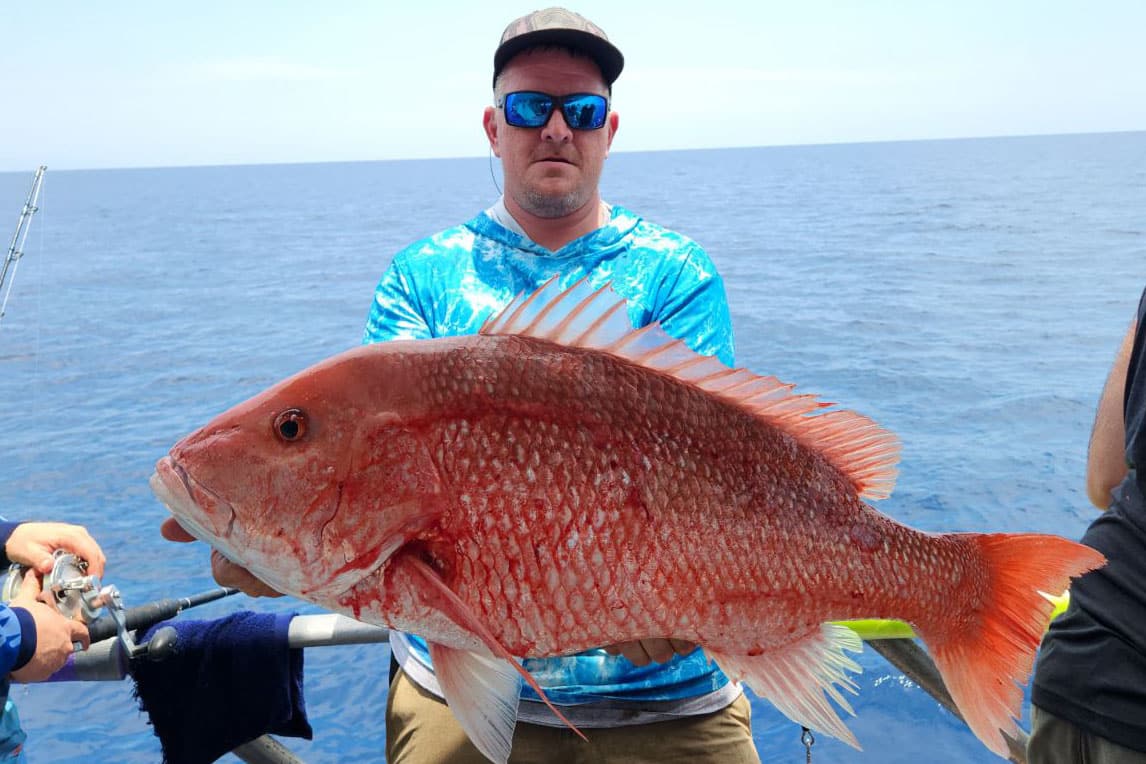
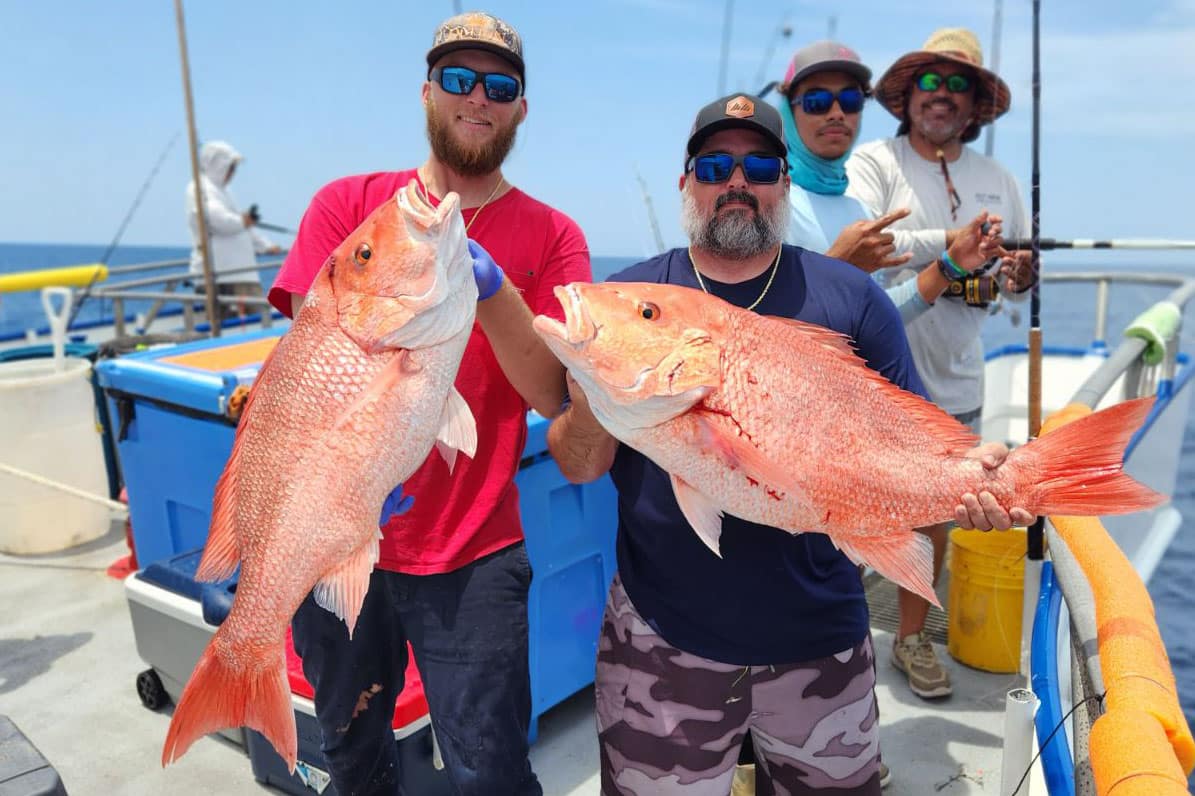
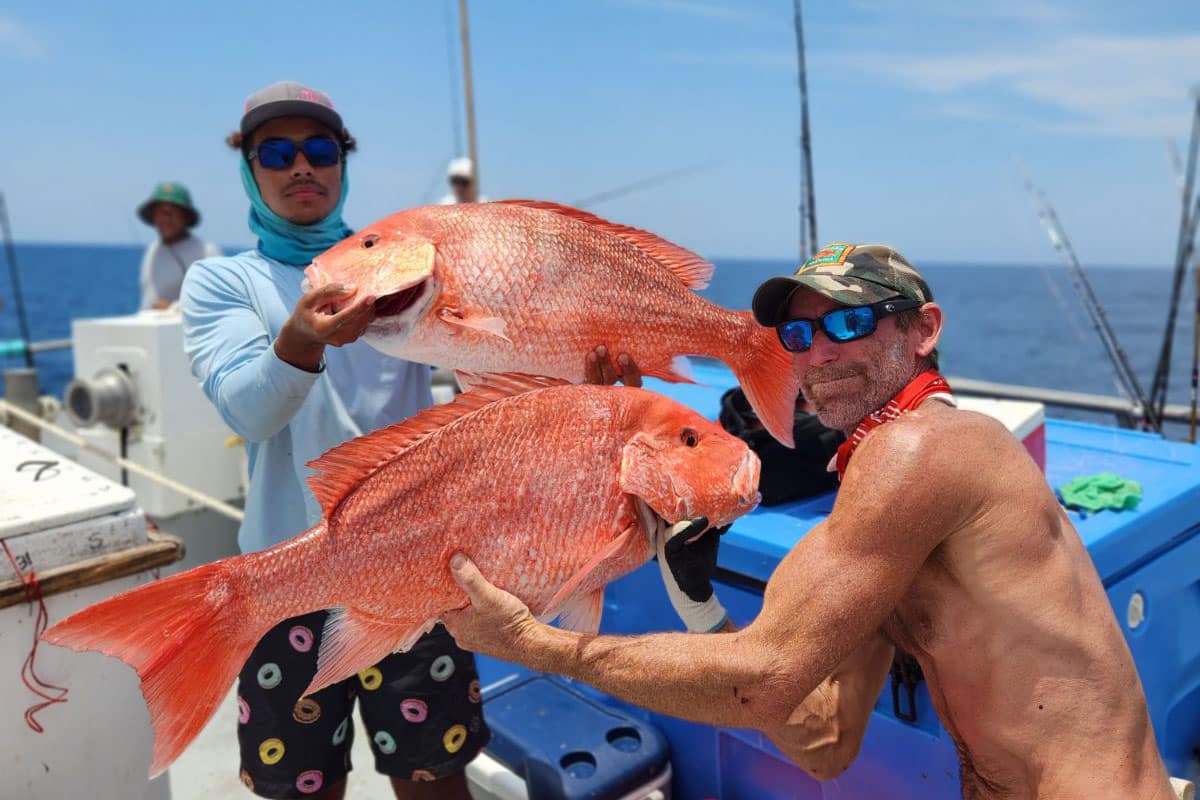
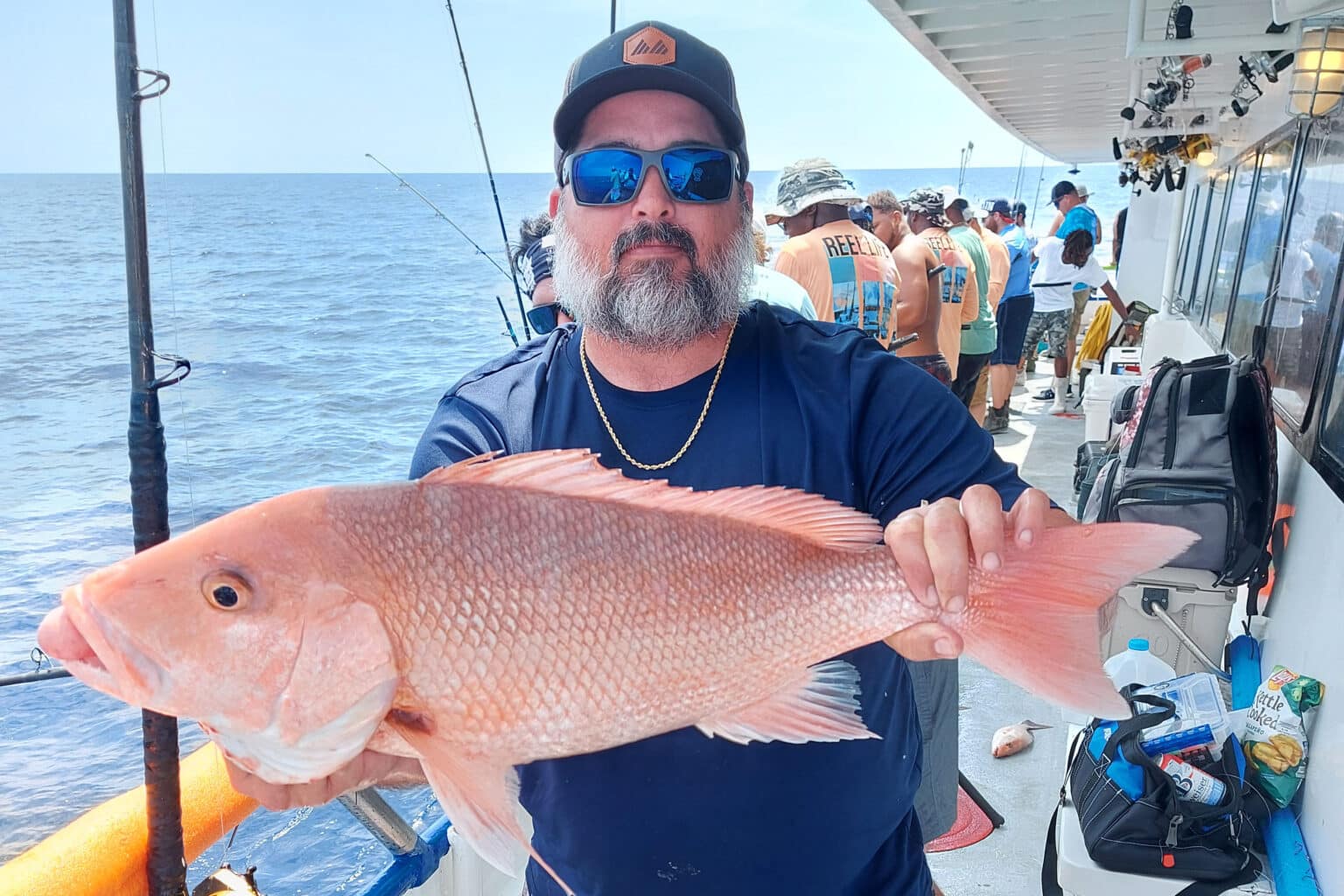
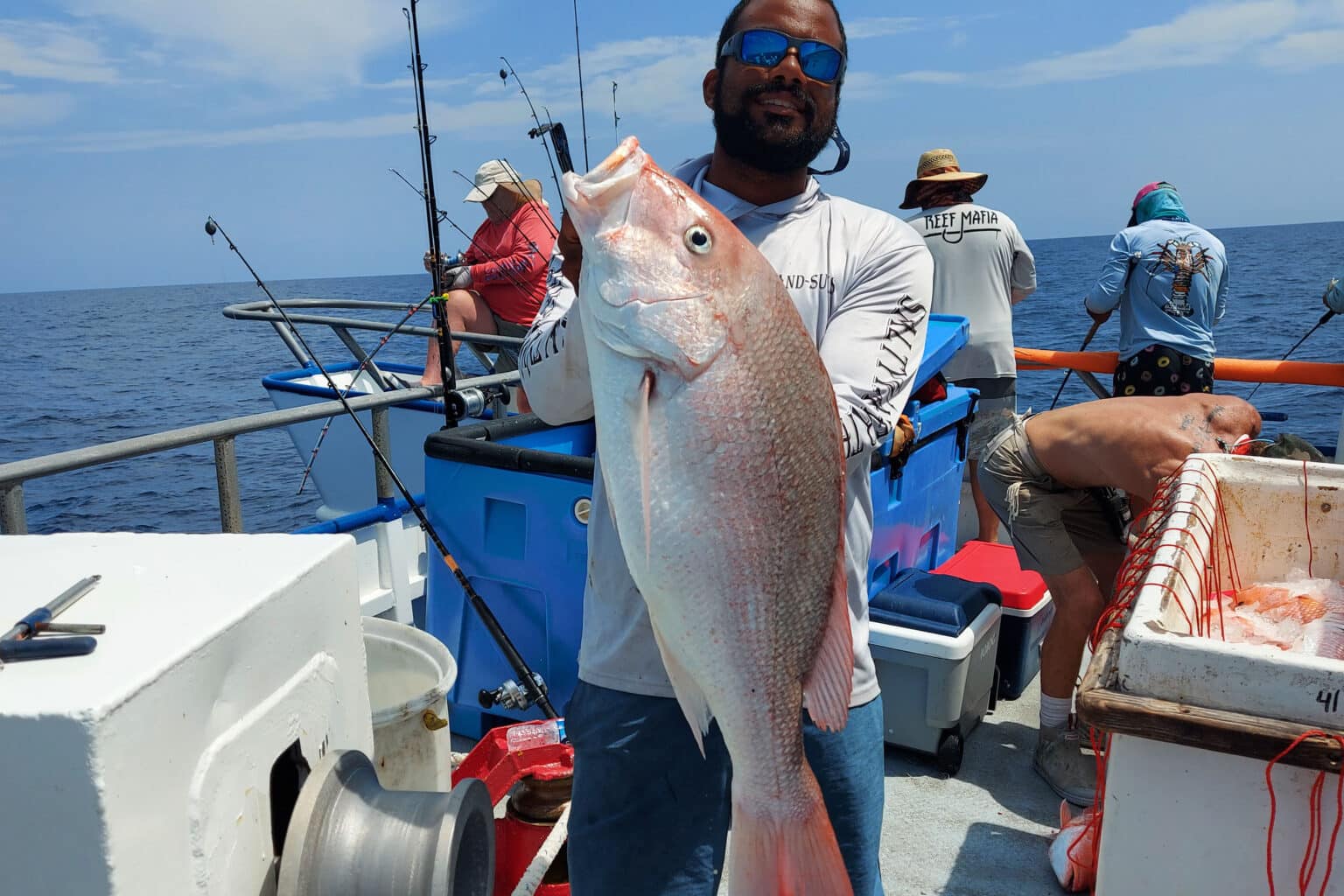
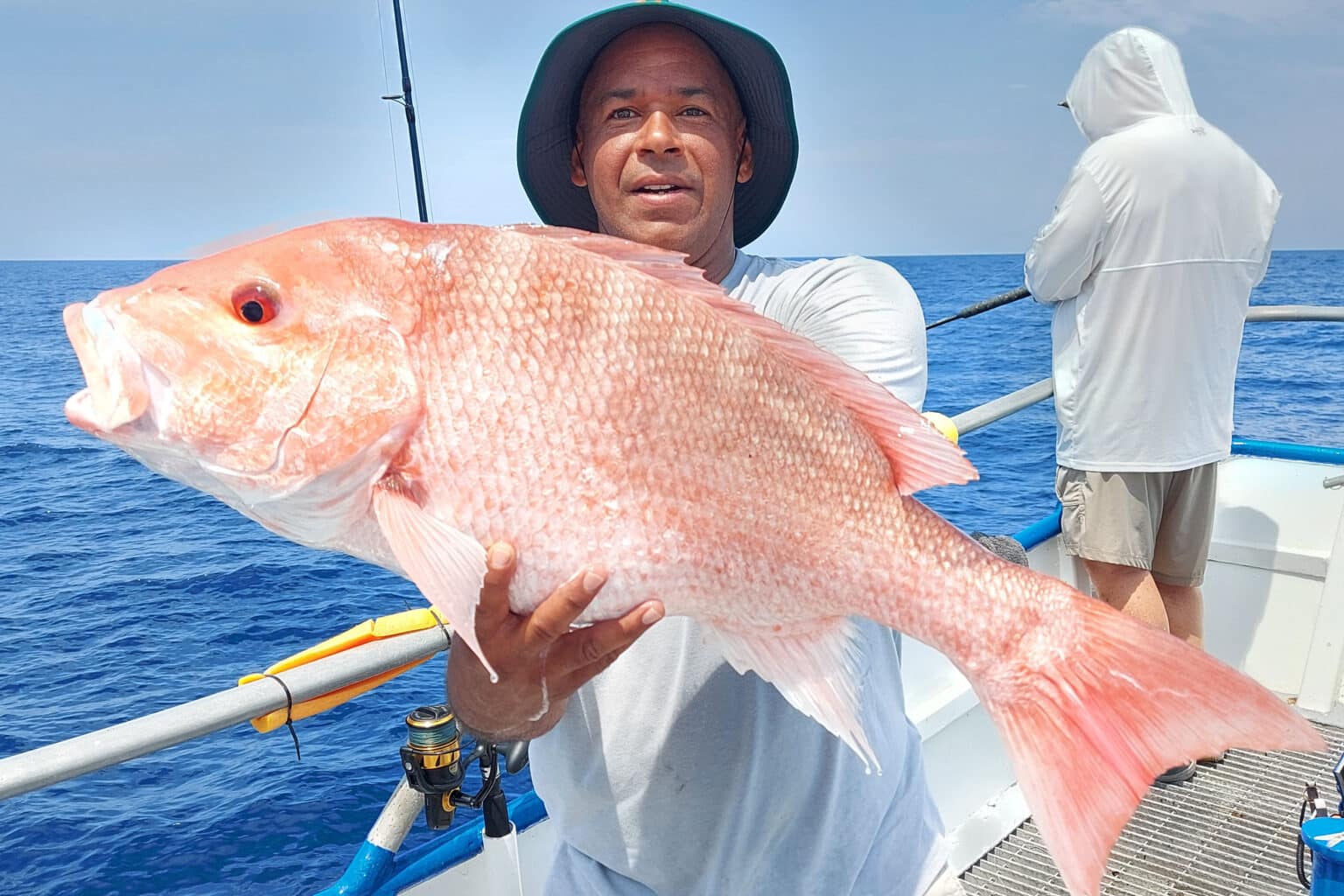
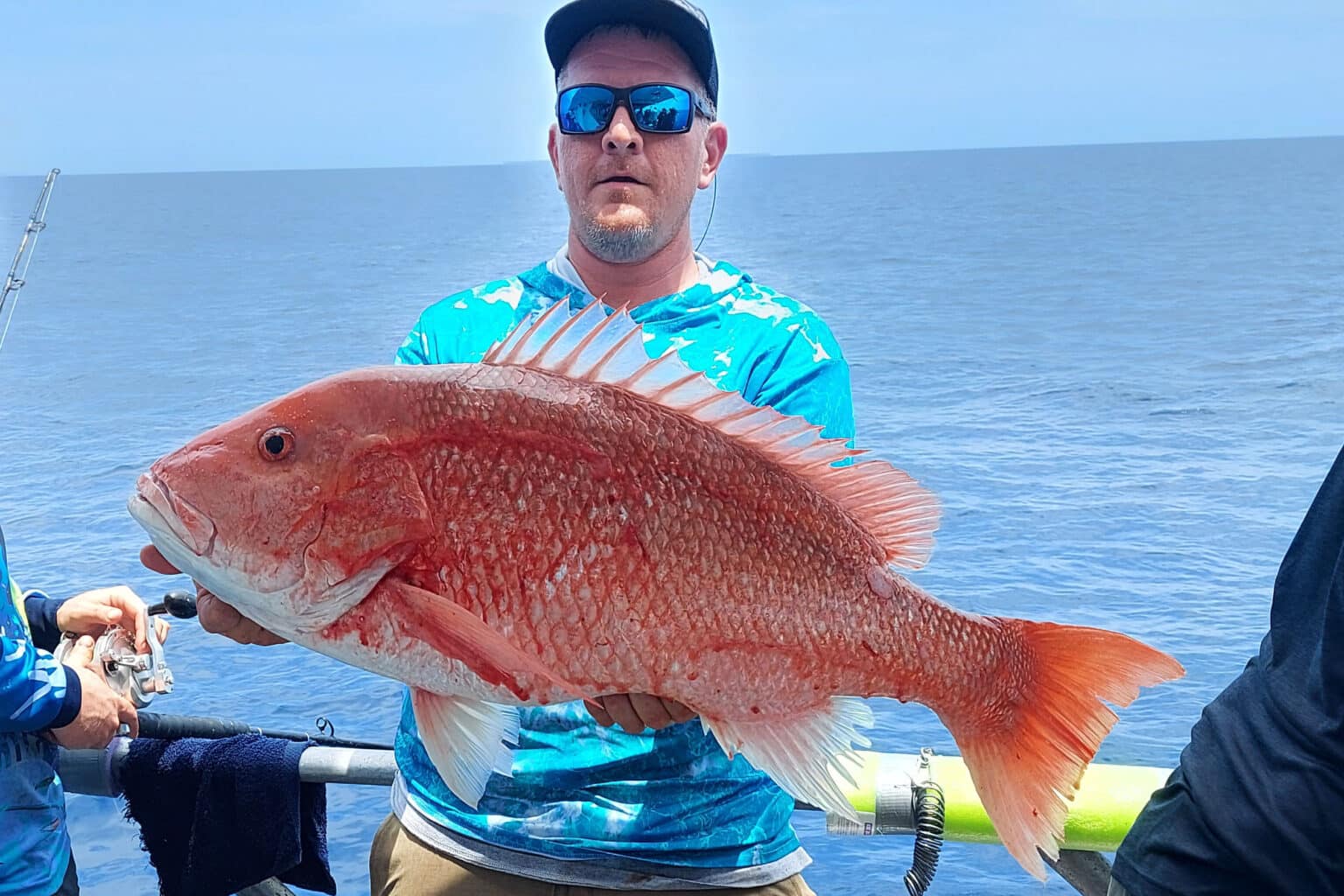
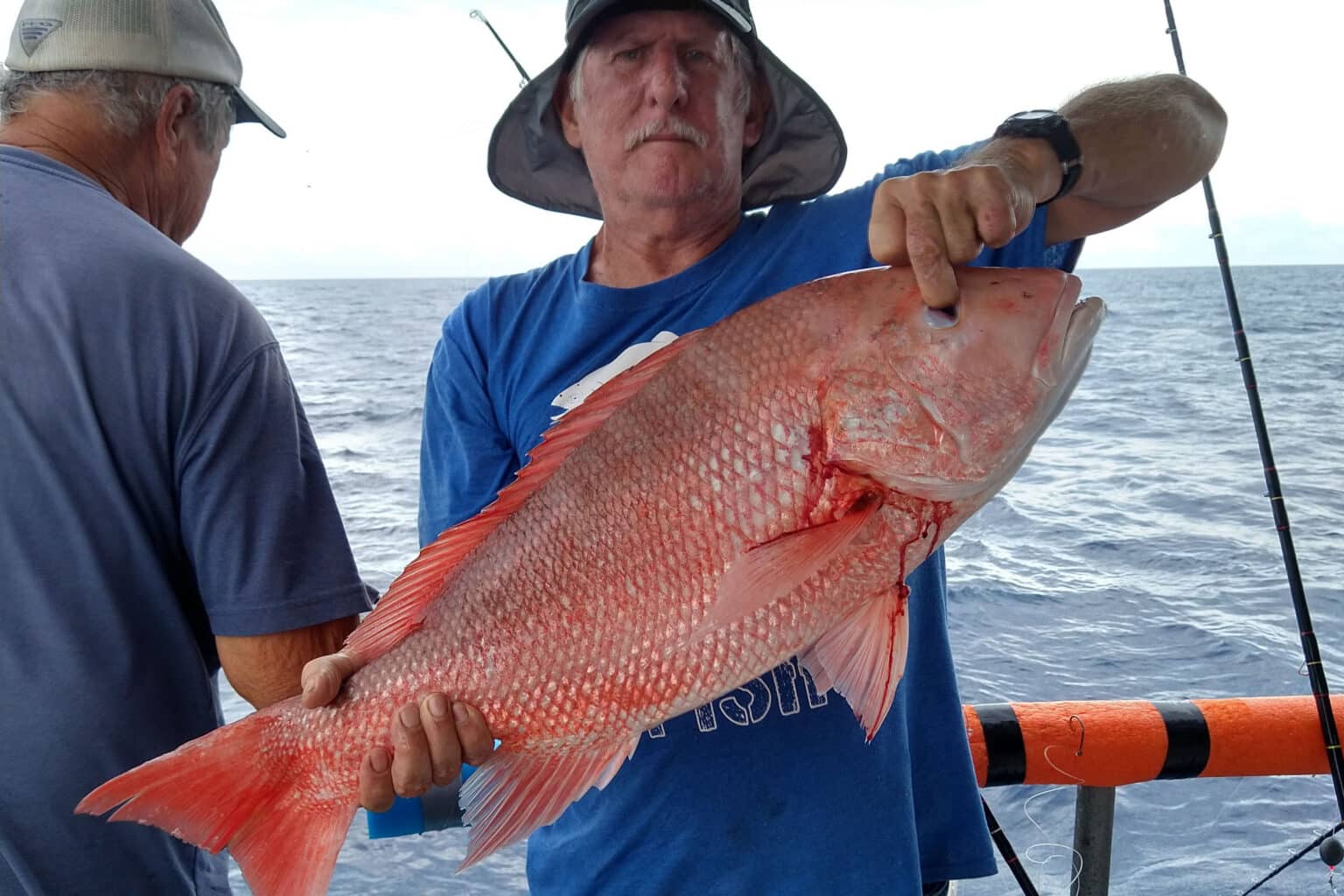
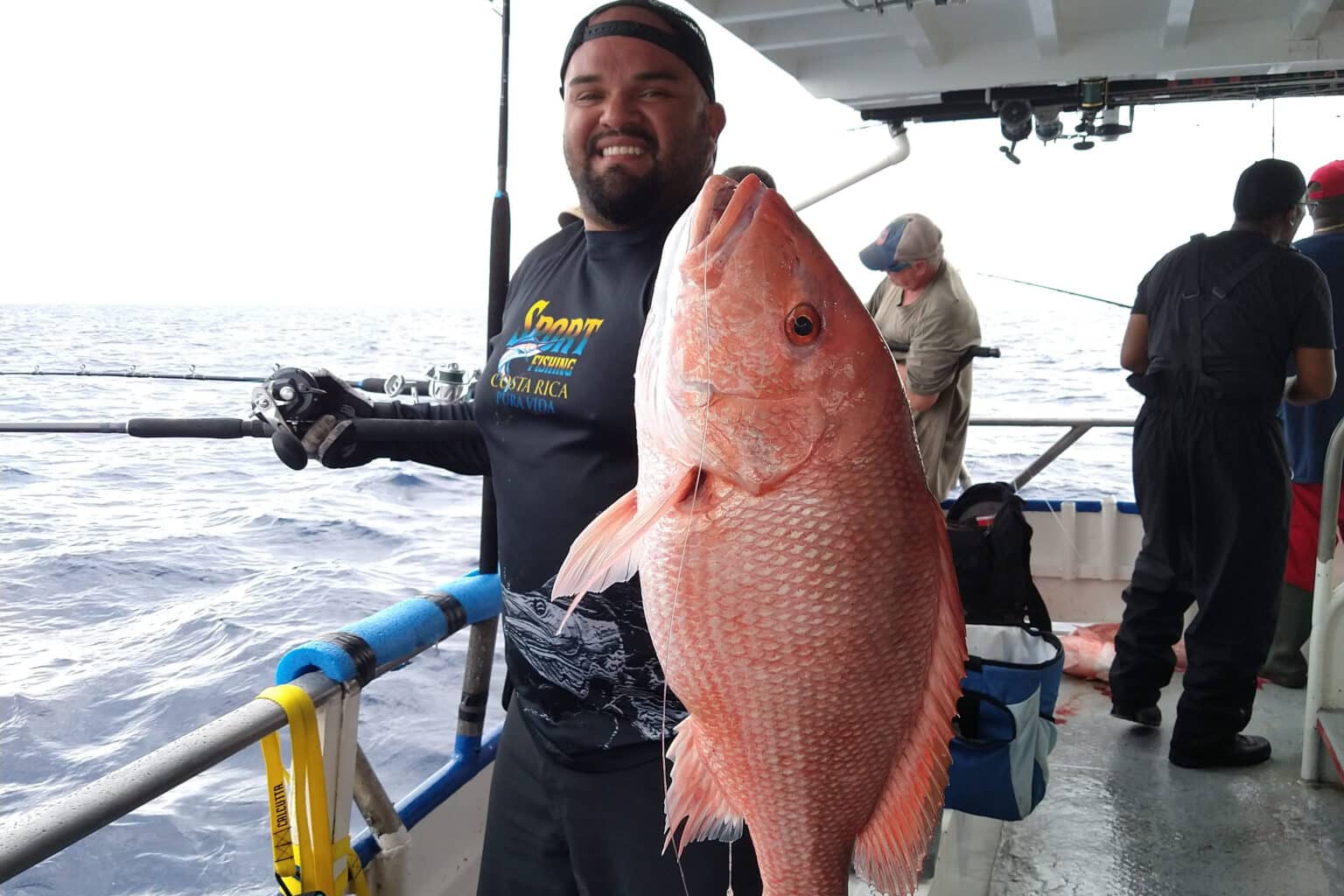
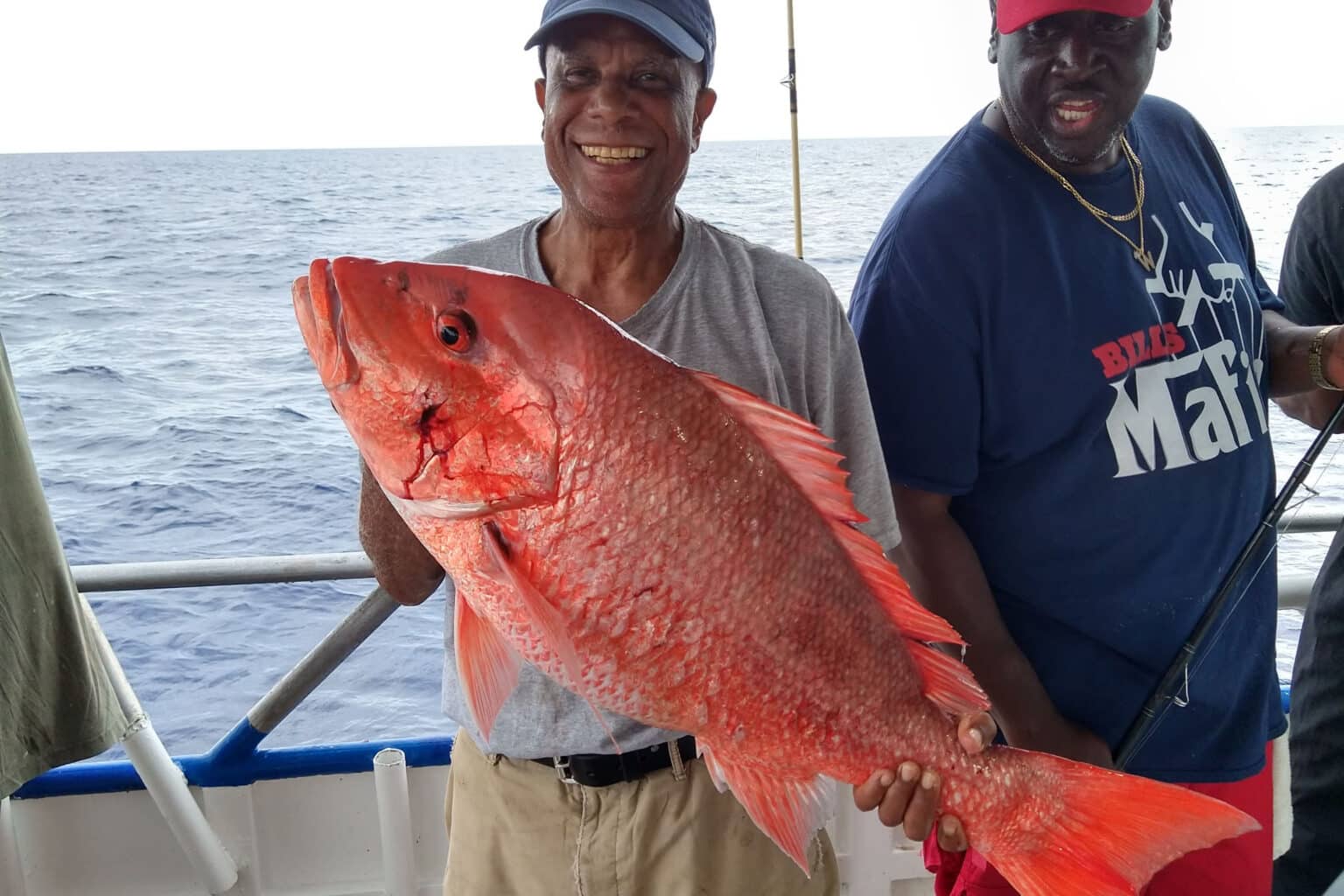
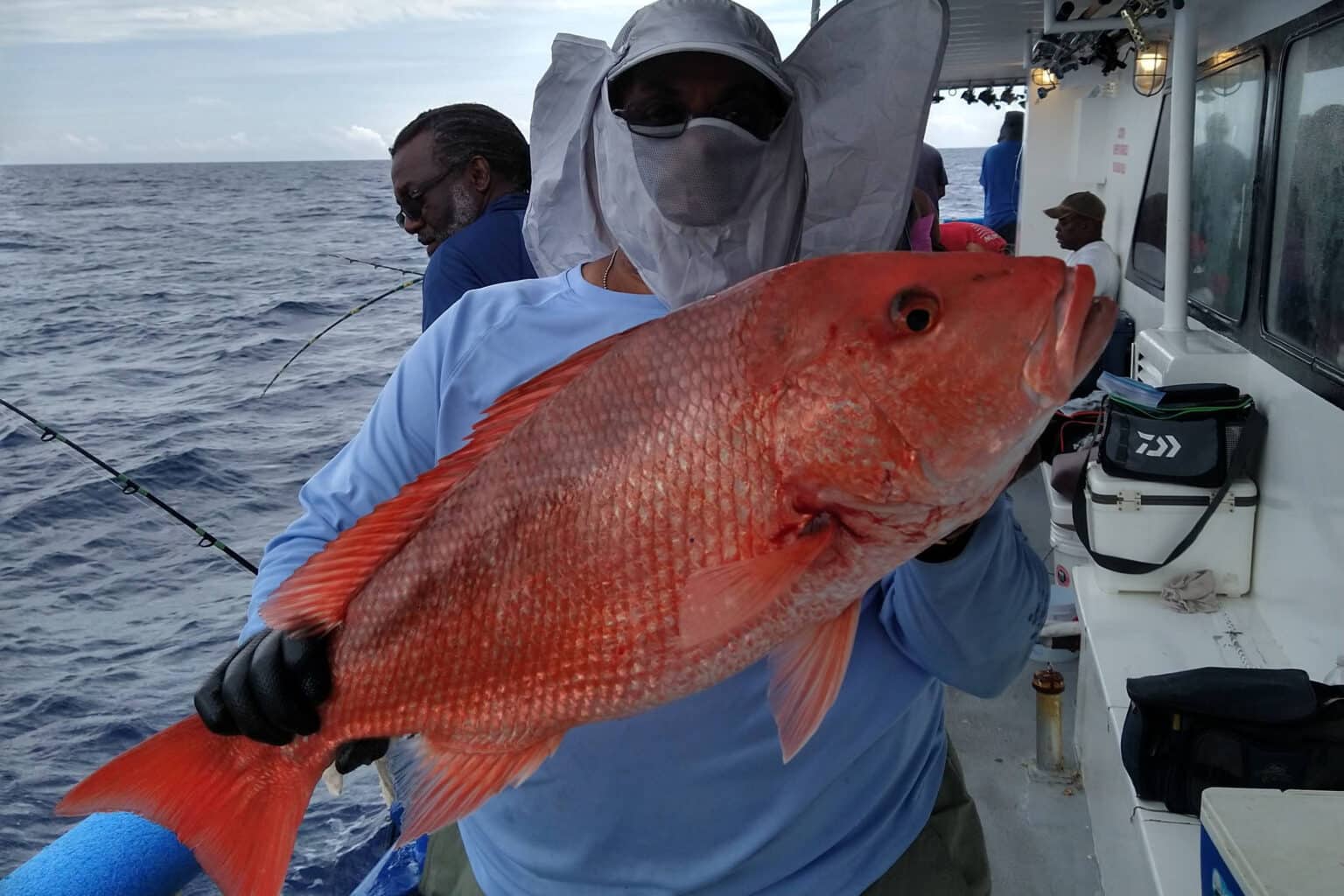
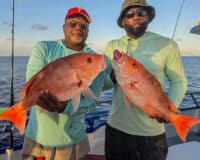
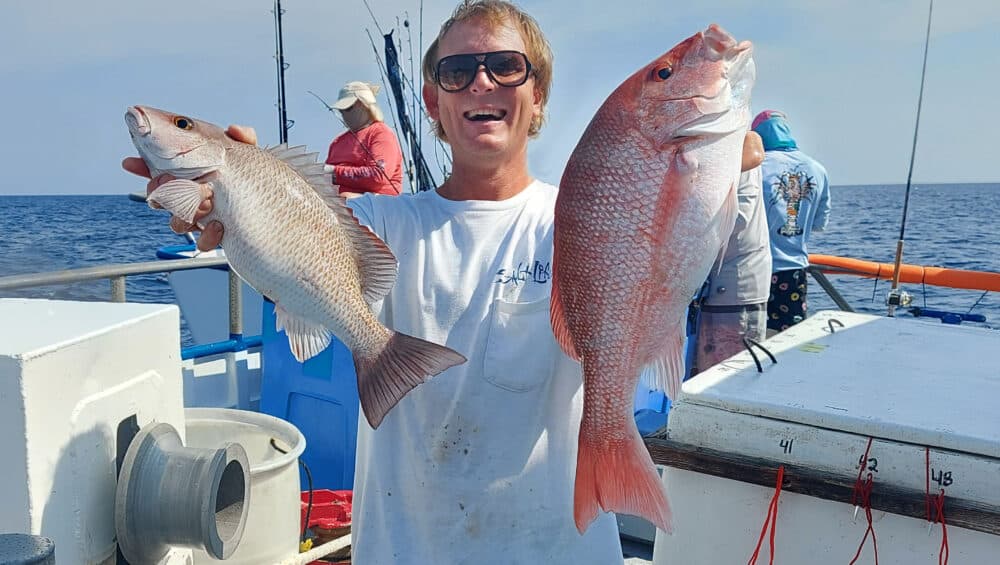
Offshore, the focus is on red snapper fishing, and it is currently going strong. We’re seeing a lot of red snapper on our long-range adventures such as the 12-hour extreme trip, 39-hour trip, and 44-hour full moon trip. Red snapper have been showing a preference for big chunks of dead bait, large strips of squid, or Benita, and even large threadfins. The deeper you go, the higher the concentration and larger the fish you’ll encounter. Starting around 150 feet and beyond is a good idea. However, most of our long-range adventures fish closer to the 180 to 200-foot mark and beyond. Red snapper are particularly fond of larger pieces of dead bait, although live bait and jigs can also be effective. We generally use 60 to 80-pound leader and a 7 to 10-ounce hook on average, depending on the size of the bait. Using a single hook rig is possible for red snapper, as they are super aggressive and tend to swallow the bait aggressively and quickly.
Red grouper fishing is also going well in our offshore waters. We’re seeing a lot of red grouper while targeting red snapper in deep offshore waters. Most of the red grouper are caught on live pinfish, which have proven more effective compared to dead bait for red snapper. Live baits like pinfish are a great option for targeting red grouper. Red grouper are generally more common once you go beyond about 120 to 140 feet of water.
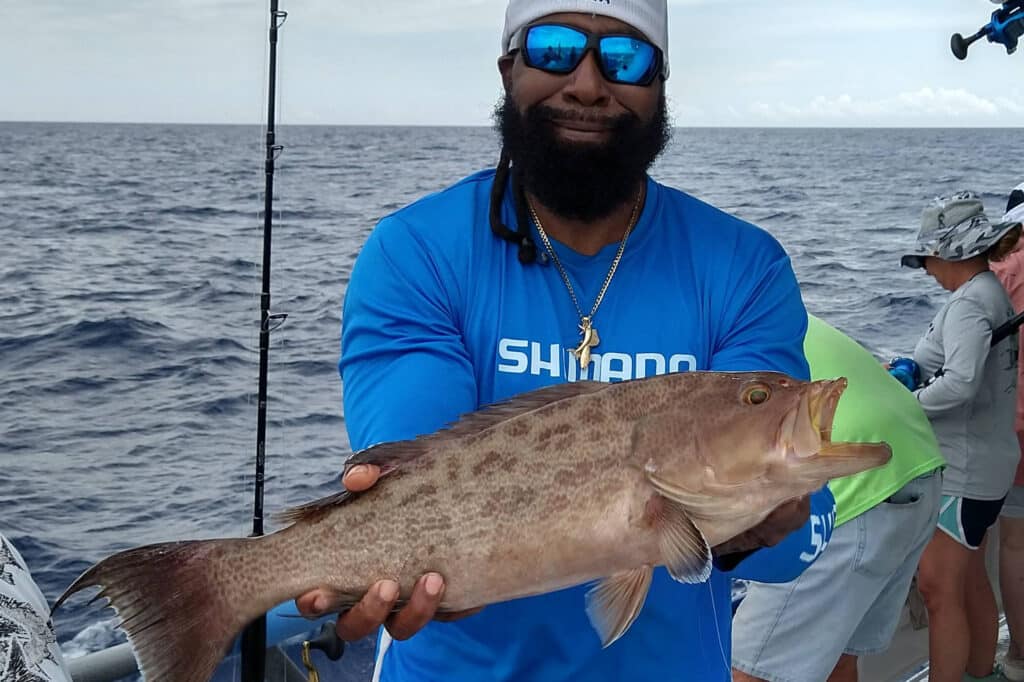
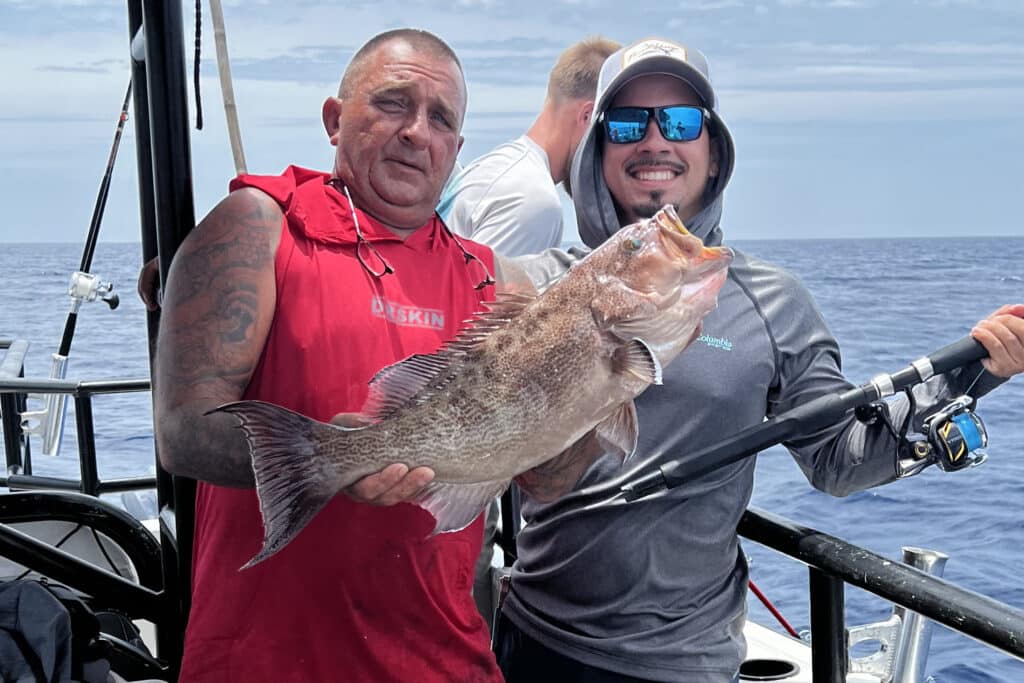
Scamp grouper are biting well in all offshore waters. We’re seeing scamp grouper biting on smaller pinfish, cut dead bait, and occasionally even squid. Slow-pitch jigs, especially in black and gold colors, are also a great option for catching scamp grouper.
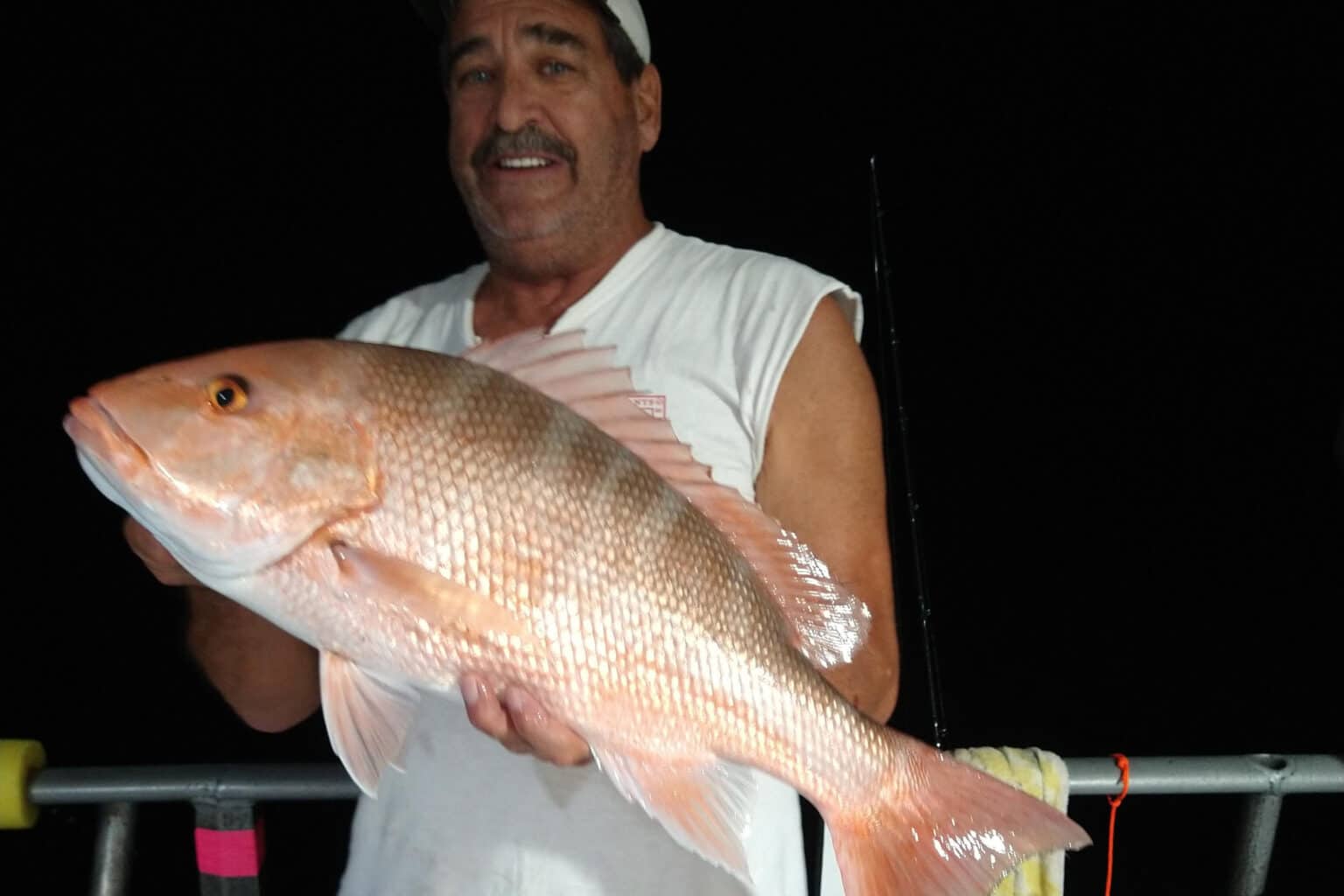
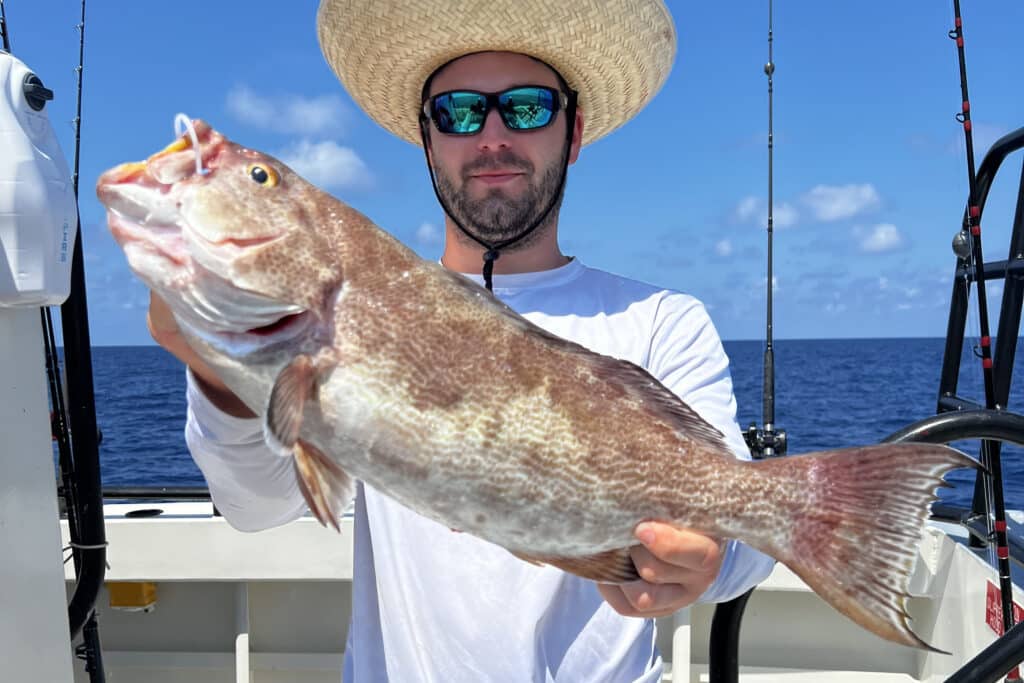
Mangrove snapper fishing is going well in the offshore waters. We’re seeing a lot of mangrove snapper actively feeding on our 39-hour trip, 40-hour trip, 12-hour night mangrove snapper trip, and occasionally on long-range private charters when we’re not actively targeting red snapper. Yellowtail snapper have been very active in our offshore waters. We’re seeing a lot of yellowtail snapper biting well, mainly on squid and occasionally live shrimp. Yellowtails are generally found in decent concentrations once you go beyond about 140 to 160 feet of water. We’re observing quite a few yellowtail snapper in different areas.
Pelagic action has also been common offshore lately. We’re seeing a lot of pelagic action while trolling with Nomad DTX minnows and Rapala X-Raps. However, we’re also getting a lot of action on the flat lines, especially on private fishing charters or when we’re out on the Flying Hub. Once you go beyond about 100 to 120 feet of water, it’s definitely a good idea to have a flat line out. You have a chance to catch blackfin tuna, kingfish, or even a big wahoo. There are also smaller school mahi-mahi or dolphin fish in high concentrations, even in shallow waters of 50 to 100 feet. So, not only do you have a chance for larger species, but you also have an opportunity to encounter school mahi-mahi during this time of year.

REMEMBER, when fishing deeper nearshore and especially offshore, the Descend Act is in effect. When in federal waters, you must have a descending device or venting tool “rigged and ready.” So, be prepared with a venting tool if you know exactly where to vent the fish. If not, here are some helpful tips: [insert URL here]. Additionally, keep in mind that using a descending device is super easy and doesn’t require as much practice or precision as venting. Right now, you can get over $100 in FREE DESCENDING DEVICE GEAR by visiting this link and taking a short course on barotrauma mitigation techniques that will help more fish survive! The course only takes about 10-15 minutes and will help you preserve, protect, and proliferate our offshore fishery. Spread the word by visiting this link: https://returnemright.org/

TERMS OF REFERENCE:

INSHORE: Back bays, bridges, and beaches.
NEARSHORE: Beaches out to twenty miles or up to 100 feet of water.
OFFSHORE: Twenty miles or 100 feet of water and beyond.

For more fishing reports, photos, videos, and more, check out Hubbard’s Marina on Facebook, Instagram, YouTube, TikTok, Twitter, Pinterest, or Snapchat. Simply search @HubbardsMarina. And don’t forget our family motto, “If you’re too busy to go fishing, you’re just too busy!” Thanks for reading and checking out our report.

Capt. Dylan Hubbard
Hubbard’s Marina
Call or text me anytime at (727) 393-1947 | 
https://HubbardsMarina.com