Inshore Fishing Report
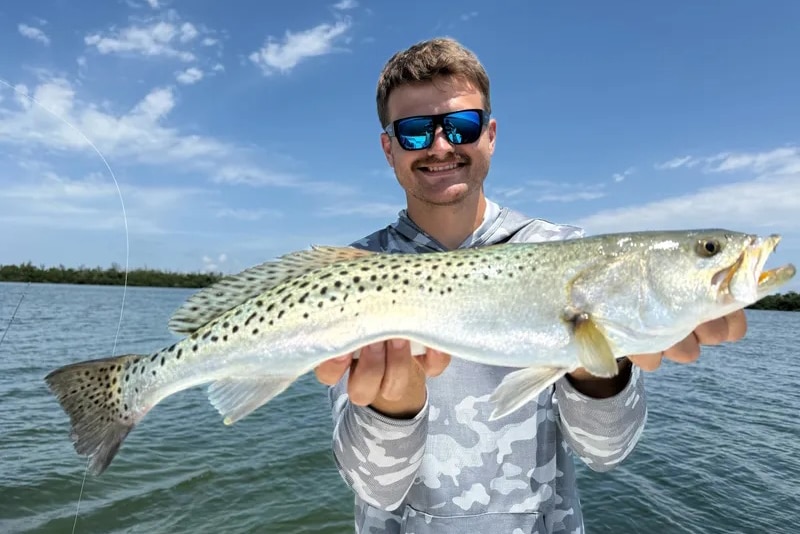
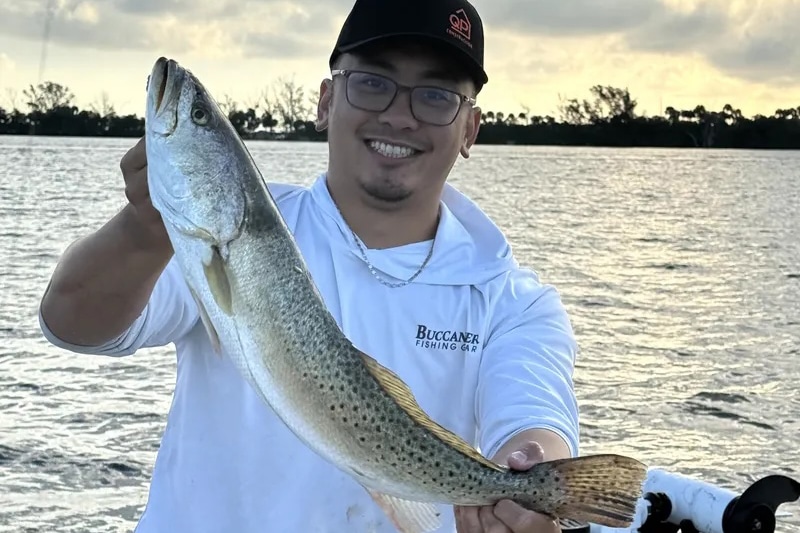
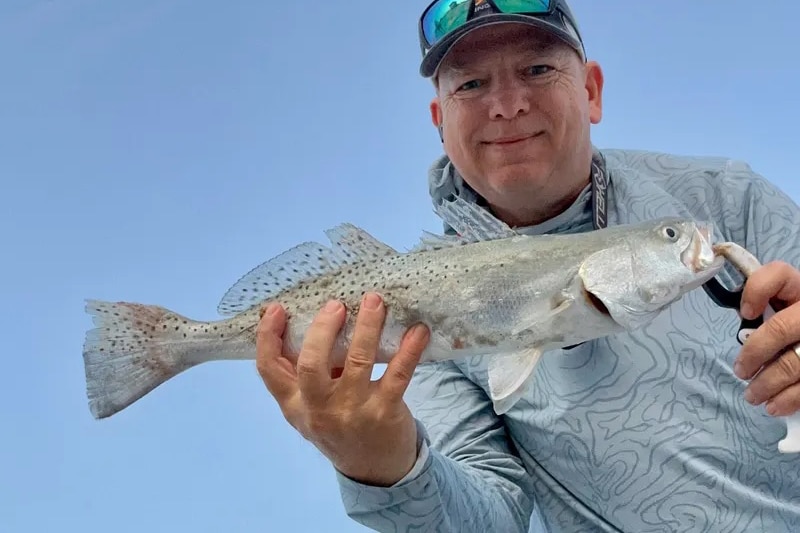
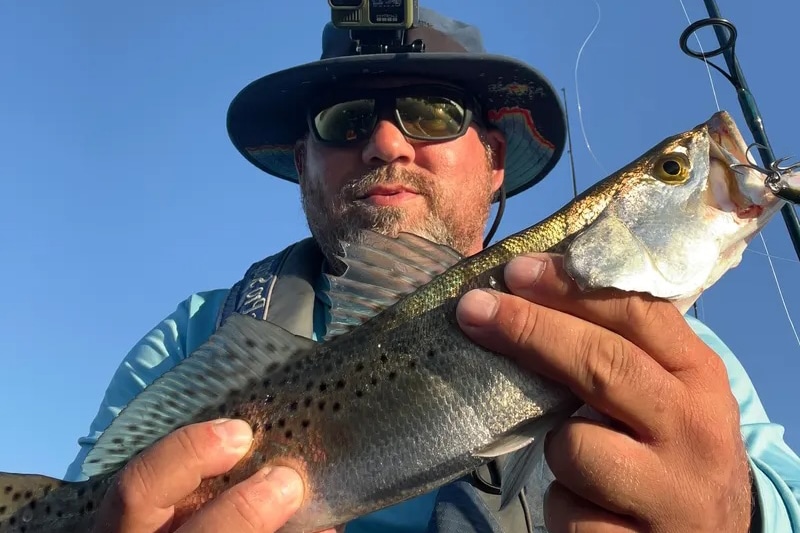
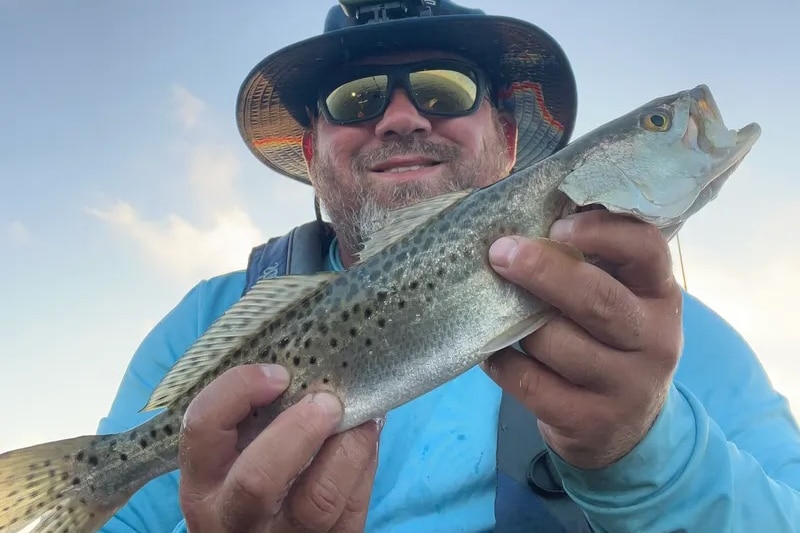
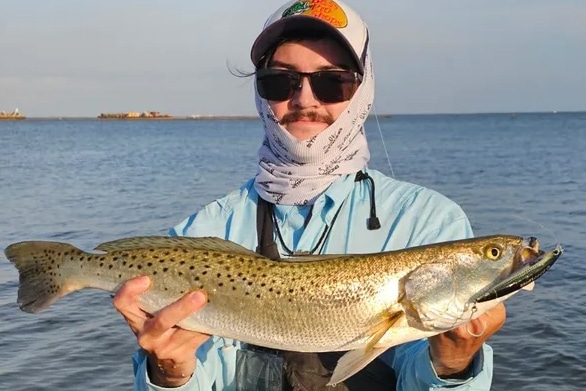
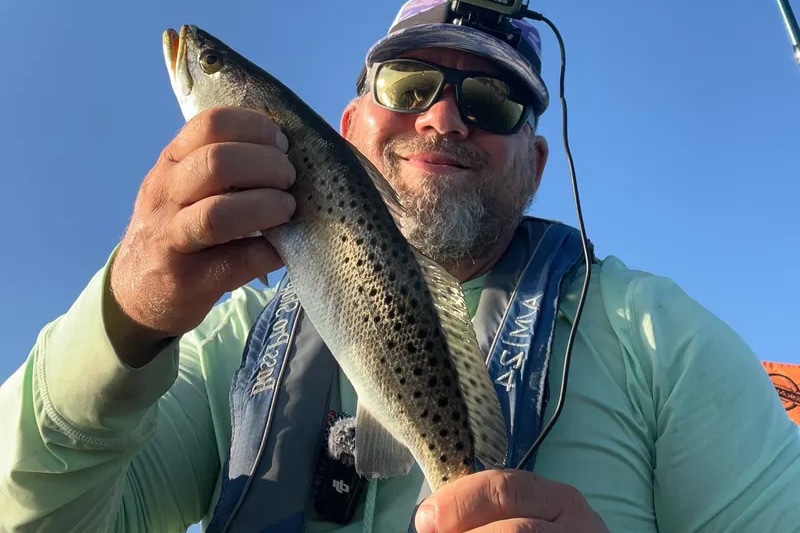
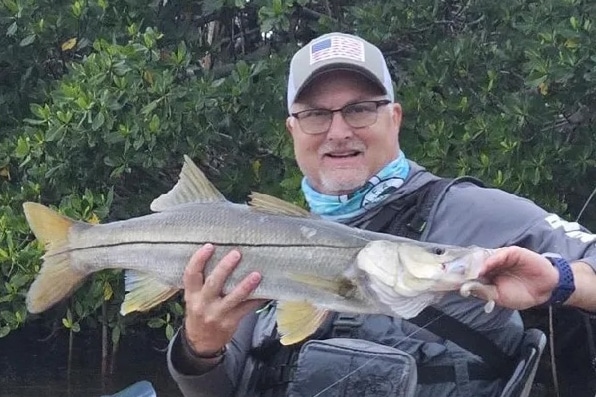
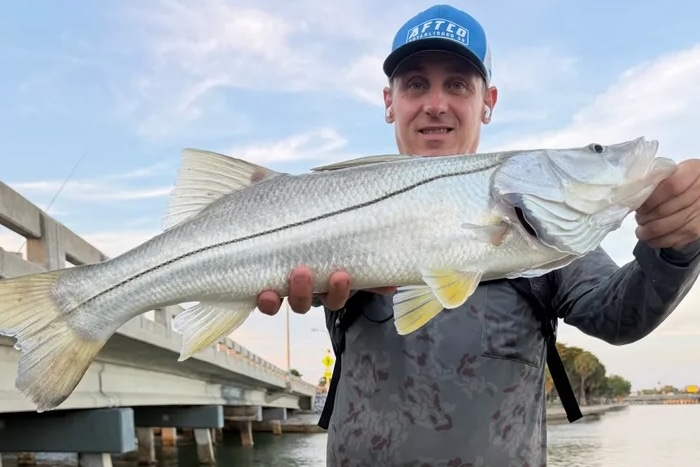
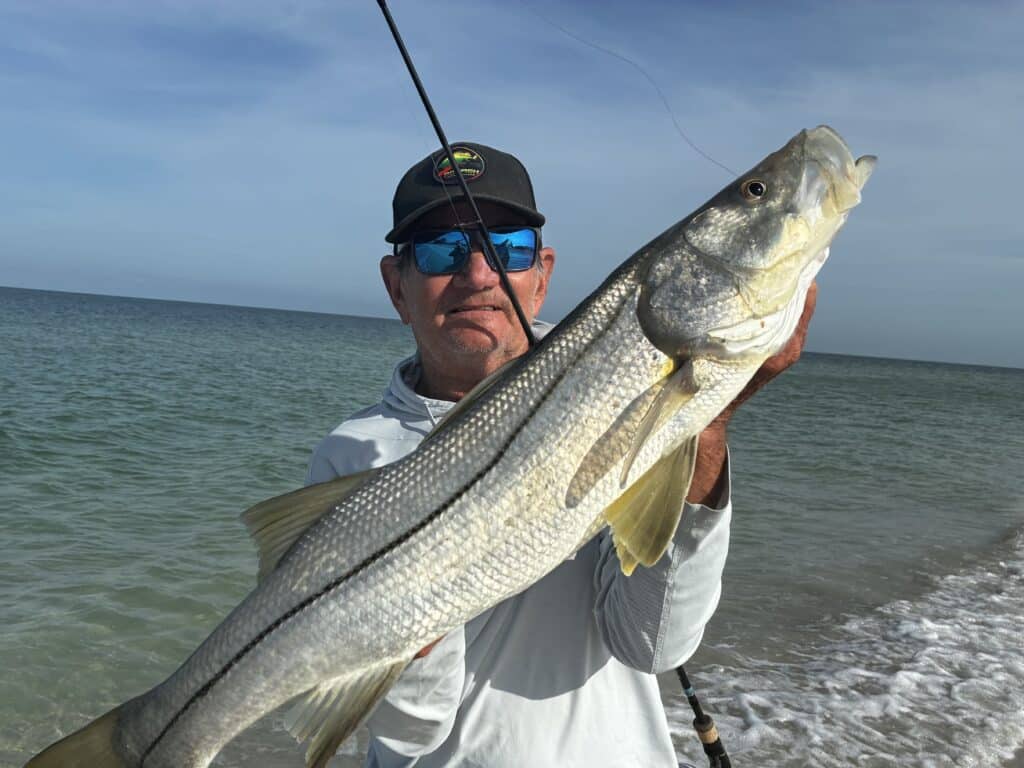
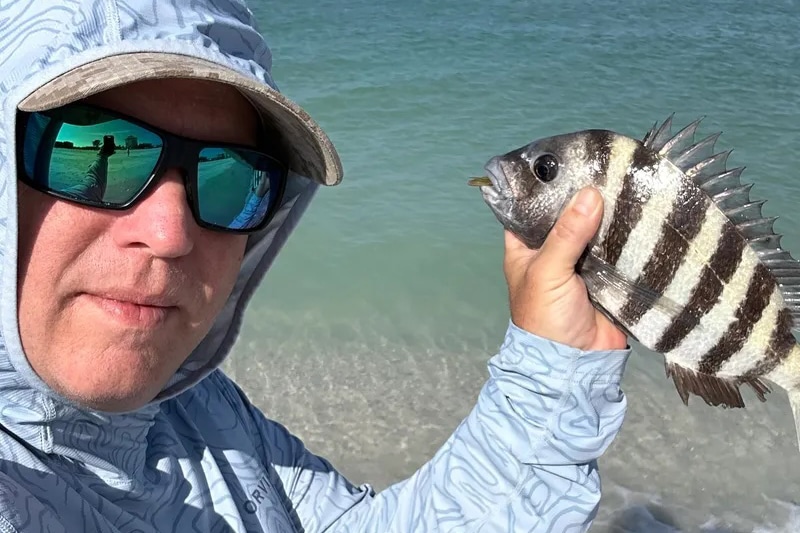
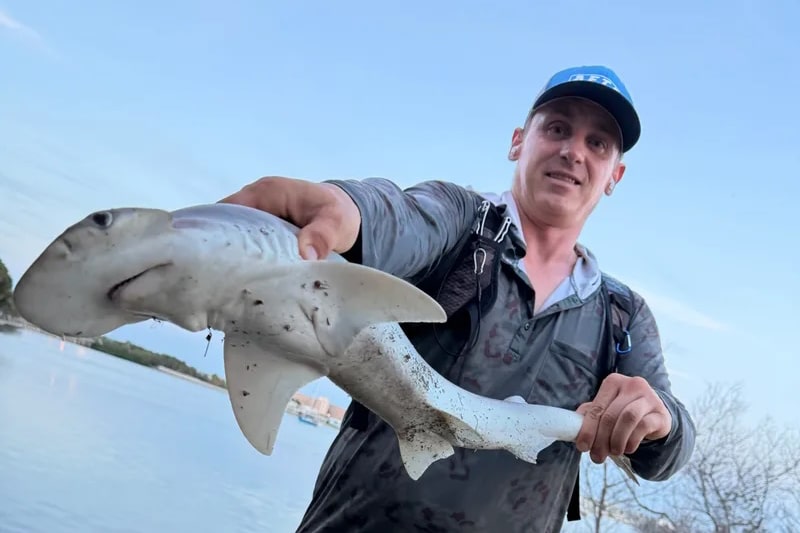
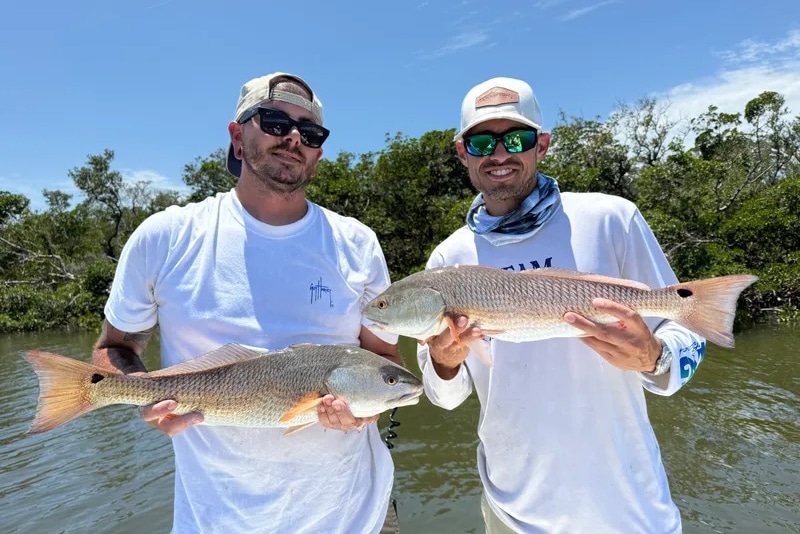
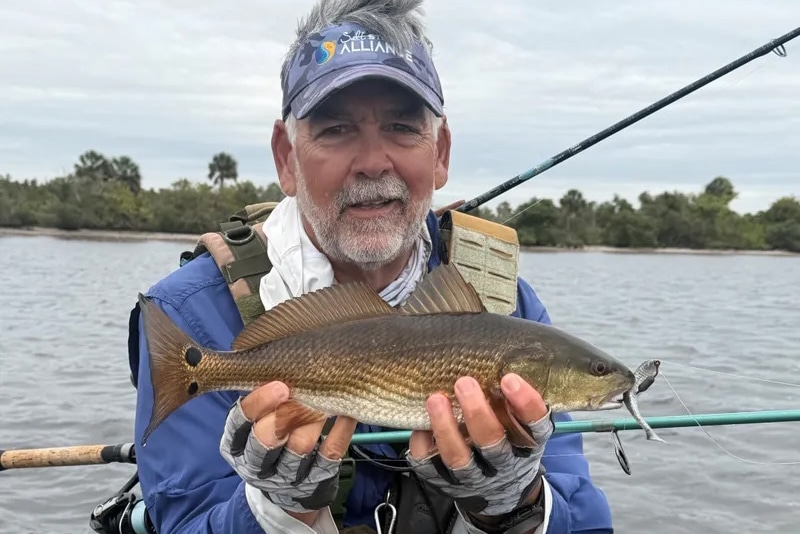
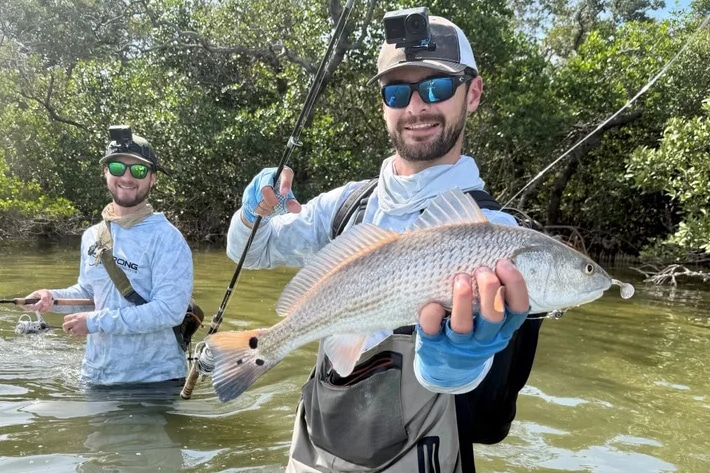
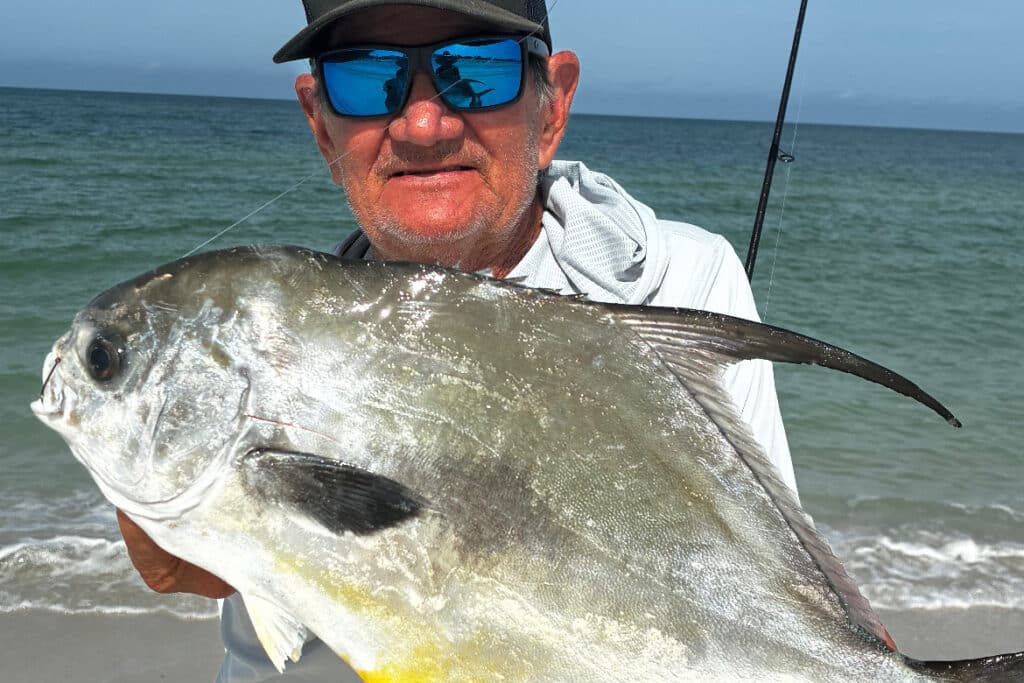
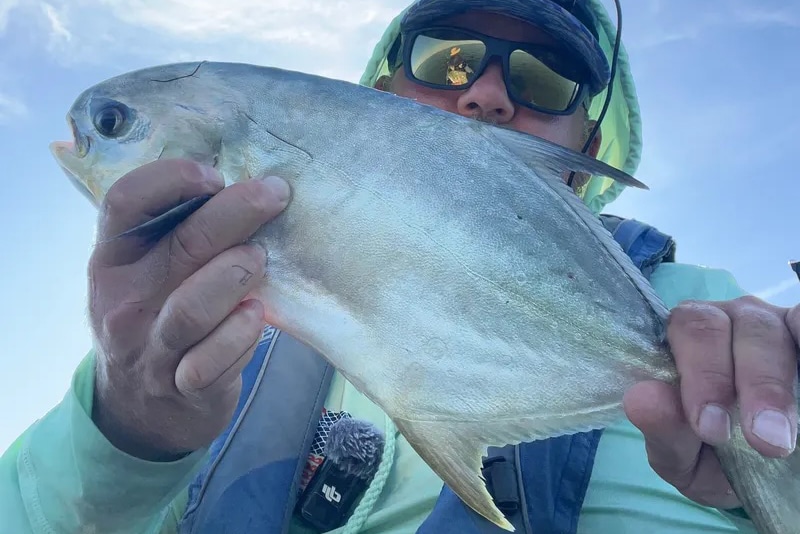
Inshore fishing around Johns Pass, Madeira Beach, Tampa Bay, the beaches, and the back bay waters is in a very exciting spring transition. We still have plenty of cooler season fish around, but the warm season players are starting to show up more and more each week. That overlap is what makes this time of year so fun. On the same trip, you can realistically talk about sheepshead, trout, redfish, snook, pompano, mackerel, sharks, drum, and even the first signs of tarpon. The key is matching your target species to the tide, water temperature, structure, and bait movement.
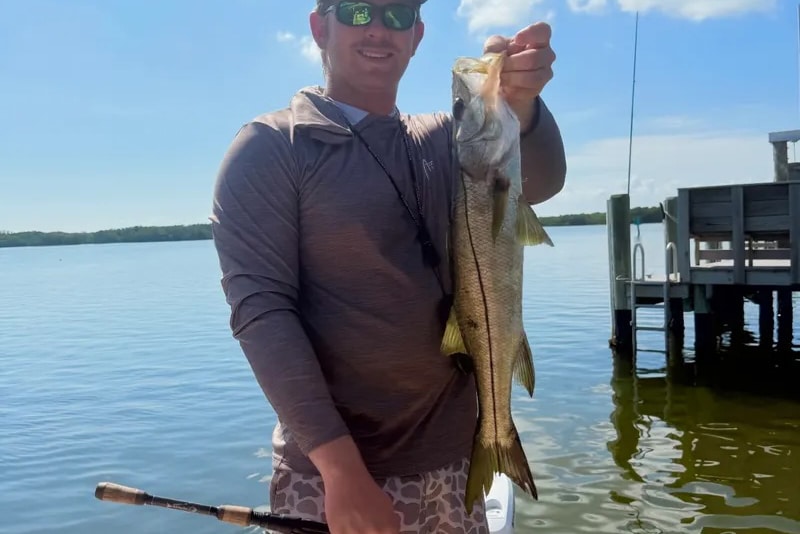
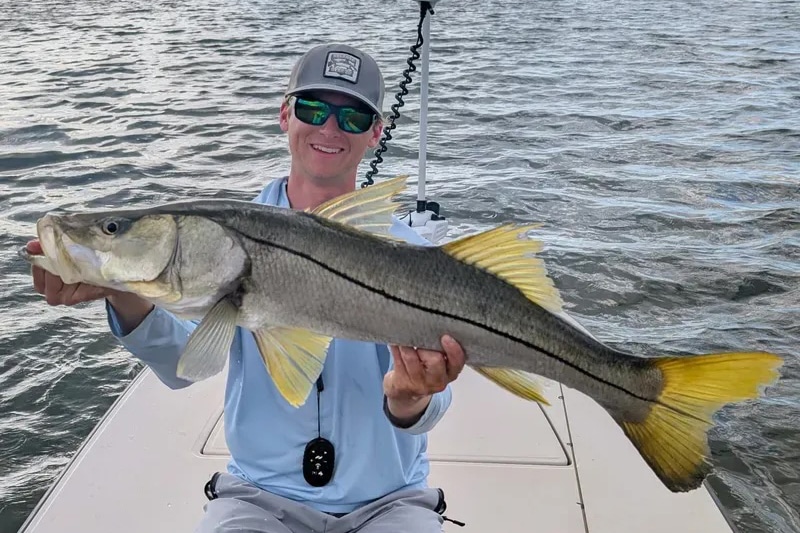
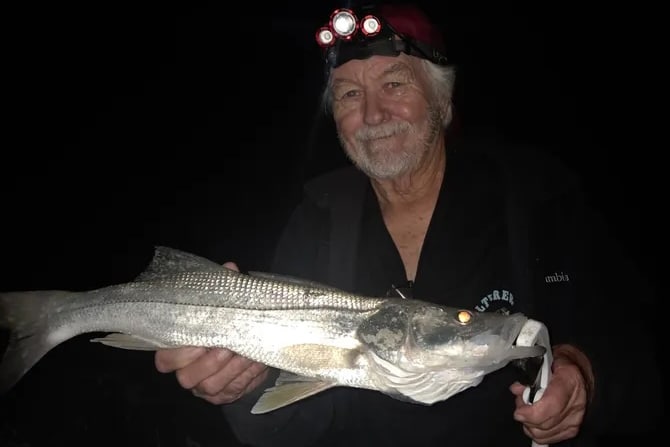
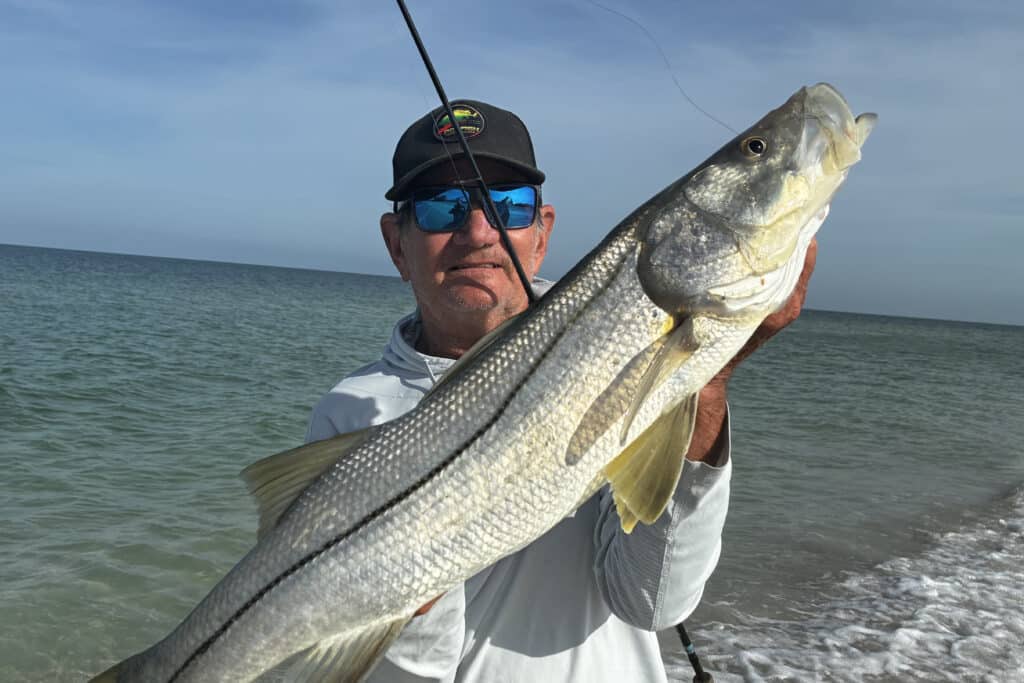
Snook are really starting to settle into their more summertime patterns returning to passes and onto beaches more and more. This movement does not happen all at once. Some fish are still tucked back in canals, creeks, rivers, and bayous, while others are sliding outward and staging closer to the mouths of the passes and along the beaches. As the warming trend continues, expect more fish to move. Look for areas where bait is being swept naturally past ambush structure. Bridge shadow lines, dock corners, mangrove points, seawall edges, and sandy potholes near current are all good places to focus.
For snook, live bait is hard to beat when they are actively feeding. Whitebait, threadfins, small pinfish, and live shrimp can all get bites. If you are fishing artificials, soft jerkbaits, paddletails, flair hawk style jigs, and suspending twitchbaits are all solid options. Around slower tides, keep your presentation subtle and patient. Around stronger moving water, especially as we approach the new moon, you can fish more aggressively and allow the current to sweep your bait naturally through the strike zone. If the water is clean, lengthen your leader and make longer casts.
Trout action remains solid around the area. We are still seeing good numbers on the flats, along deeper grass edges, around potholes, near mangrove shorelines, and along some beach troughs. Some of the better trout are showing in slightly deeper water or on the edges where they can sit comfortably and ambush bait moving past. During slower tides, focus on potholes, deeper troughs, and edges where trout can conserve energy. As the water starts moving better later in the week, they should become more active across the flats and around current-washed points.
Live shrimp remains one of the best trout baits in the region. You can fish shrimp free-lined, under a popping cork, or with a light split shot depending on current and depth. Soft plastics are also very productive. Small paddle tails, shrimp imitations, and twitchbaits worked slowly over grass and sand potholes can produce steady action. In clean water, use more natural colors and lighter fluorocarbon. In more murky water, go with a little more contrast or vibration. At night, dock lights and bridge lights can still produce excellent trout action when bait is present. Work the shadow line, not just the brightest part of the light. Many of the better fish will sit just outside the glow and rush in to feed.
Redfish are still schooled up in good pockets around flats, mangrove islands, oyster bars, and dock lines. We are seeing those fish move more like spring reds now, roaming between areas and feeding in shorter but sometimes more aggressive windows. If you want to find redfish, start by finding life. Mullet schools, schooling bait, birds, wakes, pushes, and mud puffs are all great signs. Around slower tides, redfish may settle tighter to structure or deeper edges. Around stronger incoming tides, they may push up along mangrove shorelines and oyster bars to feed on crabs, shrimp, and baitfish.
For redfish, cut bait is still one of the best options when you know fish are in the area but they are being picky especially along the mangroves during a high tide. Cut mullet, ladyfish, pinfish, or threadfin can be excellent. Live shrimp, small pinfish, and whitebait work well when fish are active. Artificial anglers should keep paddletails, weedless jerkbaits, gold spoons, and soft plastics ready. On higher water, work mangrove edges and flooded shoreline cover. On lower water, focus on potholes, oyster bar edges, and sandy troughs where fish fall back and wait for the tide to return.
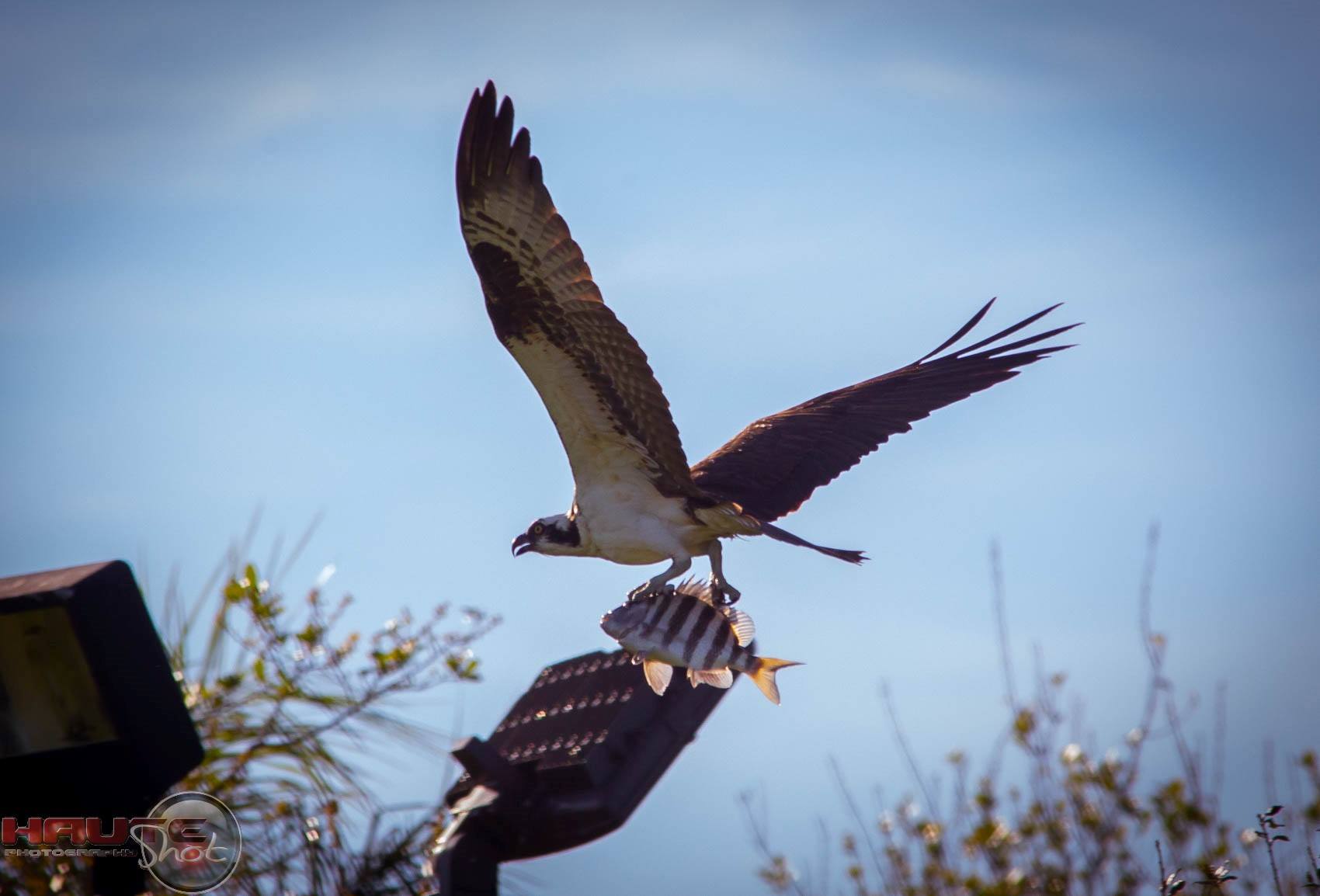
Sheepshead are still around in good numbers, though we are slowly moving toward the time when they thin out as water warms. For now, they remain one of the most reliable inshore targets, especially around docks, piers, bridges, jetties, seawalls, and rock piles. Anything with barnacle or oyster growth is worth checking. Small baits are the key. Use tiny pieces of shrimp, fiddler crabs, oyster, clam, or small crab pieces on a small sharp hook with minimal weight. Keep the bait tight to the structure and stay focused. Sheepshead bites are often subtle, and many anglers miss them because they wait for a big pull that never comes.
Black drum are also part of the inshore mix right now. Bigger drum are often found around bridges, deeper passes, channel edges, and larger structure, while smaller and mid-size fish can show around oyster bars, flats, and sandy edges. Shrimp and crab are the top baits. When fishing bridges or deeper structure, use enough weight to hold bottom and keep the bait close to pilings or current breaks. On the flats, lighter tackle and a quieter approach can help. Drum are not always flashy, but they are dependable, hard pulling, and great targets when conditions are a little slower.
Pompano action is picking up slowly. It is still spotty, but it is a fun bite to target when you find them. Look around sandy passes, beach troughs, bridge edges near passes, and cleaner moving water. Pompano jigs bounced along the bottom are the classic choice. Small shrimp pieces, sand fleas, and small bits of clam can also work. The trick with pompano is staying mobile. They move quickly, and one area can be quiet for hours and then suddenly come alive when a school pushes through.
Mackerel are active and becoming a major part of the inshore and beach bite. Around deeper bridges, the mouth of the bay, passes, jetties, and areas with thick bait, Spanish mackerel can fire up fast. Watch for bait showering, birds dipping, and flashes on the surface. Fast moving flashy lures like spoons, Gotcha style plugs, small jigs, and small trolling plugs all work well. If you are using live bait, a long shank hook or light wire helps reduce cutoffs, but if the fish are leader shy, fluorocarbon can get more bites even if you lose a few rigs.
Shark activity is becoming more and more prolific as waters warm. Bonnetheads, blacktips, and other sharks are showing around beaches, passes, flats, and deeper channels. This can be a great way to add excitement to a trip, especially for families or anglers who want a big pull. Fresh cut bait is the go-to. Use appropriate tackle, avoid excessively long fights, handle them carefully, and release them safely. As spring progresses, shark activity will continue to increase.
Tarpon are not fully here in force yet, but they are absolutely around and getting better every week. As bait thickens and water temperatures stabilize, we should start seeing more fish along the beaches, around the passes, near bridges, and eventually rolling through the bay. Early season tarpon can be a little inconsistent, but when you start seeing them more regularly it is a sure sign that spring is turning the corner toward summer. Keep an eye on calm mornings, bait pods, and rolling fish around the passes and beaches.
Fishing Tips
- Snook: Use live baits like greenbacks, threadfins, and shrimp, or try flair hawks and soft plastics at night.
- Redfish: Look for them around mangroves, oyster bars, and flats, and use dead baits during higher tides.
- Trout: Target them with soft plastics, white bait, and shrimp around deeper flats and potholes.
- Tarpon: Target them during the full moon with crab flushes, making it an ideal time to target them.
- Flounder: Find them near sandy bottoms and structures, biting on bottom baits.
- Pompano: Be prepared to move frequently to stay on their bite.
- Sharks: Use big dead baits in areas with moving water.
Help spread the word about what to do if you hook or entangle a bird. Never cut the line; instead, reel in the bird carefully to dehook and release it. If you accidentally hook a dock, break the line at the hook to avoid leaving any line in the water. Seabirds with fishing lines hanging from them are becoming more common, and this could lead to the closure of fishing areas.
Rising concerns about bird entanglements might result in closing fishing spots, impacting the few available locations around Tampa Bay from shorelines, docks, bridges, or piers. Learn more in our podcast with Salt Strong: https://www.saltstrong.com/articles/shutting-down-fishing-at-busy-pier/.
NEarshore Fishing Report
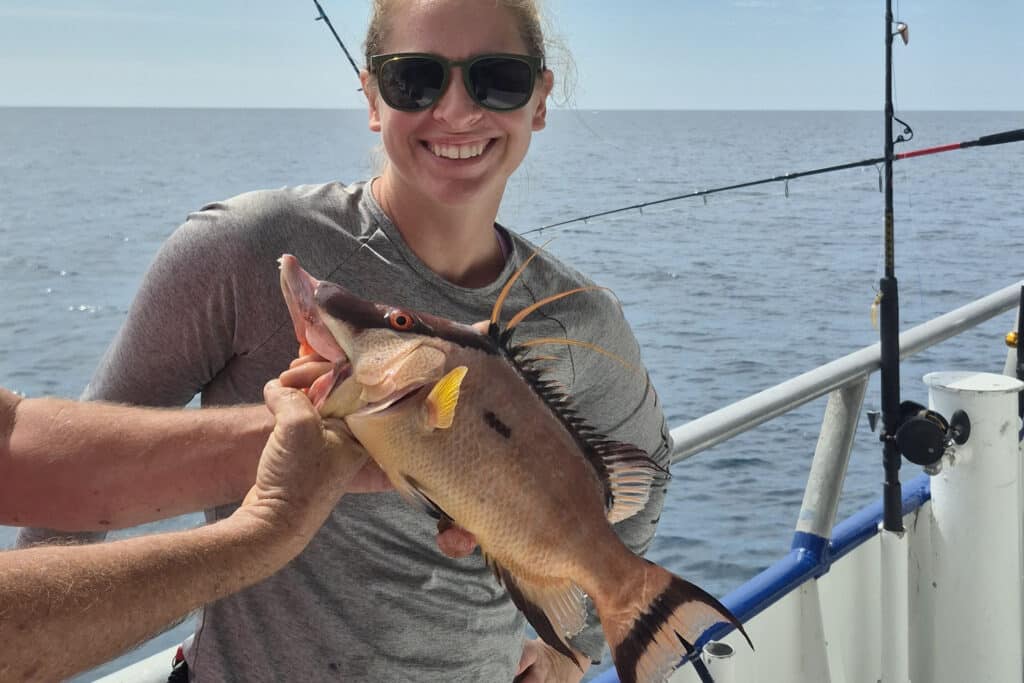
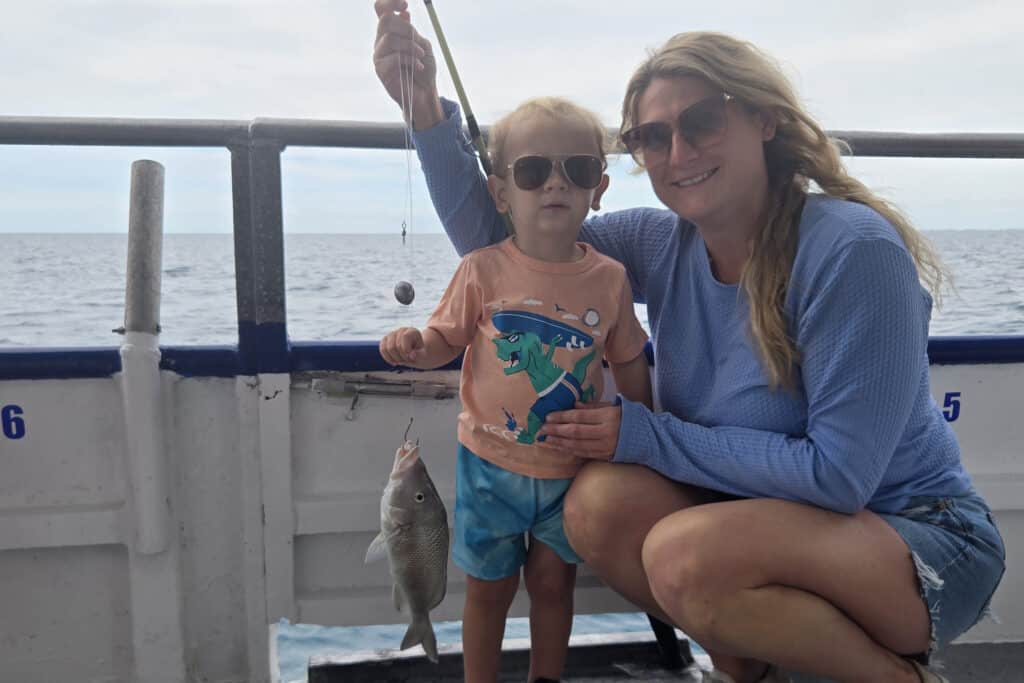
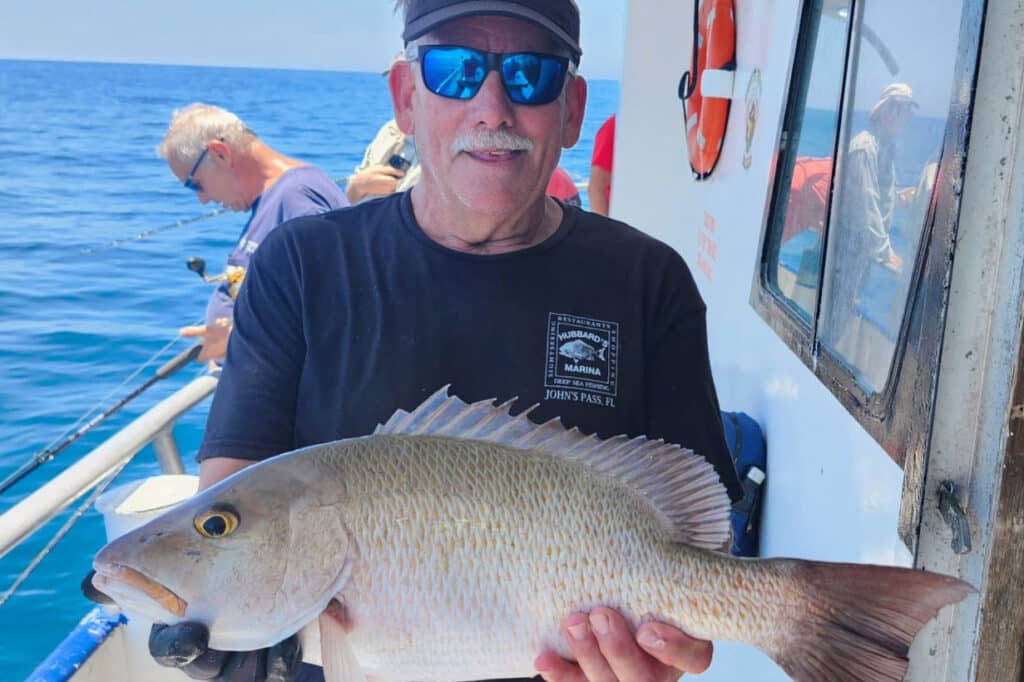
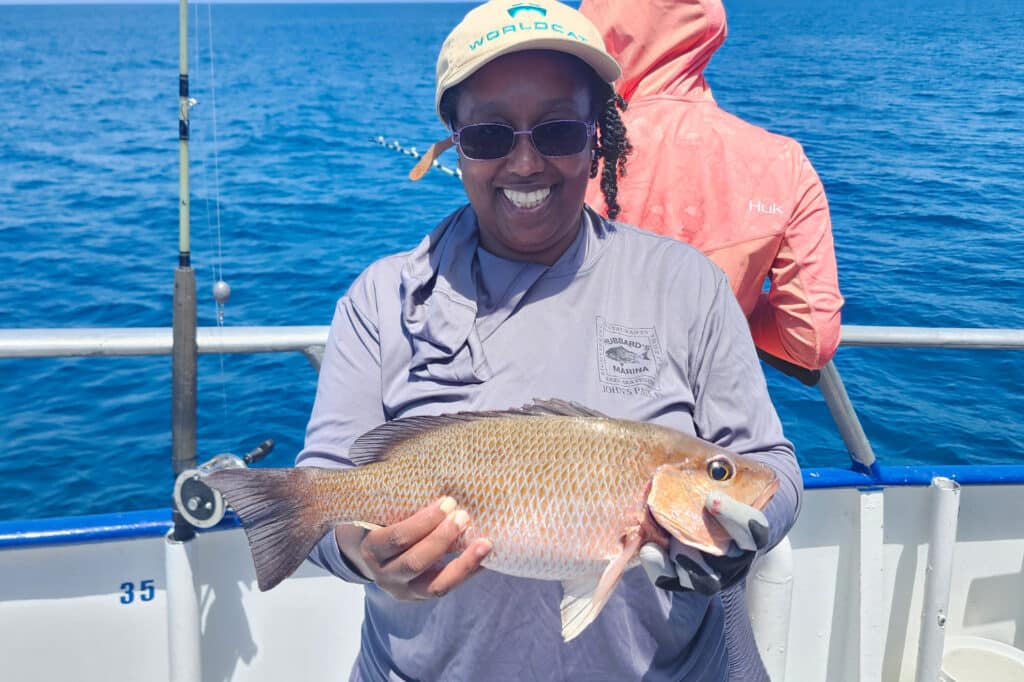
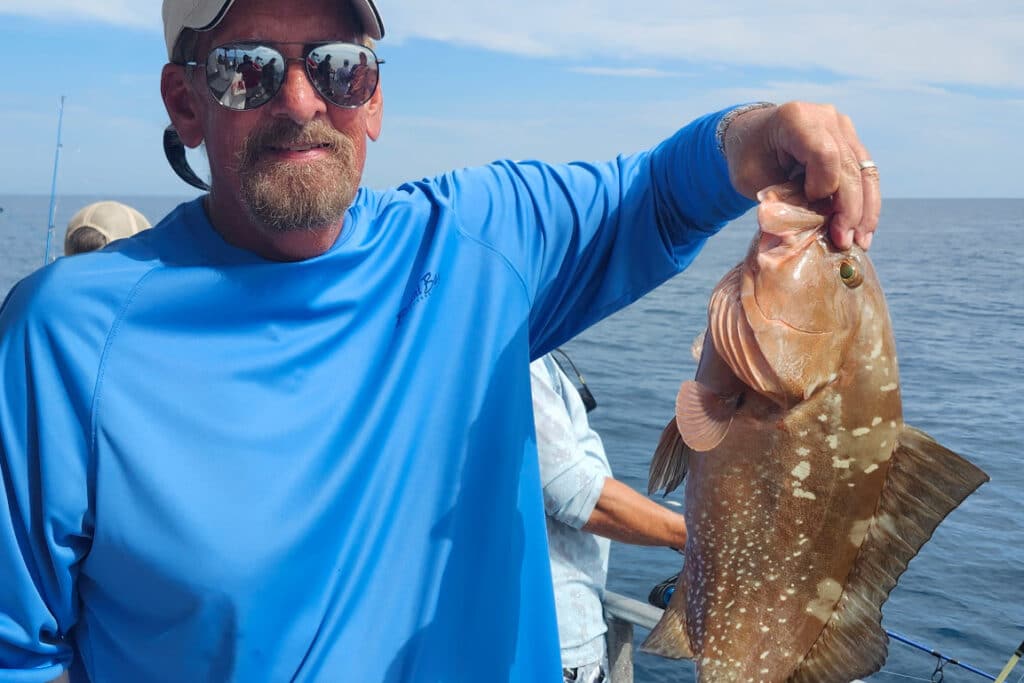
Near shore fishing off Johns Pass and Madeira Beach is shifting deeper into a spring pattern. Lane snapper are picking up, mackerel are active, kingfish are becoming more likely, hogfish are slowing as water warms, and mangrove snapper and red grouper remain good possibilities when fishing the right depths and structure. This is a great time to be flexible. A good near shore trip right now might include bottom fishing, live baiting, trolling, and keeping a pitch rod ready all in the same day.
Lane snapper are picking up near shore as water temperatures climb. These fish are excellent eating, aggressive when they are fired up, and often provide steady action once you find the right bottom and depth. Lane snapper generally become more consistent as you move into deeper near shore waters with hard bottom, ledges, shell, and scattered structure. Shrimp, squid, and cut threadfin are all productive. Larger lanes often prefer live shrimp or fresh cut threadfin chunks. If you are getting small pecks and missing fish, downsize the bait and hook.
Hogfish are still around, but the bite is starting to slow as the warming trend continues. This is very normal for our area. Hogfish are at their best for us in cooler months, and as water warms they spread out, get more finicky, and become harder to target consistently on hook and line. We should still have some opportunities for a bit longer, especially in that 40 to 70 foot range around smaller ledges, broken hard bottom, shell patches, and low profile structure. If you want hogfish, now is the time to get after them before they thin further.
For hogfish, live shrimp remains the top bait. A lighter spinning setup is ideal. We like a 4000 to 5000 size spinning reel with 20 to 30 pound braid, a long 10 to 15 foot fluorocarbon leader around 30 pound test, a 3/0 to 4/0 hook, and 1 to 2 ounces of lead depending on current. The long leader helps keep the presentation natural and gives the bait a little separation from the braid. Keep your shrimp lively, avoid overworking it, and give the spot time. Hogfish are often not the first fish to bite. You may catch grunts, porgies, and snapper before the hogfish finally settle in.
Mangrove snapper are around near shore, but they are more consistent as you move into deeper near shore waters. They can be spotty shallower, especially if the water is very clear or if the current is weak. Small chunks of cut threadfin, live shrimp, or small live baits can all work. Mangroves are smart, leader shy fish, so presentation matters. If you are marking fish or seeing them but not getting bites, lighten your leader, shorten the bait piece, reduce hook size, and let the bait drift naturally with the current. Avoid spinning baits or heavy rigs that look unnatural.
Red grouper are occasionally coming up in deeper near shore waters. Near shore red grouper fishing usually means sorting through shorter fish before finding a keeper, but the right piece of bottom can absolutely produce. Look for hard bottom, cracks, potholes, low relief ledges, and areas with bait and life. Bigger baits help. Whole squid, thick strips of cut bait, bonita strips, or live pinfish can help target better fish and reduce some of the smaller pecker bites. If you catch several small red grouper quickly, that is a sign you are around the right type of bottom, but you may need to slide around to find the better class of fish.
Mackerel are active near shore and remain one of the most exciting springtime targets along the beaches, wrecks, reefs, and hard bottom areas where bait is present. Spanish mackerel are fast, aggressive, and perfect for light tackle action. Trolling small spoons, plugs, and feathers between spots can help locate fish. Casting spoons or jigs into surface activity is also very productive. Watch for birds, bait showers, and flashes. Mackerel can turn on quickly, and when they do, you want to have a rod ready.
Kingfish are also becoming more likely as bait increases and water temperatures stay favorable. We are seeing more signs that the kingfish bite is building. Most of the fish early in the push are schoolie sized, but there are always bigger ones mixed in. Slow trolling live bait, flat lining around wrecks and reefs, or pulling diving plugs and spoons can all work. If you are bottom fishing near shore, keep a flat line out when bait is present. Many kingfish are caught by the angler who was simply ready when one swam through.
Fishing Tips
- Red Grouper: Target the deepest near shore waters with big dead baits or solid live baits. Use 60 lb test and 7/0 hooks for best results.
- Red Snapper: Use big dead baits like whole squid and bonita strips with heavy tackle to focus on larger fish. Prime trips include the 12-hour extreme, 39-hour, and 44-hour trips.
- Scamp Grouper: Use small to medium pinfish and cut threadfin, especially while targeting mangrove snapper.
- Mangrove Snapper: Near shore, use live shrimp and small chunks of threadfin on 30-40 lb test with 3-4/0 hooks. Offshore, use bigger chunks of cut threadfin or medium pinfish on 40-60 lb test with 5-7/0 hooks.
- Vermillion Snapper: Start around 100 feet of water using cut squid or threadfin. These fish are aggressive and not leader-shy.
- Yellowtail Snapper: Use shrimp, cut squid, and threadfin.
- Pelagic Species: Keep flat lines and pitch rods ready for sailfish, kingfish, wahoo, tuna, and mahi mahi.
Offshore Fishing Report
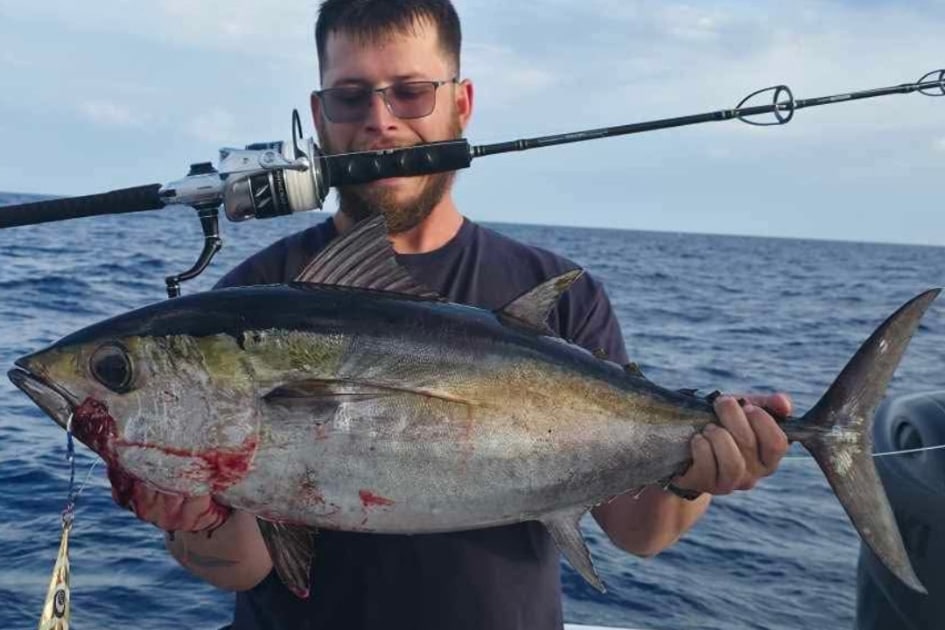
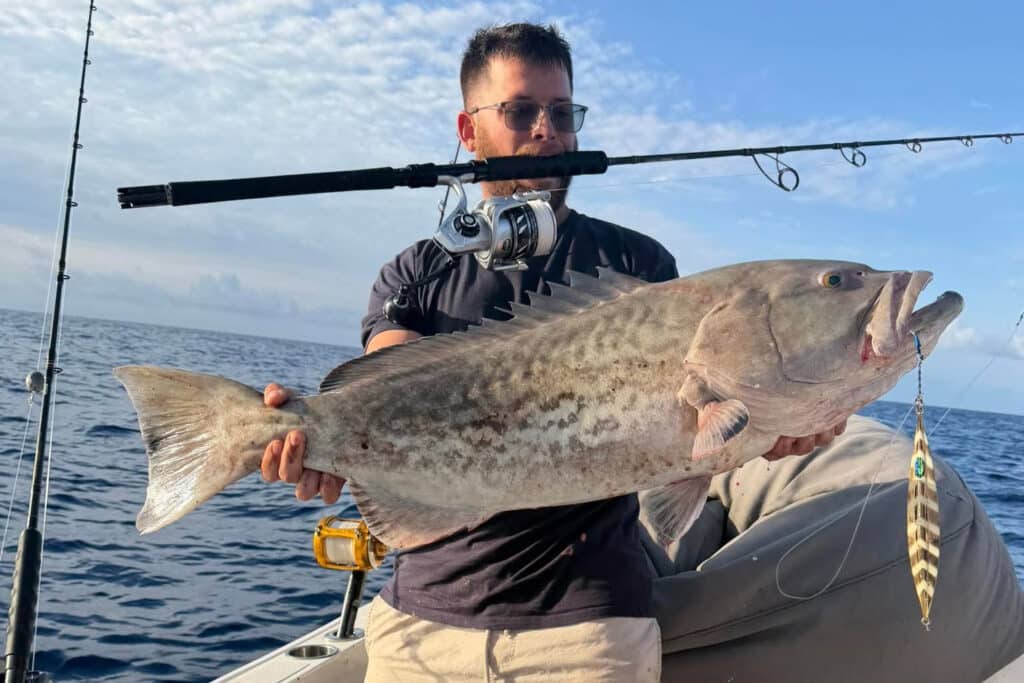
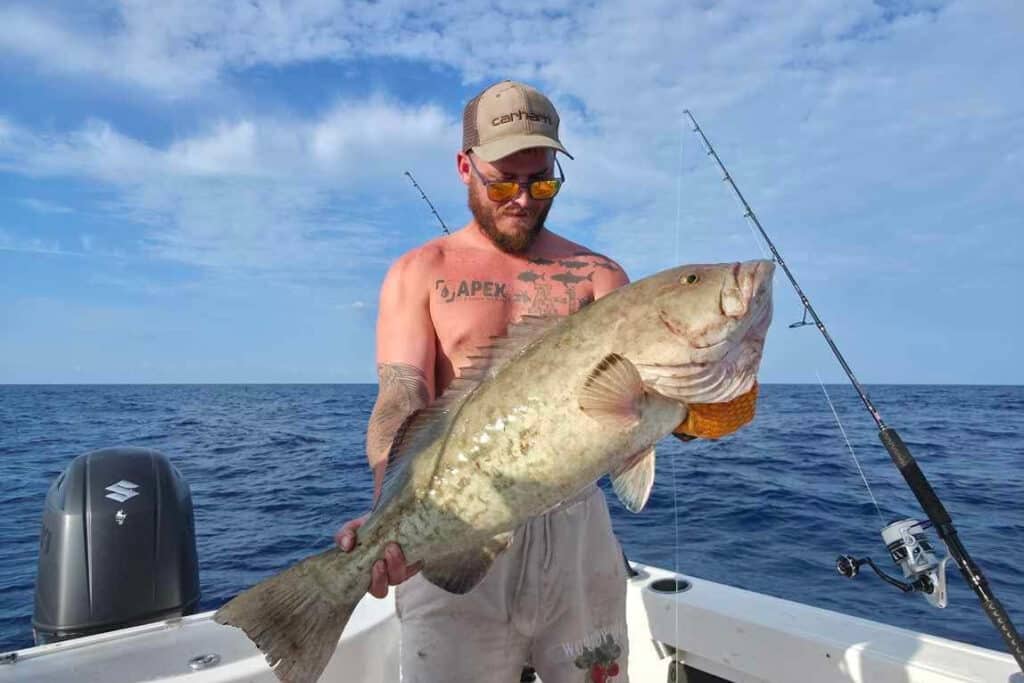
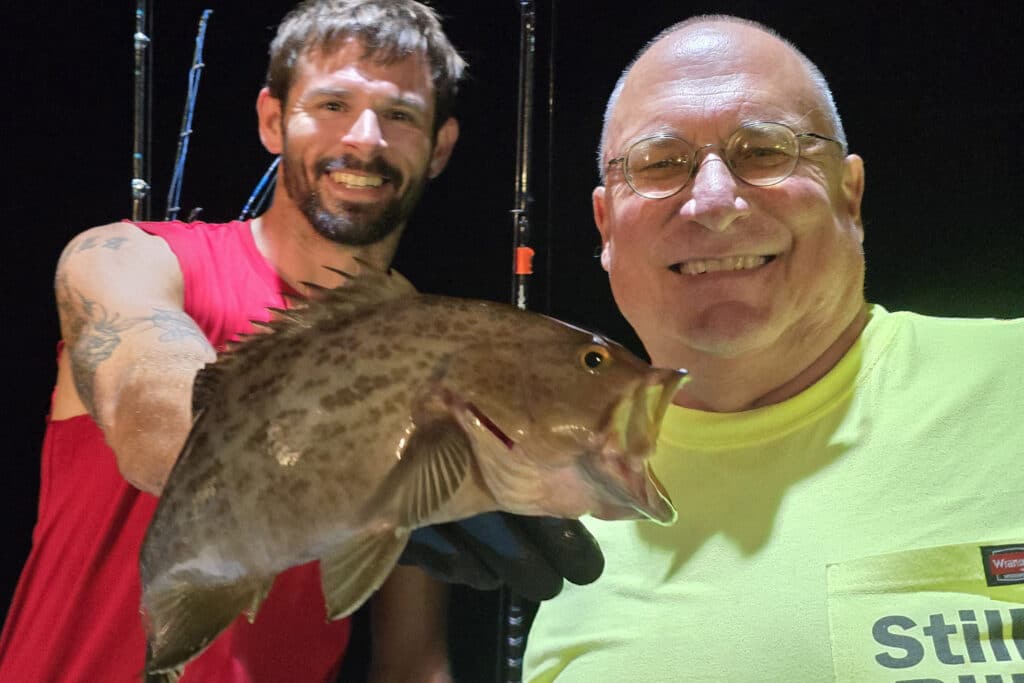
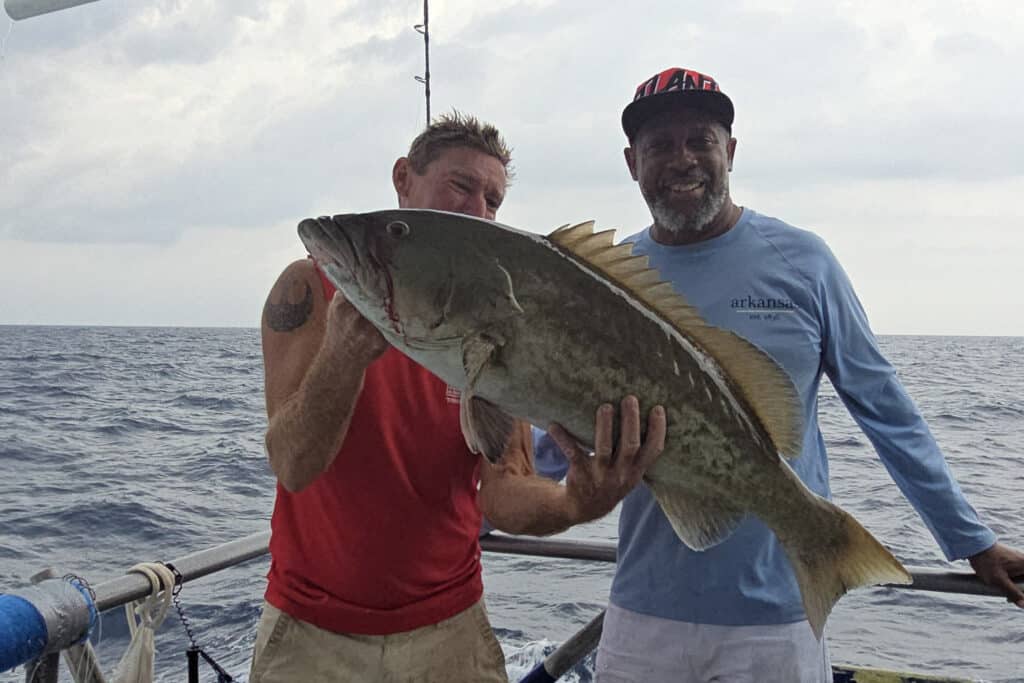
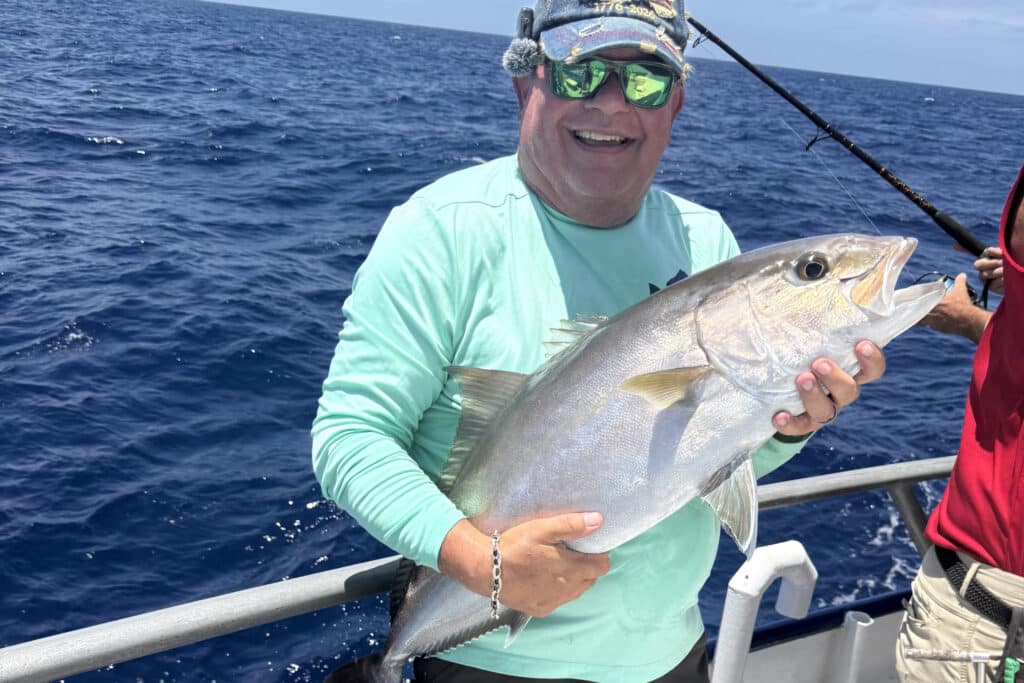
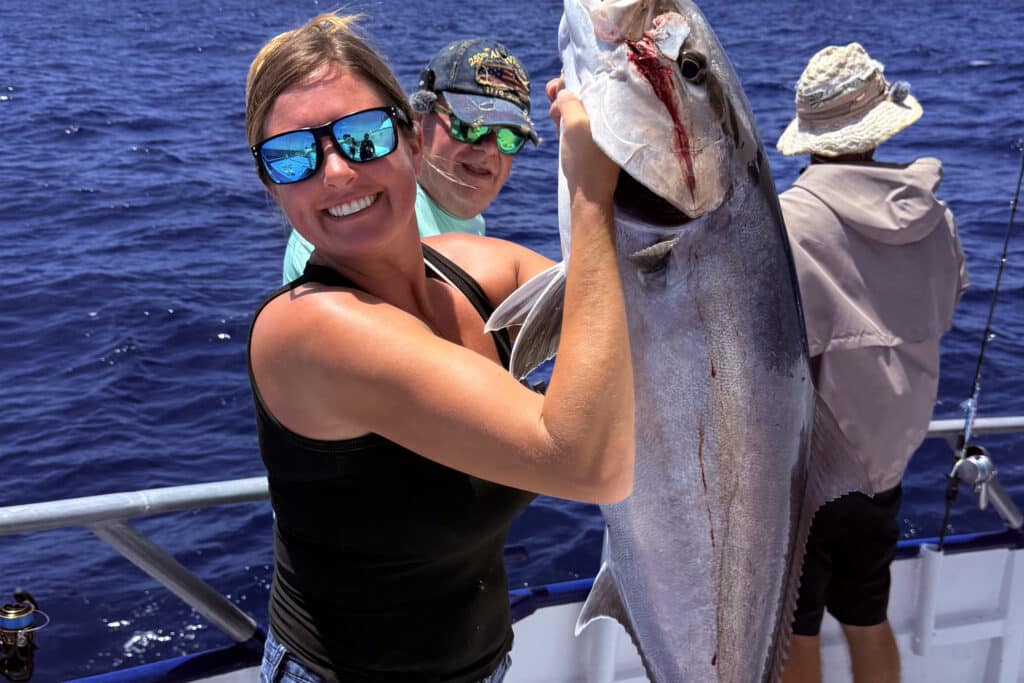
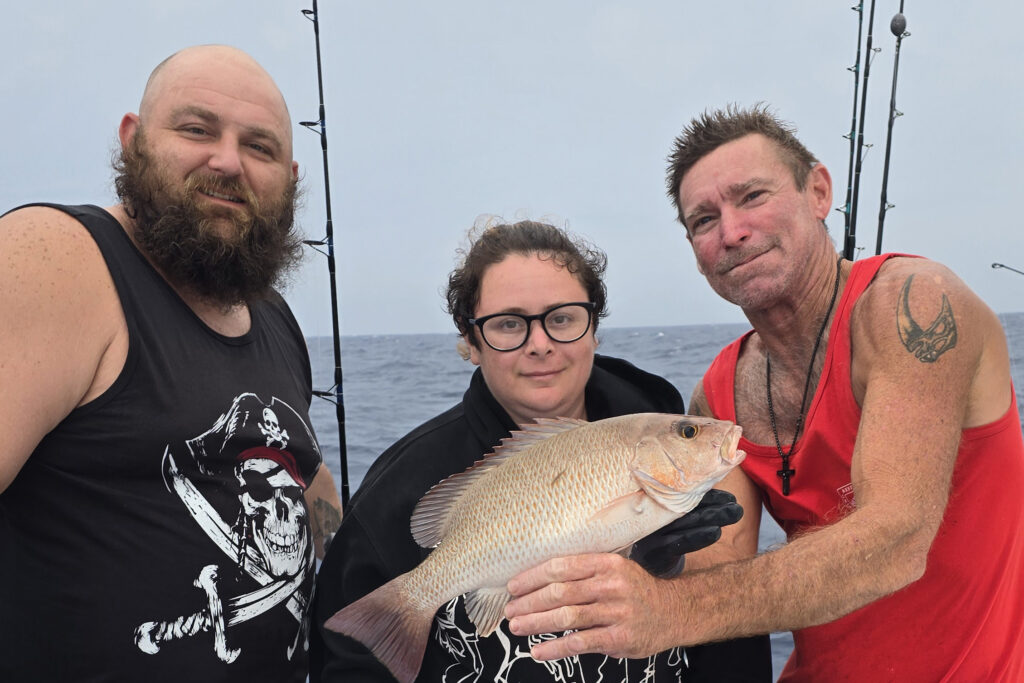
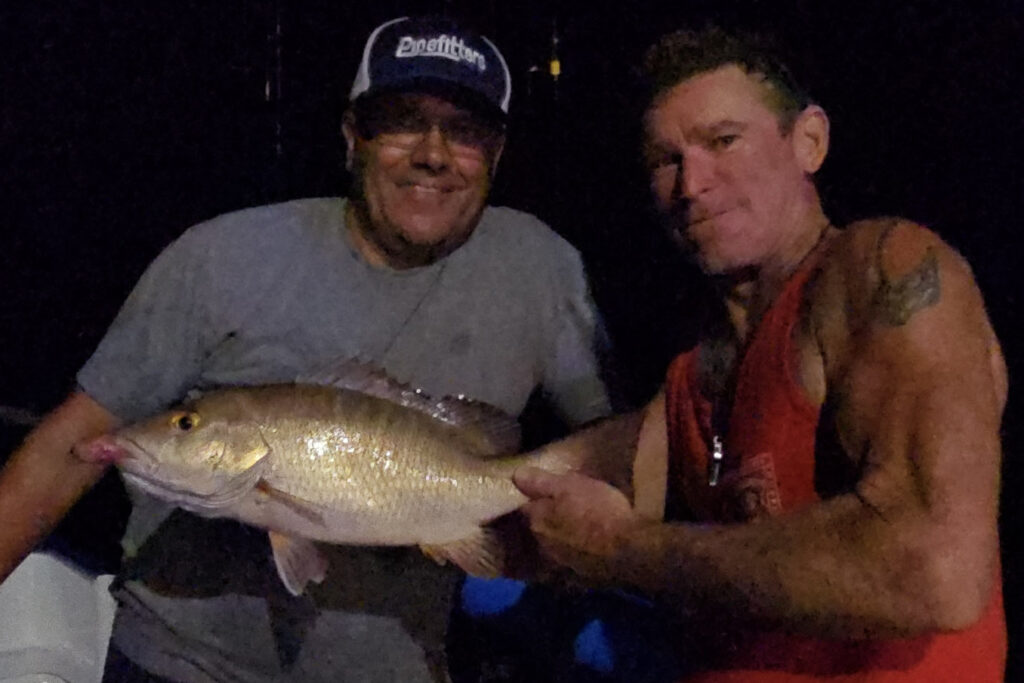
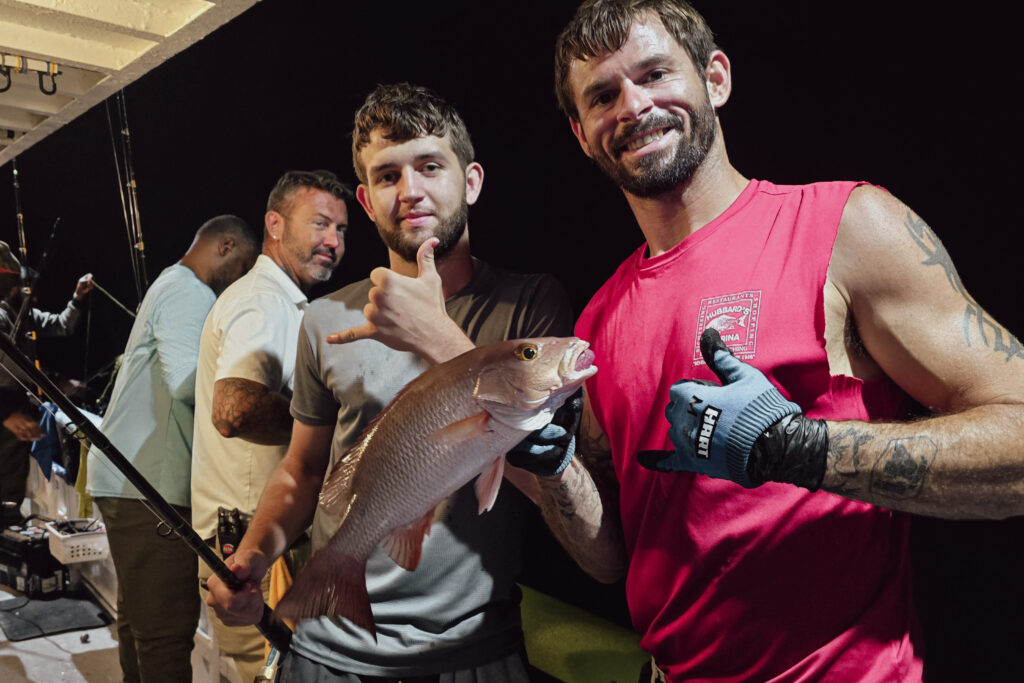
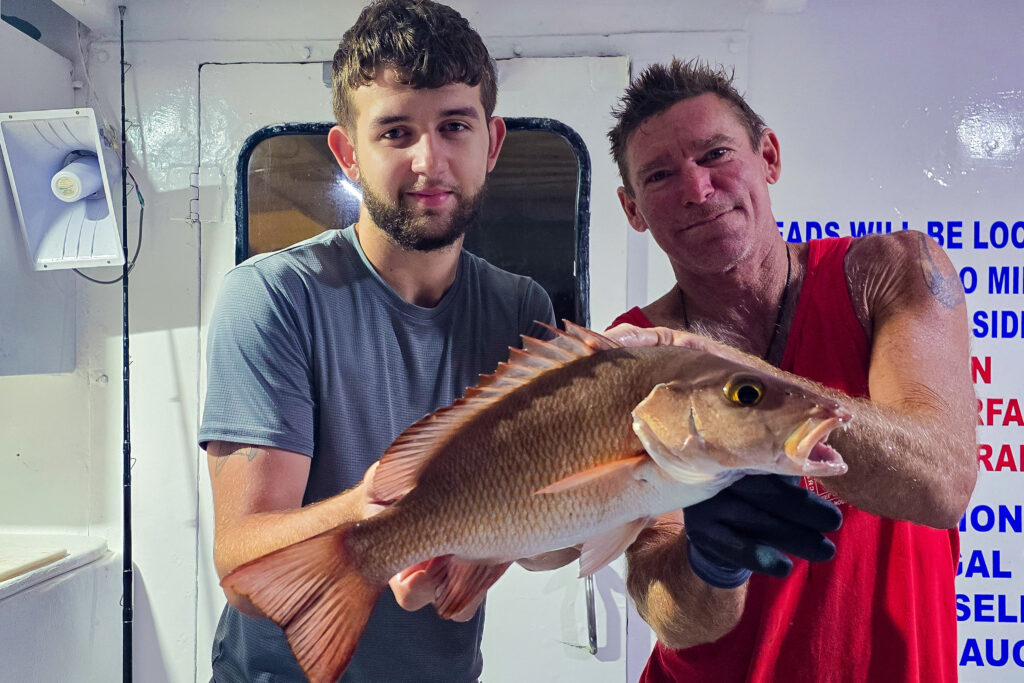
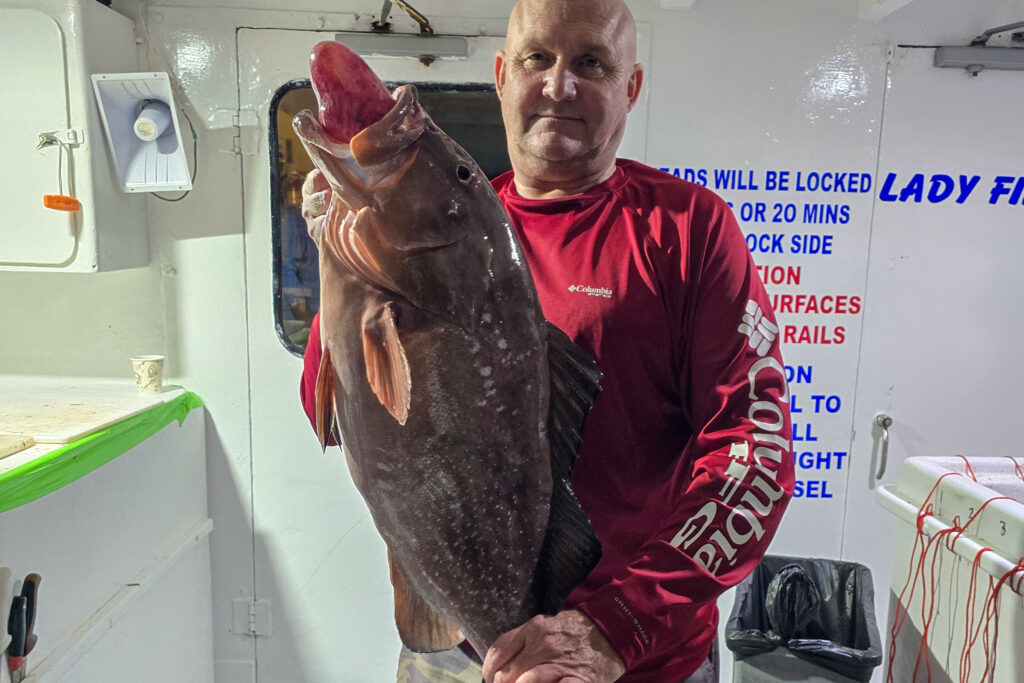
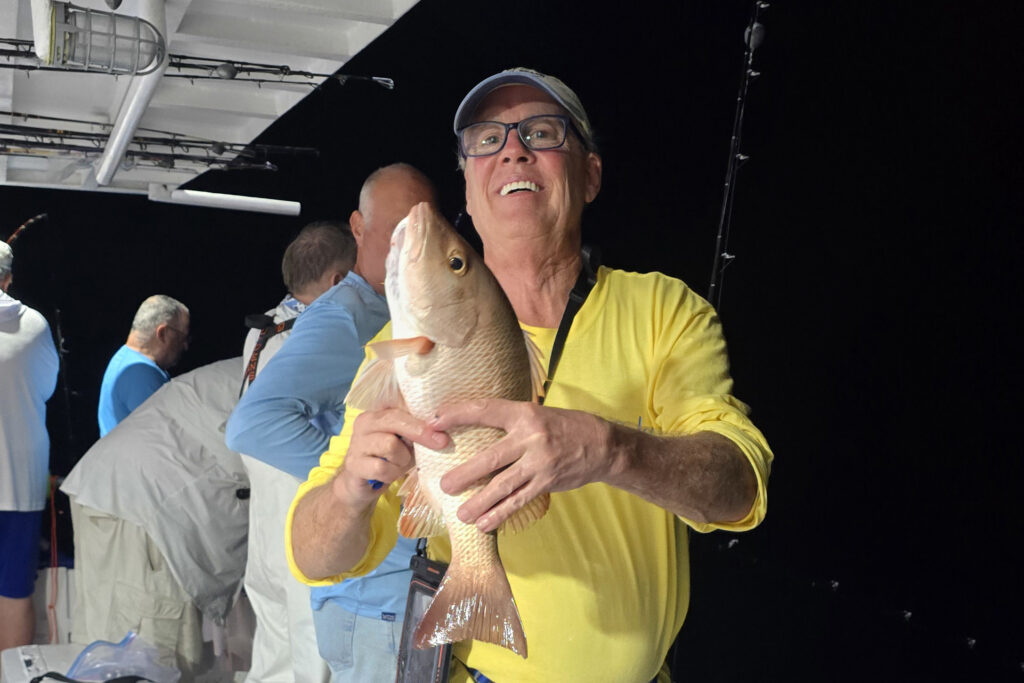
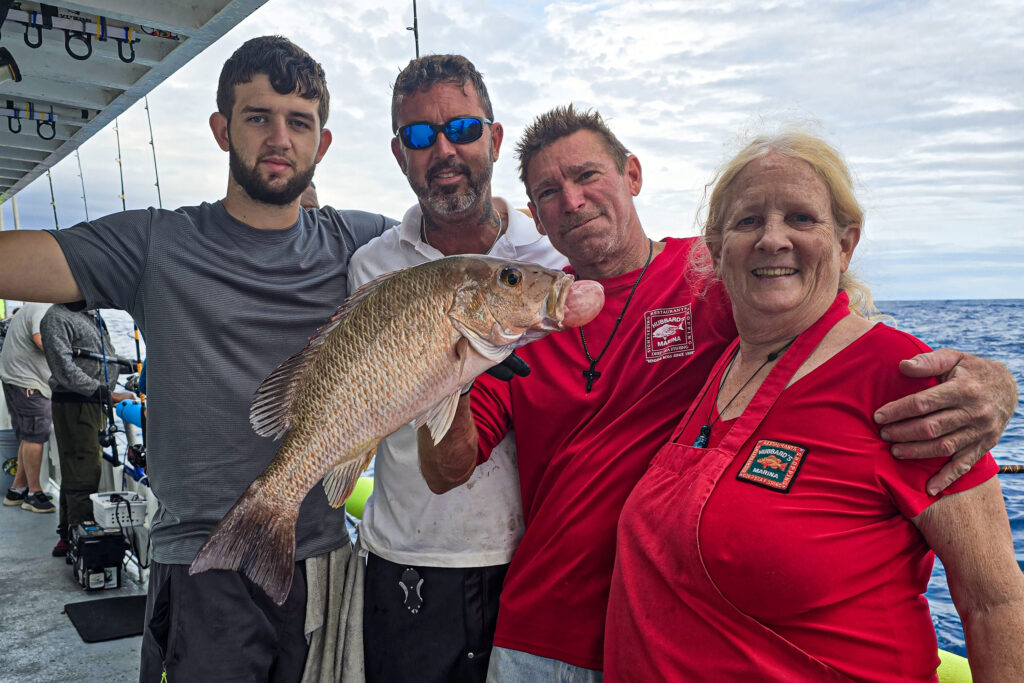
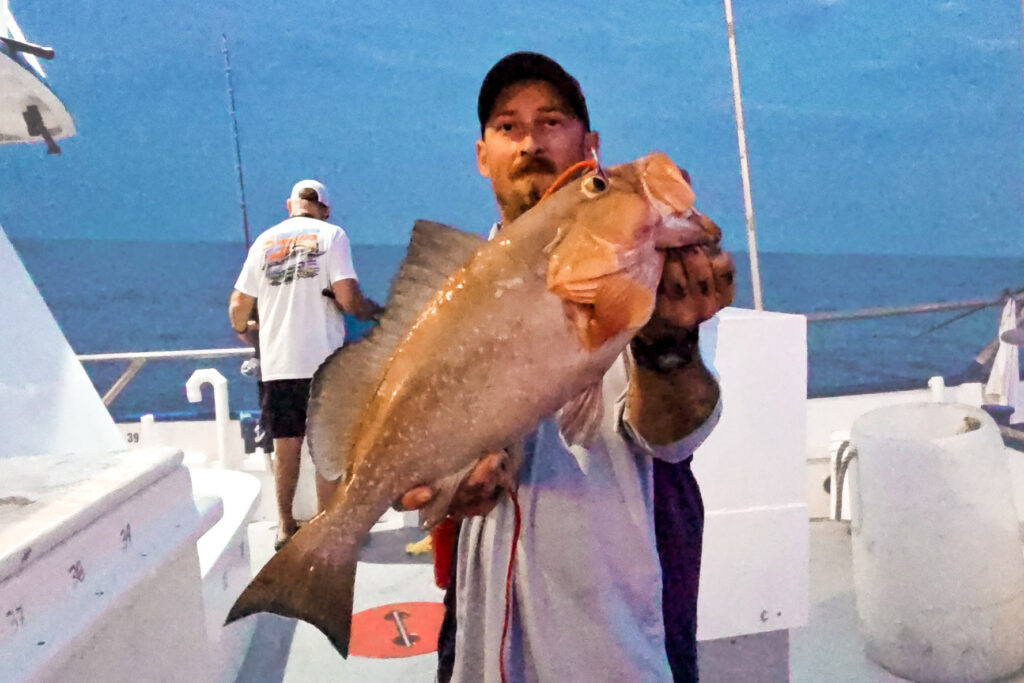
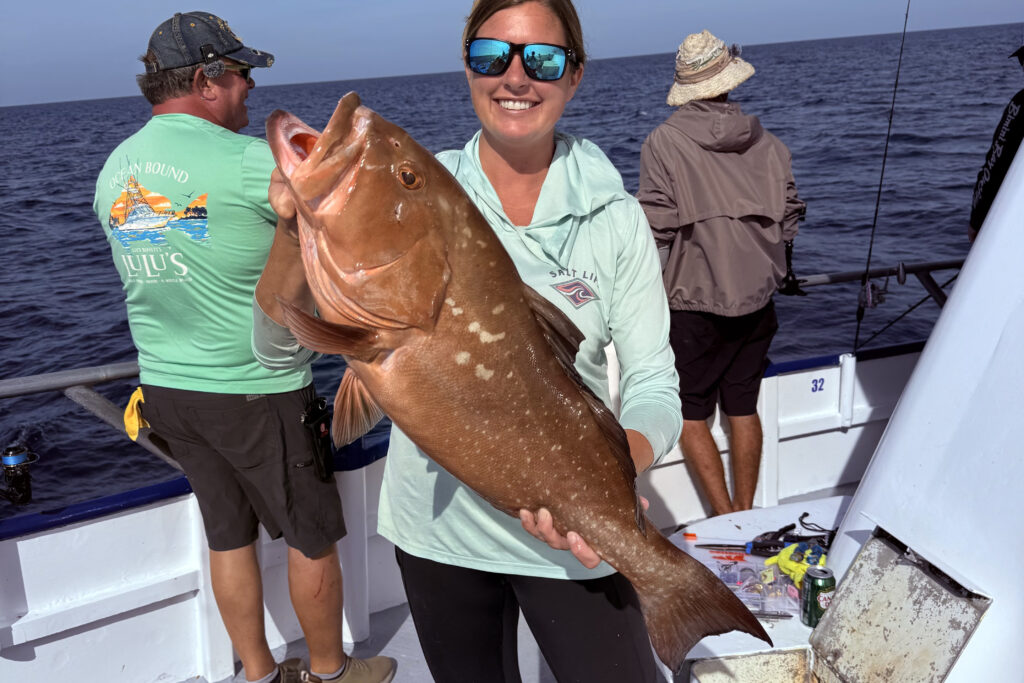
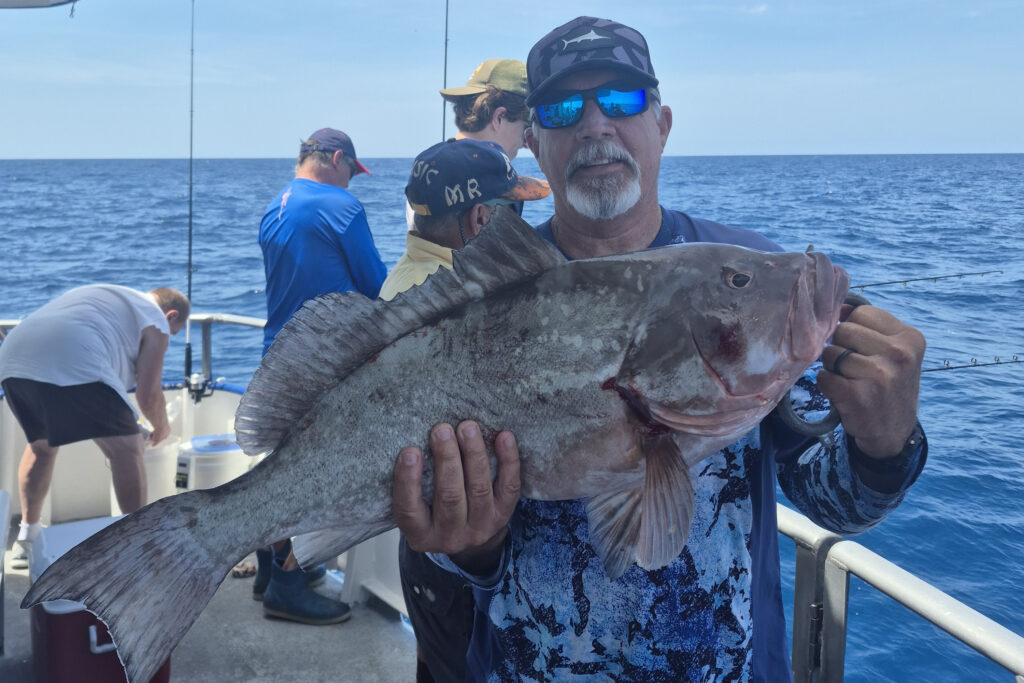
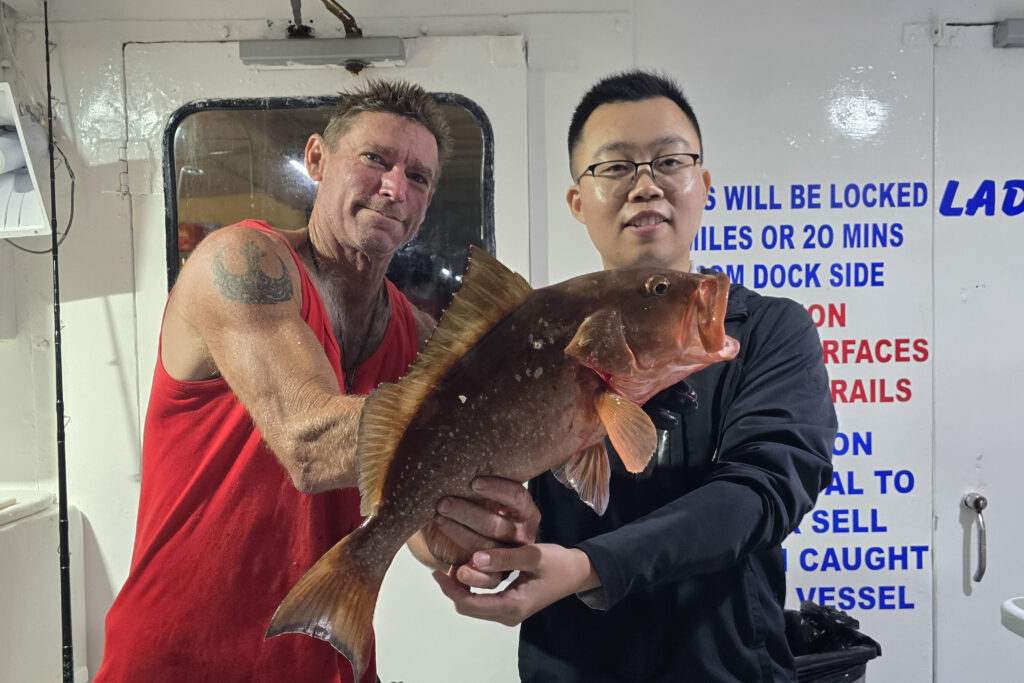
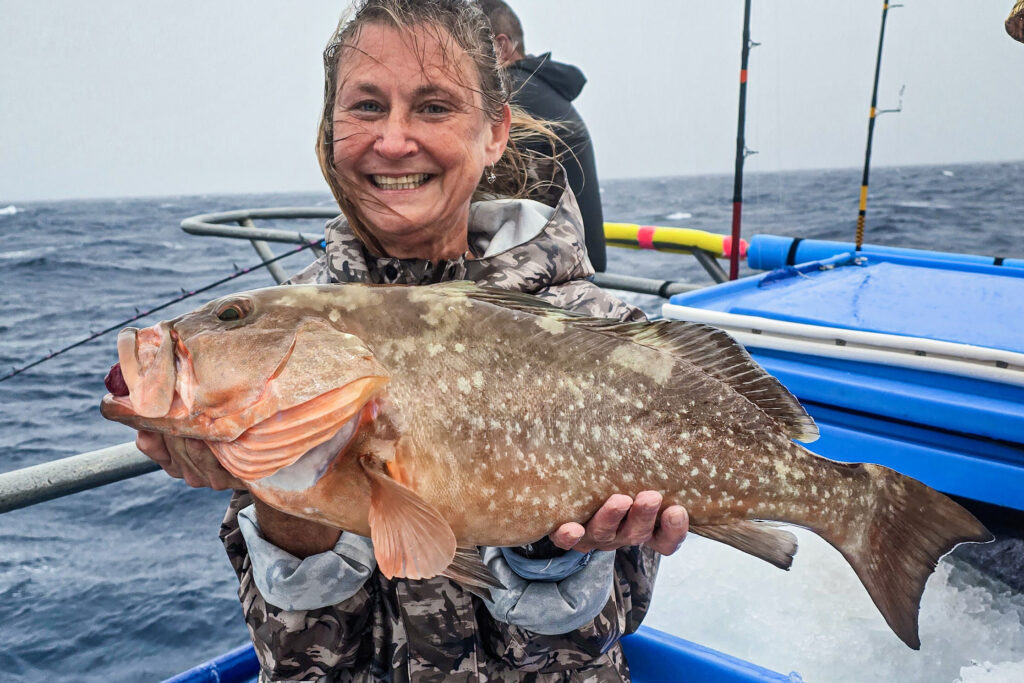
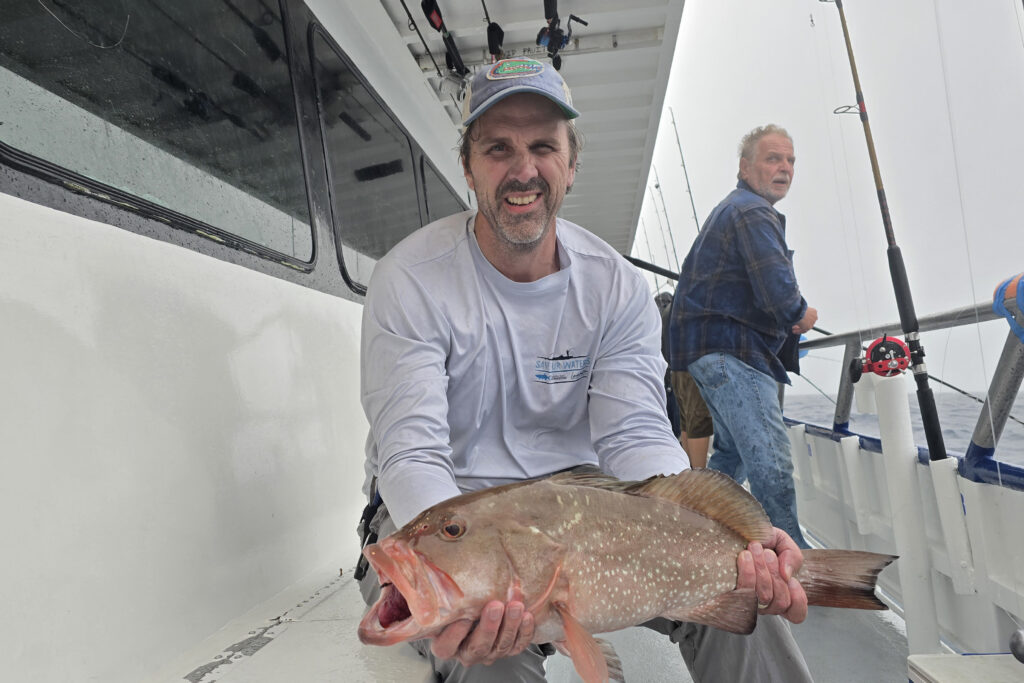
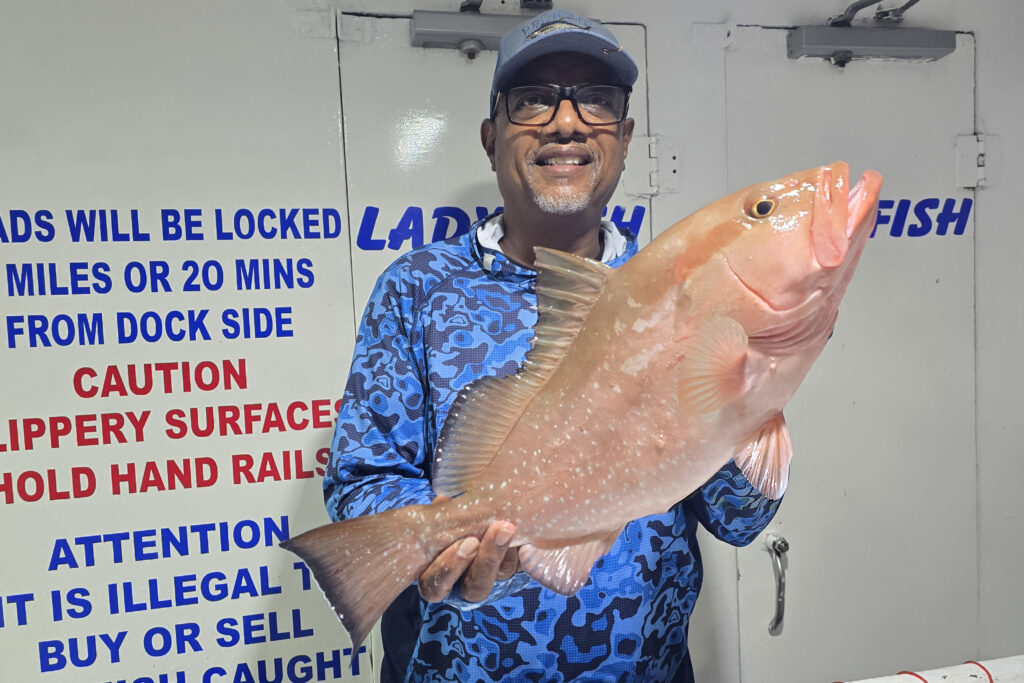
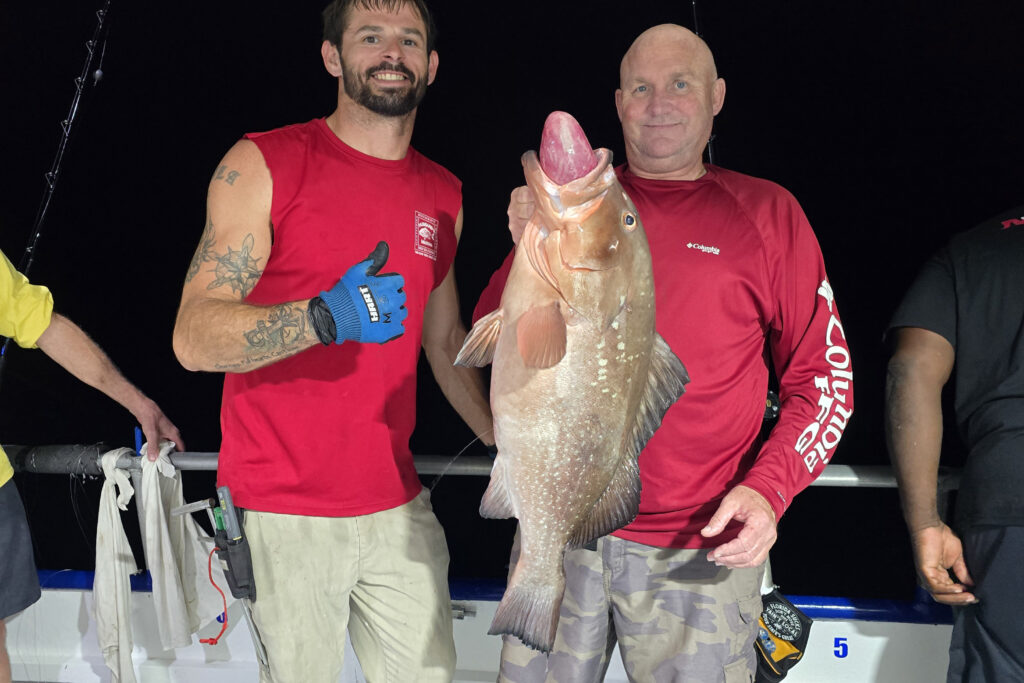
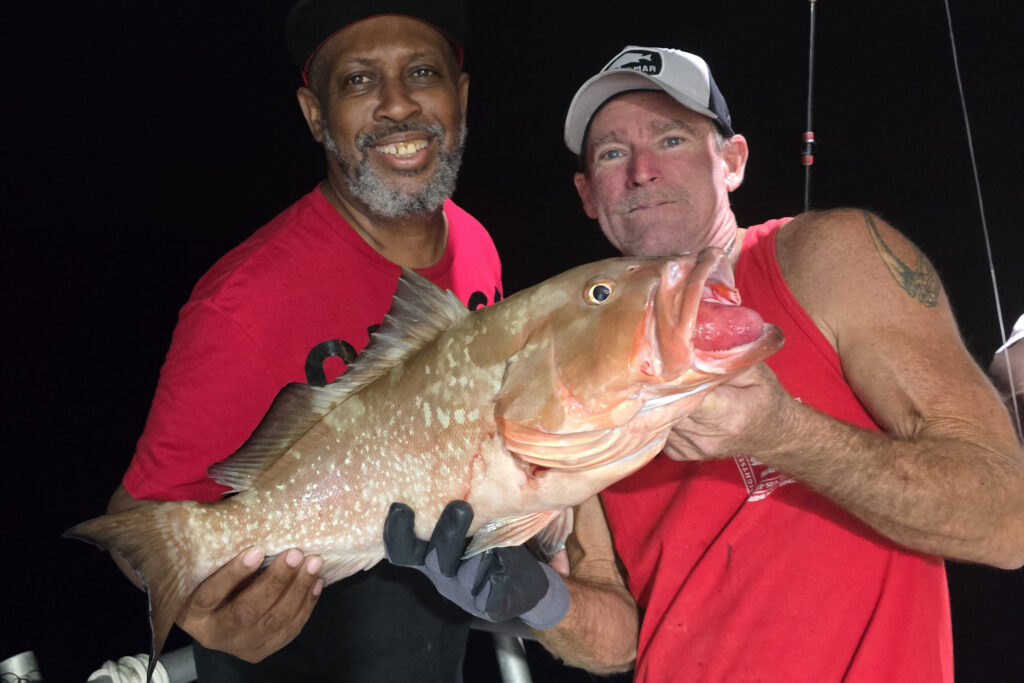
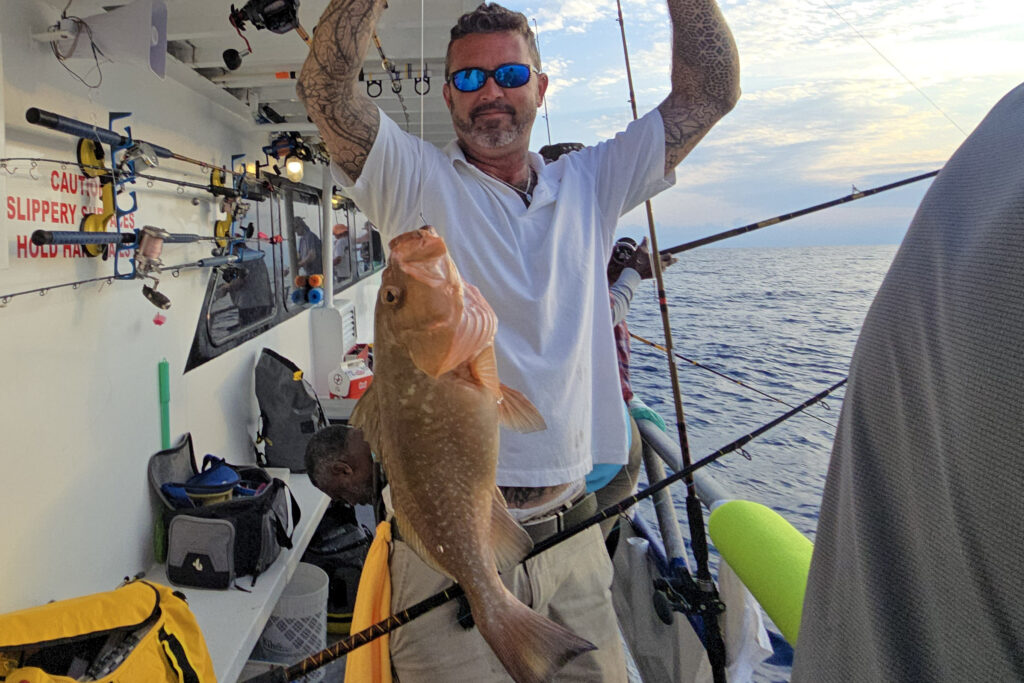
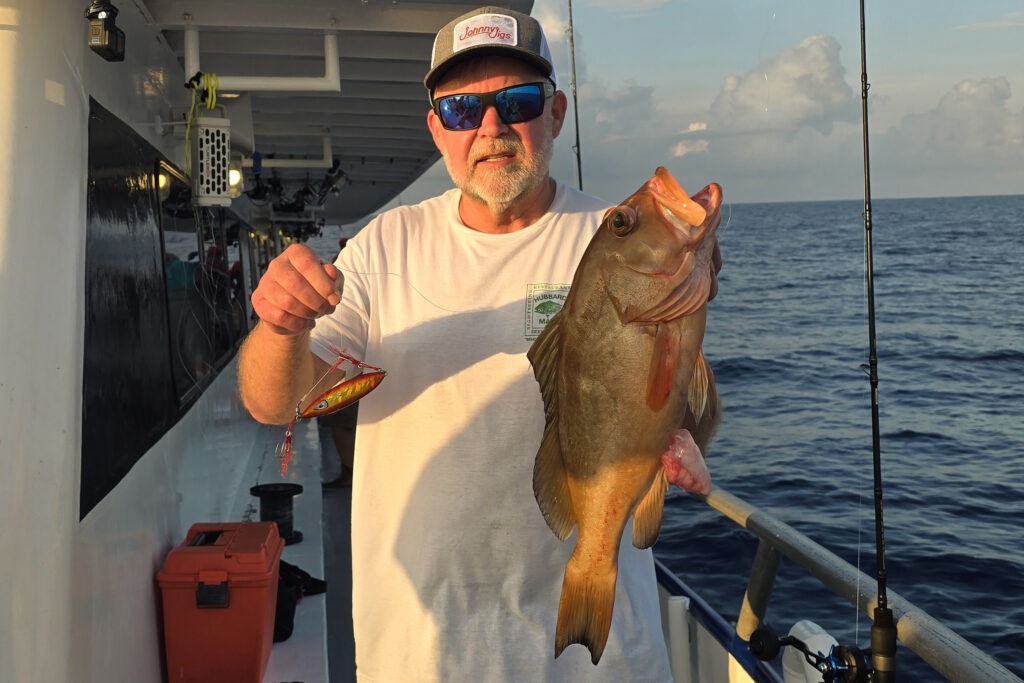
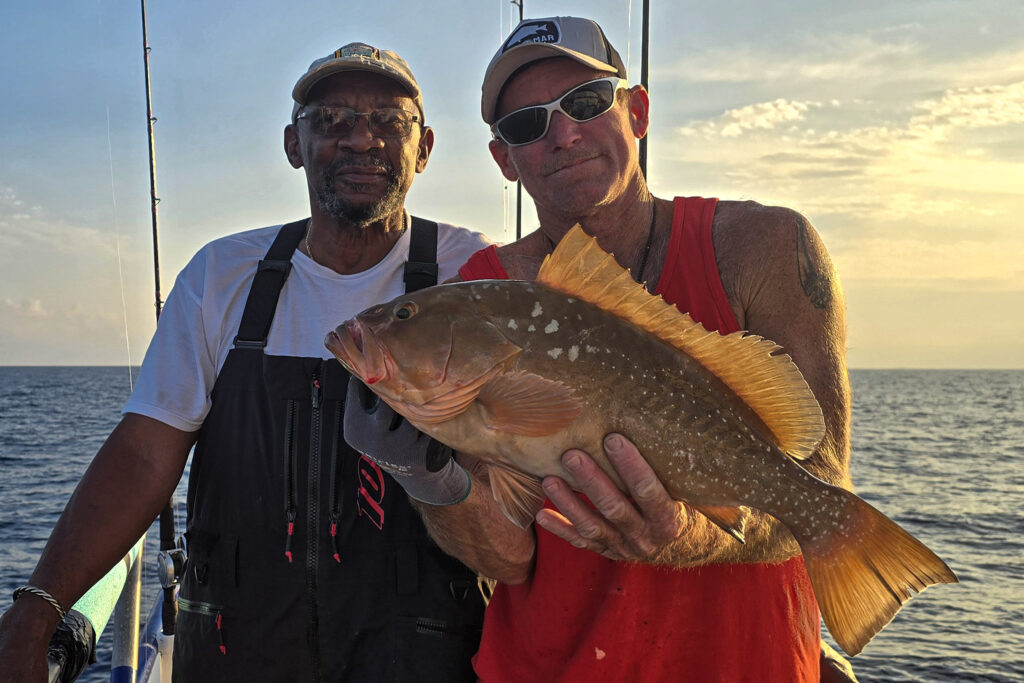
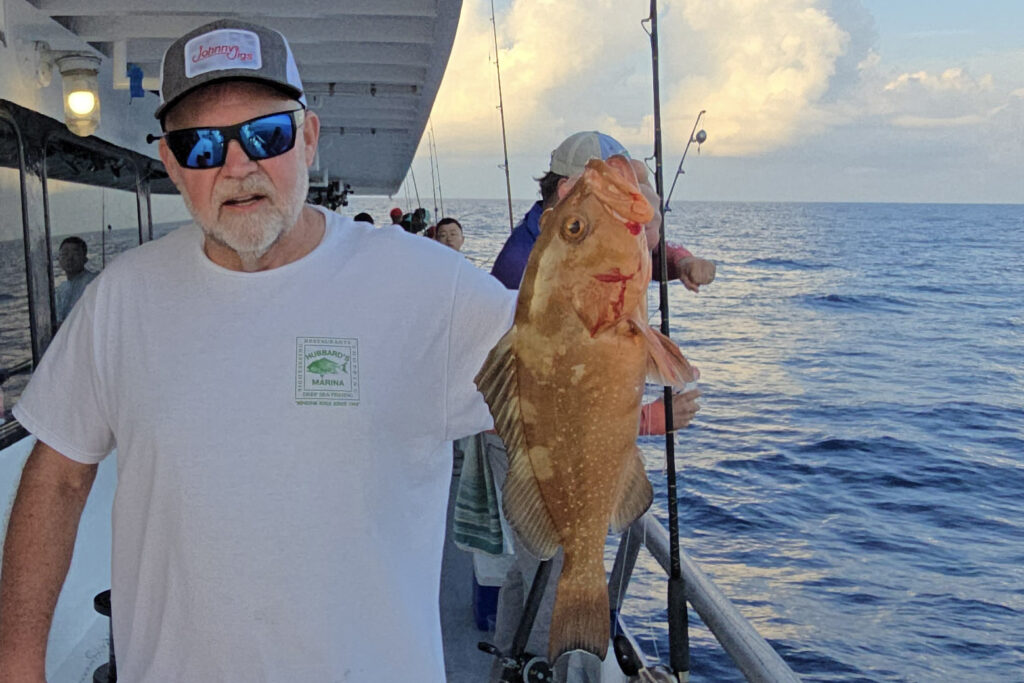
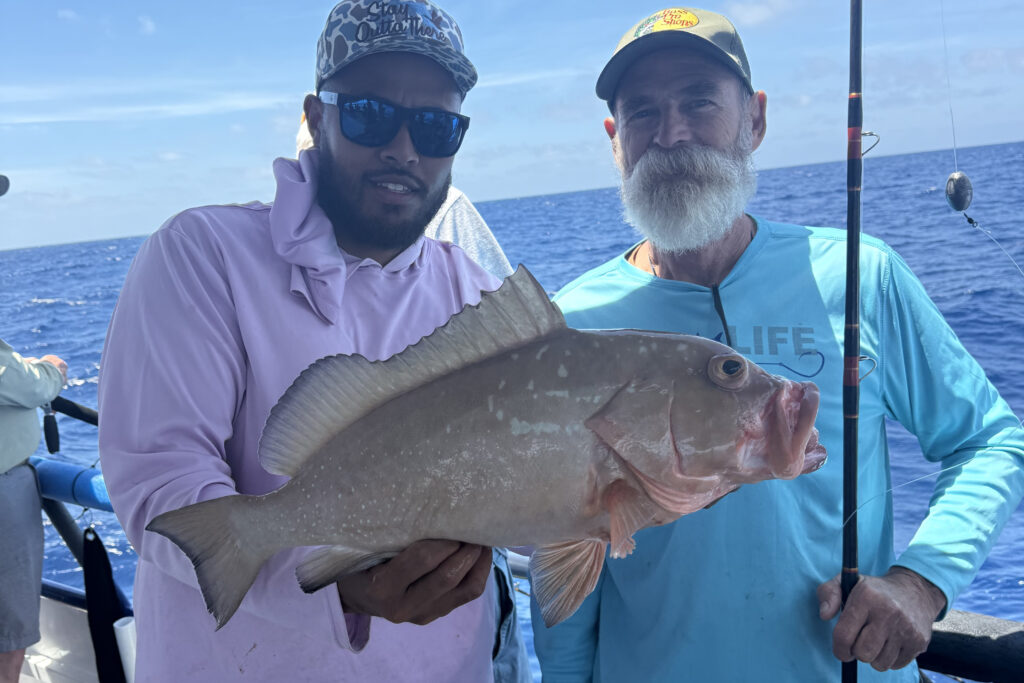
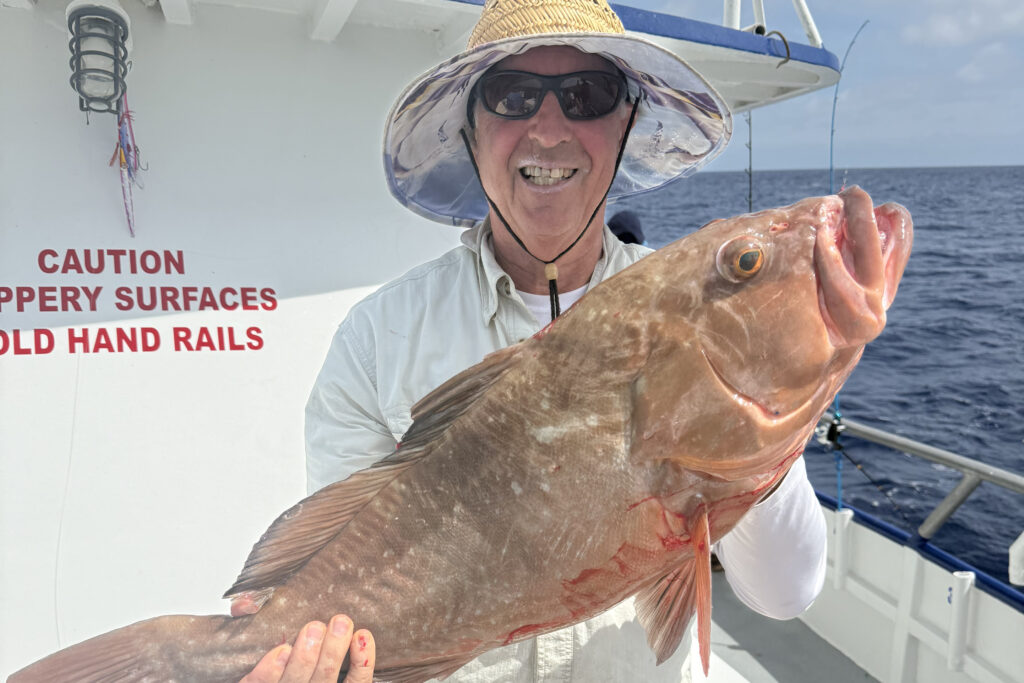
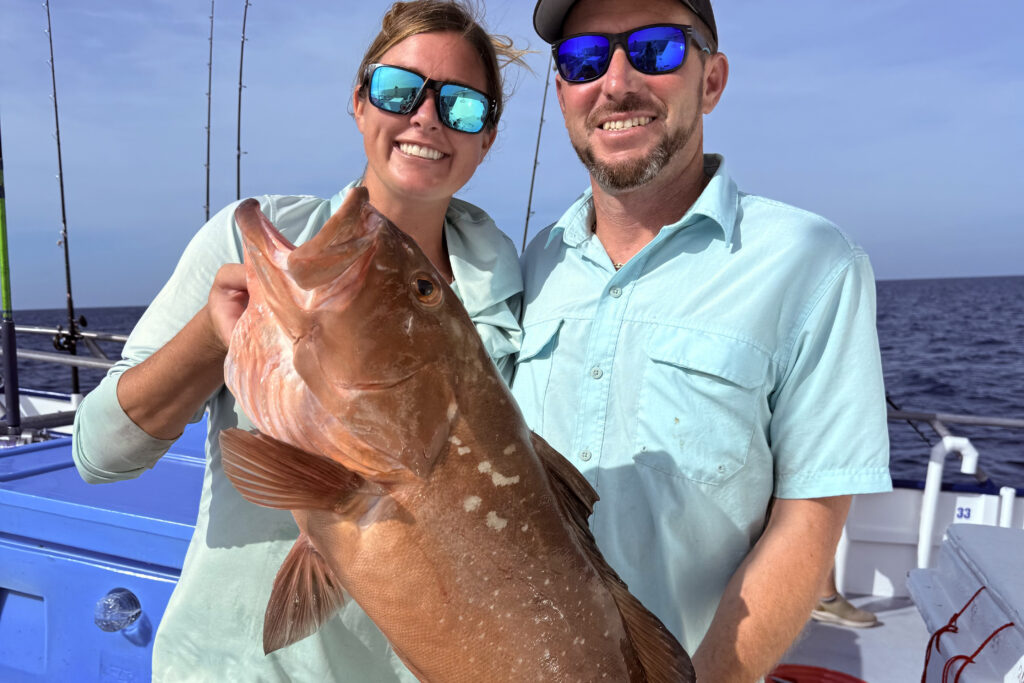
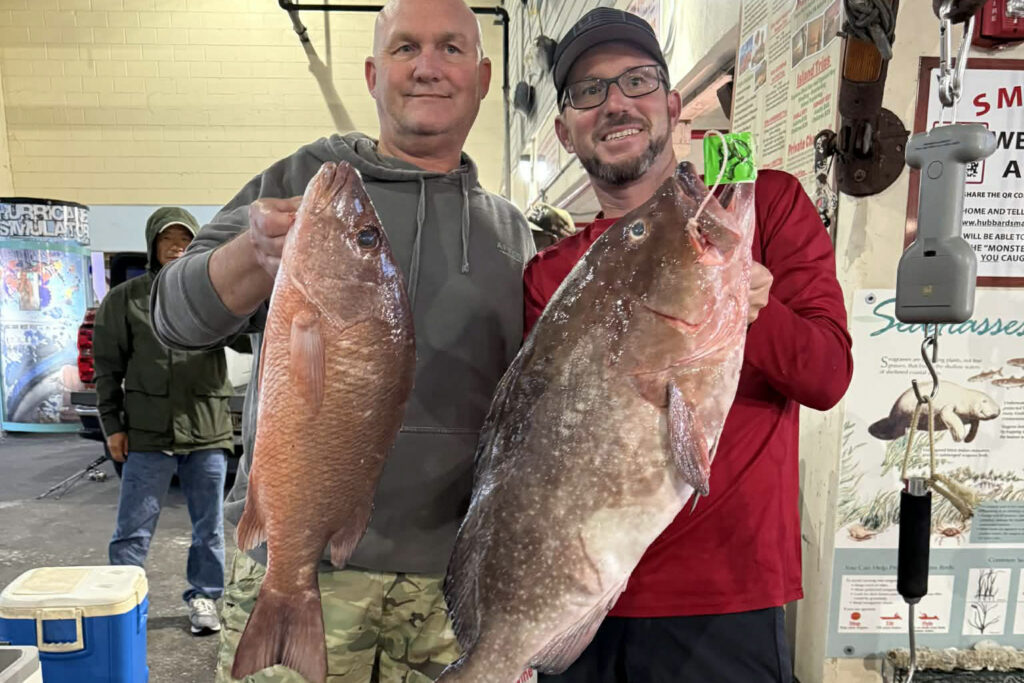
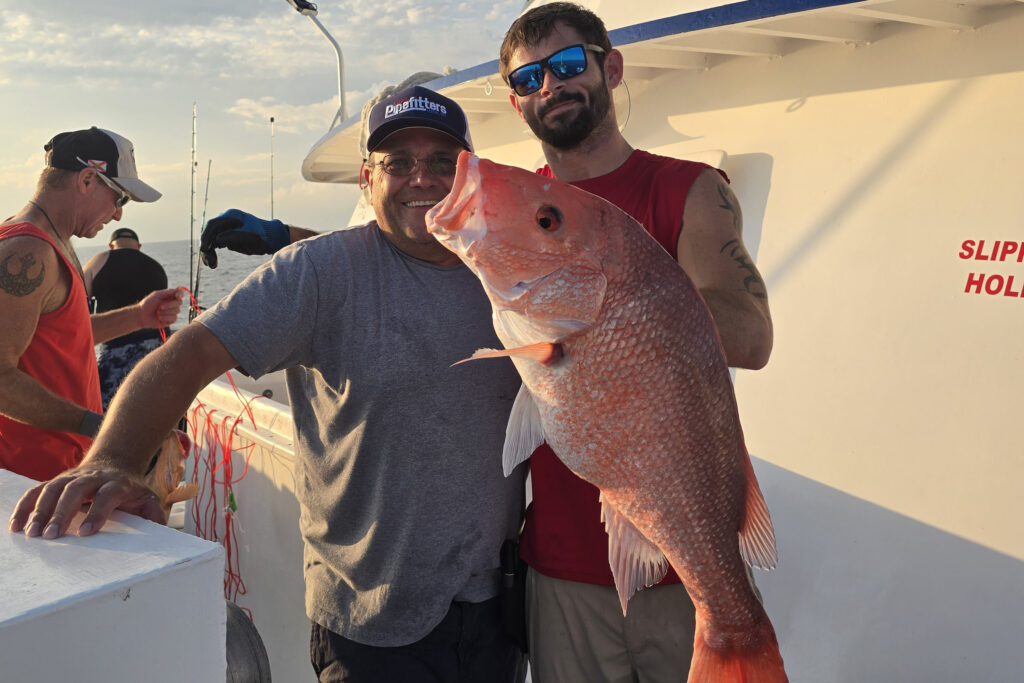
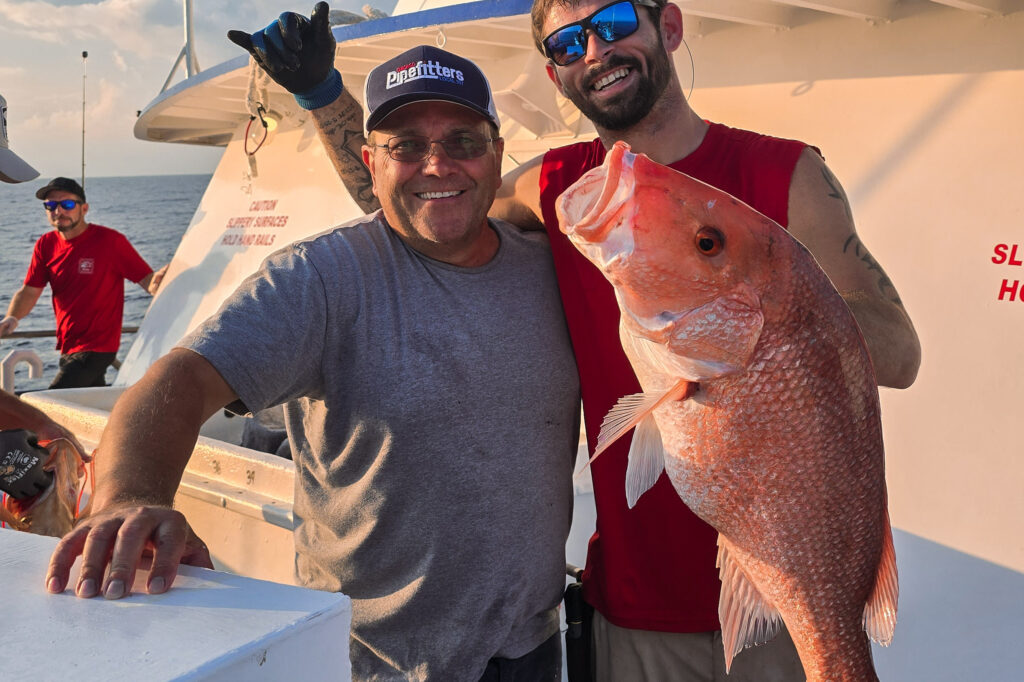
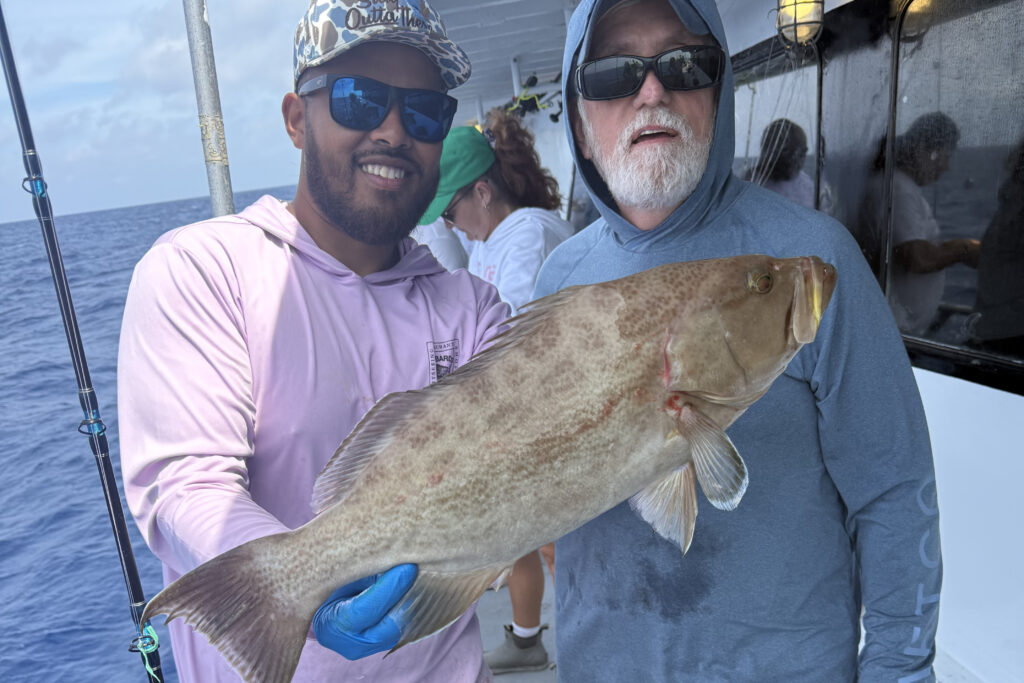
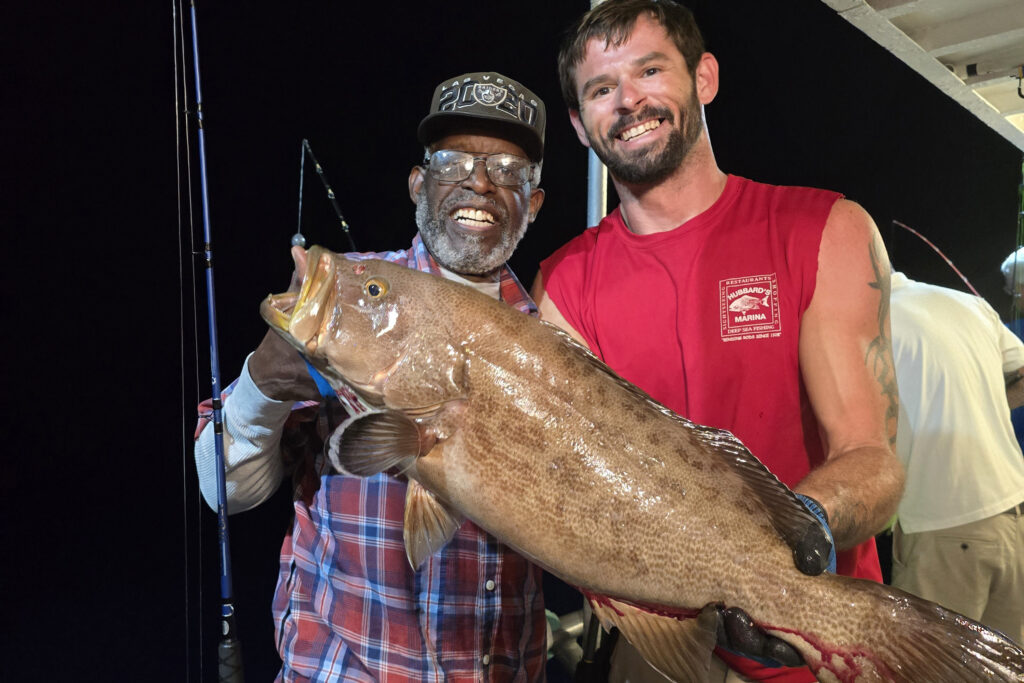
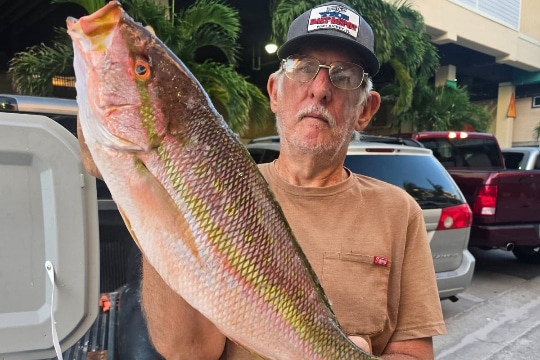
Offshore fishing continues to offer an excellent variety of species, and we are seeing a strong mixed bag develop as spring patterns build. Red grouper remain a major focus, mangrove snapper are still a key part of the catch, scamp grouper are in the mix, triggerfish are available, yellowtail snapper are becoming more consistent, mutton snapper are showing occasionally, and pelagics are becoming more active as bait and water temperatures improve. This is the time of year when offshore fishing can produce a little bit of everything if the weather allows us to get out and fish the right areas. Plus, we have less people going out with us compared to a few weeks from now when red snapper chaos ensues.
Red grouper continue to be one of the primary offshore targets. The best action has been around hard bottom, potholes, smaller ledges, cracks, and low relief structure. Depth can vary depending on water temperature, pressure, current, and fishing pressure, but the deeper offshore grounds are producing better consistency. Big dead baits are still the go-to. Whole squid, octopus, bonita strips, large cut baits, and quality live baits all deserve a place in the spread. Red grouper are aggressive when they are ready, but they also respond to a bait that looks worth the effort. Bigger baits often help target better fish and reduce some of the smaller bites.
Mangrove snapper remain a strong offshore target. They can be very consistent when the current is right and the presentation is clean. Cut threadfin on a double snell rig is still one of the best ways to catch numbers of offshore mangroves. If you want to target the larger fish, small live pinfish can be excellent. Mangroves are smart, and they often get more difficult as water clarity improves or after they see a few baits. Leader size, bait size, and presentation all matter. If the bite slows, do not immediately leave good bottom. First try downsizing leader, trimming bait smaller, changing the way the bait drifts, or switching to live bait.
Scamp grouper are mixed in, especially as we fish deeper structure. Scamp love ledges, breaks, hard bottom, and areas with good relief. They often eat medium pinfish very well, but they will also take cut threadfin, squid, and other baits when they are fired up. A 6/0 to 7/0 hook with 50 to 60 pound leader is a great starting point for scamp. They are not always the most numerous fish, but they are one of the most prized because they fight hard and eat even better.
Triggerfish are another great offshore option right now. These fish become more common as we push deeper, and they are a favorite on the table. Triggerfish require a more precise approach than many bottom fish. Their mouths are small, and they are experts at stealing bait. Use small, neat, narrow strips of squid, bonita, or other chewy bait. Do not overload the hook with a big bait wad. Smaller hooks, compact bait, and patience will catch more triggerfish than heavy grouper gear. If you feel pecks but cannot connect, your bait is probably too large.
Yellowtail snapper are becoming a very exciting part of the offshore bite. We are seeing them out deeper, but they can also show in shallower offshore and deeper near shore waters when conditions are right. Yellowtail respond well to lighter tackle, smaller hooks, small strips of squid, small threadfin chunks, and a natural presentation.
Mutton snapper are showing occasionally offshore and are always a welcome addition to the box. They are not as common as mangroves or yellowtail, but when one shows up it gets everyone excited. Muttons often prefer a lively bait or a clean cut bait. They may take a little time to commit, so patience is important. A medium pinfish, quality strip bait, or well presented live bait can be the difference maker.
Almaco jacks, porgies, and other heads and tails species are also part of the offshore action. These fish keep rods bent and help fill coolers, but they also tell us a lot about the bottom we are fishing. When you are seeing vermillion, porgies, almacos, lanes, and other active reef species, it usually means you are around life, bait, and productive structure. Sometimes staying in that area and adjusting bait presentation can produce the better grouper or snapper bite after the faster species slow down.
Pelagic action is improving as well. Kingfish, blackfin tuna, possible wahoo, and other moving fish are all part of the spring offshore conversation. The more bait we see, the better the pelagic odds become. Keep a flat line out when bottom fishing, especially if you see surface activity or bait schools. Watch for birds, current edges, color changes, floating debris, and bait showers. A pitch rod with a jig, live bait, or small plug can turn a good bottom fishing day into something unforgettable. Spring pelagics often show up without much warning, so preparation is everything.
Overall, offshore fishing is in a strong place and should continue improving as we move toward the new moon and stronger tidal flow next weekend. If the weather cooperates, we expect the deeper trips to produce a great mix of grouper, snapper, triggerfish, heads and tails, and pelagic opportunities. Bring a variety of bait, be ready to adjust, and remember that offshore success often comes from staying flexible and reading what the fish are telling you.
Don’t forget, that we have some great videos on our fishing tips and tricks page here to show you how to target and rig for almost any species-> https://www.hubbardsmarina.com/fishing-tips/
Remember that when fishing in deeper nearshore and offshore federal waters, the Descend Act requires you to have a descending device or venting tool “rigged and ready.” If you know how to use a venting tool, keep it prepared. If not, here’s some helpful advice: https://bit.ly/3L5HTnv. Using a descending device is straightforward and doesn’t require as much precision or practice as venting. Return em’ Right has a training course only takes about 10-15 minutes, and you can learn valuable techniques to protect our offshore fishery. Spread the word by visiting: https://returnemright.org/.
TERMS OF REFERENCE-
Inshore: This covers the areas from the inner bays, through the bridges, and right up to the beaches.
Near Shore: This includes the coastal waters from the beaches up to twenty miles offshore, or up to a depth of 100 feet.
Offshore: This extends from twenty miles offshore or from a depth of 100 feet and beyond.
For more fishing reports, photos, videos, and other content, check out Hubbard’s Marina on Facebook, Instagram, YouTube, TikTok, Twitter, Pinterest, or Snapchat by searching for @HubbardsMarina. Remember our family motto: “If you’re too busy to go fishing, you’re just too busy!” Thank you for reading our report.
Capt. Dylan Hubbard, Hubbard’s Marina
Phone or text: (727) 393-1947
Website: Hubbard’s Marina
If you’re not seeing the latest article, try clearing your browser cache.
You can search “how to clear browser cache” on Google for quick steps.