

Inshore Fishing Report


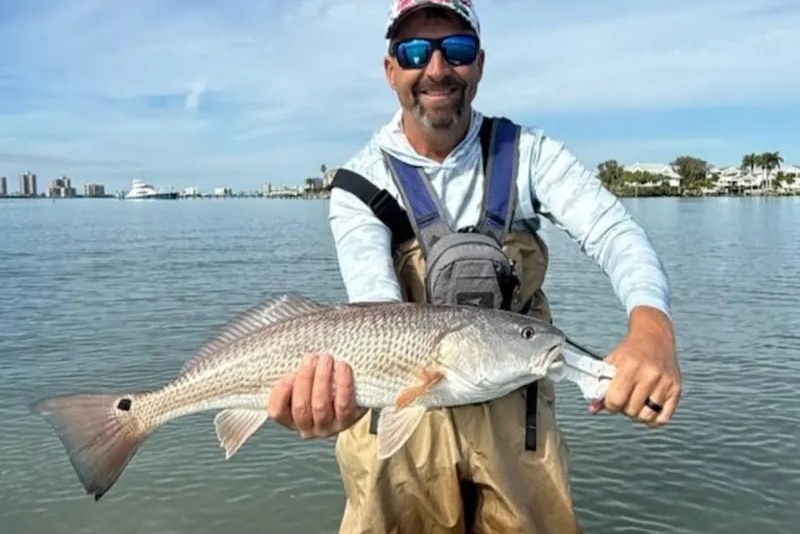

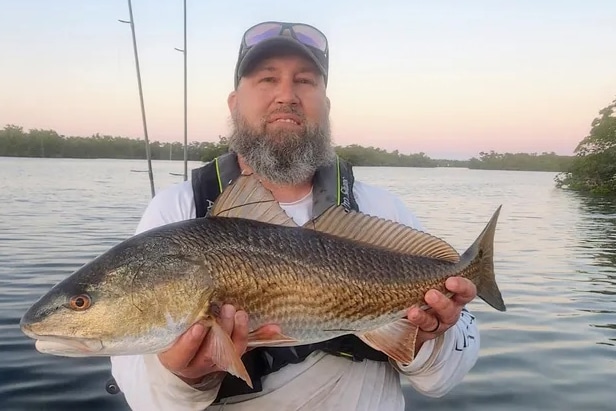


Inshore fishing around John’s Pass has been productive and very seasonal. Speckled trout are biting well, especially at night around bridge lights and dock lights where bait is pinned and current is moving. During the day, target edges, potholes, and transition zones on flats, mangrove shorelines, and oyster bars. Live shrimp, small paddletails, and imitation shrimp worked slow and close to bottom are your best bets. Sheepshead are thick right now on docks, piers, bridges, jetties, and rock piles. Use light tackle, minimal weight, and small pieces of shrimp, cut clam, oyster, or fiddler crabs right next to the structure. Flounder have been cooperative along sandy edges near structure and oyster bars—bounce soft plastics slowly and keep the presentation tight to the bottom. Redfish concentrations are thinning, but dock lines are heating up, especially on the best tide stages. Look for dock lines with moving water near the flats, mangroves or other areas that would normally hold fish. Snook are staged in upper bay creeks, rivers, and bayous, hunting warmer water over dark mud—work sunny, wind-protected shorelines and fish the solunar majors for your highest odds.
Fishing Tips
- Snook: Use live baits like greenbacks, threadfins, and shrimp, or try flair hawks and soft plastics at night.
- Redfish: Look for them around mangroves, oyster bars, and flats, and use dead baits during higher tides.
- Trout: Target them with soft plastics, white bait, and shrimp around deeper flats and potholes.
- Tarpon: Target them during the full moon with crab flushes, making it an ideal time to target them.
- Flounder: Find them near sandy bottoms and structures, biting on bottom baits.
- Pompano: Be prepared to move frequently to stay on their bite.
- Sharks: Use big dead baits in areas with moving water.
Help spread the word about what to do if you hook or entangle a bird. Never cut the line; instead, reel in the bird carefully to dehook and release it. If you accidentally hook a dock, break the line at the hook to avoid leaving any line in the water. Seabirds with fishing lines hanging from them are becoming more common, and this could lead to the closure of fishing areas.
Rising concerns about bird entanglements might result in closing fishing spots, impacting the few available locations around Tampa Bay from shorelines, docks, bridges, or piers. Learn more in our podcast with Salt Strong: https://www.saltstrong.com/articles/shutting-down-fishing-at-busy-pier/.
NEarshore Fishing Report
Near shore fishing out of Hubbard’s Marina is setting up nicely. Hogfish are doing well in 40–60 feet on live shrimp with lighter tackle. We like 20–30lb braid with a long leader (10–15 feet) of 25–30lb fluorocarbon, a 3/0–4/0 hook, and just enough weight to stay on bottom. Lane snapper have been hit-and-miss, but the deeper near shore pieces are producing some true monsters when conditions cooperate—shrimp and small chunks of cut bait get consistent bites. Mangrove snapper and red grouper both improve as you push deeper near shore; for mangroves, scale down with smaller hooks and lighter leader when they get finicky. For keeper red grouper, step up to live pinfish or larger dead baits like whole squid or thicker strips so you avoid the smaller fish.
Fishing Tips
- Red Grouper: Target the deepest near shore waters with big dead baits or solid live baits. Use 60 lb test and 7/0 hooks for best results.
- Red Snapper: Use big dead baits like whole squid and bonita strips with heavy tackle to focus on larger fish. Prime trips include the 12-hour extreme, 39-hour, and 44-hour trips.
- Scamp Grouper: Use small to medium pinfish and cut threadfin, especially while targeting mangrove snapper.
- Mangrove Snapper: Near shore, use live shrimp and small chunks of threadfin on 30-40 lb test with 3-4/0 hooks. Offshore, use bigger chunks of cut threadfin or medium pinfish on 40-60 lb test with 5-7/0 hooks.
- Vermillion Snapper: Start around 100 feet of water using cut squid or threadfin. These fish are aggressive and not leader-shy.
- Yellowtail Snapper: Use shrimp, cut squid, and threadfin.
- Pelagic Species: Keep flat lines and pitch rods ready for sailfish, kingfish, wahoo, tuna, and mahi mahi.
Offshore Fishing Report


Offshore trips are delivering variety and quality. Red grouper action has been solid in 100–120 feet and beyond, and mangrove snapper are super consistent once you’re in that same depth band and deeper. If you want numbers of mangroves, cut threadfin on a double-snell rig is hard to beat; if you want a true heavyweight, keep a small live pinfish ready. Scamp grouper are currently open, but we expect a closure soon based on federal rulemaking timing—so we’re making the most of it while we can in 120–140 feet and deeper with medium pinfish and stout leader. Mutton snapper are showing consistently in 140–160 feet and beyond, and yellowtail are becoming more dependable out deeper as well. When the bite slows, lighten up your terminal tackle for yellowtail, and keep baits small and natural.
Don’t forget, that we have some great videos on our fishing tips and tricks page here to show you how to target and rig for almost any species-> https://www.hubbardsmarina.com/fishing-tips/
Remember that when fishing in deeper nearshore and offshore federal waters, the Descend Act requires you to have a descending device or venting tool “rigged and ready.” If you know how to use a venting tool, keep it prepared. If not, here’s some helpful advice: https://bit.ly/3L5HTnv. Using a descending device is straightforward and doesn’t require as much precision or practice as venting. Return em’ Right has a training course only takes about 10-15 minutes, and you can learn valuable techniques to protect our offshore fishery. Spread the word by visiting: https://returnemright.org/.
TERMS OF REFERENCE-
Inshore: This covers the areas from the inner bays, through the bridges, and right up to the beaches.
Near Shore: This includes the coastal waters from the beaches up to twenty miles offshore, or up to a depth of 100 feet.
Offshore: This extends from twenty miles offshore or from a depth of 100 feet and beyond.
For more fishing reports, photos, videos, and other content, check out Hubbard’s Marina on Facebook, Instagram, YouTube, TikTok, Twitter, Pinterest, or Snapchat by searching for @HubbardsMarina. Remember our family motto: “If you’re too busy to go fishing, you’re just too busy!” Thank you for reading our report.
Capt. Dylan Hubbard, Hubbard’s Marina
Phone or text: (727) 393-1947
Website: Hubbard’s Marina
If you’re not seeing the latest article, try clearing your browser cache.
You can search “how to clear browser cache” on Google for quick steps.


