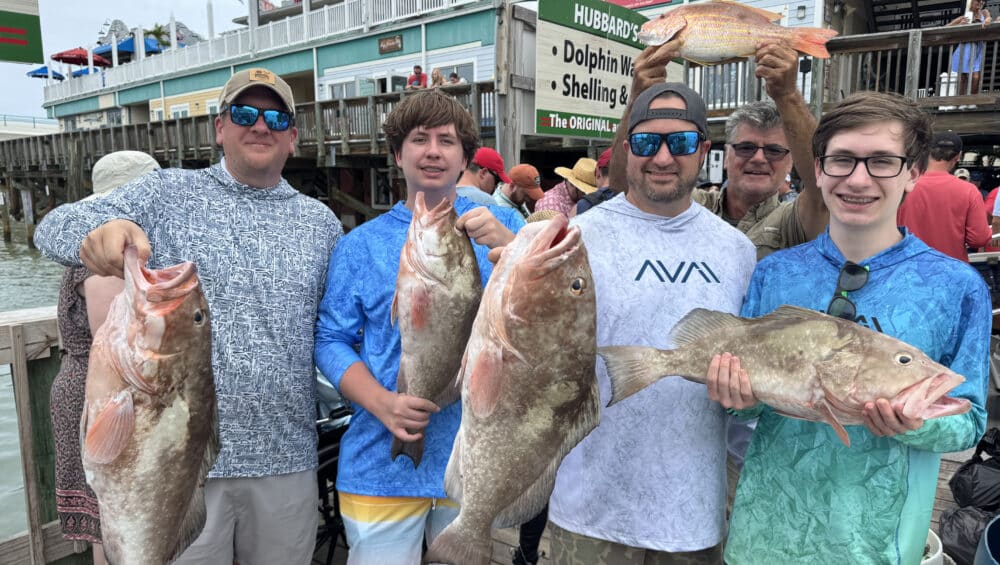
Inshore Fishing Report
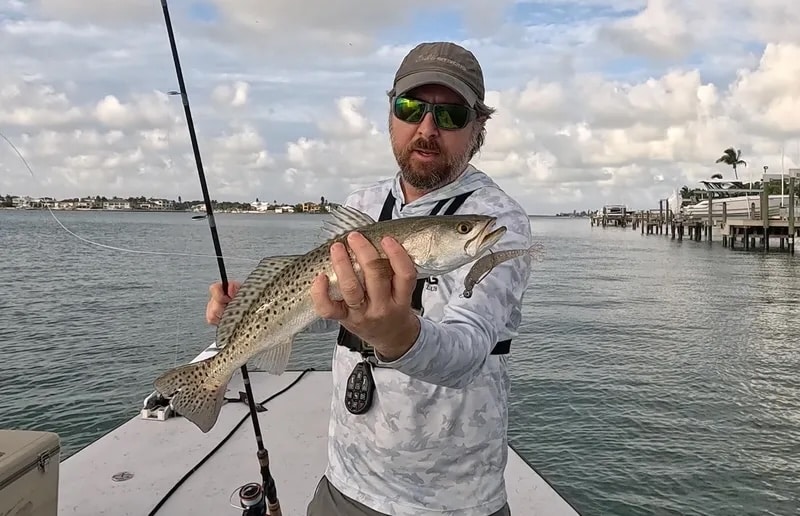
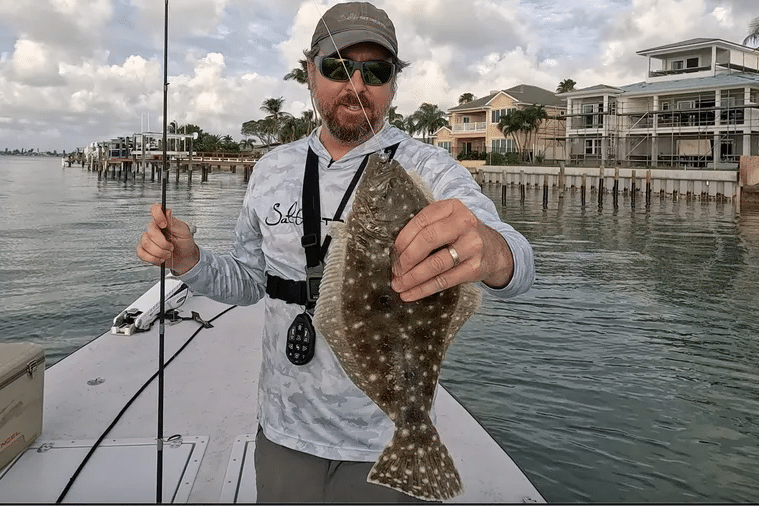
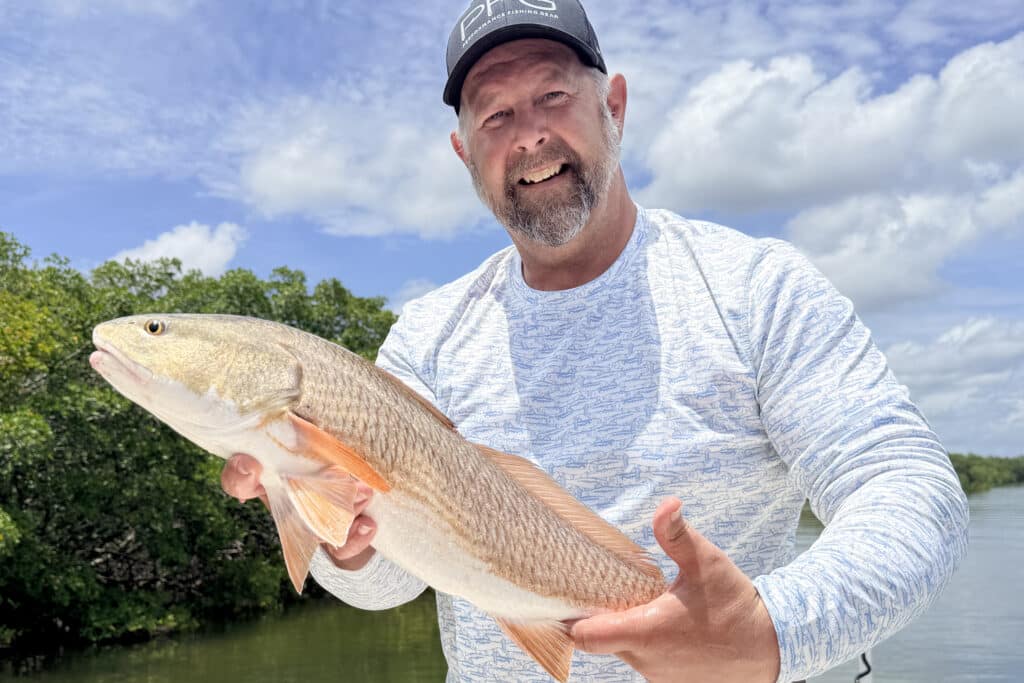
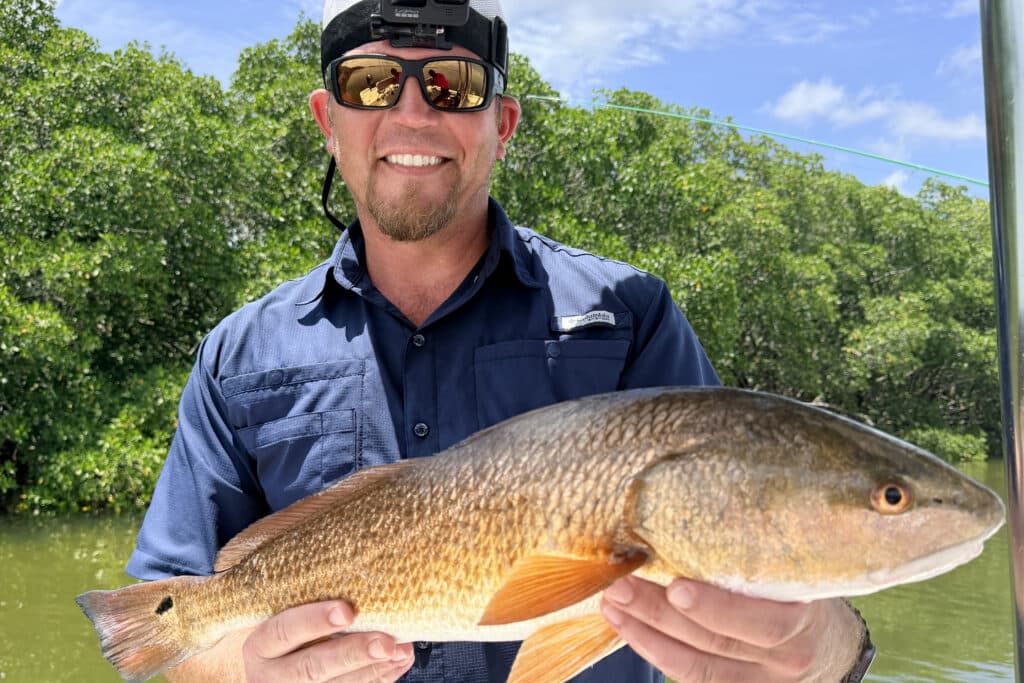
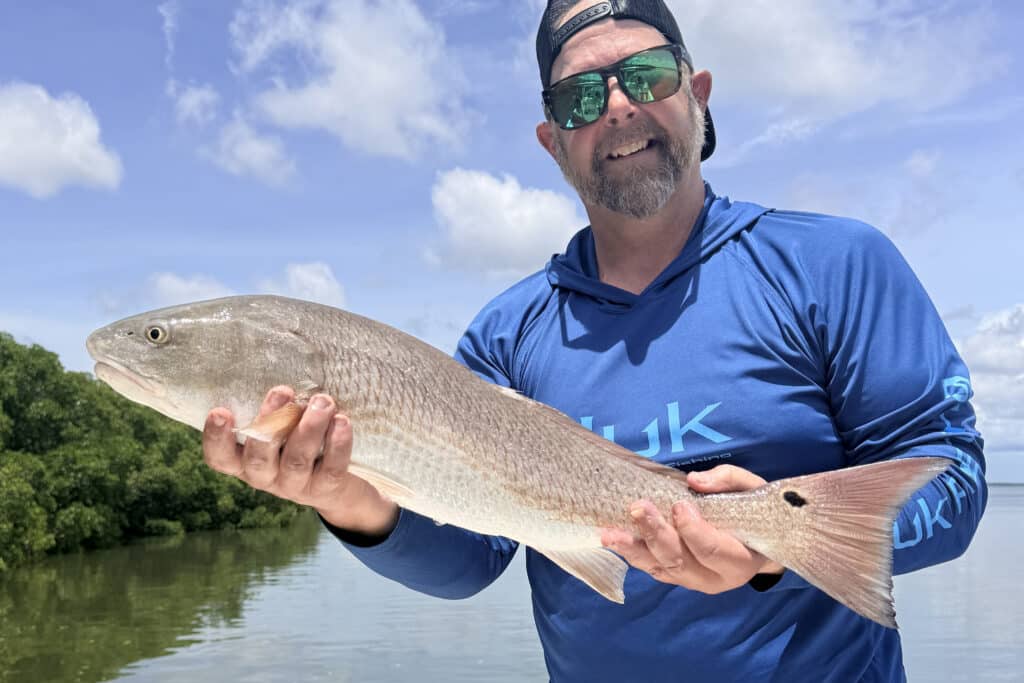
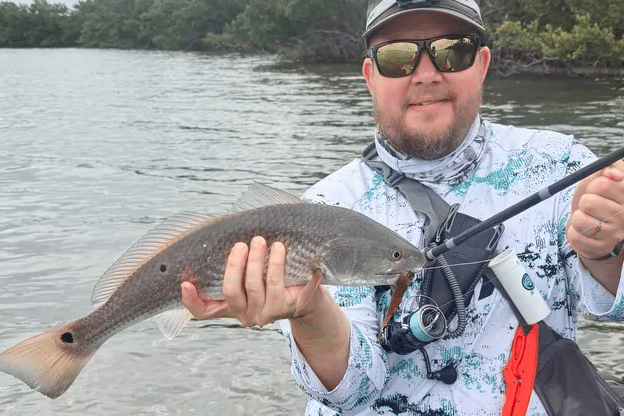
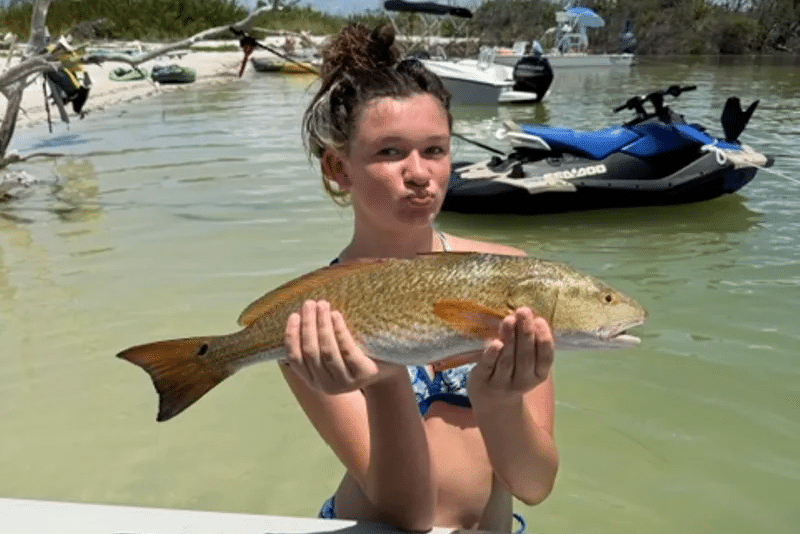
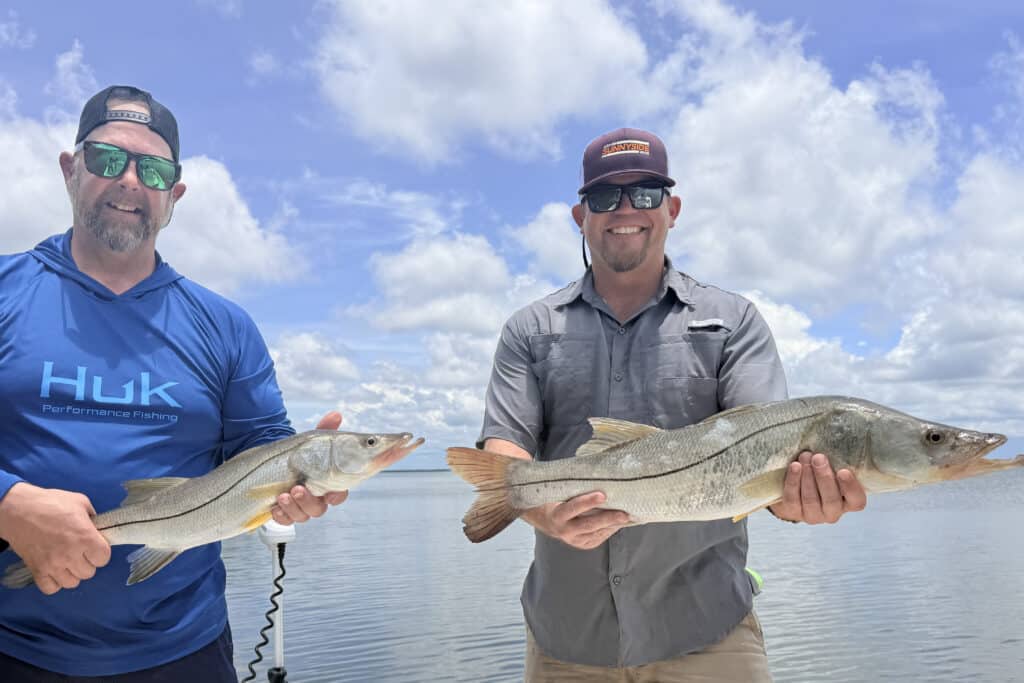
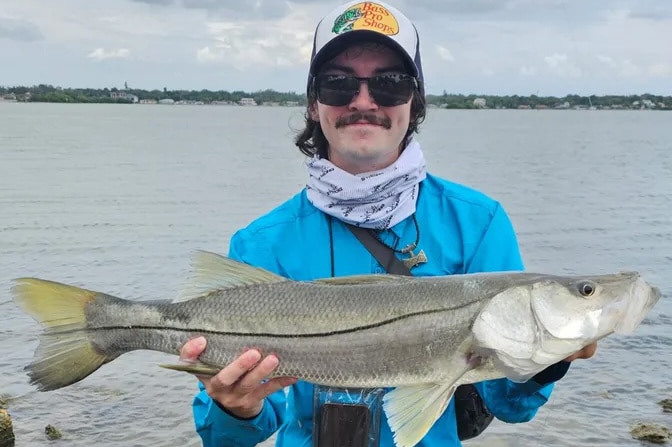
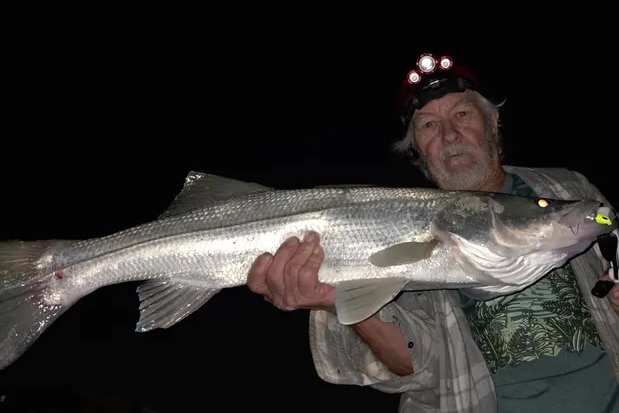
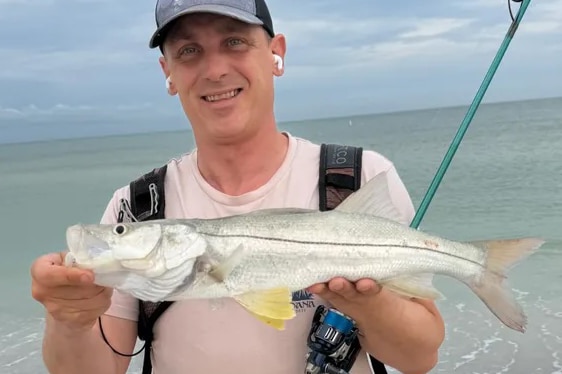
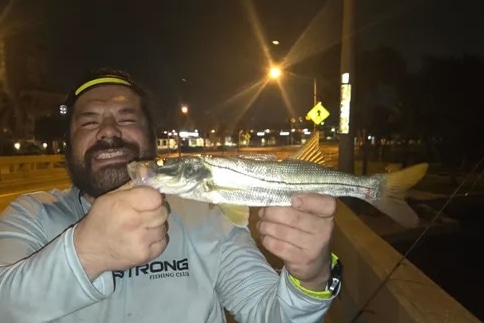
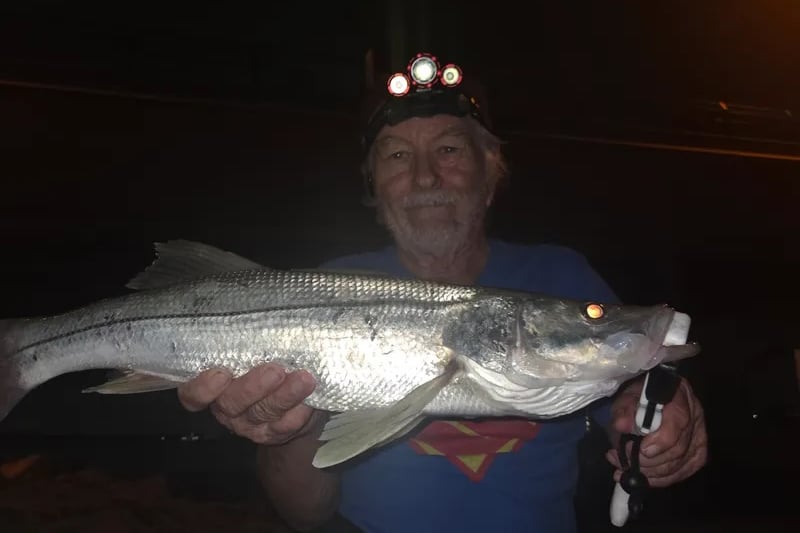
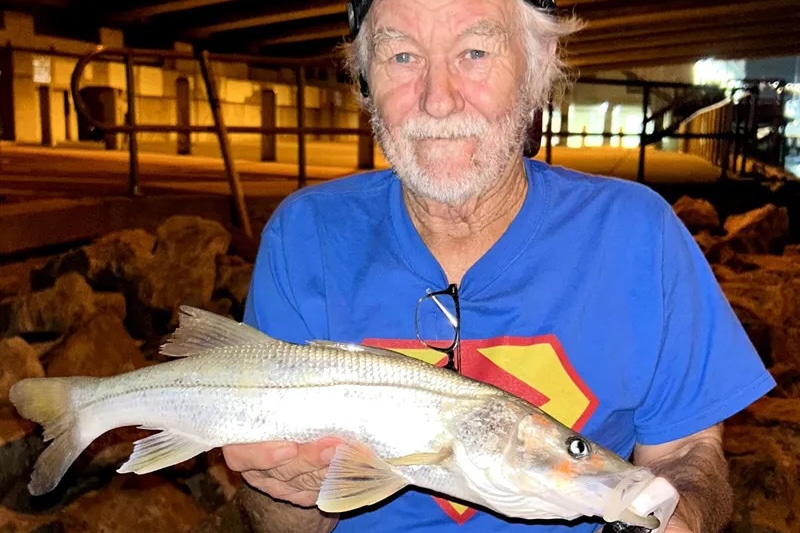
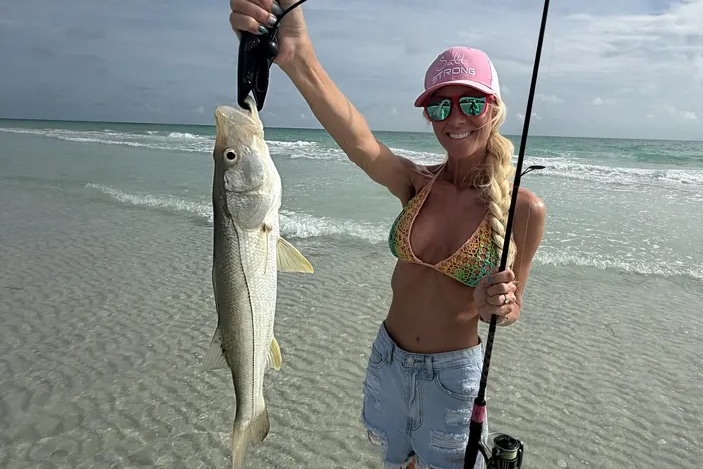
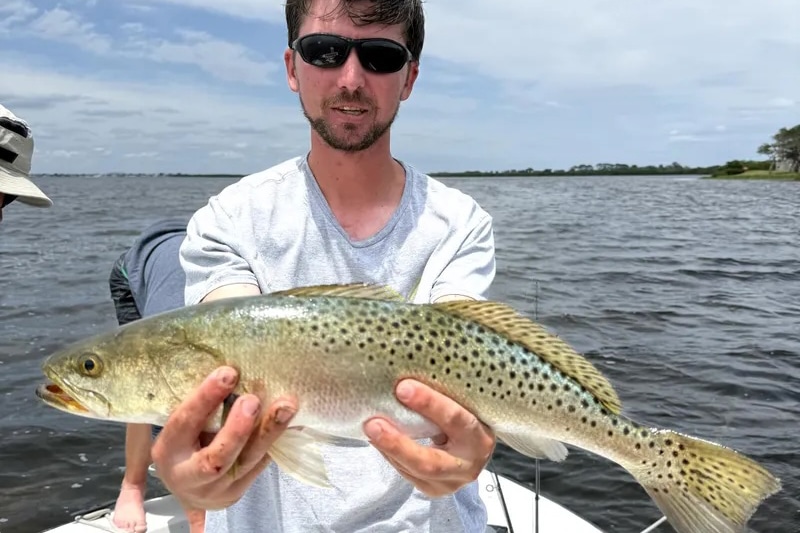
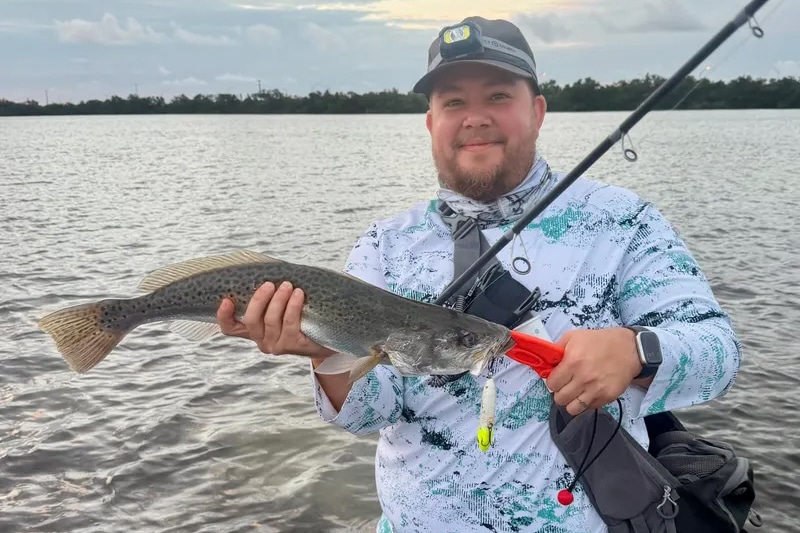
The inshore fishing around John’s Pass, Madeira Beach, Treasure Island, St. Pete Beach, Boca Ciega Bay, and the greater Tampa Bay area has been full of life lately as we settle into that warm early summer pattern. Water temperatures are climbing into the mid-80s, bait is thick around the passes, bridges, grass flats, mangrove shorelines, docks, and spoil islands, and the fish are responding well during the right windows of moving water. The biggest key right now is timing.
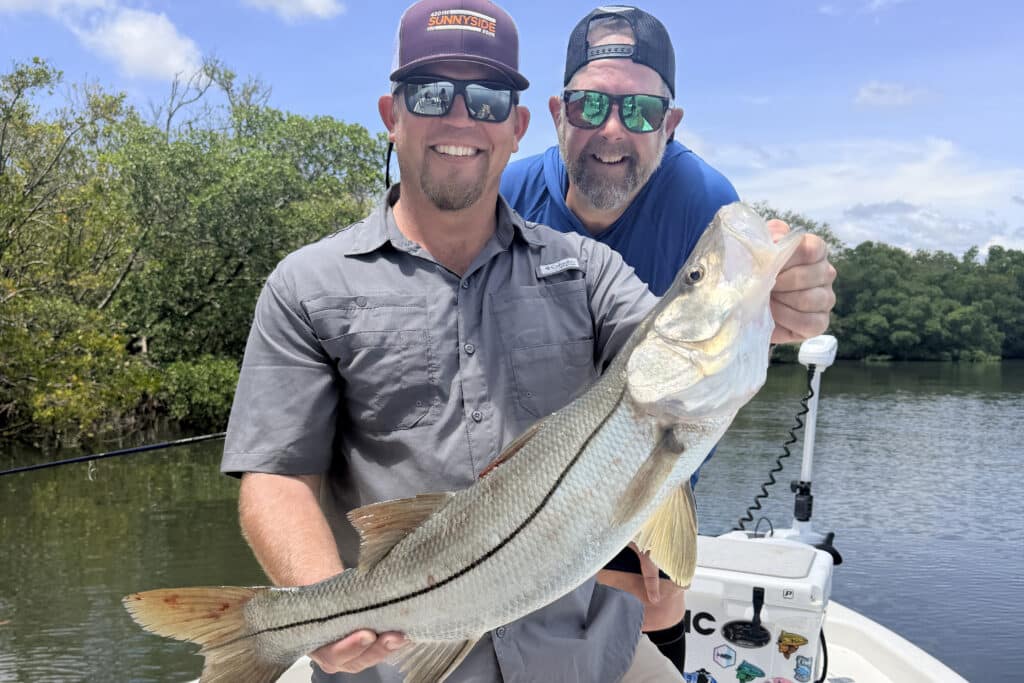
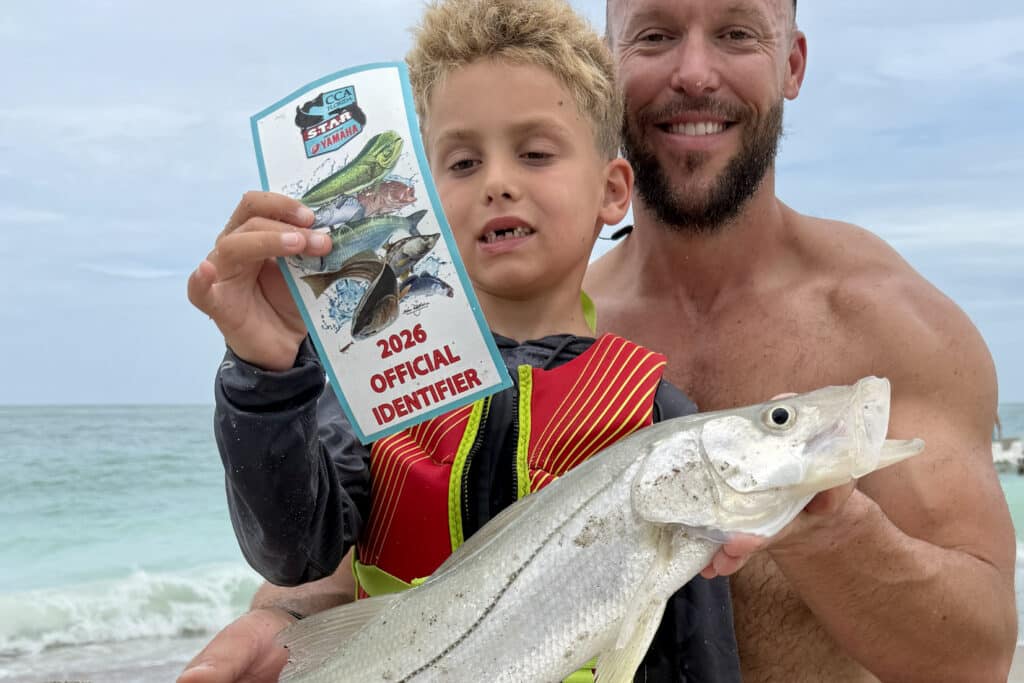
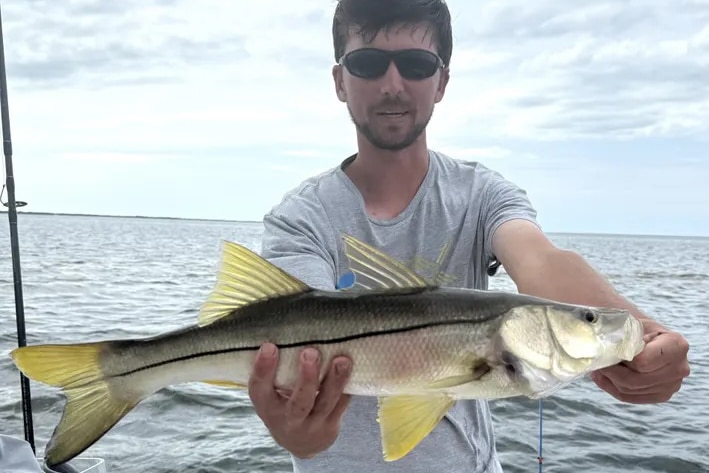
Snook have really pushed into their summertime haunts around the passes, beaches, bridge fenders, seawalls, docks, mangrove points, and sandy potholes near moving water. Around John’s Pass, look for snook staged along the beach troughs early in the morning, tucked around bridge structure during the day, and feeding hard around dock lights at night. Live scaled sardines, threadfins, shrimp, and pinfish are great options, but a well-placed paddle tail, flair hawk jig, soft plastic jerk bait, or topwater plug can also get crushed when the fish are actively feeding. For best results, work your bait naturally with the current instead of fighting against it. Snook are ambush feeders, so getting your bait swept past a piling, seawall corner, mangrove point, or shadow line can make all the difference.
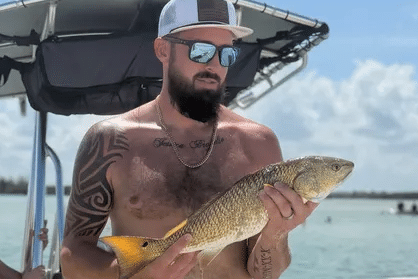
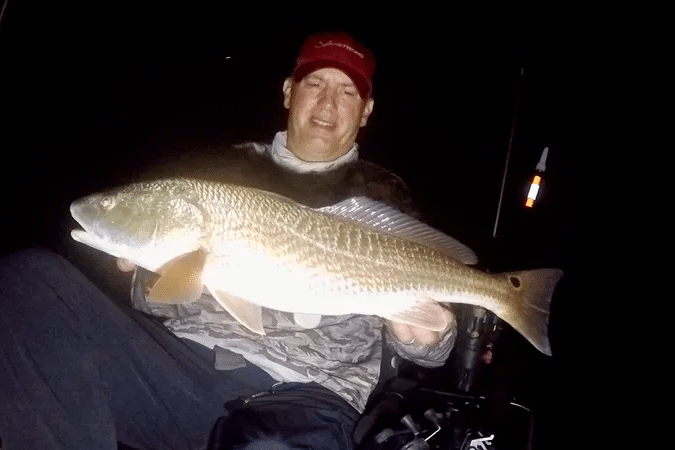
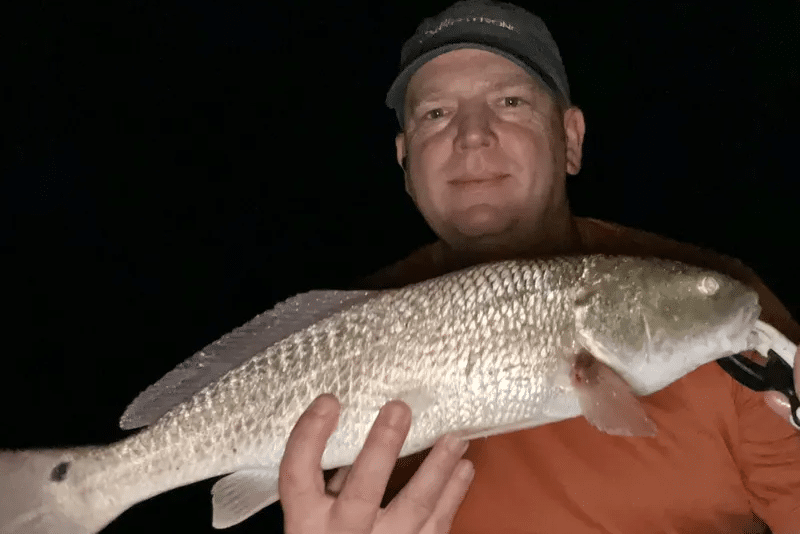
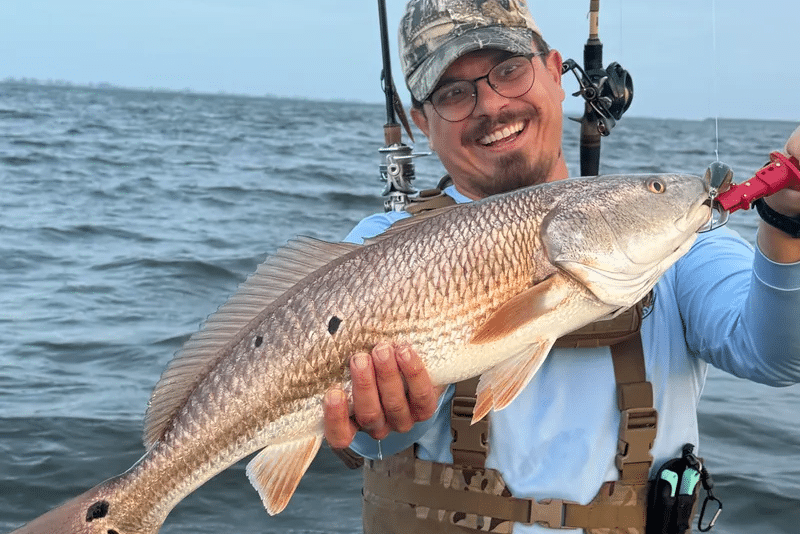
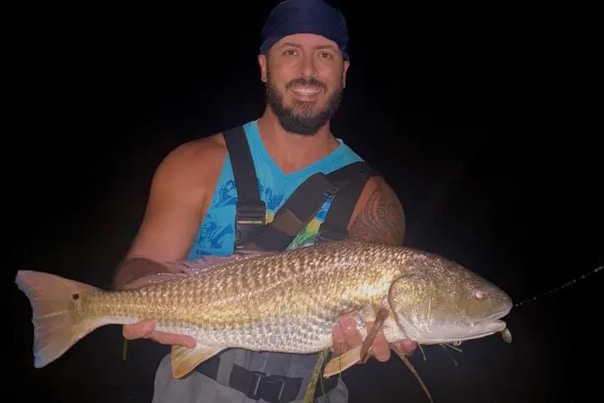
Redfish have been a little more scattered, but we are still seeing them around mangrove shorelines, oyster bars, residential docks, grass flat edges, and sandy potholes throughout Boca Ciega Bay and the surrounding backwaters. The best redfish bite has been during moving water, especially when the tide is high enough to push fish up into the mangroves or around oyster-laden shorelines. Cut pinfish, cut mullet, live shrimp, pilchards, and small crabs are all great choices. Artificial anglers can do well with gold spoons, weedless soft plastics, and small paddle tails worked slowly around potholes and shoreline edges. If you find mullet schools pushing along a mangrove edge or flat, slow down and work that area thoroughly because redfish are often mixed in with them, feeding on shrimp, crabs, and small baitfish stirred up by the school.
Trout fishing has been best on the deeper grass flats, potholes, and drop-offs, especially where clean water and bait are present. Around the Madeira Beach, Treasure Island, and St. Pete Beach area, look for trout over healthy grass in four to ten foot of water early in the day, then slightly deeper as the sun gets higher and water temperatures climb. Live shrimp under a popping cork is always a reliable option, especially when you are drifting larger flats and trying to locate fish. Soft plastic paddle tails, jerk baits, and suspending twitch baits are also great choices. The trick with trout is covering water until you find the fish. Once you catch one, keep working that same depth, pothole edge, or grass line because there are usually more fish nearby.
Mangrove snapper are really starting to fire up inshore as the water warms. We are seeing them around docks, bridges, seawalls, rock piles, jetties, oyster bars, and deeper cuts inside the pass. John’s Pass is a great area to target mangrove snapper because of the strong current, structure, and abundance of small bait. The key is lighter tackle and a natural presentation. Use small live shrimp, tiny pilchards, greenbacks, or small pieces of cut bait on a lighter fluorocarbon leader with just enough weight to get the bait down. Mangrove snapper are smart and leader shy, especially in clear water, so downsizing to lighter leader can make a big difference. Chumming with small pieces of cut bait or crushed shrimp can help get them fired up, but do not overfeed them. Keep your bait small, fresh, and right in the strike zone close to structure.
Flounder have been showing up around sandy potholes, bridge edges, dock lines, pass edges, and areas where sand meets grass or rock. These fish love to lay flat on the bottom and ambush bait as it moves by, so slow and low is the name of the game. Small live shrimp, mud minnows, finger mullet, and small pilchards worked near bottom are great options. A jig head with a soft plastic bounced slowly along the bottom can also be very productive.
Pompano have been around the passes, sandy channels, bridge areas, beach troughs, and clean-water cuts where current is moving over sandy bottom. Around John’s Pass, they can be caught bouncing small pompano jigs, goofy jigs, or small pieces of shrimp near the bottom. These fish are often moving quickly, so covering water is important. Look for clean water, sandy bottom, small crabs, coquina, and current seams. A bright little jig bounced along the bottom with short, sharp hops is a great way to trigger a bite. If you catch one pompano, keep working that same lane because they often travel in small groups.
Tarpon are becoming a bigger part of the inshore and beach fishing conversation as we move deeper into the warmer season. We are seeing more fish along the beaches, around the passes, deeper channels, bridge areas, and larger bait schools. Early morning and evening are best, especially when the water is calmer and you can see fish rolling. Live crabs, threadfins, large scaled sardines, pinfish, and pass crabs are all great tarpon baits. Around bridge and pass areas, fish the tide changes and watch for rolling fish, nervous bait, or birds working. Tarpon can be very tide dependent, so patience is important. Have your drag set properly, use strong tackle, and make sure you are ready before that bite happens because these fish are powerful and unforgiving.
Shark fishing has also been very active with the warmer water and abundance of bait around the beaches, passes, flats, and nearshore edges. Blacktips, bonnetheads, spinner sharks, nurse sharks, and other coastal sharks are all possible around our area this time of year. Cut ladyfish, mullet, mackerel, jack crevalle, and bonita are great shark baits. Around the flats and mangrove edges, bonnetheads will also eat shrimp, crabs, and smaller natural baits. For larger sharks, focus on deeper cuts, pass edges, beach troughs, and areas where bait schools are concentrated.
Overall, the inshore bite around John’s Pass and the central west Florida Gulf beaches has been very productive when you match your plan to the conditions. Fish early or late, focus on moving water, pay close attention to bait, and adjust your tactics as the sun gets higher and the water warms. The stronger tide windows around the moon phase should help keep fish feeding, especially around the passes, bridges, mangrove points, grass flat edges, and deeper cuts. Whether you are targeting snook on the beach, redfish along the mangroves, trout over the grass, mangrove snapper around structure, flounder near sandy potholes, pompano in the pass, tarpon along the beaches, or sharks around bait schools, there are plenty of great inshore fishing opportunities right now around Madeira Beach, John’s Pass, Tampa Bay, and the surrounding Pinellas County waters.
Fishing Tips
- Snook: Use live baits like greenbacks, threadfins, and shrimp, or try flair hawks and soft plastics at night.
- Redfish: Look for them around mangroves, oyster bars, and flats, and use dead baits during higher tides.
- Trout: Target them with soft plastics, white bait, and shrimp around deeper flats and potholes.
- Tarpon: Target them during the full moon with crab flushes, making it an ideal time to target them.
- Flounder: Find them near sandy bottoms and structures, biting on bottom baits.
- Pompano: Be prepared to move frequently to stay on their bite.
- Sharks: Use big dead baits in areas with moving water.
Help spread the word about what to do if you hook or entangle a bird. Never cut the line; instead, reel in the bird carefully to dehook and release it. If you accidentally hook a dock, break the line at the hook to avoid leaving any line in the water. Seabirds with fishing lines hanging from them are becoming more common, and this could lead to the closure of fishing areas.
Rising concerns about bird entanglements might result in closing fishing spots, impacting the few available locations around Tampa Bay from shorelines, docks, bridges, or piers. Learn more in our podcast with Salt Strong: https://www.saltstrong.com/articles/shutting-down-fishing-at-busy-pier/.
NEarshore Fishing Report
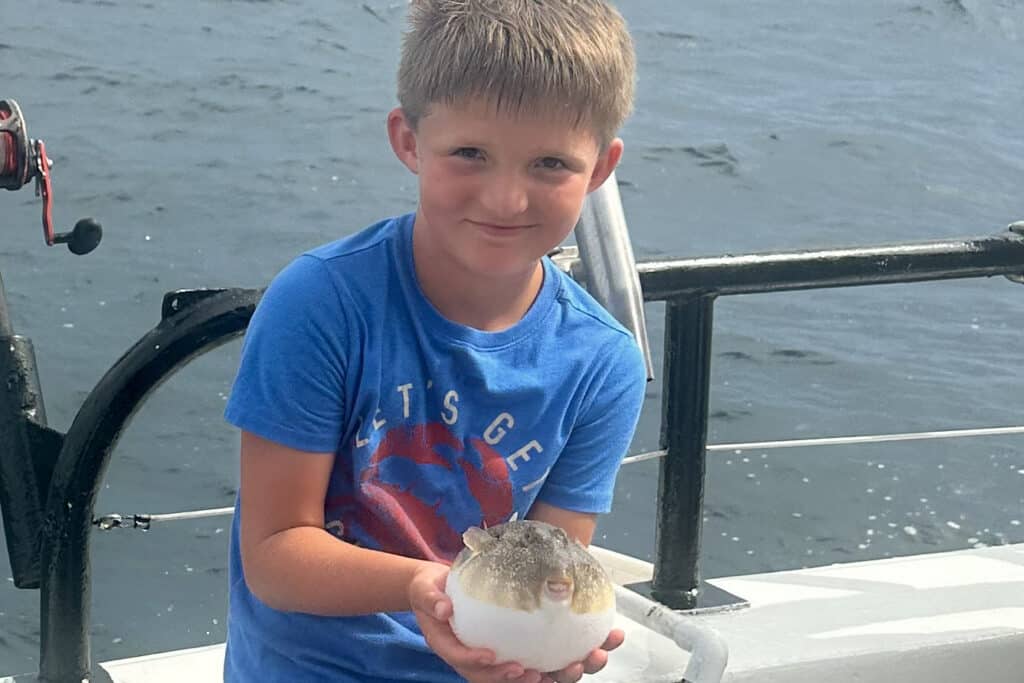
The near shore fishing around John’s Pass, Madeira Beach, Treasure Island, St. Pete Beach, and the central west Florida Gulf beaches has been very productive with this warm early summer pattern. Water temperatures are up, bait is plentiful, and the fish are staging around structure, ledges, artificial reefs, hard bottom, rock piles, and any area with clean water and steady moving current. With the moon phase still giving us decent water movement and the barometer staying fairly stable ahead of those afternoon summertime storm chances, the near shore bite has been pretty solid.
Lane snapper have been a steady part of the near shore catch, especially on the smaller ledges, hard bottom, shell bottom, and patchy structure in that deeper near shore zone. These fish are not always stacked on the biggest relief. A lot of times the better lane snapper action is found on low-profile bottom, smaller rock piles, Swiss cheese bottom, and scattered hard bottom where there is a mix of sand and structure. Small pieces of squid, shrimp, cut sardine, and small chunks of threadfin work very well. Lane snapper are aggressive when they are fired up, but lighter tackle and smaller hooks help keep the bite steady, especially when the water is clean and the fish are being a little picky.
Mangrove snapper are really starting to become more active deeper near shore as the water warms. Around the near shore reefs, rock piles, bridge rubble, ledges, and artificial structure, these fish are chewing well. They love structure and they love a natural presentation, so keeping your bait close to the bottom and close to the relief is key. Small live pilchards, threadfins, shrimp, cut sardines, and even smaller pinfish can get the job done. The trick is downsizing when needed. Mangrove snapper can get leader shy, especially in clear water, so fluorocarbon leader, smaller hooks, and just enough weight to hold bottom can make a huge difference. Chumming lightly can help bring them up, but overfeeding them will shut down your opportunity quickly.
Hogfish action is still possible near shore, but these fish are getting a little trickier as the water continues warming. Hogfish tend to prefer a more natural crustacean-style bait presentation, so live shrimp, sand fleas, small crabs, and pieces of shrimp are top choices. Look for hogfish around patchy hard bottom, small ledges, shell bottom, and areas with scattered rock and sand mixed together. They are not always right on top of the largest structure. Many times, hogfish will be off the edge of the relief, working the sandy areas around the rock piles and ledges. Lighter tackle, longer fluorocarbon leader, and a slow natural presentation are important. If you are catching lots of grunts, porgies, and smaller bottom fish, you are often in the right neighborhood for hogfish too just have to get past the other more aggressive fish first.
Red grouper near shore have been around the deeper near shore areas, potholes, ledges, hard bottom, and Swiss cheese bottom, but the better keeper-sized fish are more consistent as you work deeper. Near shore red grouper are very structure- and bottom-oriented, and they love areas where the bottom has broken limestone, small ledges, and natural potholes. Live pinfish, cut threadfins, sardines, squid strips, and larger pieces of cut bait can all work well. Red grouper are scent-driven and will often come out of the bottom to investigate a bait when the current is moving. A slow, steady presentation near the bottom is best. When the bite is slower after a pressure rise or stormy period, downsizing bait or adding extra scent can help.
Mackerel have been active around bait schools, near shore reefs, markers, artificial structure, and areas where birds are dipping or bait is flashing on the surface. Spanish mackerel especially love clean, moving water with plenty of bait. Gotcha plugs, casting spoons, small flashy jigs, white bait, and threadfins are all great options. A fast retrieve is often the key. These fish are built for speed, and they like to chase. Light wire or heavier fluorocarbon leader can help prevent cutoffs, but if the water is super clear, lighter leader may get more bites. Watch for diving birds, surface flashes, and bait showering. When you find the bait, the mackerel are often not far behind.
Fishing Tips
- Red Grouper: Target the deepest near shore waters with big dead baits or solid live baits. Use 60 lb test and 7/0 hooks for best results.
- Red Snapper: Use big dead baits like whole squid and bonita strips with heavy tackle to focus on larger fish. Prime trips include the 12-hour extreme, 39-hour, and 44-hour trips.
- Scamp Grouper: Use small to medium pinfish and cut threadfin, especially while targeting mangrove snapper.
- Mangrove Snapper: Near shore, use live shrimp and small chunks of threadfin on 30-40 lb test with 3-4/0 hooks. Offshore, use bigger chunks of cut threadfin or medium pinfish on 40-60 lb test with 5-7/0 hooks.
- Vermillion Snapper: Start around 100 feet of water using cut squid or threadfin. These fish are aggressive and not leader-shy.
- Yellowtail Snapper: Use shrimp, cut squid, and threadfin.
- Pelagic Species: Keep flat lines and pitch rods ready for sailfish, kingfish, wahoo, tuna, and mahi mahi.
Offshore Fishing Report
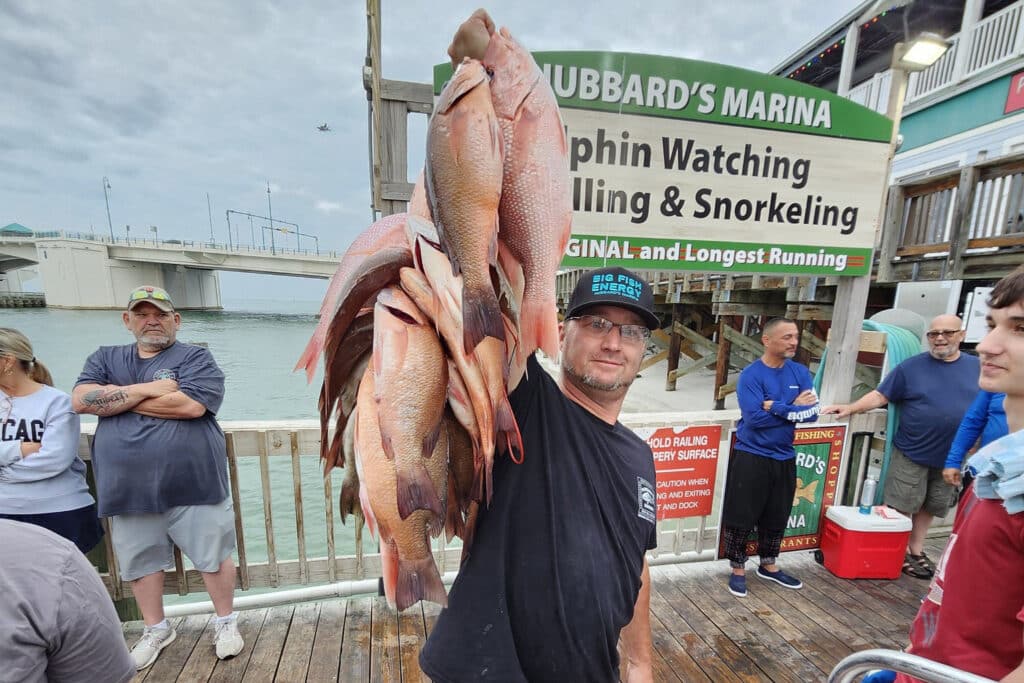
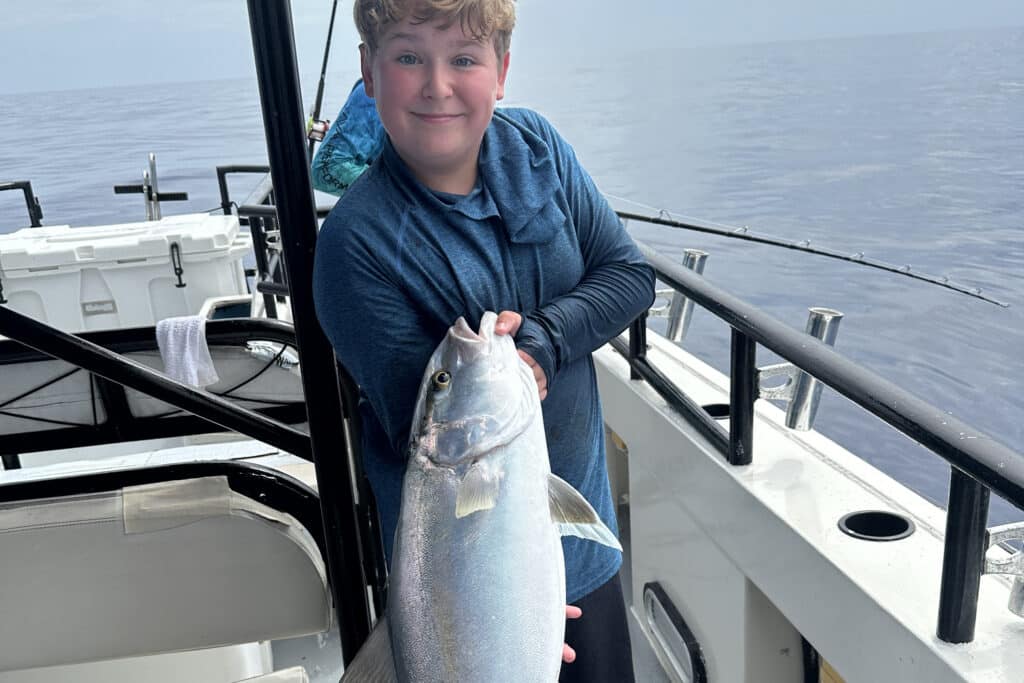
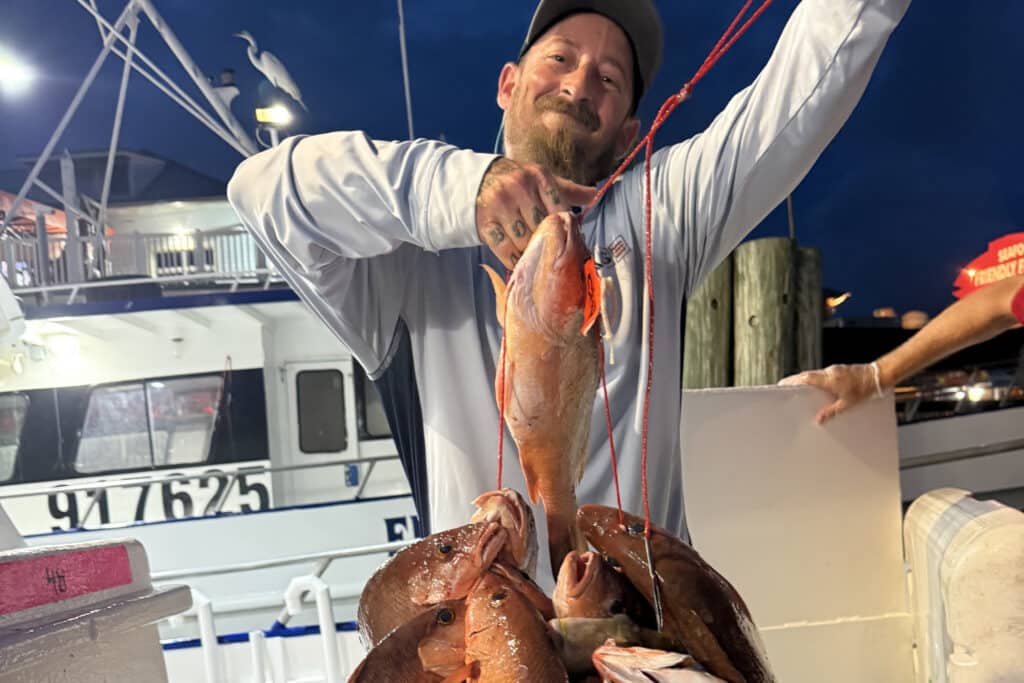
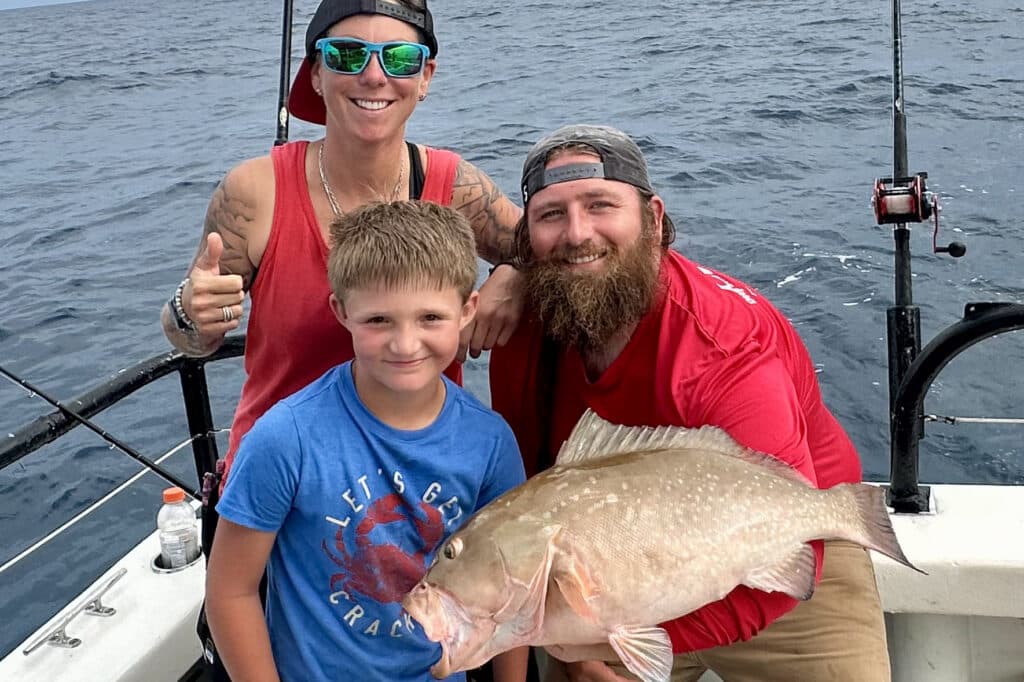
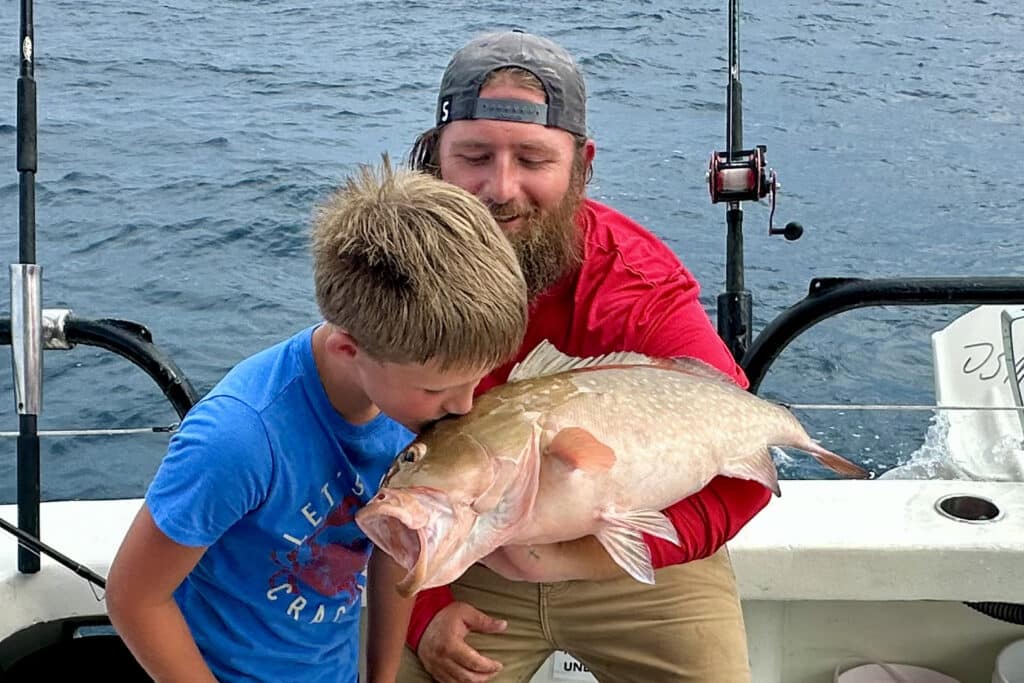
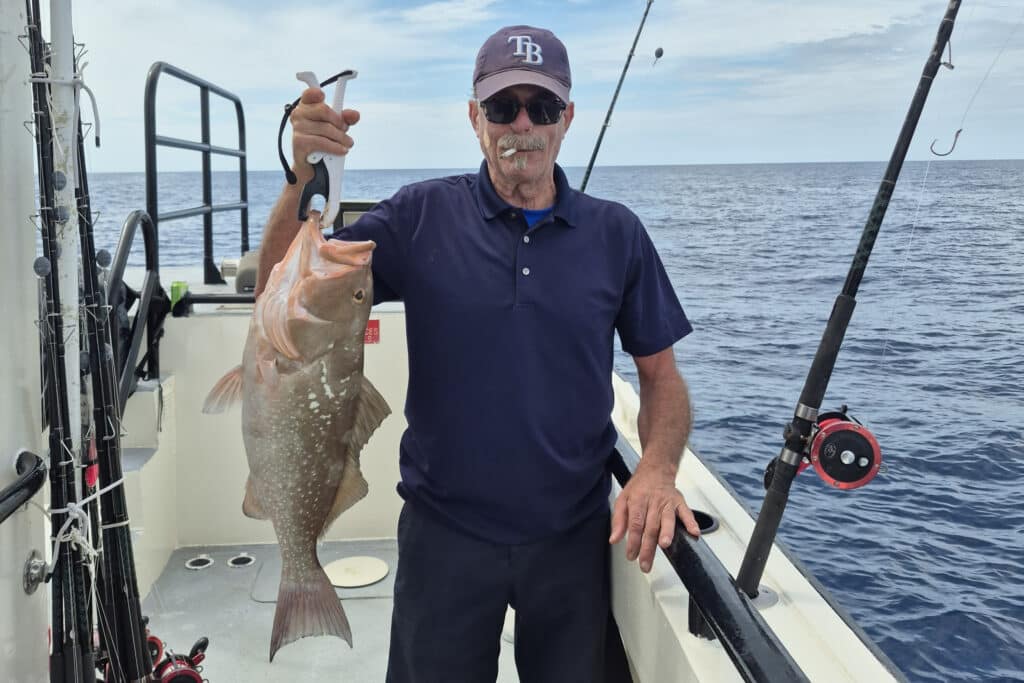
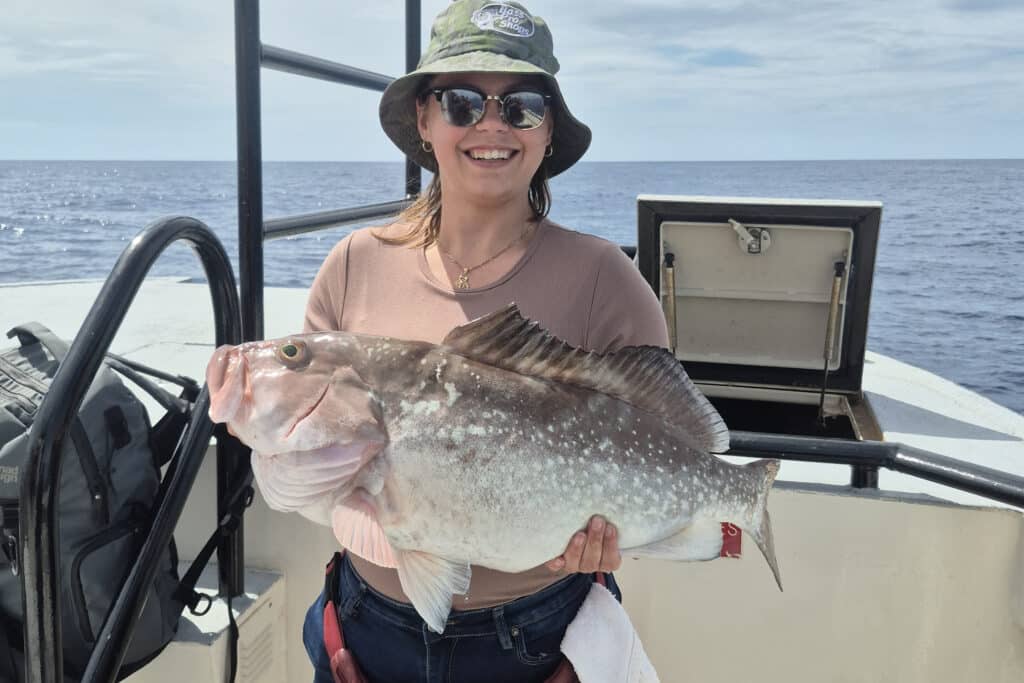
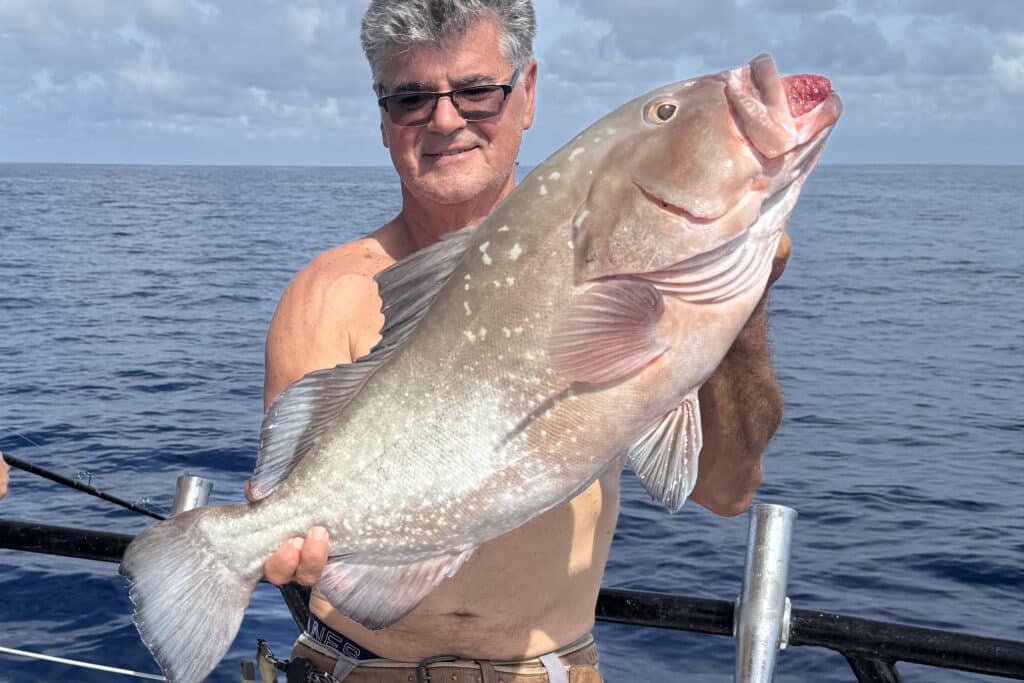
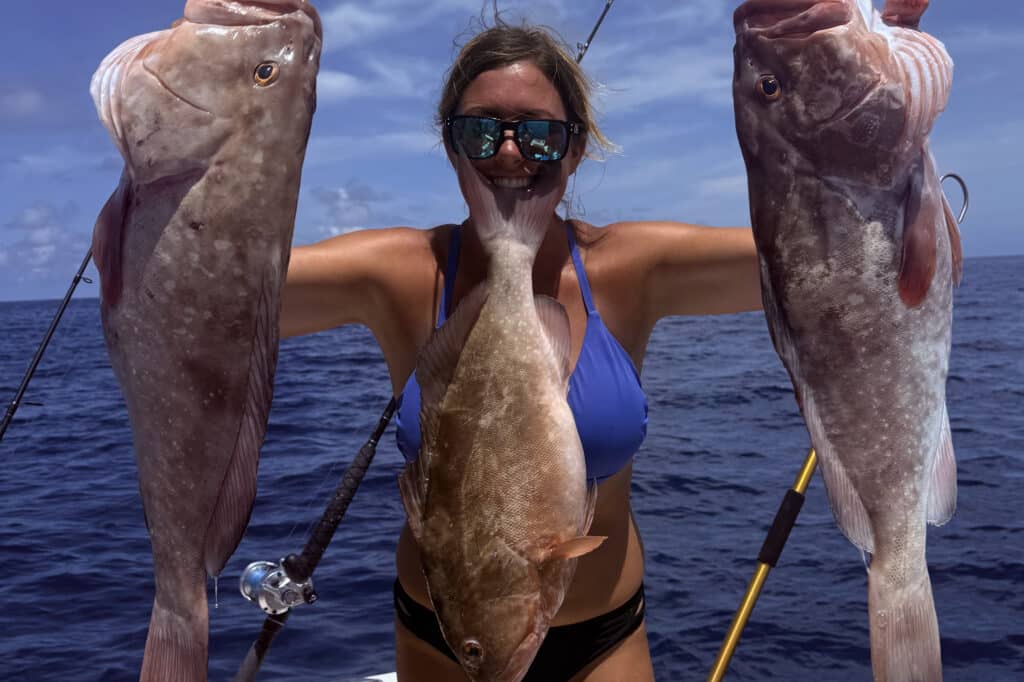
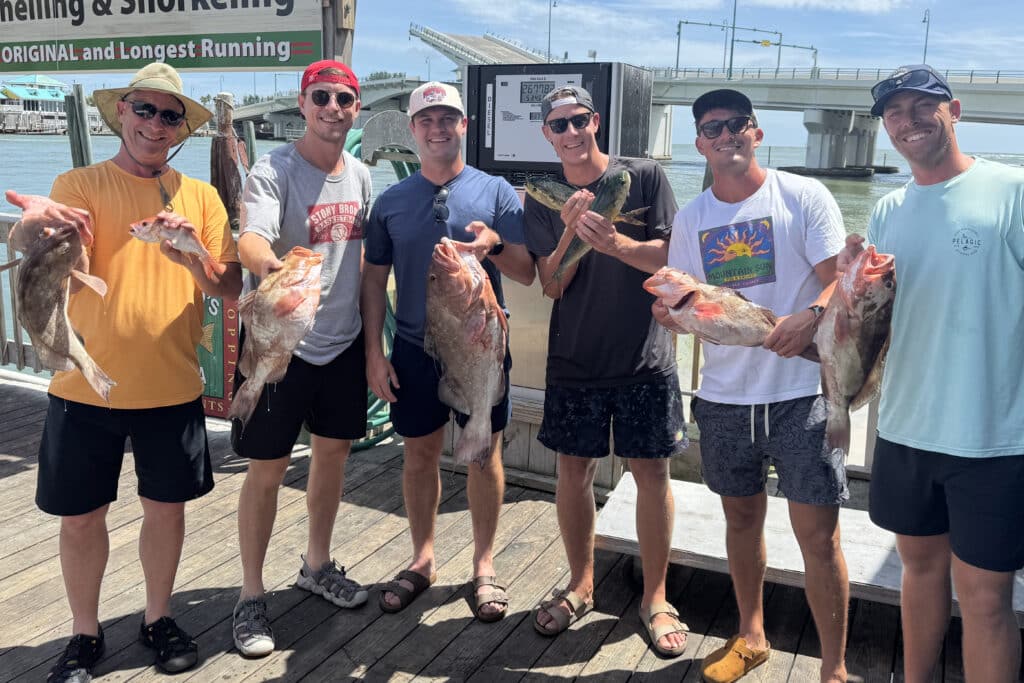
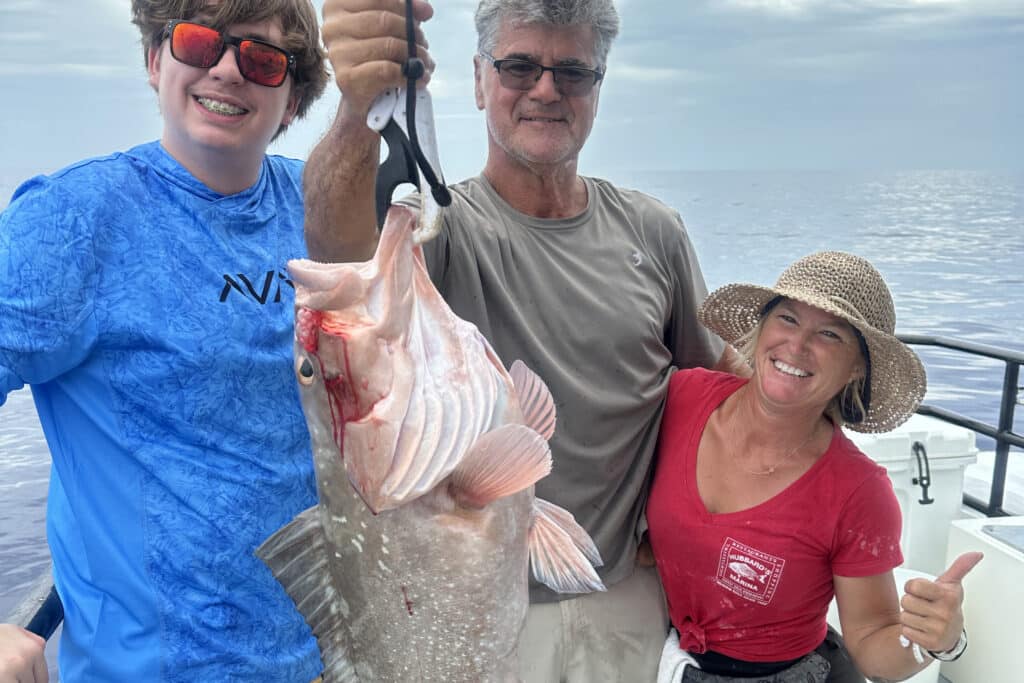
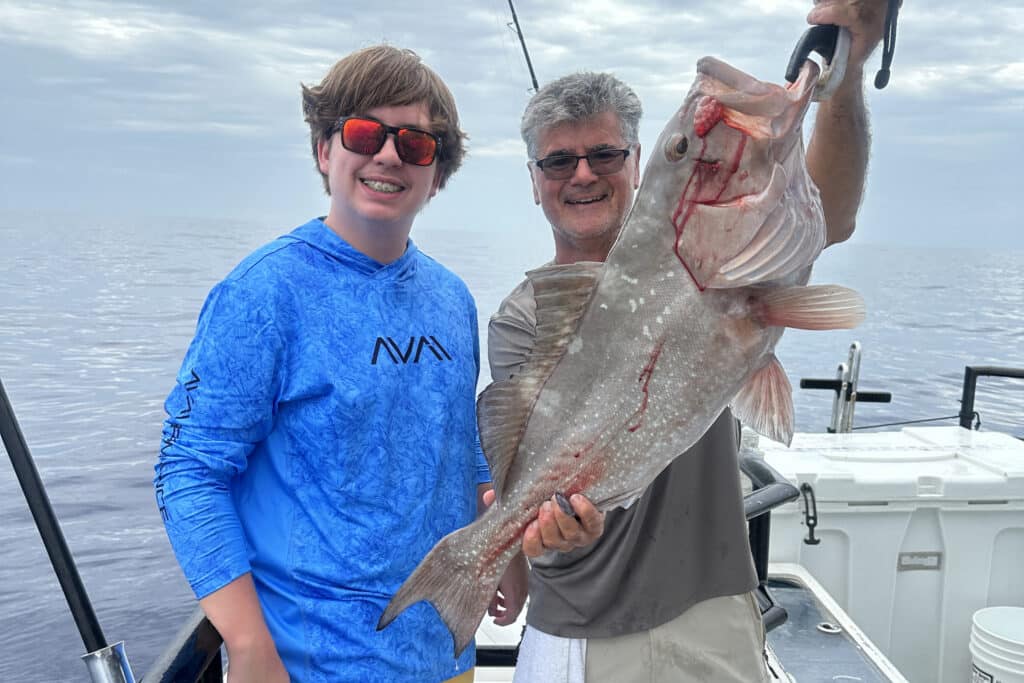
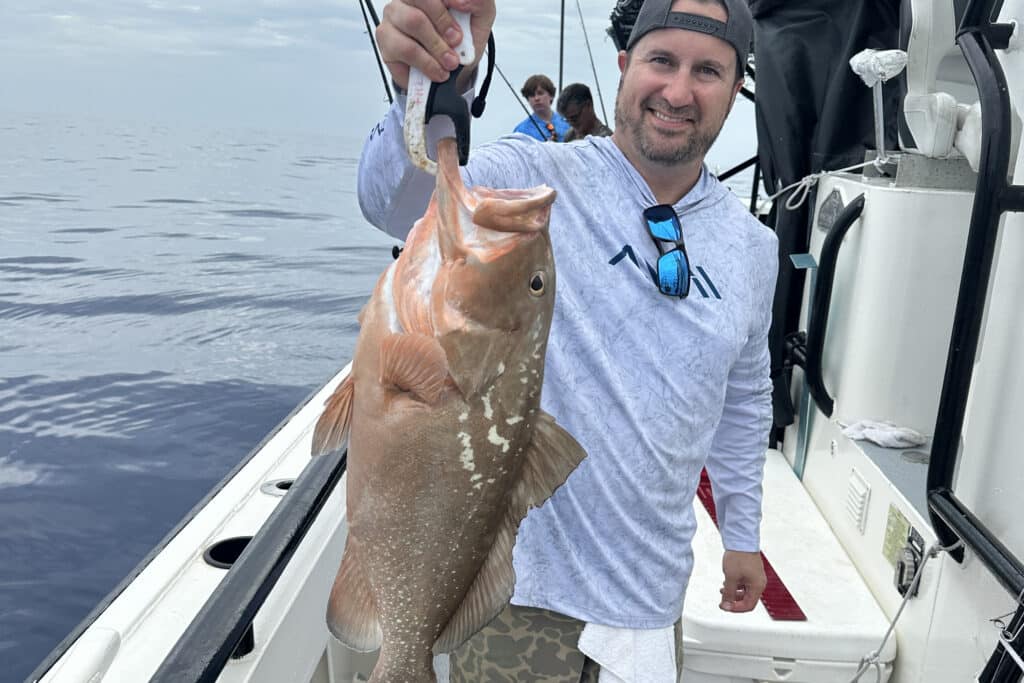
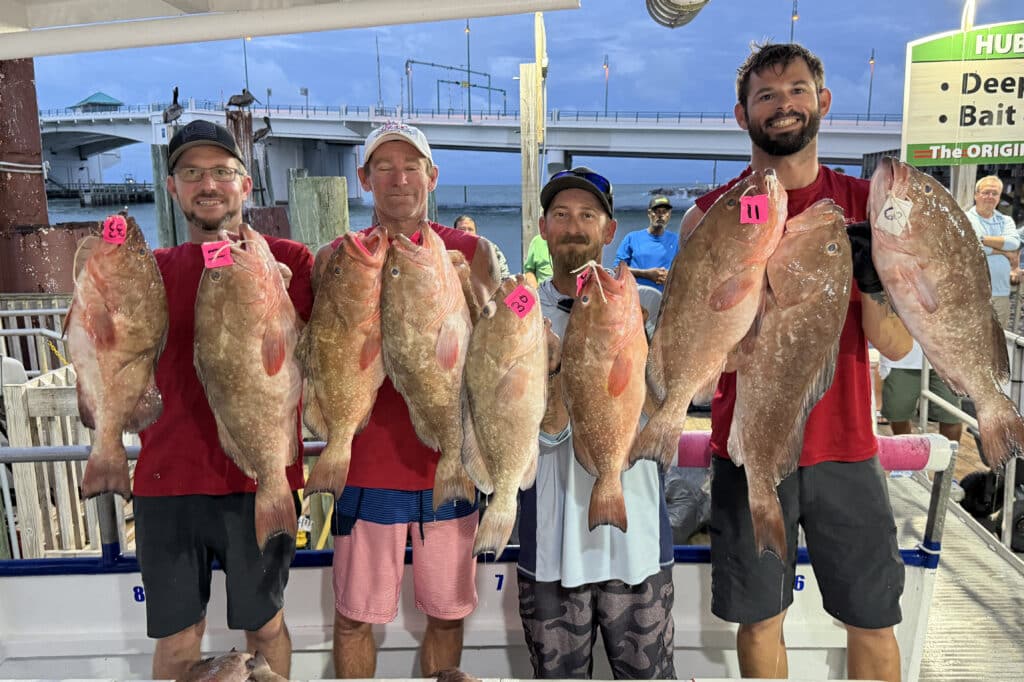
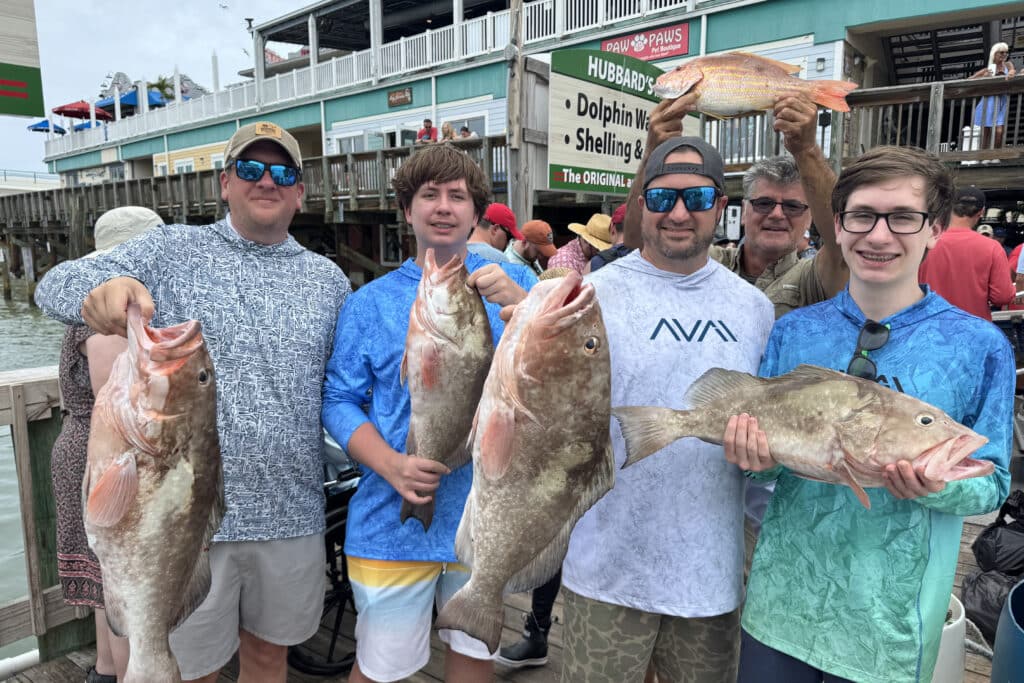
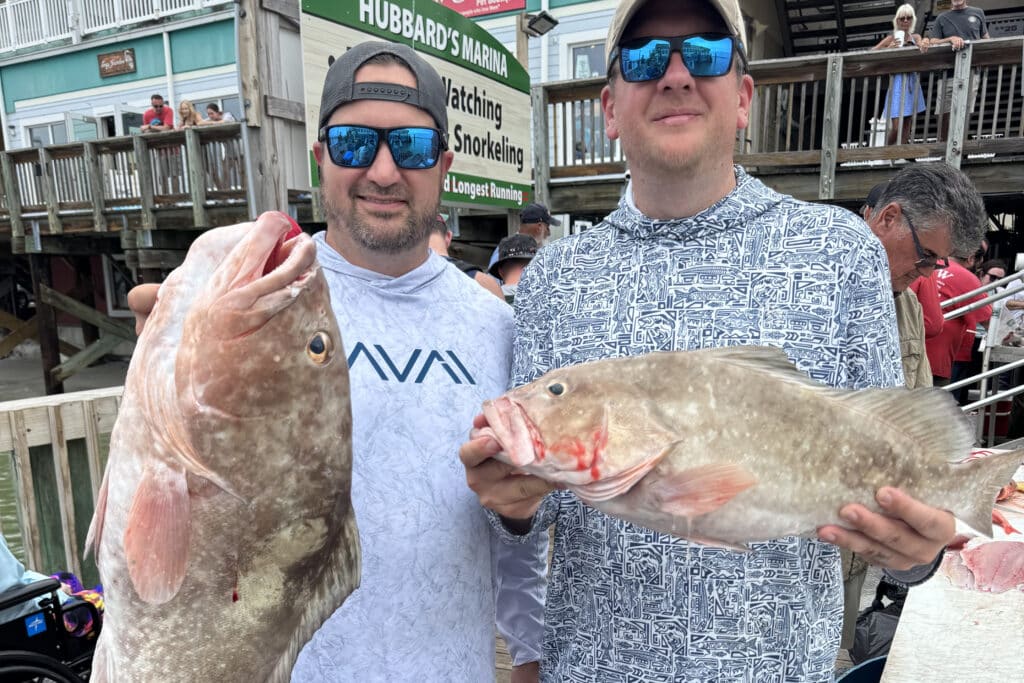
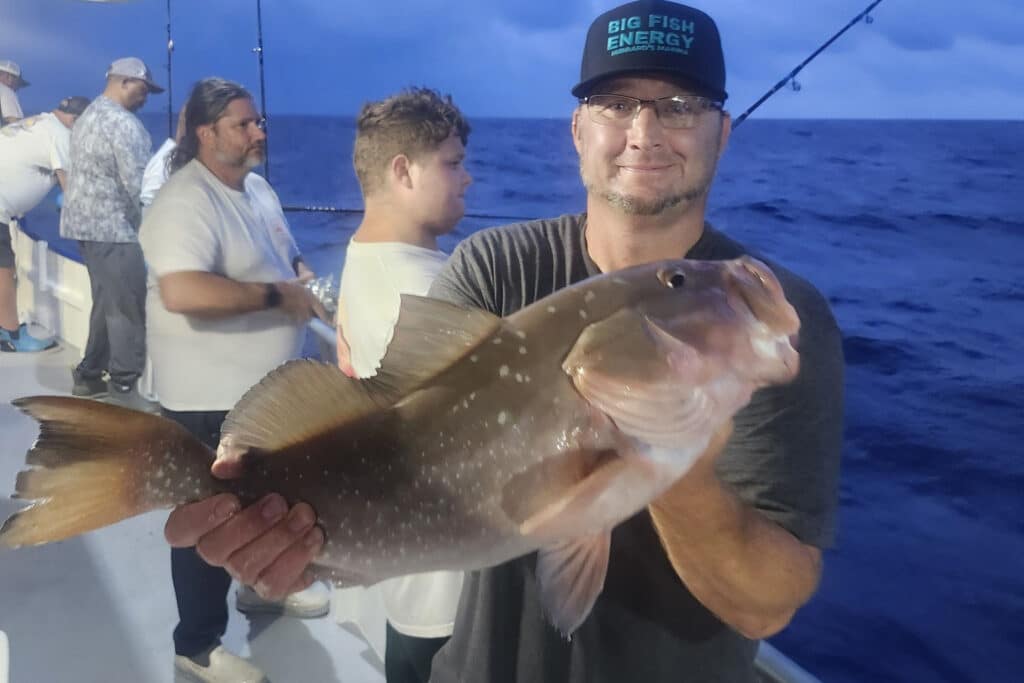
The offshore fishing out of Hubbard’s Marina and John’s Pass has been strong as we settle into our warm Gulf pattern. The deeper water is helping produce a great variety of quality fish, and the best action has been coming from those longer runs where we can get into more stable water, better structure, cleaner conditions, and deeper offshore ledges. With water temperatures warming up near shore and at the surface, a lot of the best offshore bottom fishing is happening where fish can stage along ledges, potholes, springs, hard bottom, wrecks, and deeper peaks.
Red snapper fishing are open June first until October 25th! Look for them beyond 120-1240ft of water especially around larger structures, wrecks, springs, ledges, and deeper hard bottom. Red snapper are aggressive, powerful, and often willing to come well up off the bottom when they are fired up. Live pinfish, threadfins, sardines, squid, bonita strips, and cut bait all work well. When the current is moving and the fish are chewing, bigger baits can help target the larger red snapper. When the bite gets picky, especially after pressure changes or heavy boat traffic, downsizing leader, changing bait size, or using a more natural presentation can help trigger bites.
Scamp grouper have been biting best on deeper offshore ledges, potholes, rock piles, and hard bottom areas with good relief and clean water. These fish are structure-oriented and often hold tighter to the bottom than red snapper. Live pinfish, small grunts, threadfins, sardines, and cut bait are all good choices. Scamp can be aggressive, but they can also be picky, so a fresh lively bait and a clean presentation are important. Sometimes the best scamp bites come just off the main structure on the edges where the current sweeps bait past the ledge.
Red grouper offshore have been most consistent around deeper Swiss cheese bottom, natural potholes, ledges, and broken limestone areas. These fish are not always on the tallest structure. In fact, many of the best red grouper spots are lower-profile hard bottom areas with lots of cracks, holes, and scattered relief. Red grouper respond well to scent, so cut threadfin, squid, sardines, bonita strips, and live pinfish are all productive. They often feed better when the current is moving and the barometer is steady. If the pressure jumps after a storm or front-like boundary, the red grouper bite can slow temporarily, but they usually turn back on once conditions stabilize.
Mangrove snapper offshore have been feeding well around ledges, wrecks, rock piles, and hard bottom, especially at night or during lower-light periods. Offshore mangrove snapper are smart, powerful, and extremely leader shy at times. The best trick is to scale down your tackle as much as conditions allow while still having enough strength to pull them away from the structure. Live pilchards, threadfins, small pinfish, cut sardines, and chunks of bonita are all great baits.
Yellowtail snapper are more steady action lately, we are seeing them more and more frequently now that summer time patterns have settled into our offshore waters.
Now that red snapper is open we will regularly fish deeper during our long range trips especially as season progresses, so that should mean a steady opportunity for the occasional mutton snapper as we target the red snapper.
Almaco jacks, porgies, and plentiful vermillions are always a great box filler and we should have plenty around coming up as we hunt red snapper, red grouper and mangroves.
Pelagic action has also been part of the offshore story. Kingfish, blackfin tuna, and the occasional wahoo are possible around bait schools, current edges, wrecks, weed lines, temperature breaks, and areas where birds and surface activity give away feeding fish. Kingfish have been around live bait schools and offshore structure, especially when the water is clean. Slow-trolled live baits, stinger rigs, spoons, and plugs can all work. Tuna are more likely around deeper water, birds, bait, and active surface feeds. Wahoo are more of a bonus fish, but high-speed trolling, larger plugs, and baits around clean blue water edges can produce that opportunity.
Overall, offshore fishing out of John’s Pass continues to offer a strong mixed bag with red snapper, scamp grouper, red grouper, mangrove snapper, yellowtail snapper, mutton snapper, almaco jacks, vermilion snapper, porgies, and pelagics like kingfish, tuna, and wahoo all in the mix. The best bite is coming from quality bottom, good current, clean water, and anglers who are willing to adjust their tackle, bait, and presentation as the day unfolds.
Don’t forget, that we have some great videos on our fishing tips and tricks page here to show you how to target and rig for almost any species-> https://www.hubbardsmarina.com/fishing-tips/
Remember that when fishing in deeper nearshore and offshore federal waters, the Descend Act requires you to have a descending device or venting tool “rigged and ready.” If you know how to use a venting tool, keep it prepared. If not, here’s some helpful advice: https://bit.ly/3L5HTnv. Using a descending device is straightforward and doesn’t require as much precision or practice as venting. Return em’ Right has a training course only takes about 10-15 minutes, and you can learn valuable techniques to protect our offshore fishery. Spread the word by visiting: https://returnemright.org/.
TERMS OF REFERENCE-
Inshore: This covers the areas from the inner bays, through the bridges, and right up to the beaches.
Near Shore: This includes the coastal waters from the beaches up to twenty miles offshore, or up to a depth of 100 feet.
Offshore: This extends from twenty miles offshore or from a depth of 100 feet and beyond.
For more fishing reports, photos, videos, and other content, check out Hubbard’s Marina on Facebook, Instagram, YouTube, TikTok, Twitter, Pinterest, or Snapchat by searching for @HubbardsMarina. Remember our family motto: “If you’re too busy to go fishing, you’re just too busy!” Thank you for reading our report.
Capt. Dylan Hubbard, Hubbard’s Marina
Phone or text: (727) 393-1947
Website: Hubbard’s Marina
If you’re not seeing the latest article, try clearing your browser cache.
You can search “how to clear browser cache” on Google for quick steps.