
Inshore Fishing Report
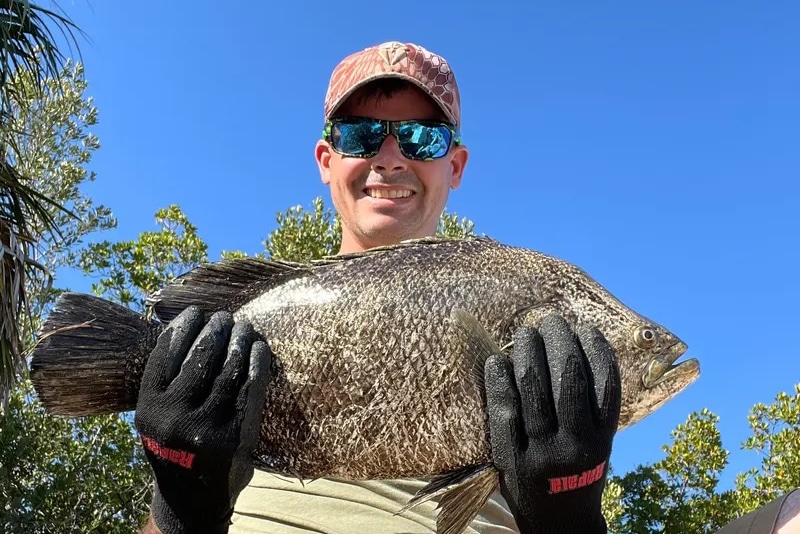
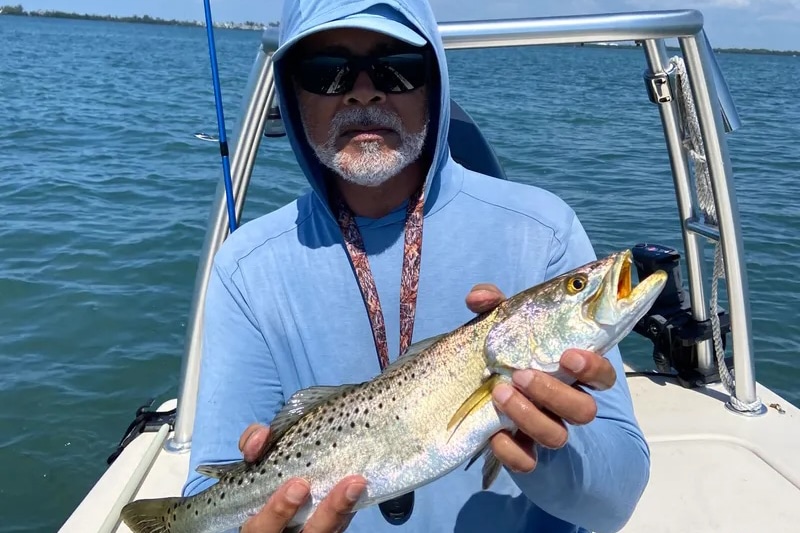
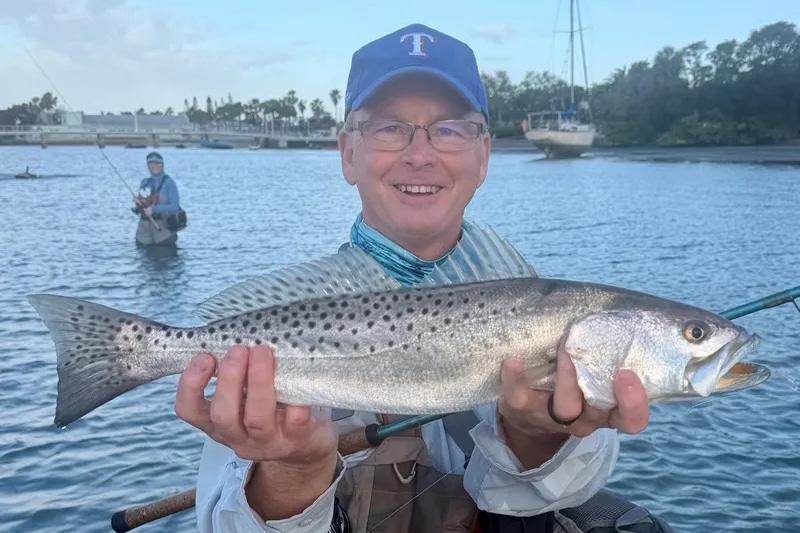
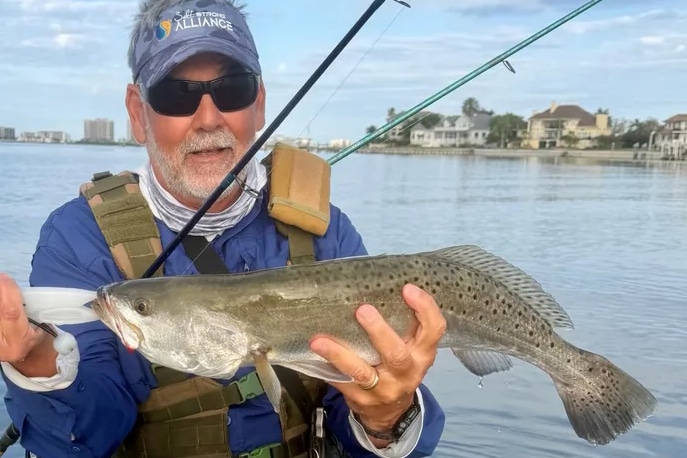
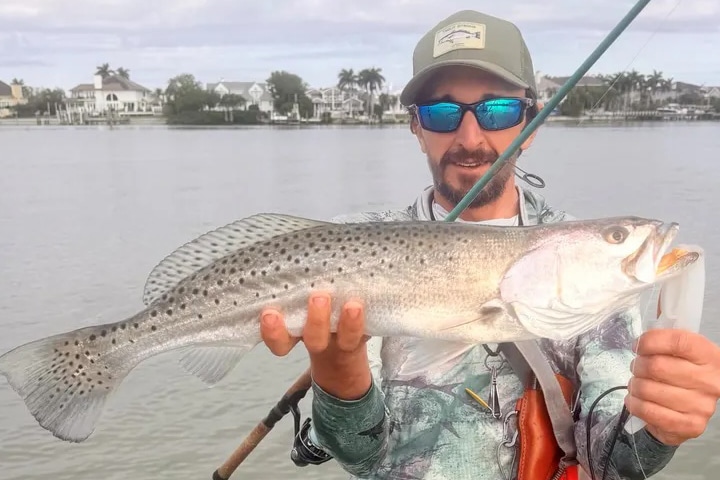
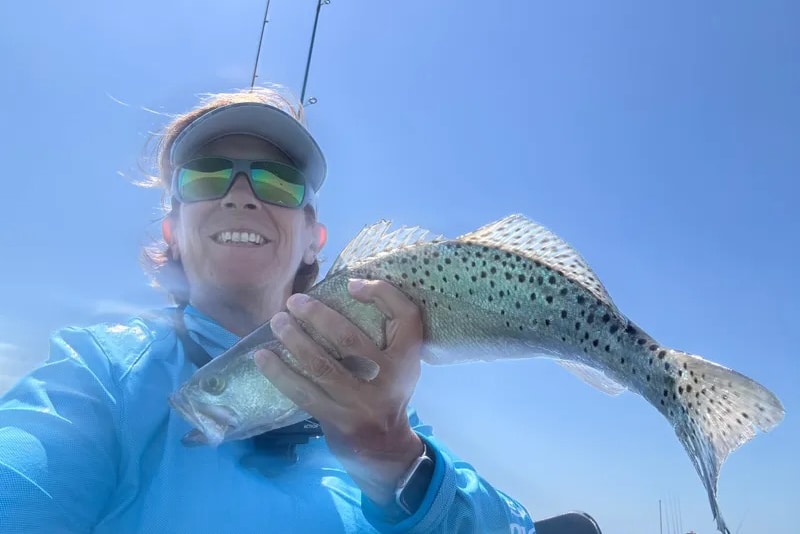
Inshore around Madeira Beach, John’s Pass, and greater Tampa Bay, trout remain one of the most dependable bites. They are still showing well on the flats, along potholes, near mangrove edges, and around oyster bars, and they can be especially good around dock lights and bridge lights when bait is getting pushed through. Live shrimp remains hard to beat, but slow-worked paddletails and shrimp imitations are also excellent choices. When the water is dirty after the front, use more vibration and slower presentations. When it starts to clear, lighten your fluorocarbon and get more subtle.
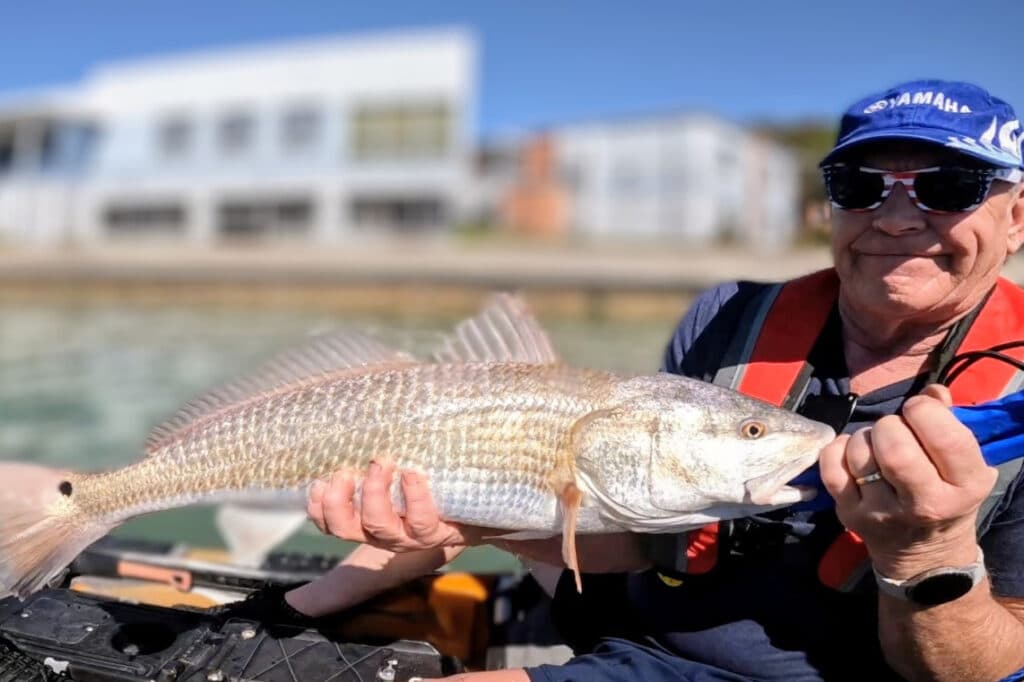
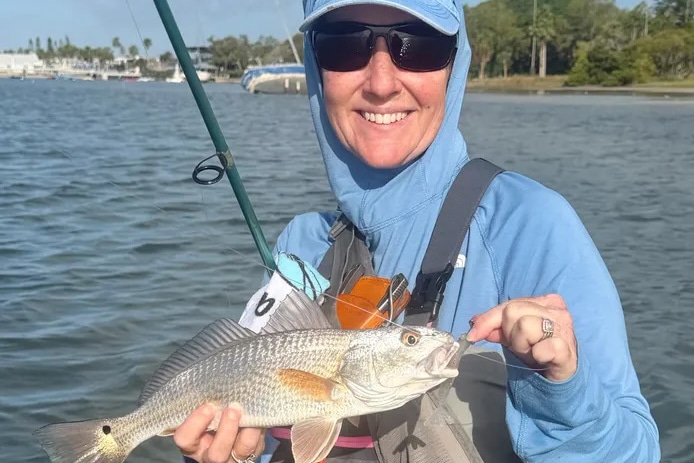
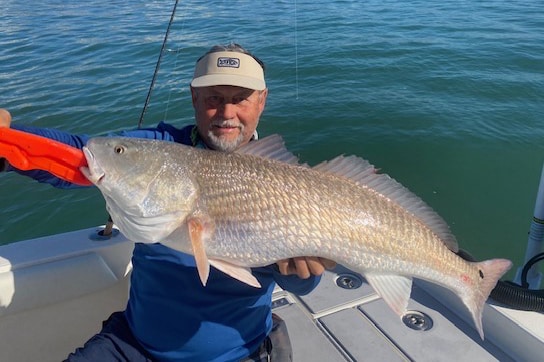
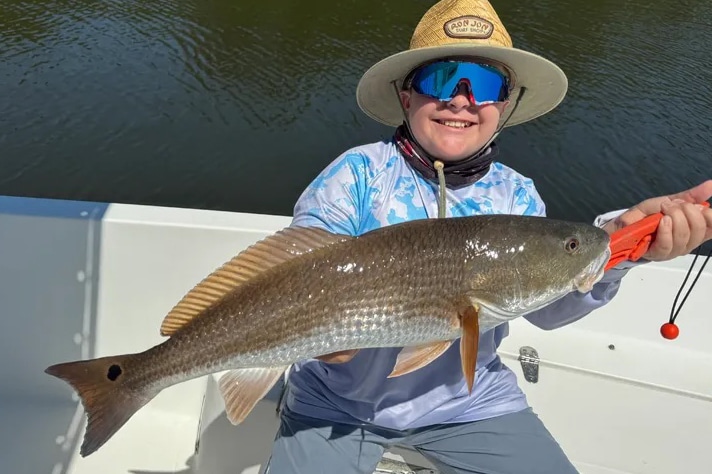
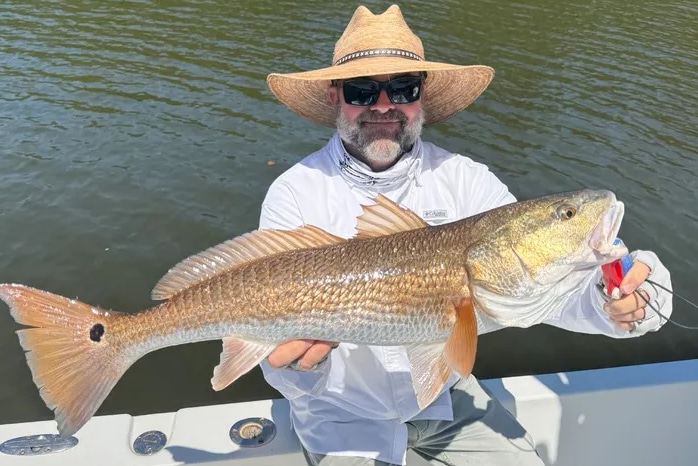
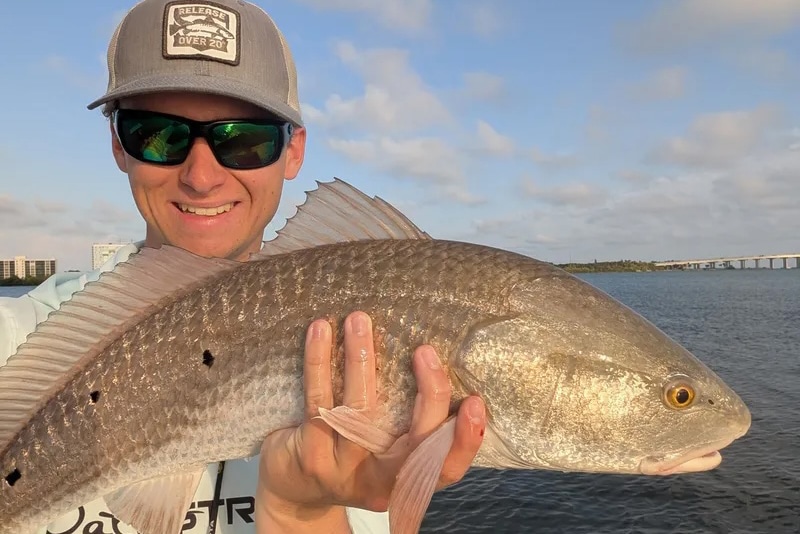
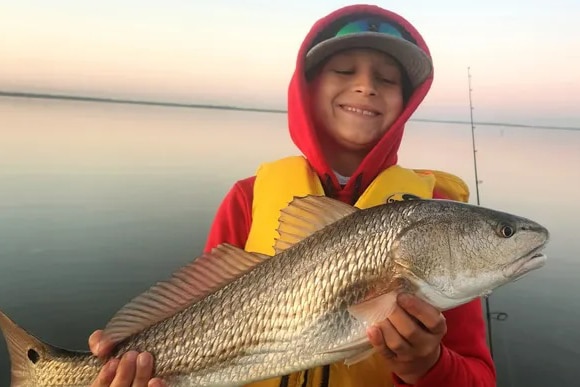
Redfish continue moving around and should still be a strong option, especially when you can find mullet, nervous bait, and birds. On slower-tide days, reds often pull toward the mouths of cuts, the corners of oyster bars, dock lines, and the deeper edges of flats where there is just enough water movement to bring food to them. Cut bait is a great tool when the fish are feeding more by scent, while weedless artificials and paddletails shine when you need to cover water.
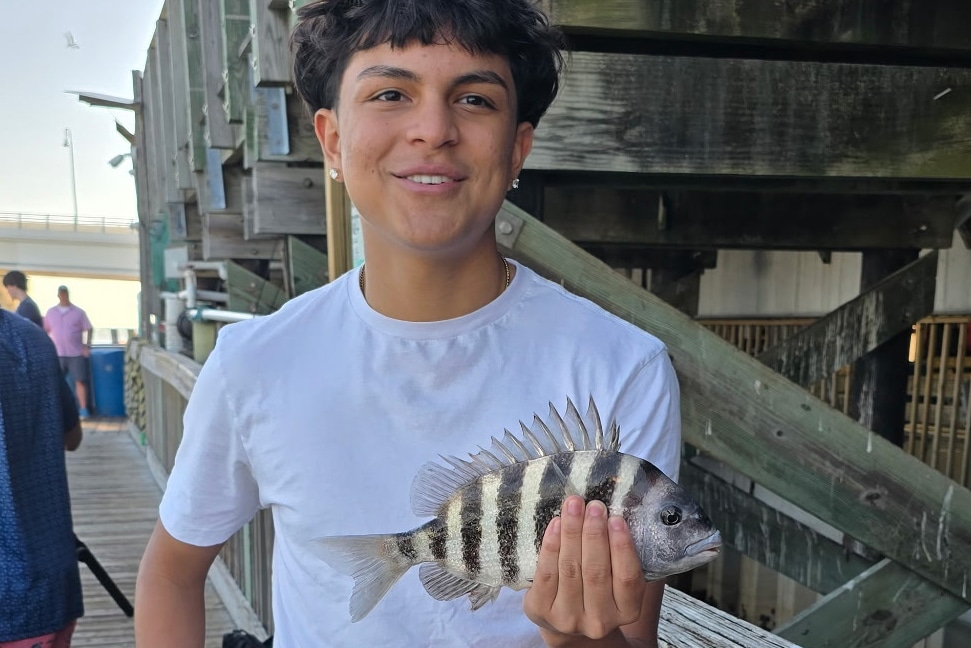
Sheepshead are still around in heavy numbers and remain one of the best bets for steady action. Bridges, jetties, rock piles, dock pilings, and any hard structure with growth will hold them. Small pieces of shrimp, fiddler crabs, clam, or oyster on a light leader and just enough weight to stay in contact with the structure is still the formula. The bite is usually subtle, so stay focused and do not over-swing.
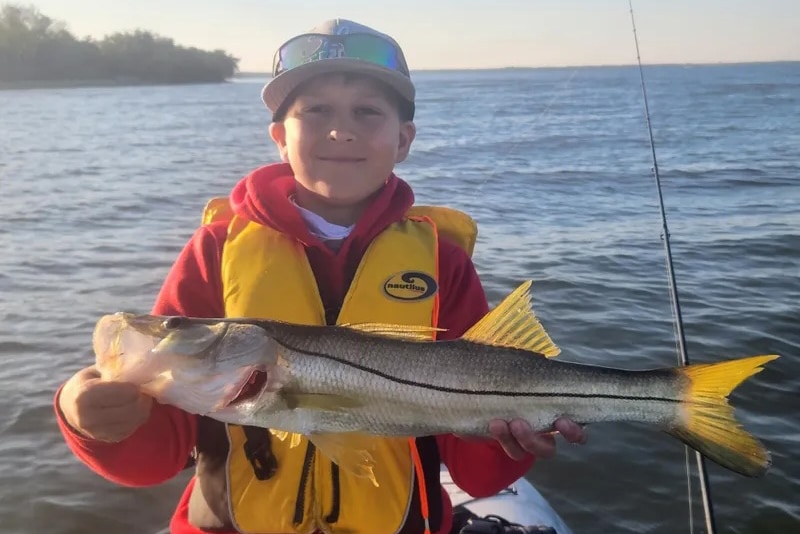
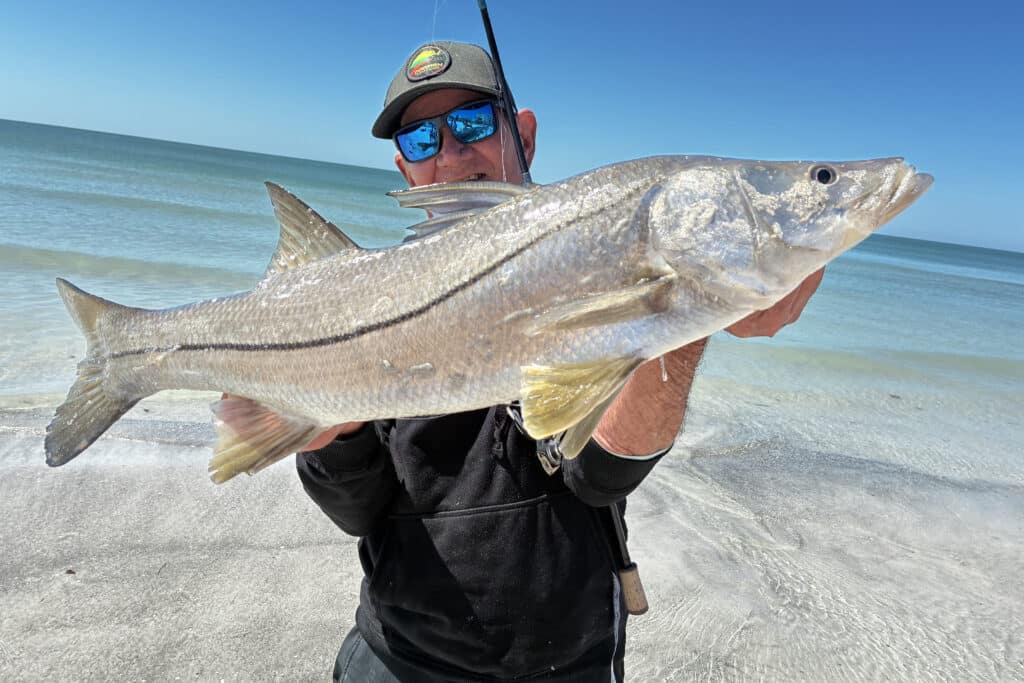
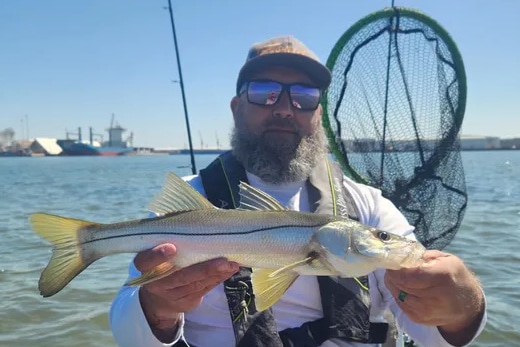
Snook are still in the system and should remain catchable, but after a strong front they often retreat into the most protected, warmest areas they can find. Think deeper canals, creek mouths, dark mud bottom, and sun-warmed shorelines in the upper and back bay. Fish the warmest part of the day, pay attention to solunar feeding windows, and keep your bait or lure presentation slow and natural.
Flounder continue to show along sandy edges, potholes, and bottom transitions near structure. Bounce a soft plastic or drag a live shrimp slowly across the bottom and let the fish load up before you come tight. And keep an eye toward the beaches and passes because tarpon season is right around the corner. A little stability and warming after this front could have the first real push of silver kings showing sooner than many people expect.
Mackerel are also very much in play inshore. Any deeper bridge, pass edge, tide line, or area holding thick bait can light up fast. Have a flashy spoon, small plug, or free-lined white bait ready any time you see surface activity.
Fishing Tips
- Snook: Use live baits like greenbacks, threadfins, and shrimp, or try flair hawks and soft plastics at night.
- Redfish: Look for them around mangroves, oyster bars, and flats, and use dead baits during higher tides.
- Trout: Target them with soft plastics, white bait, and shrimp around deeper flats and potholes.
- Tarpon: Target them during the full moon with crab flushes, making it an ideal time to target them.
- Flounder: Find them near sandy bottoms and structures, biting on bottom baits.
- Pompano: Be prepared to move frequently to stay on their bite.
- Sharks: Use big dead baits in areas with moving water.
Help spread the word about what to do if you hook or entangle a bird. Never cut the line; instead, reel in the bird carefully to dehook and release it. If you accidentally hook a dock, break the line at the hook to avoid leaving any line in the water. Seabirds with fishing lines hanging from them are becoming more common, and this could lead to the closure of fishing areas.
Rising concerns about bird entanglements might result in closing fishing spots, impacting the few available locations around Tampa Bay from shorelines, docks, bridges, or piers. Learn more in our podcast with Salt Strong: https://www.saltstrong.com/articles/shutting-down-fishing-at-busy-pier/.
NEarshore Fishing Report
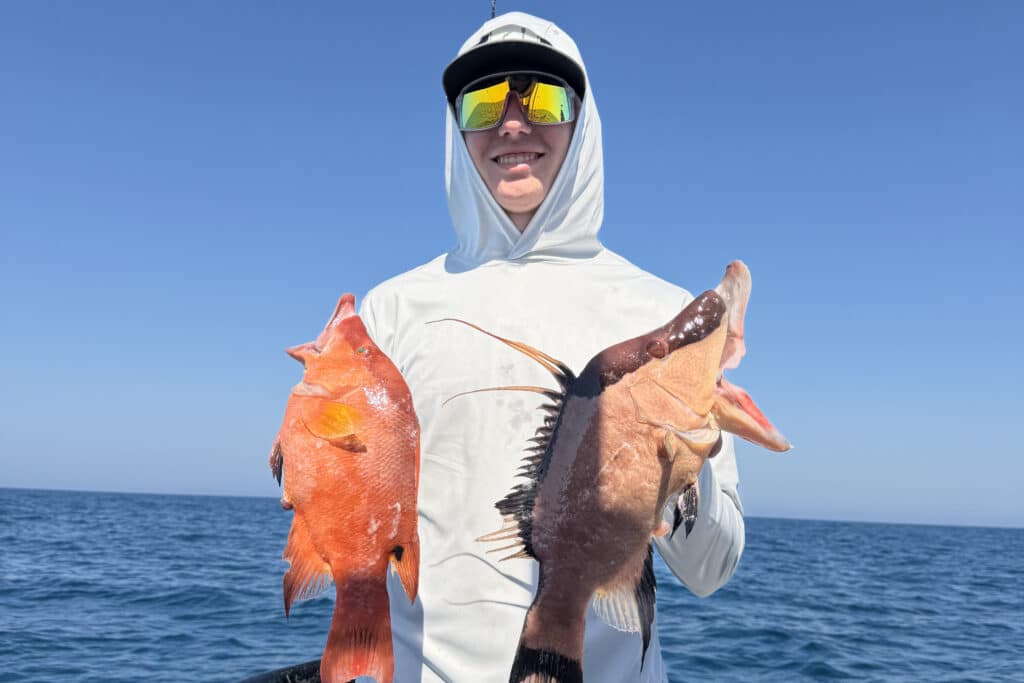
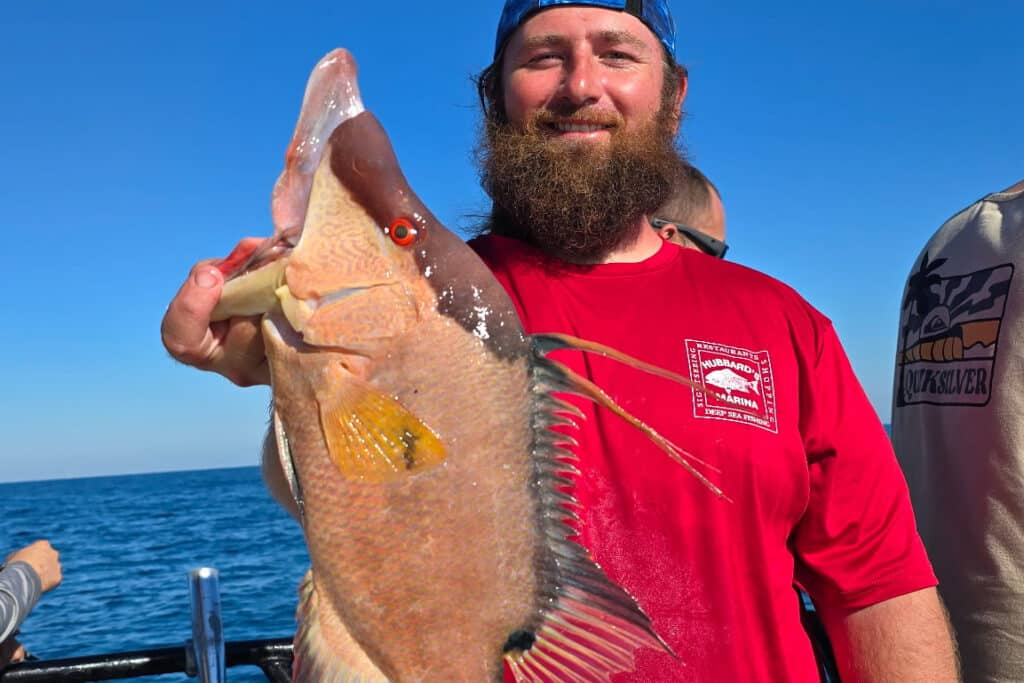
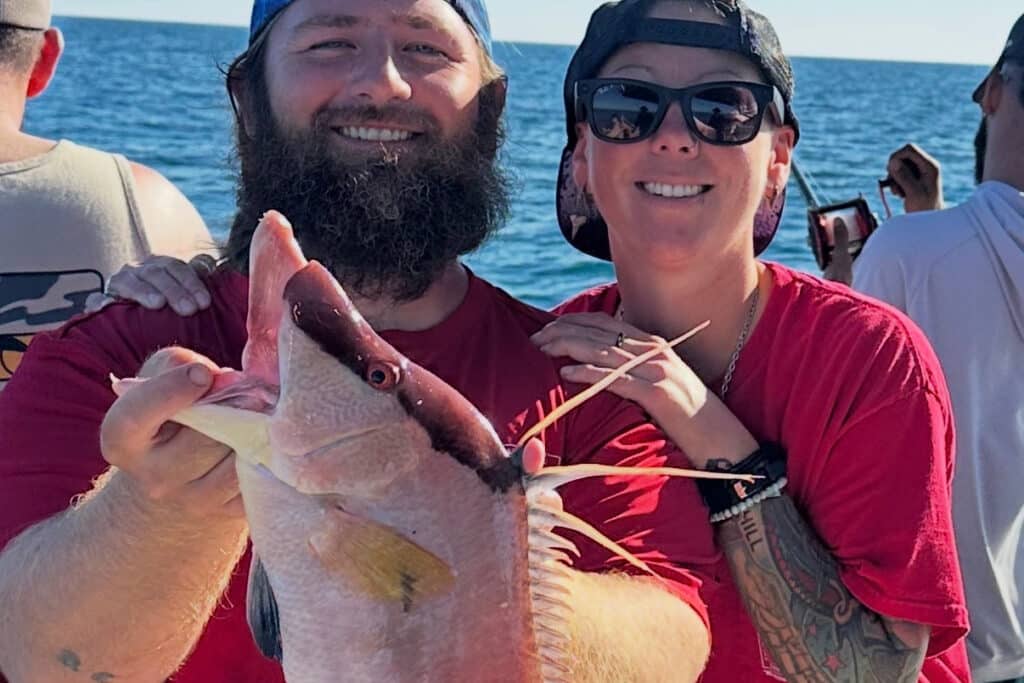
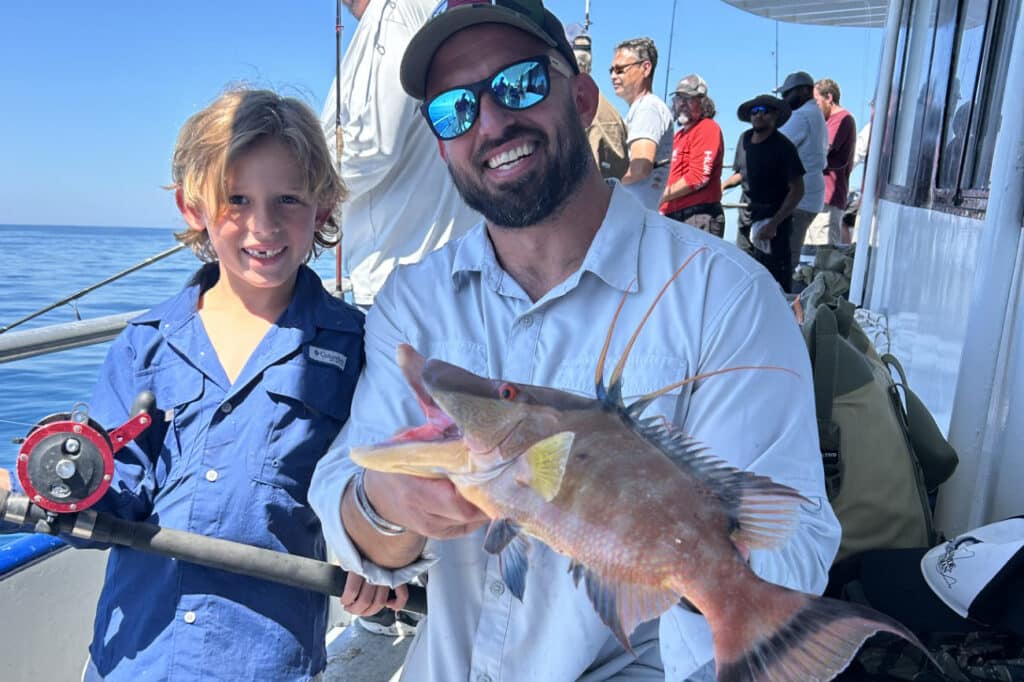
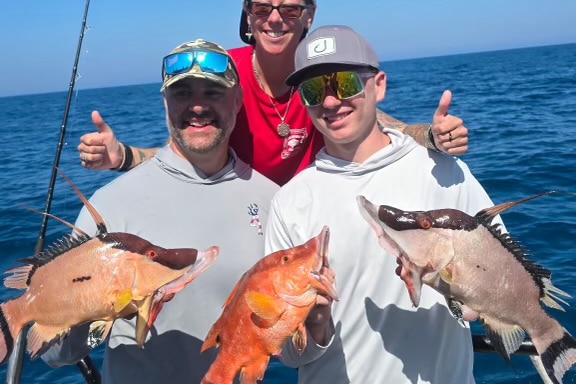
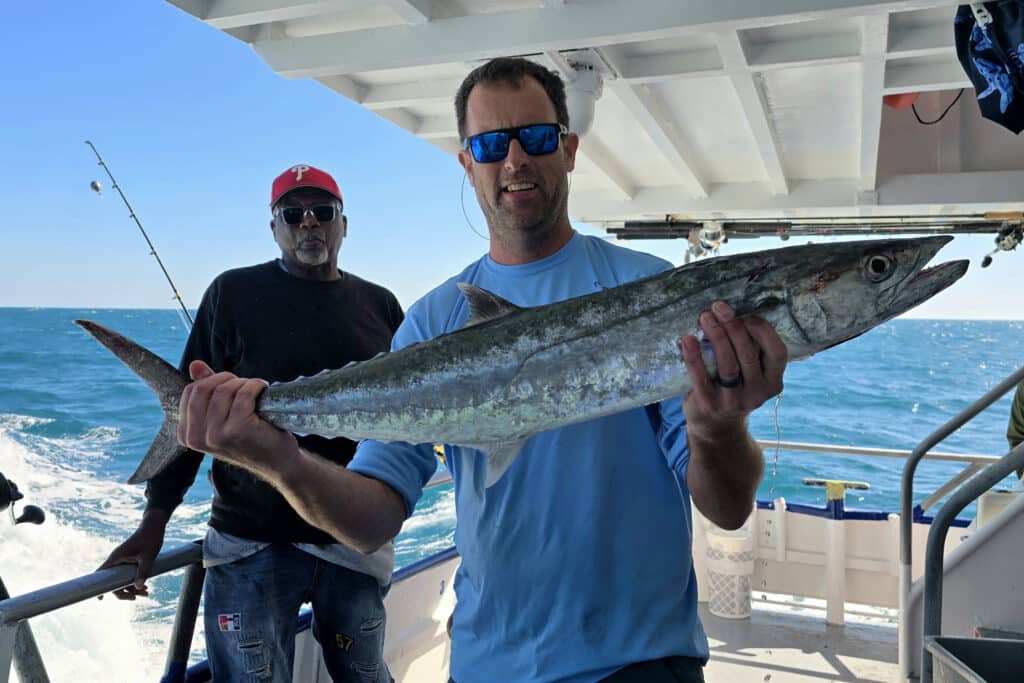
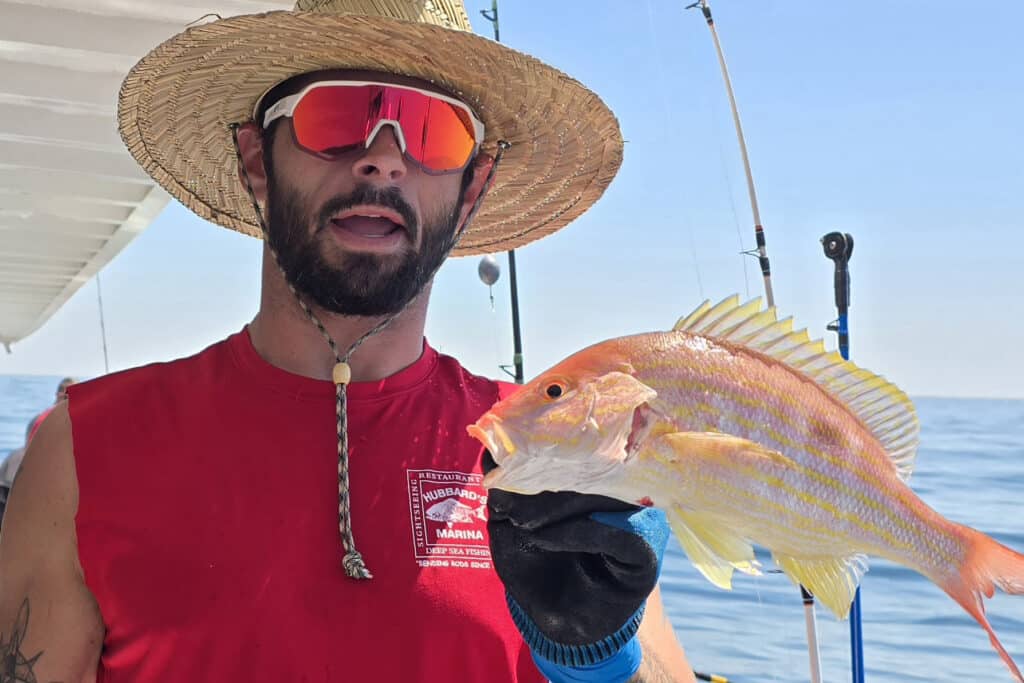
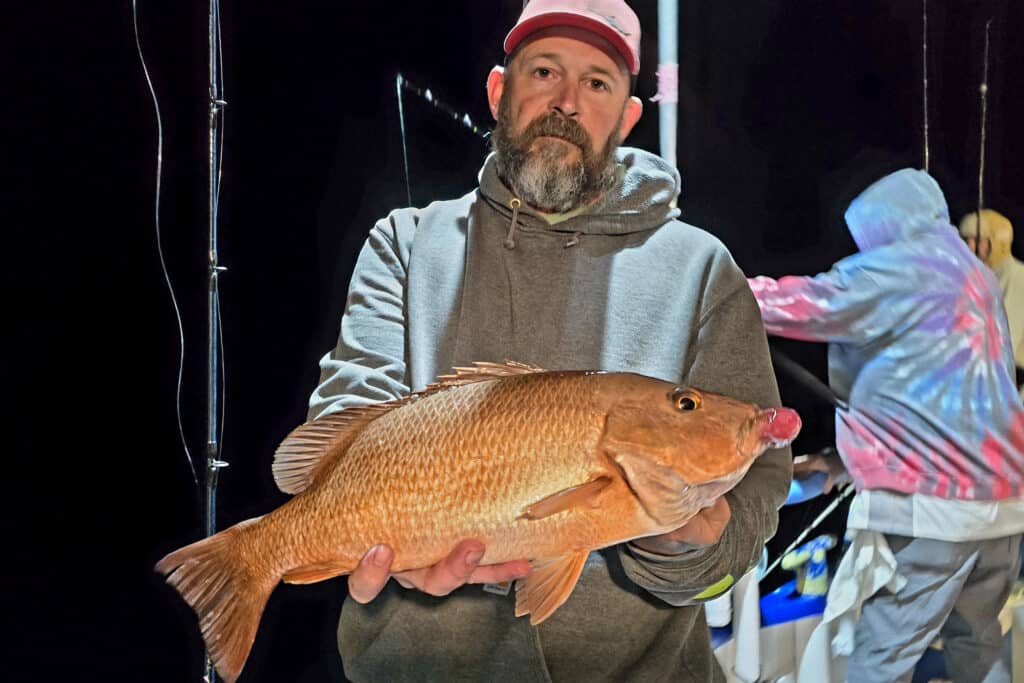
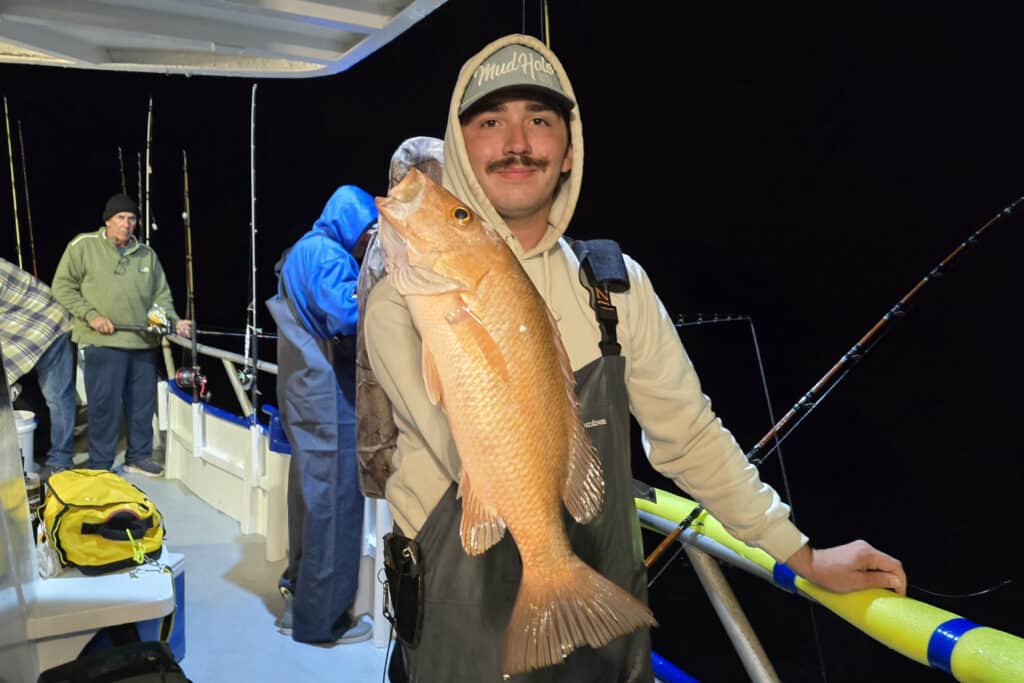
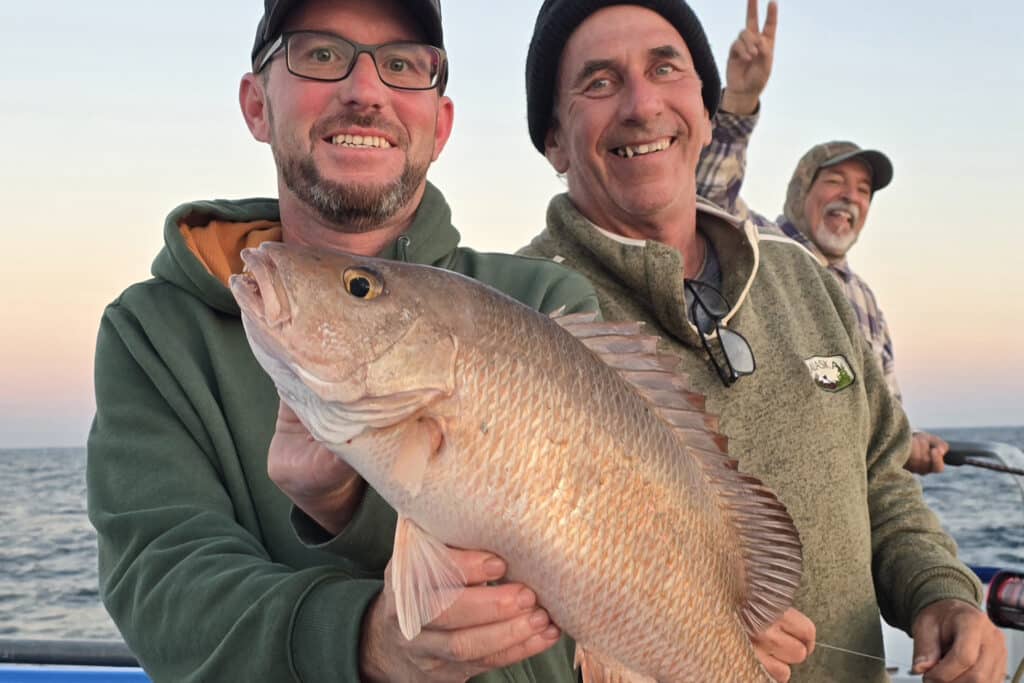
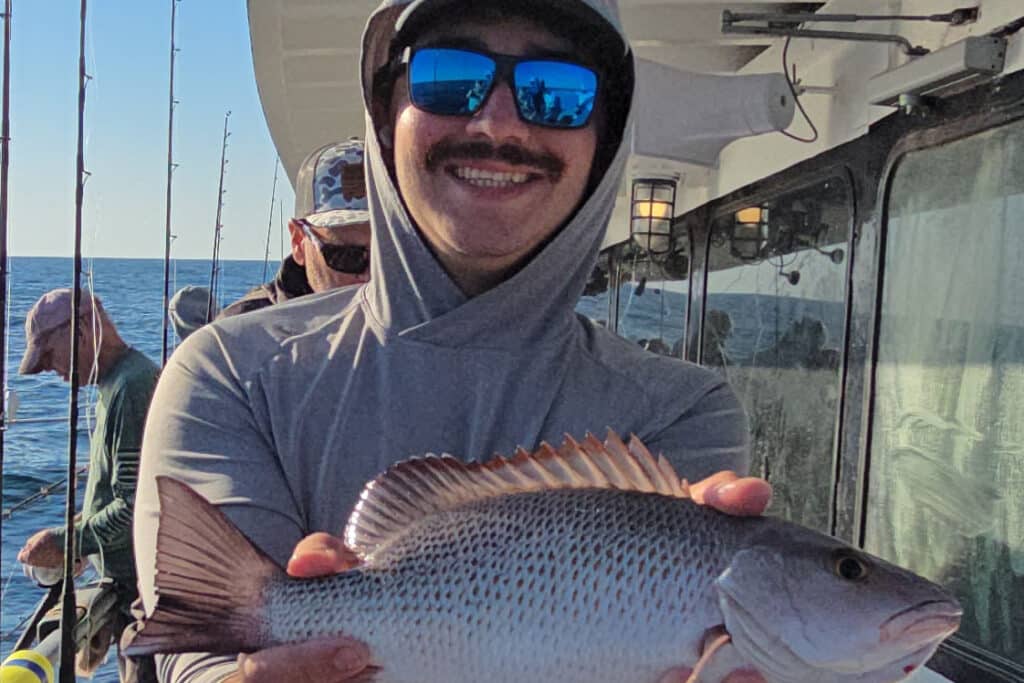
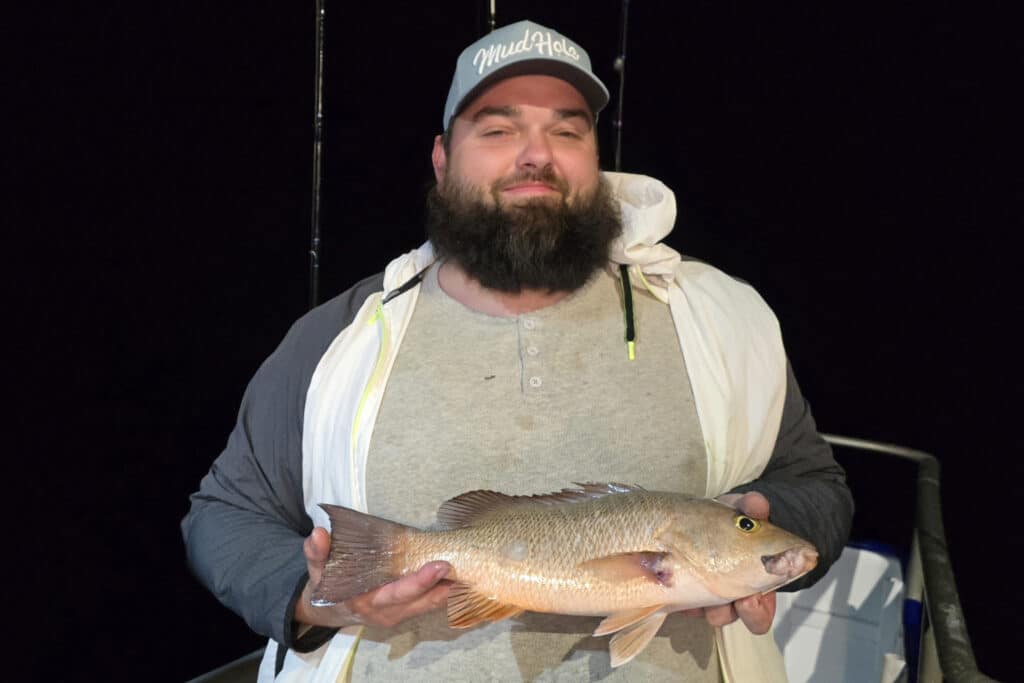
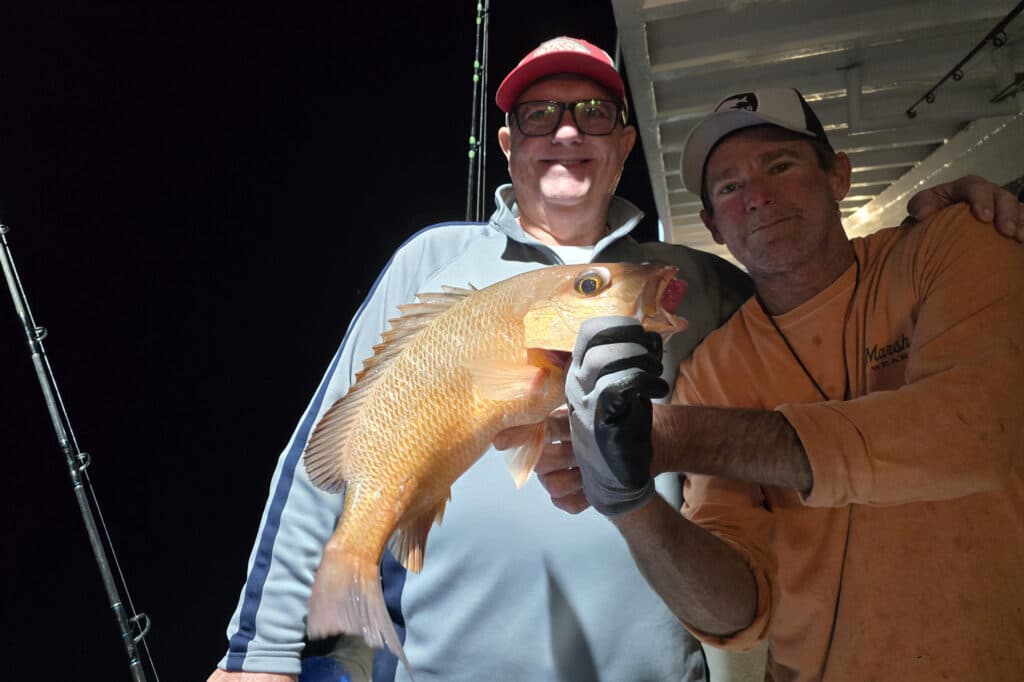
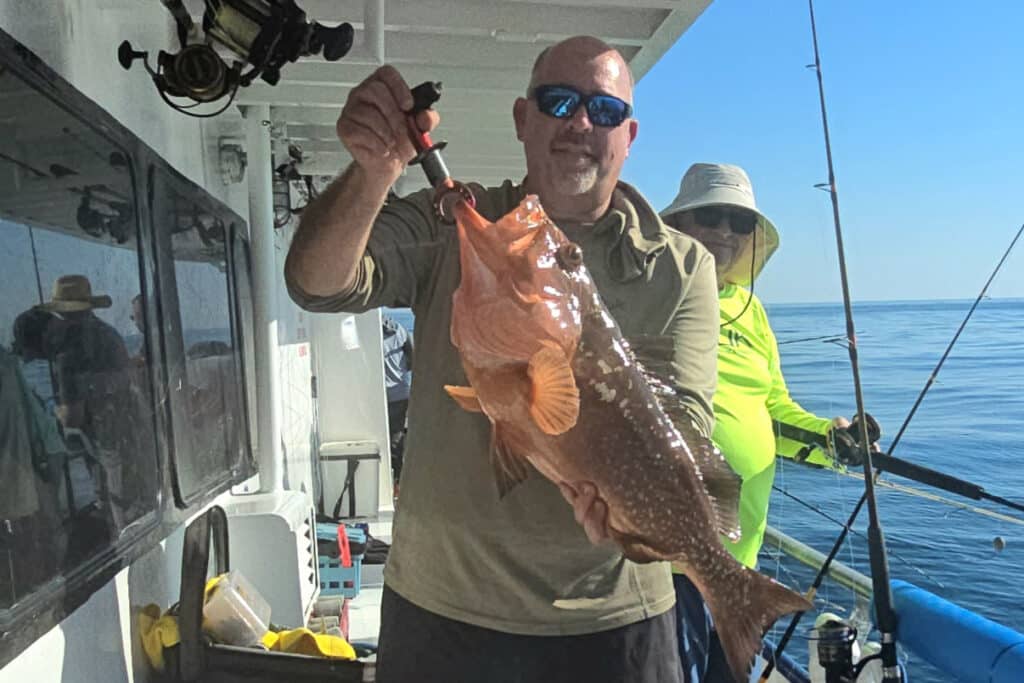
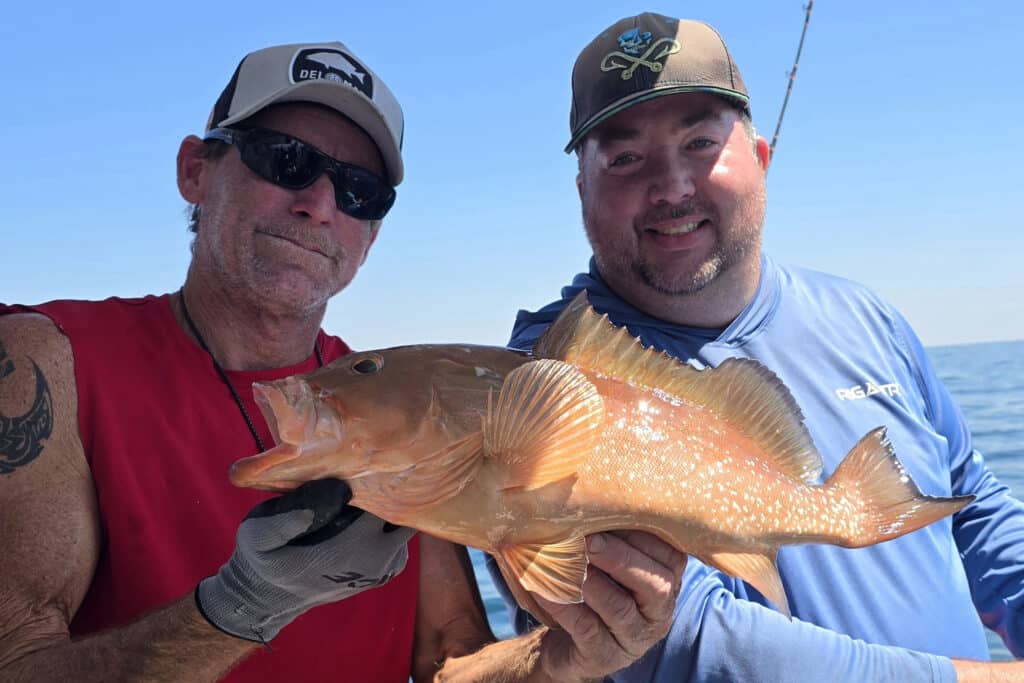
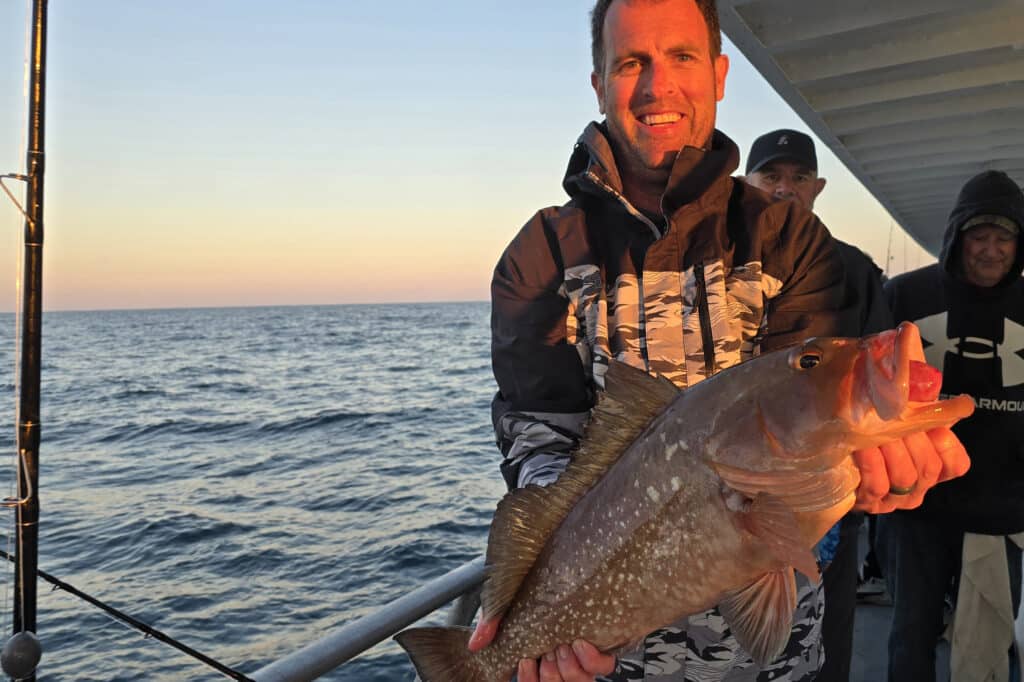
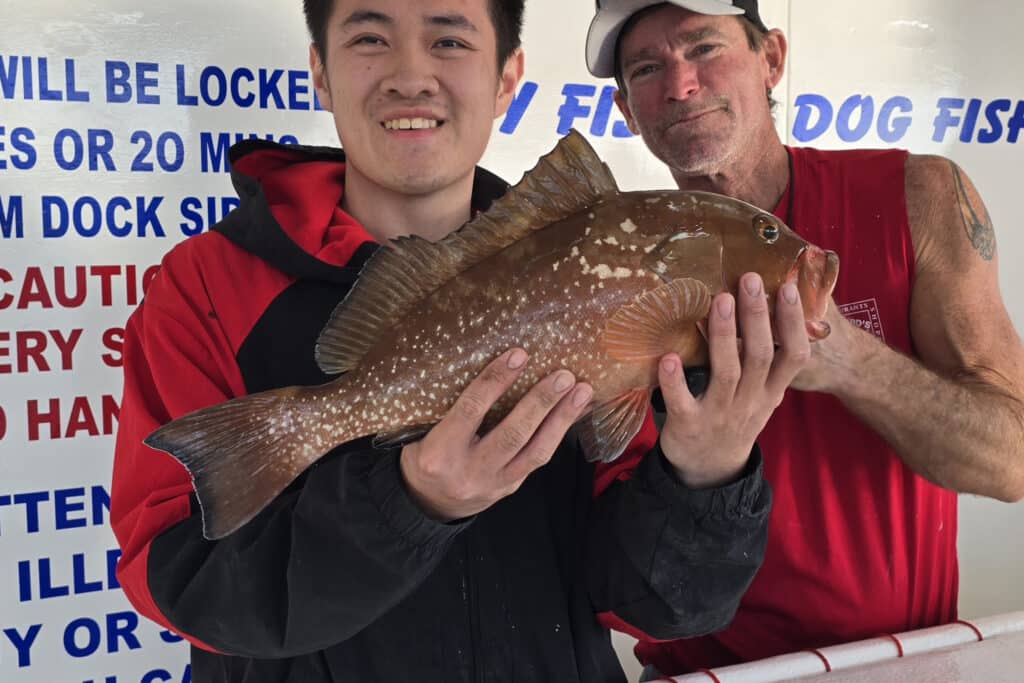
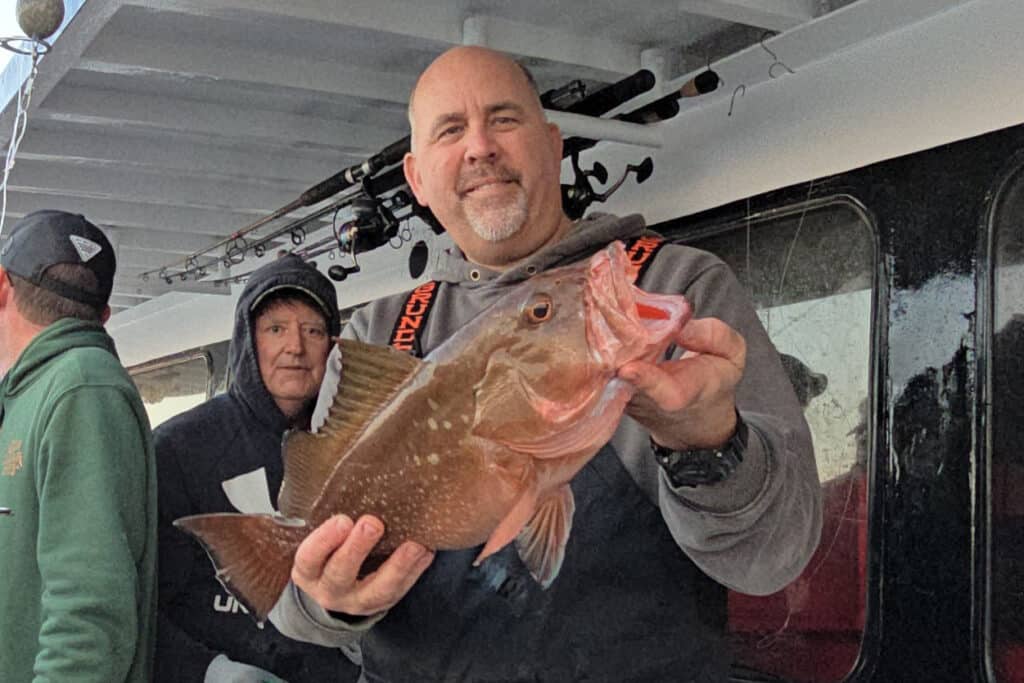
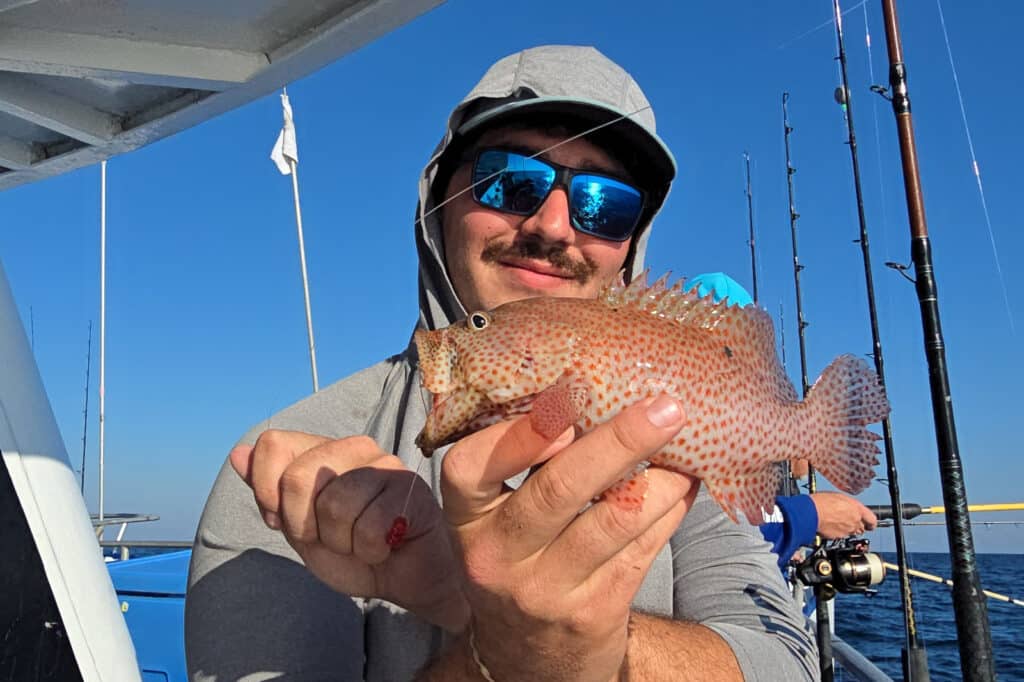
Near shore is shaping up for a very fun mixed bag once the front lays down. Mackerel are crazy thick and that is one of the biggest signs that spring is accelerating. With Spanish mackerel this active, it makes trolling super productive and fun along the beaches and near shore. kingfish also showed up huge this past week, so keep a pitch rod ready whenever you are around bait schools, birds, tide lines, or hard-bottom areas near the beaches. We are finding the kingfish occasionally while trolling but the biggest ones are always being caught while flat lining. We have had great luck recently on using live blue runners and kingfish stinger rigs.
Hogfish are still a top near shore target and continue to chew well in the 40 to 70 foot range around broken hard bottom, shell patches, and lower-profile structure. Live shrimp remains the top bait. A 4000 to 5000 size spinning reel, 20 to 30 pound braid, a long fluorocarbon leader around 30 pound test, a 3/0 to 4/0 hook, and 1 to 2 ounces of weight is still a proven setup. Long leaders matter because they help keep the presentation natural, especially when fish are pressured or the water clears up.
Lane snapper remain a dependable option, especially as you move deeper near shore. Squid, shrimp, and cut threadfin all produce, but if you want the bigger lanes, live shrimp or a fresh-cut threadfin chunk usually gets the nod. Mangrove snapper are mixed in too, especially deeper and around cleaner structure. If they are finicky, drop your hook size, shorten your bait, and lighten the leader.
Red grouper are possible near shore, especially in the deeper hard-bottom zones. Expect some smaller fish, but if you commit to bigger baits like whole squid, stout strips of cut bait, or live pinfish, you give yourself a much better shot at a legal keeper especially as you move deeper.
Fishing Tips
- Red Grouper: Target the deepest near shore waters with big dead baits or solid live baits. Use 60 lb test and 7/0 hooks for best results.
- Red Snapper: Use big dead baits like whole squid and bonita strips with heavy tackle to focus on larger fish. Prime trips include the 12-hour extreme, 39-hour, and 44-hour trips.
- Scamp Grouper: Use small to medium pinfish and cut threadfin, especially while targeting mangrove snapper.
- Mangrove Snapper: Near shore, use live shrimp and small chunks of threadfin on 30-40 lb test with 3-4/0 hooks. Offshore, use bigger chunks of cut threadfin or medium pinfish on 40-60 lb test with 5-7/0 hooks.
- Vermillion Snapper: Start around 100 feet of water using cut squid or threadfin. These fish are aggressive and not leader-shy.
- Yellowtail Snapper: Use shrimp, cut squid, and threadfin.
- Pelagic Species: Keep flat lines and pitch rods ready for sailfish, kingfish, wahoo, tuna, and mahi mahi.
Offshore Fishing Report
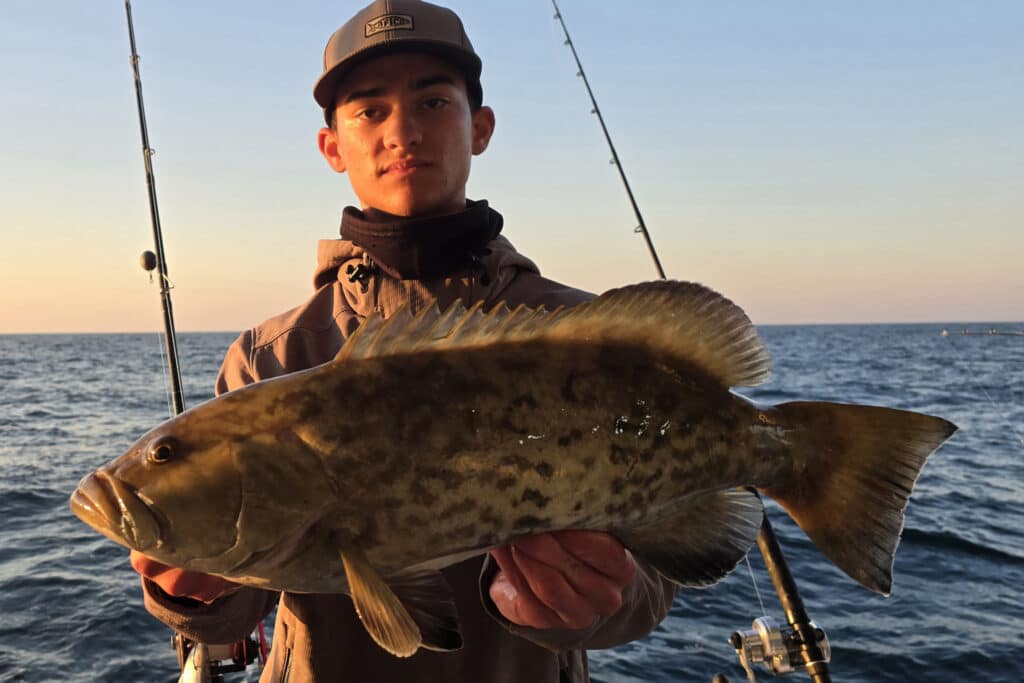
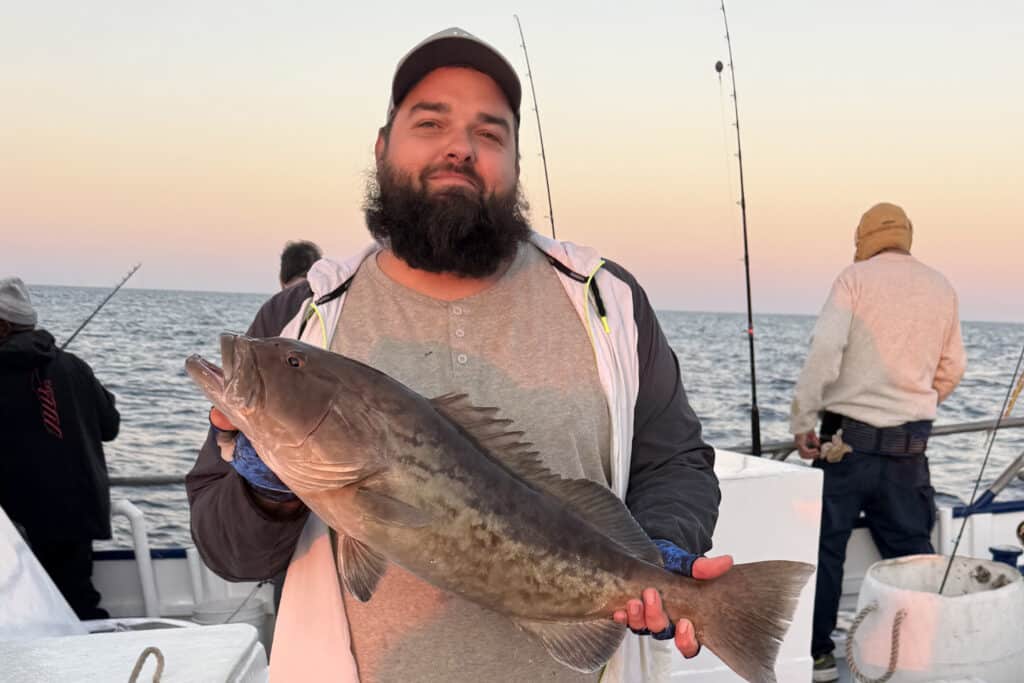
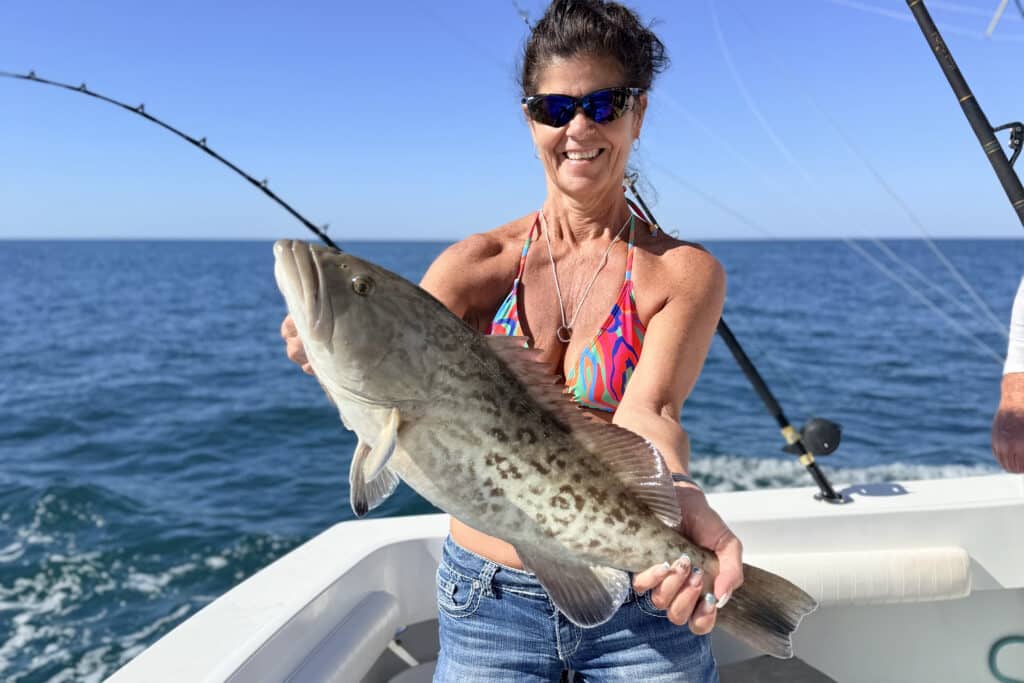
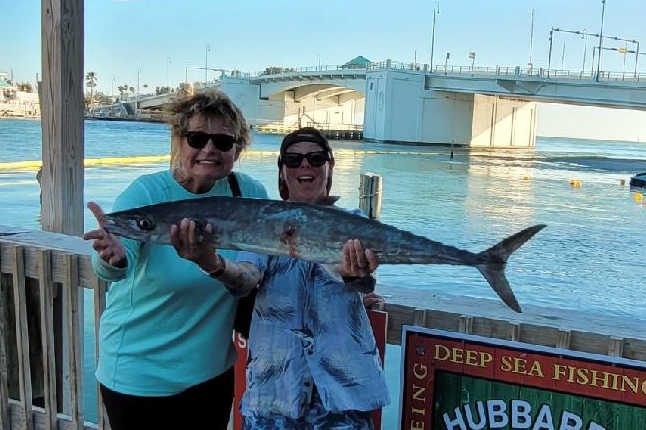
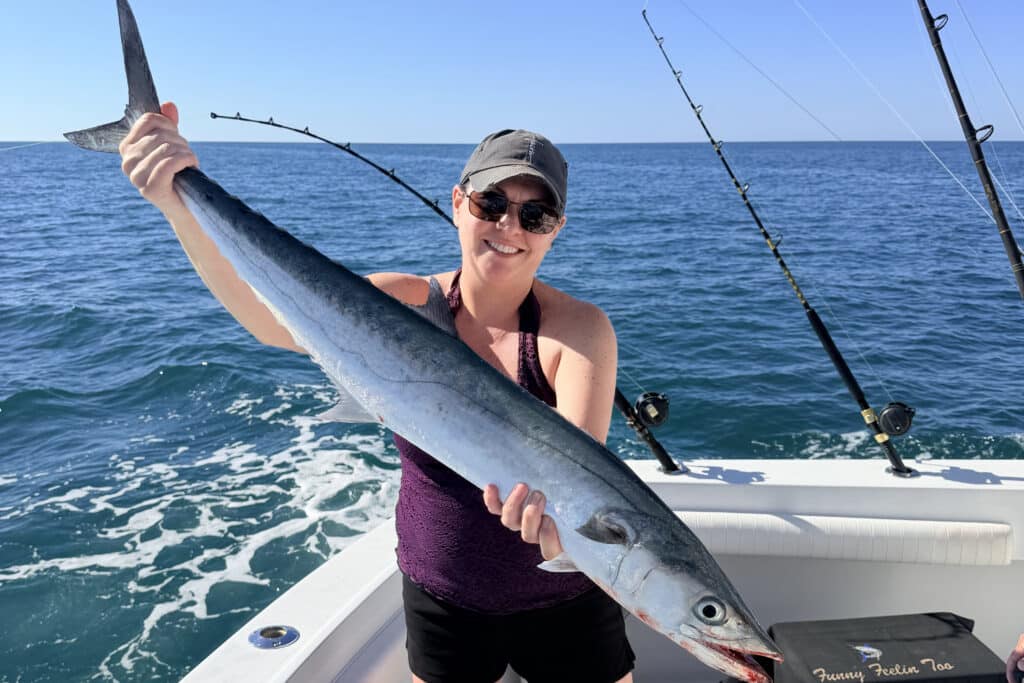
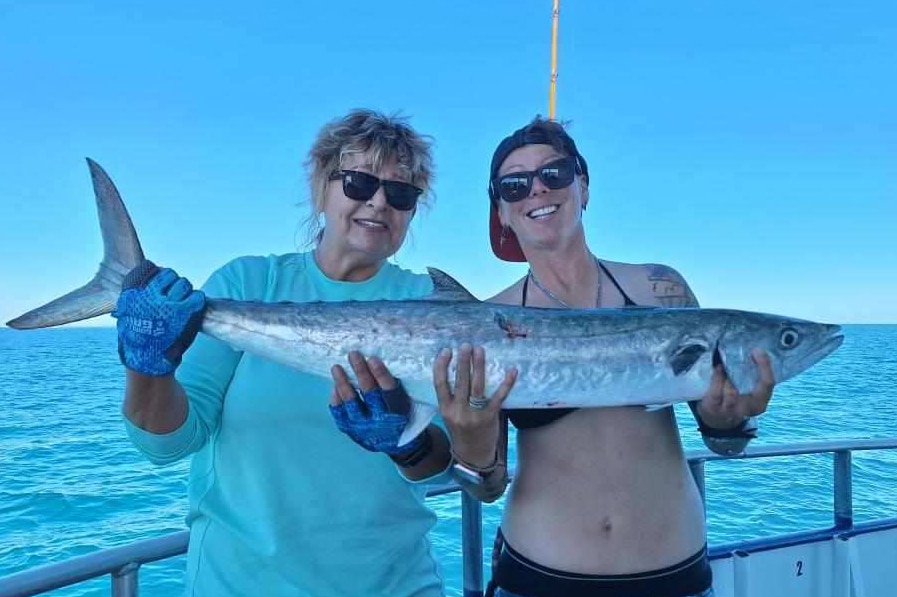
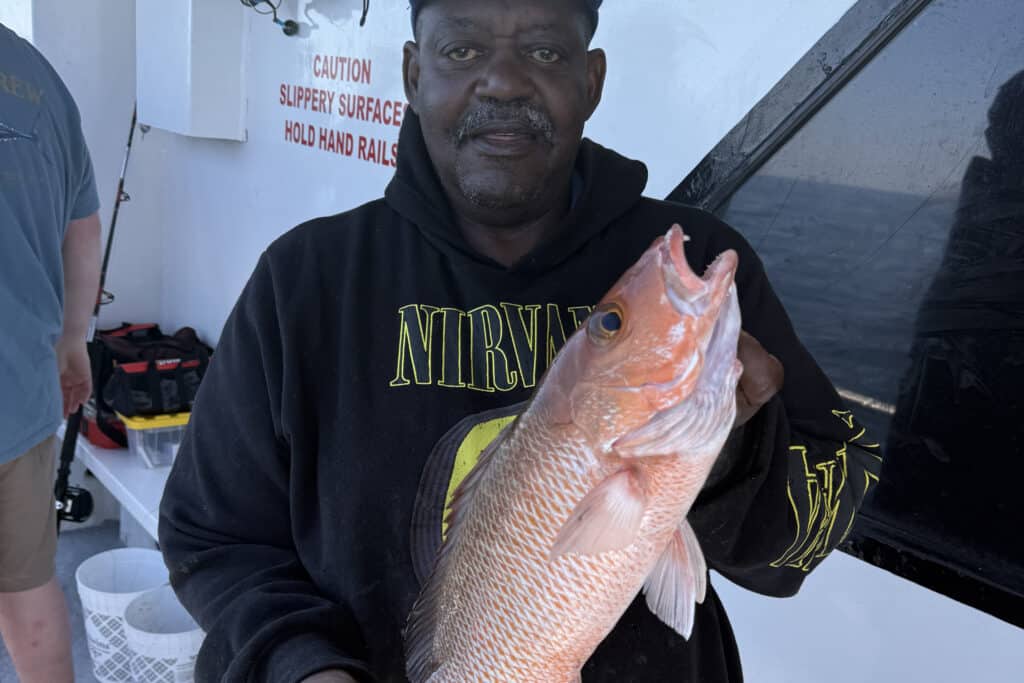
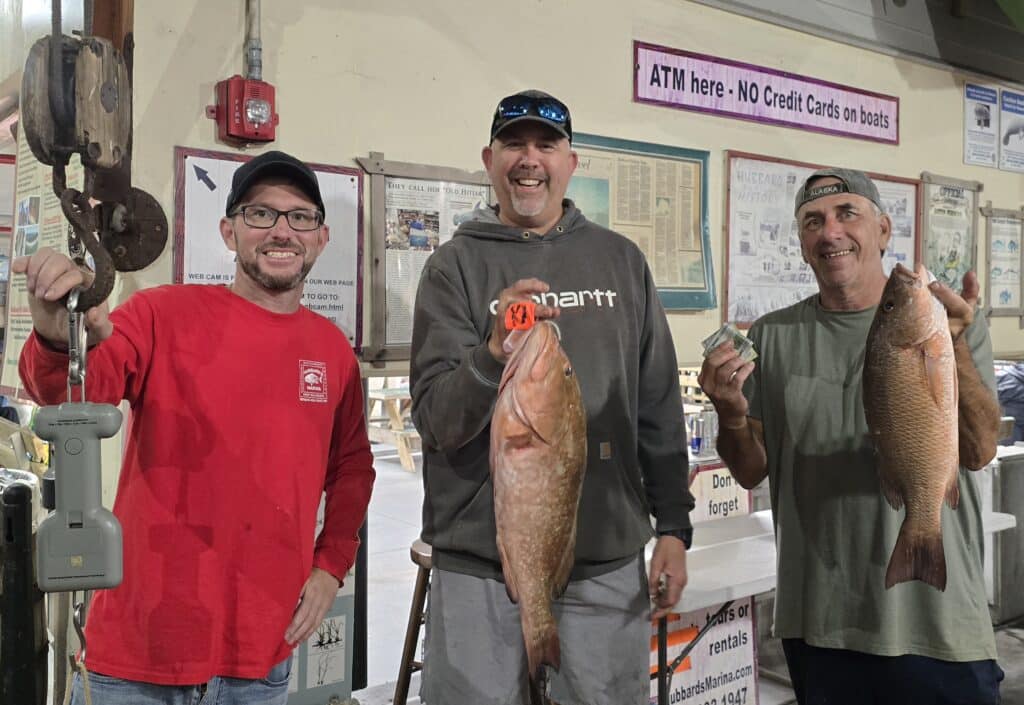
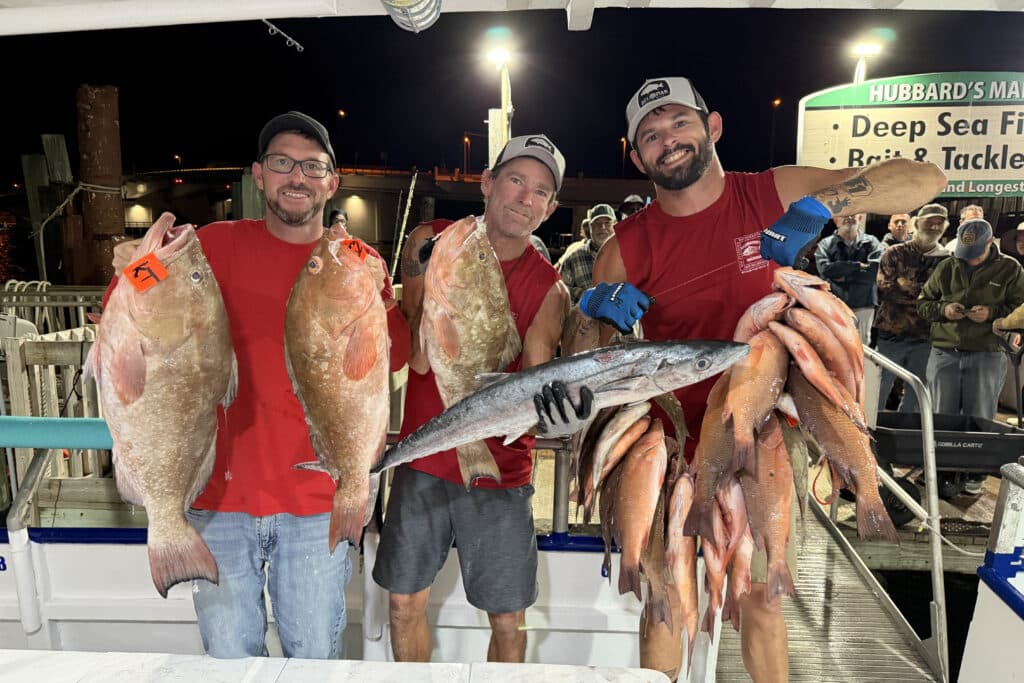
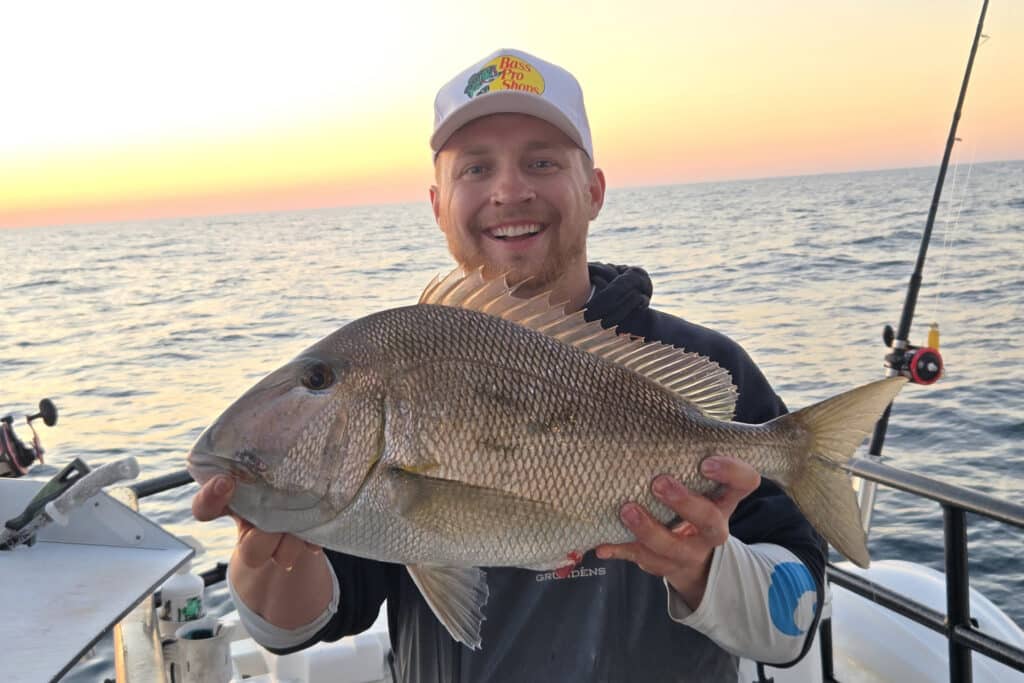
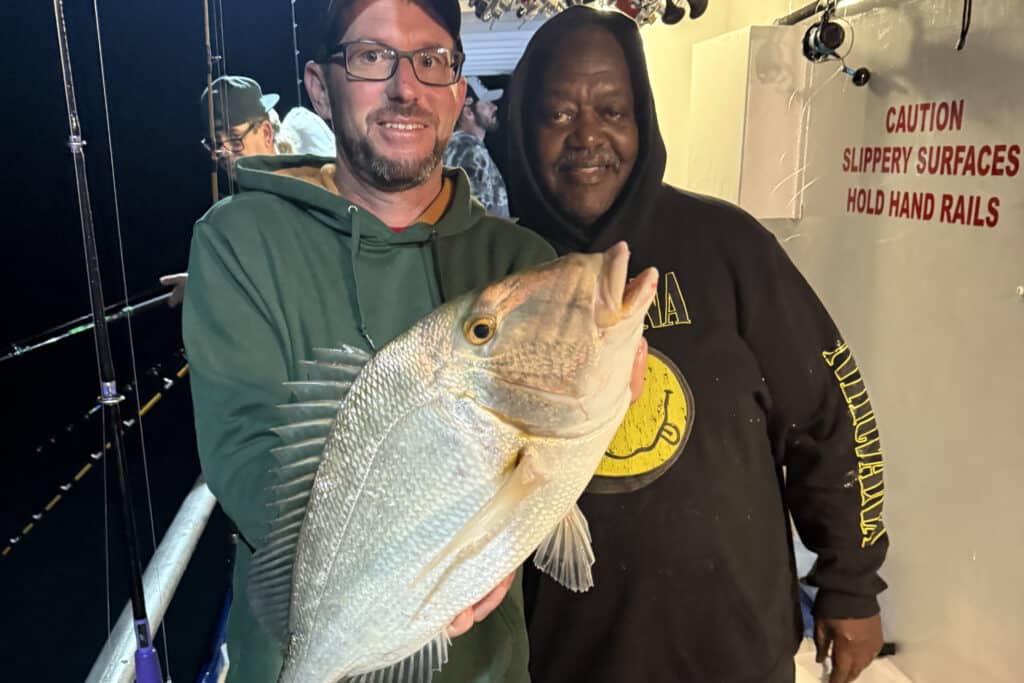
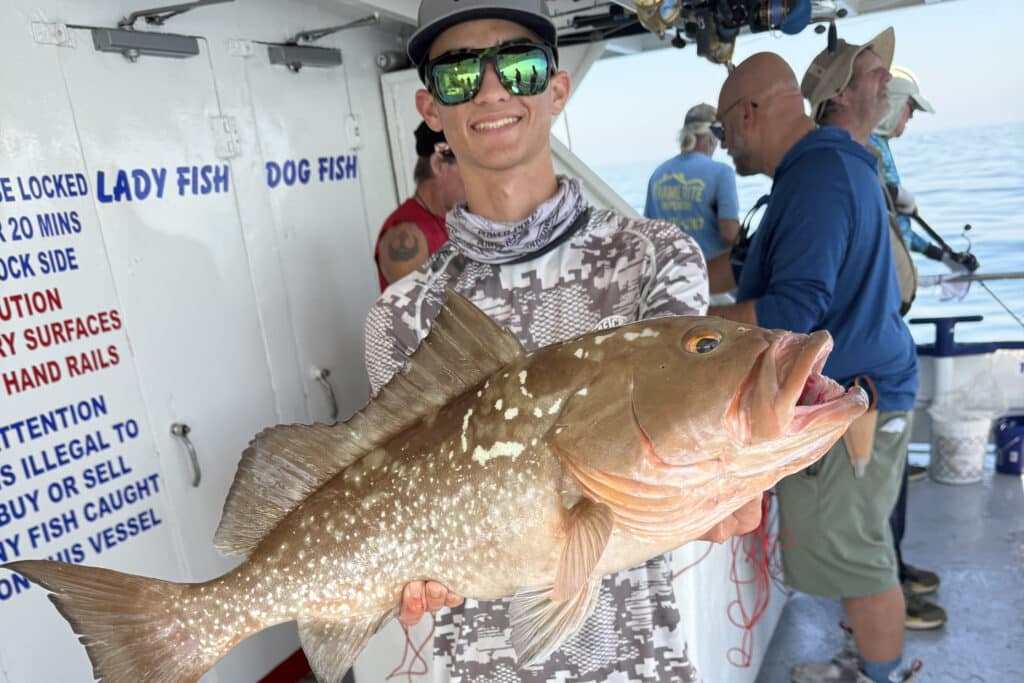
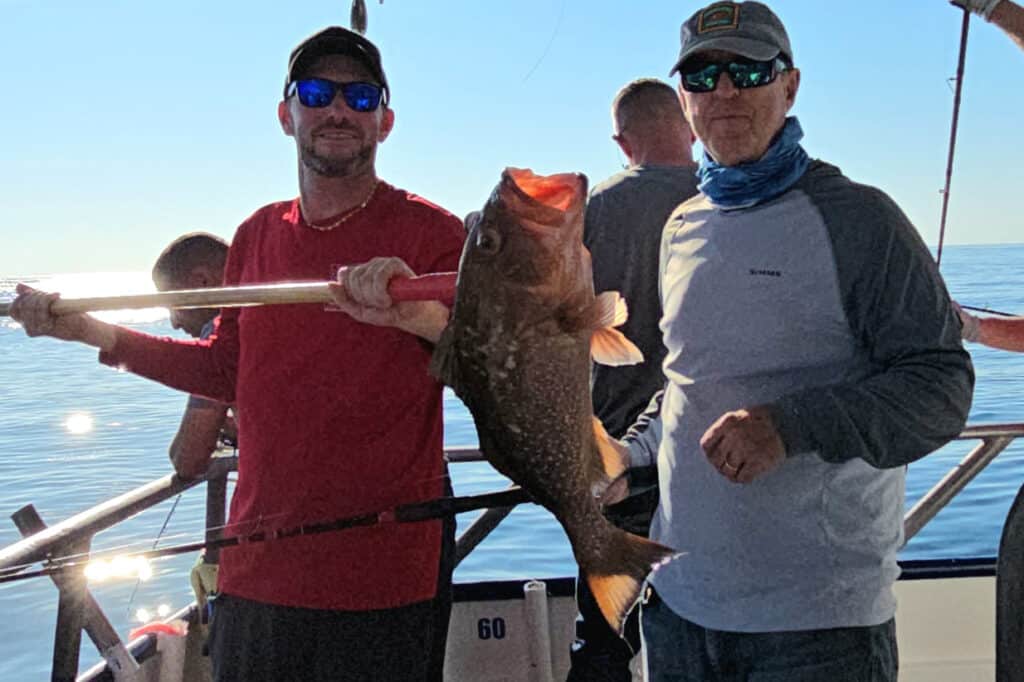
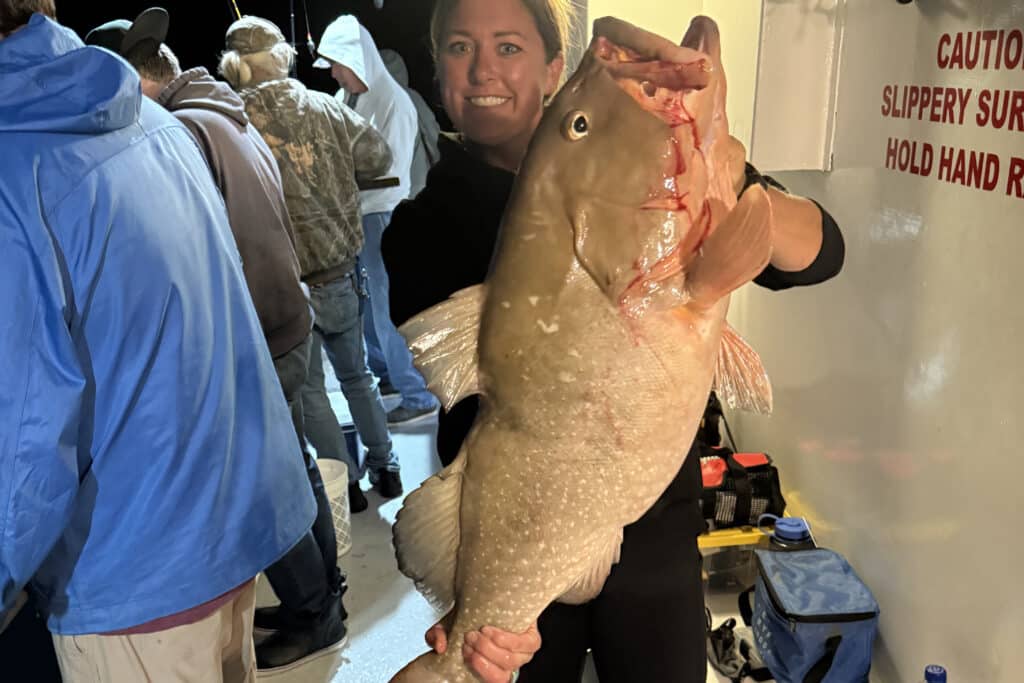
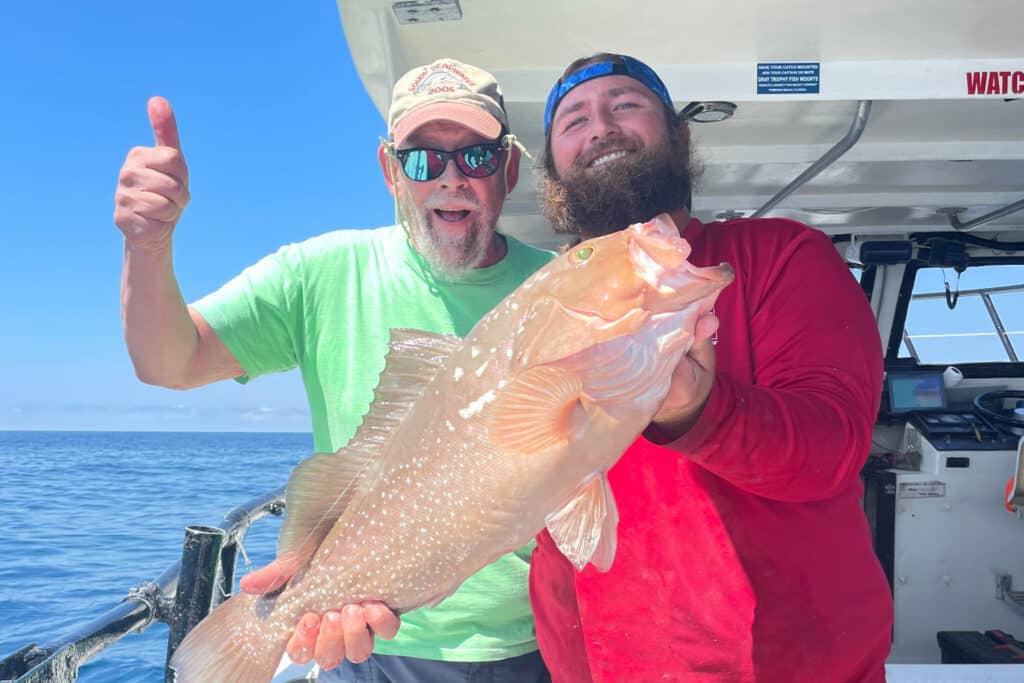
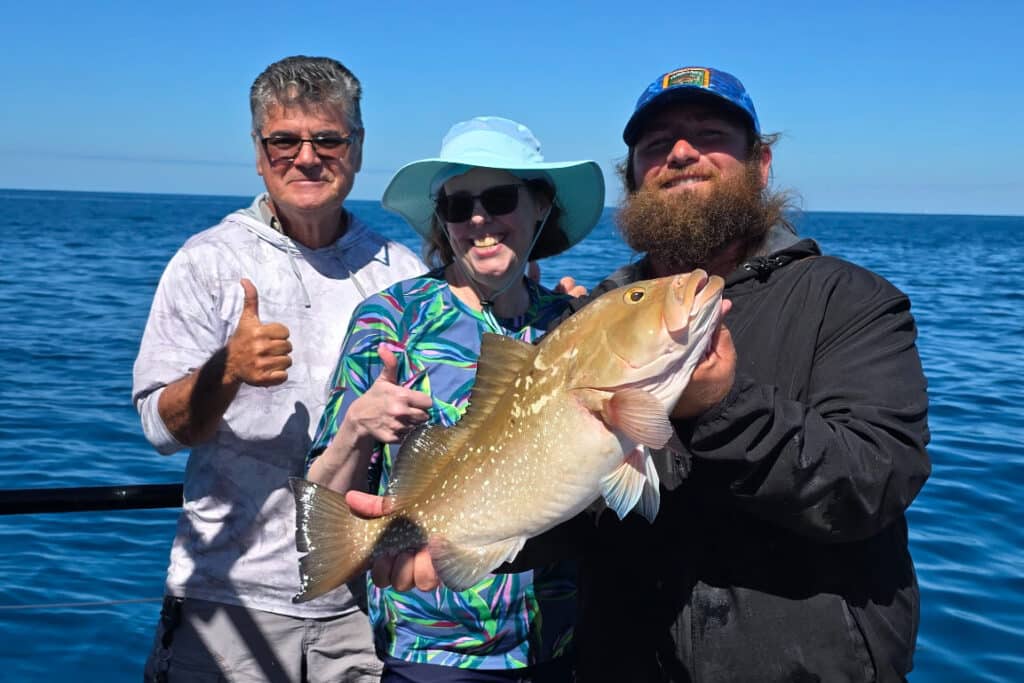
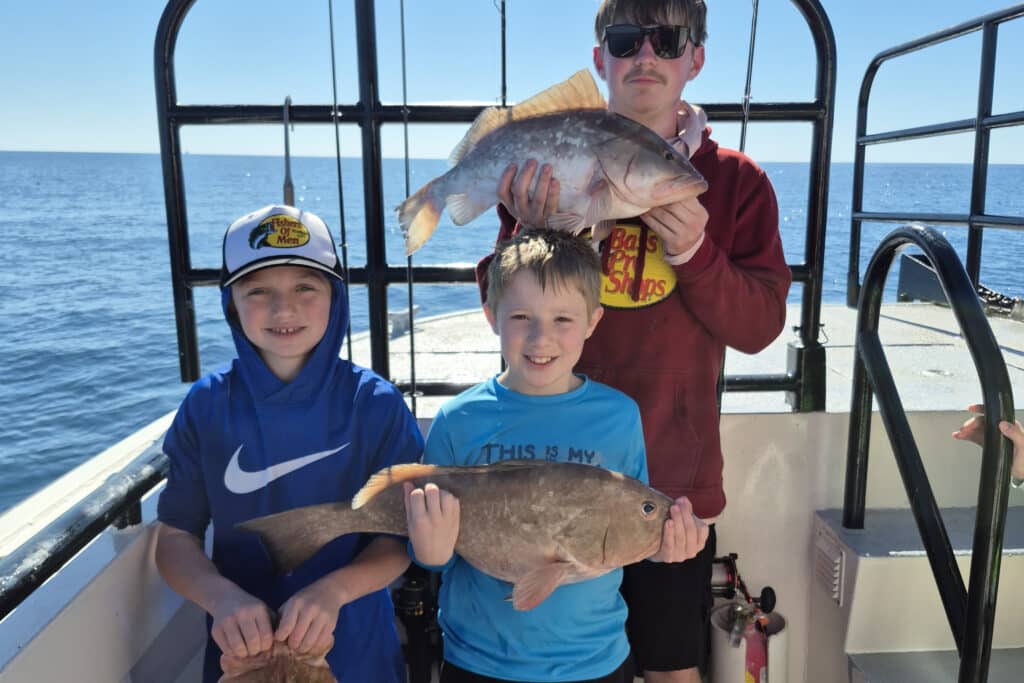
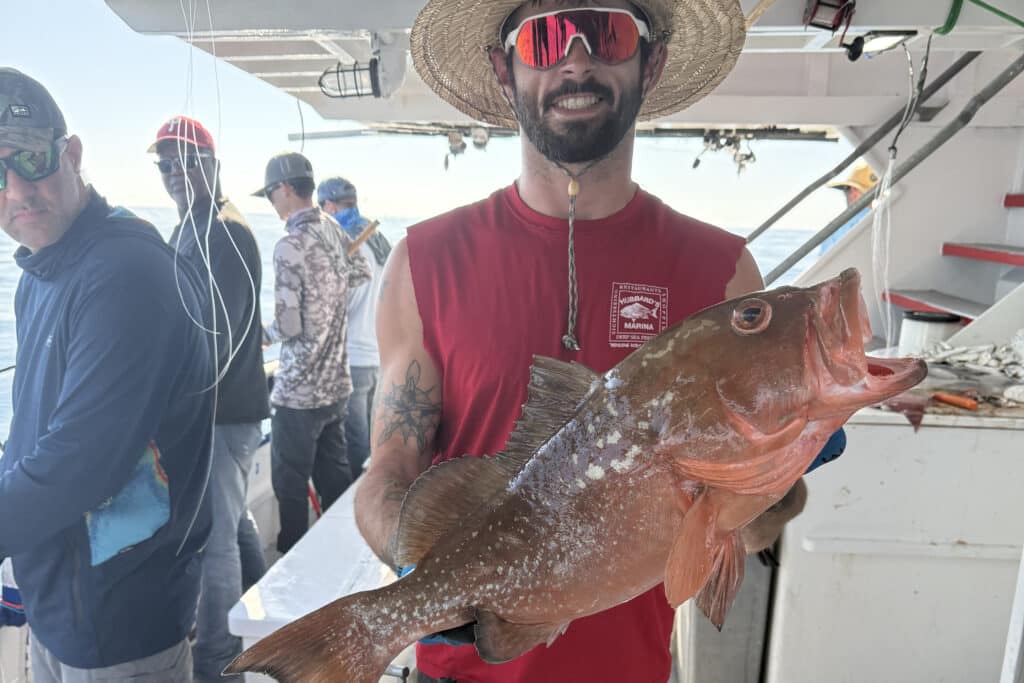
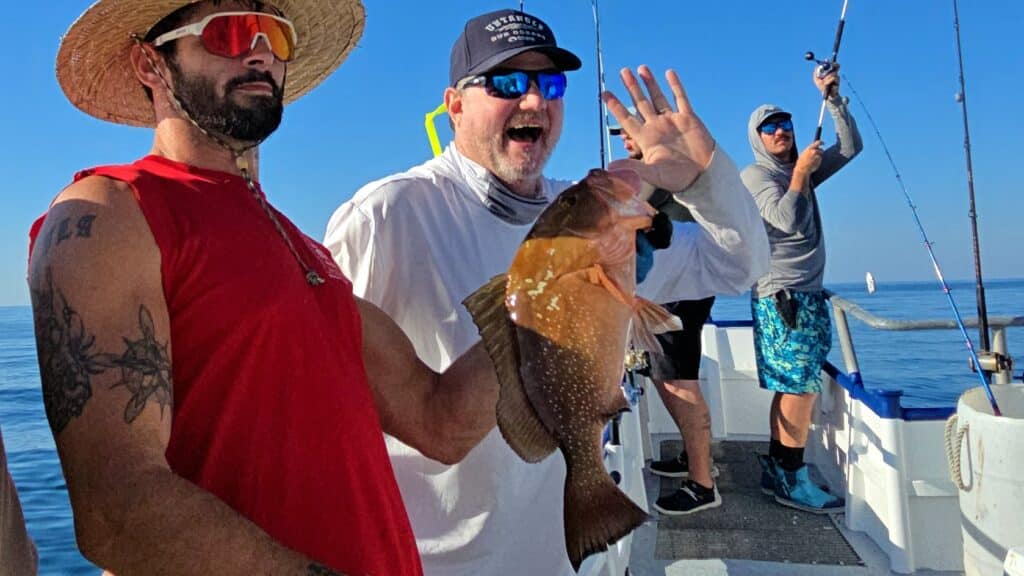
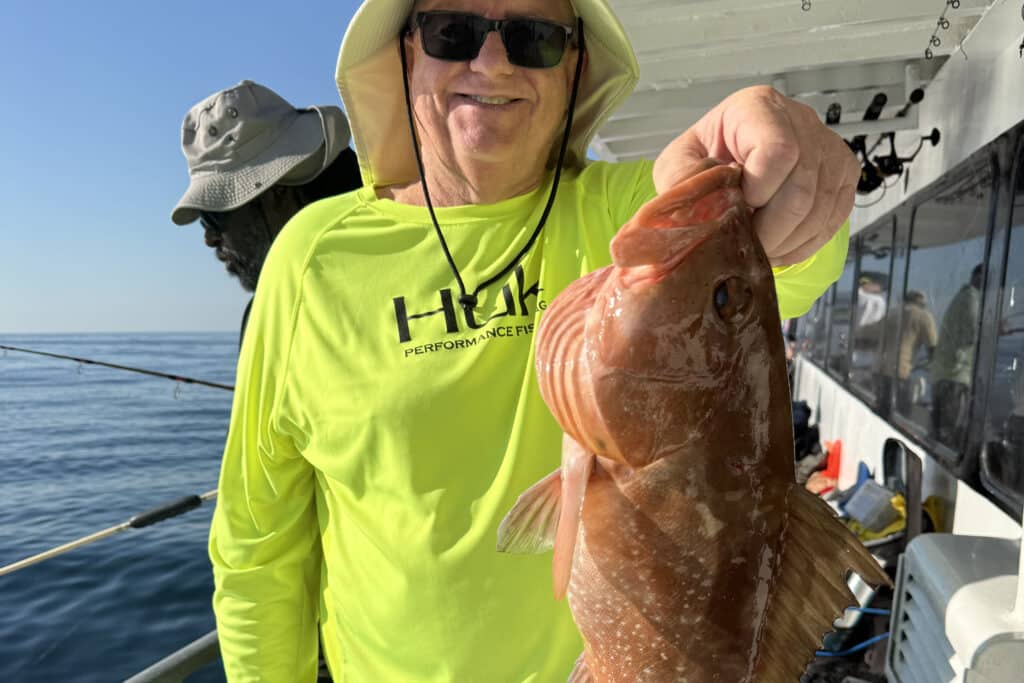
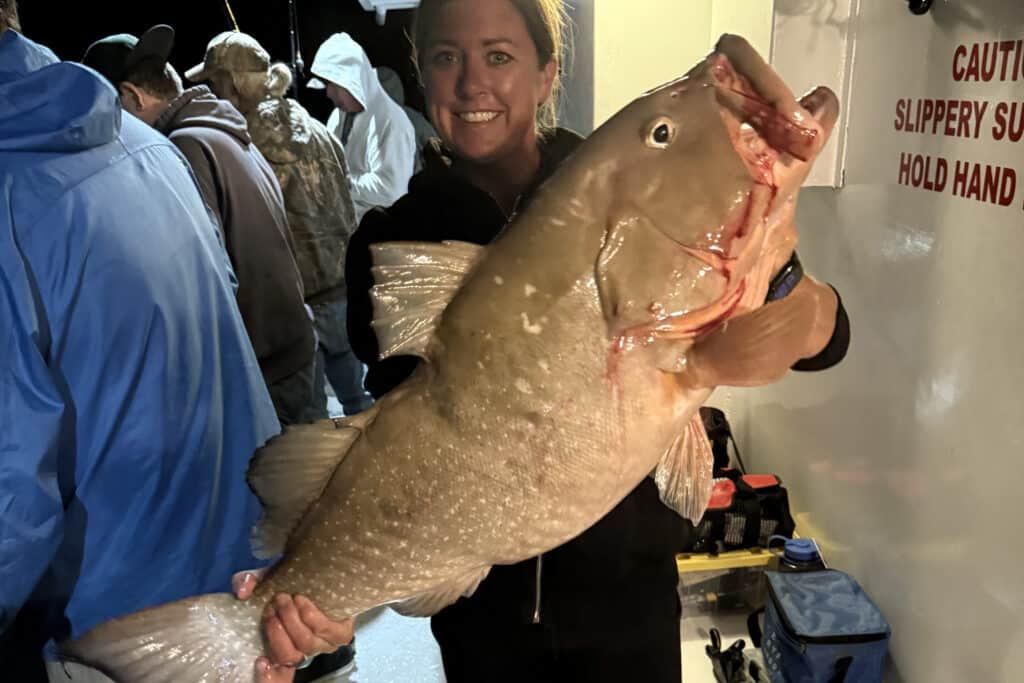
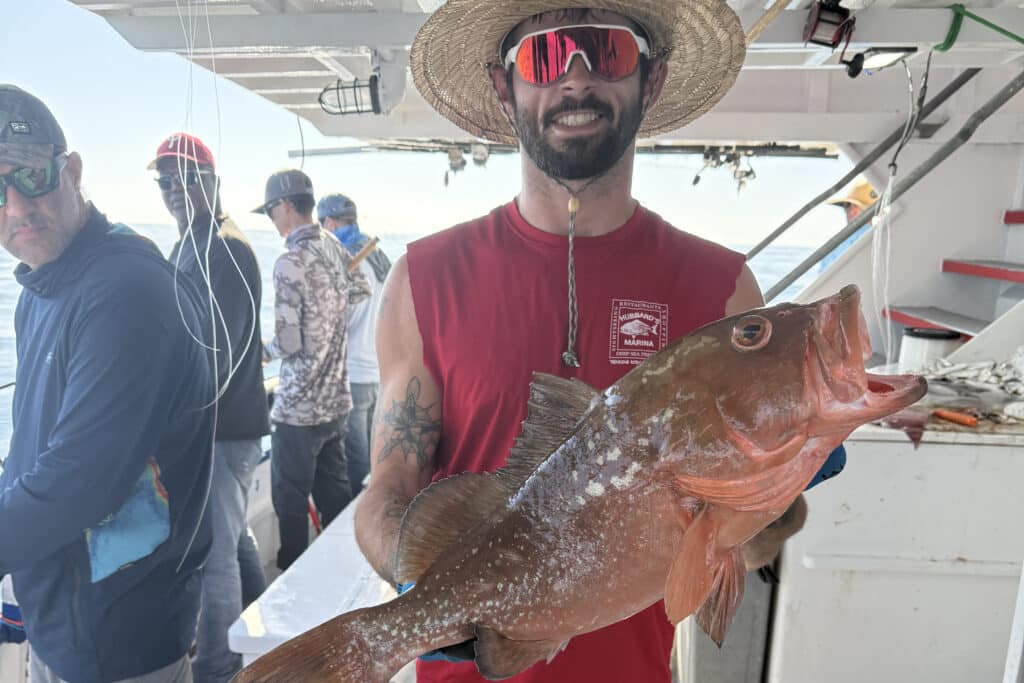
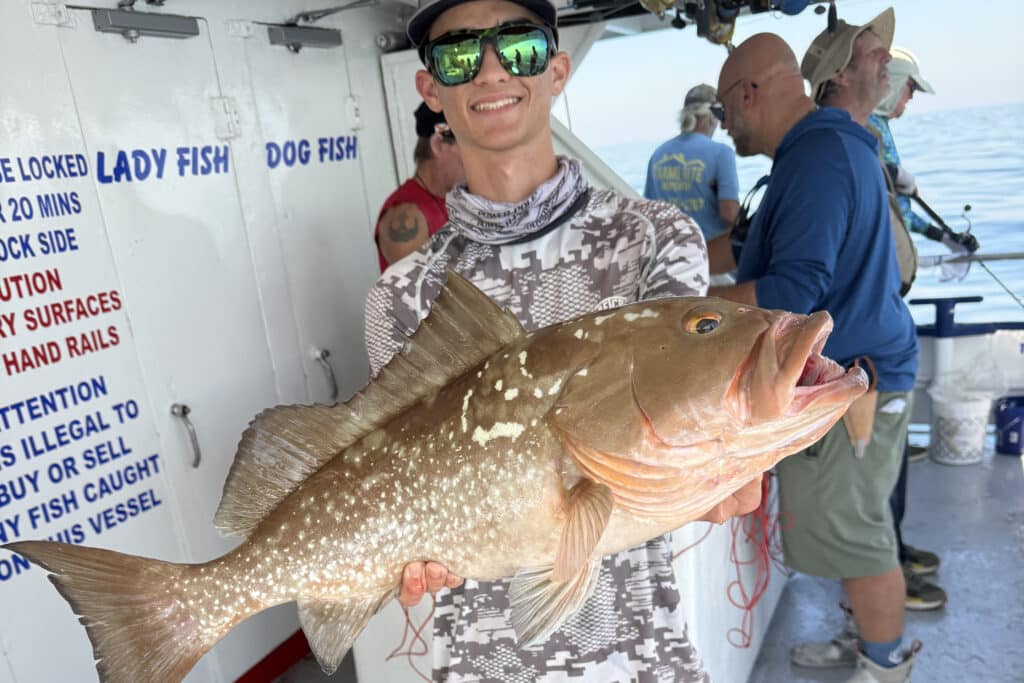
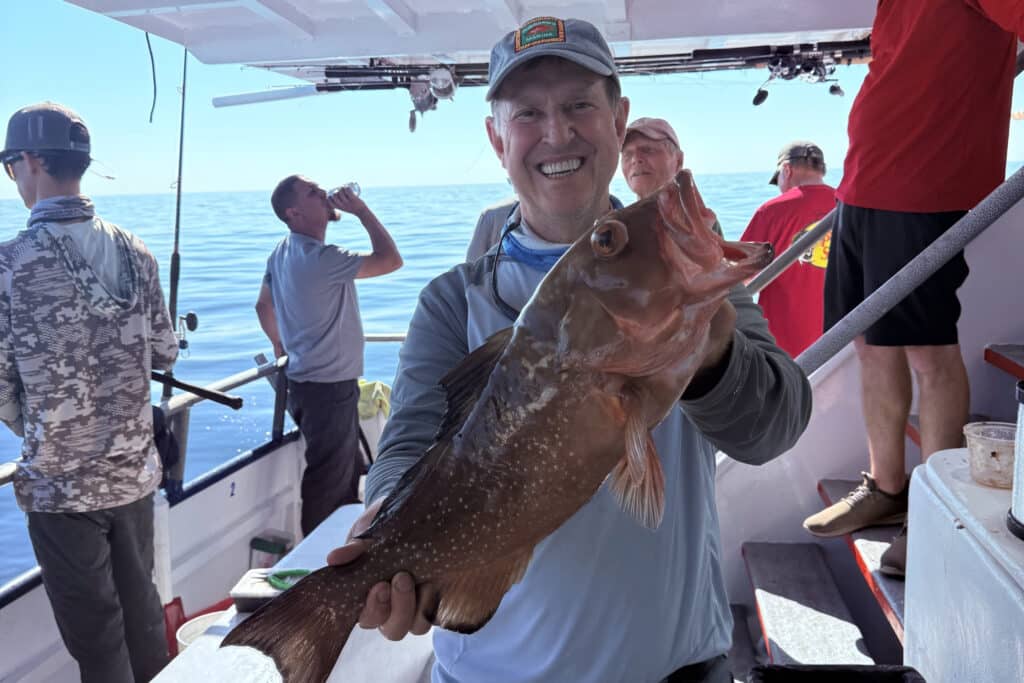
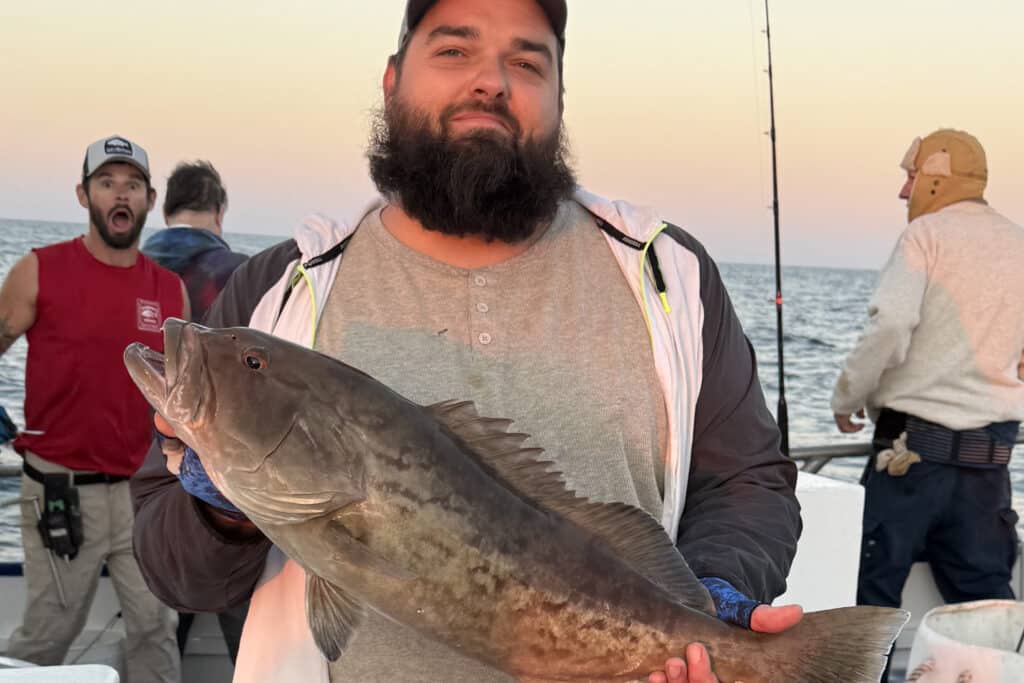
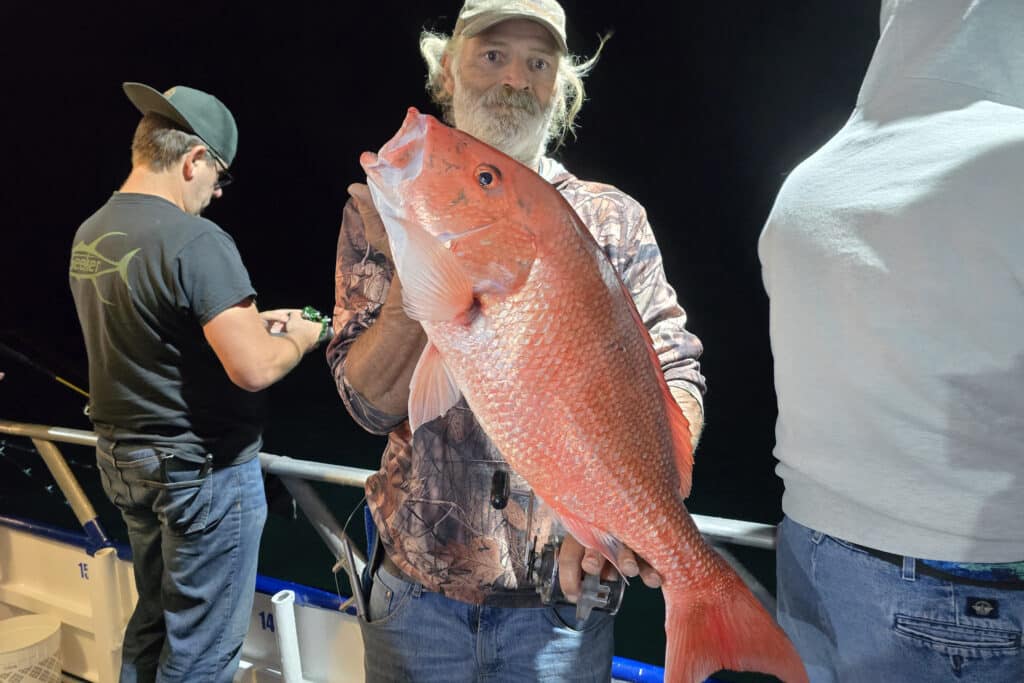
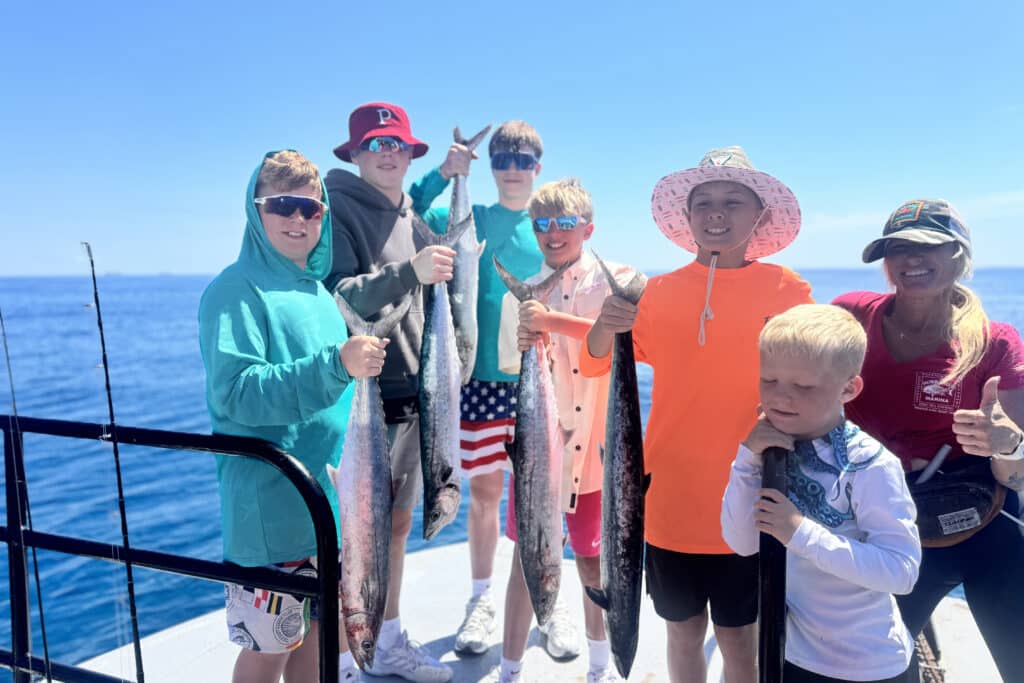
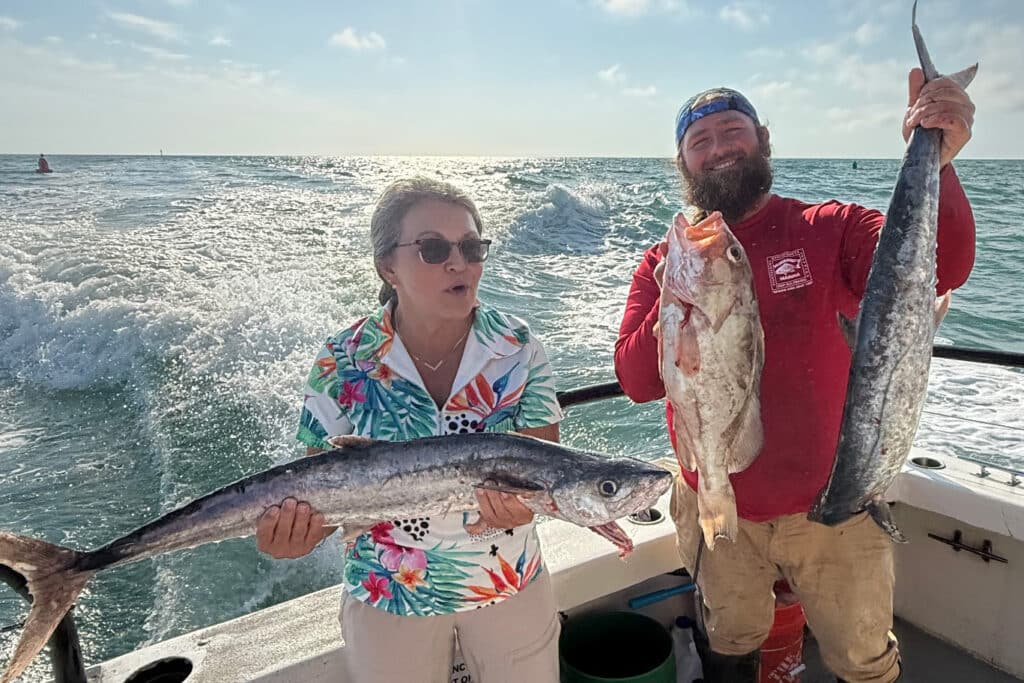
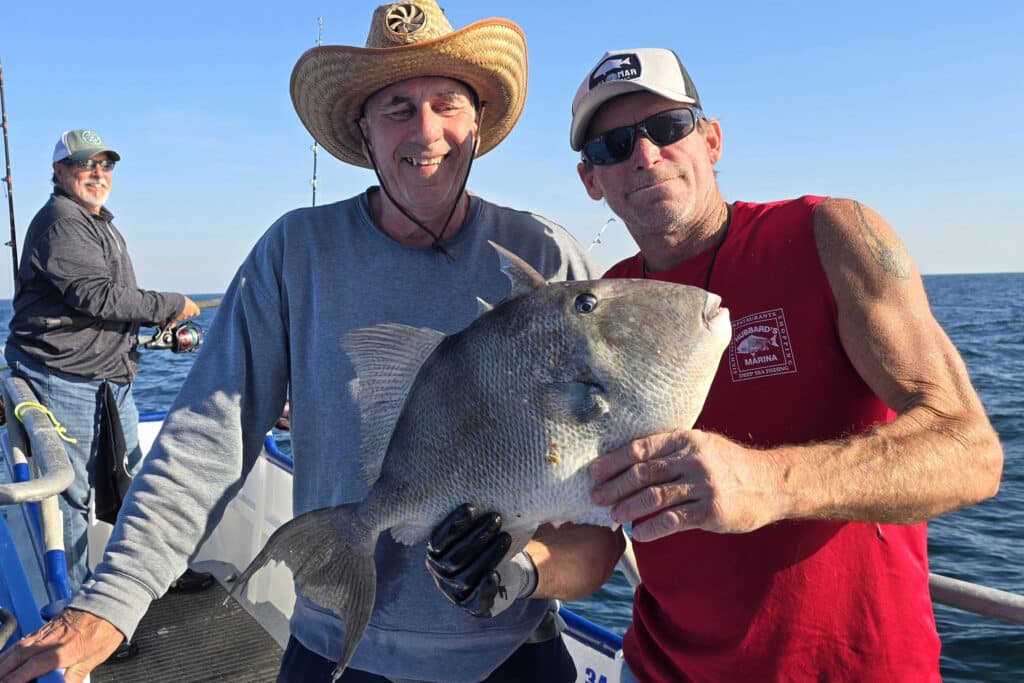
Offshore, spring is trying to wake the whole Gulf up in a big way. Kingfish are a real player now, and with bait getting thicker, the pelagic side of the offshore fishery is only going to get more exciting. Any clean weather window can turn into a serious pelagic opportunity, so keep at least one rod ready for trolling or pitching to surface activity.
On the bottom side of things, red grouper remain a cornerstone target and continue to bite well on hard bottom, potholes, and ledges. Bigger dead baits like whole squid, octopus, and bonita strips still shine, and lively baits are always worth having on hand for quality fish. Scamp grouper remain possible too, especially on the right deeper structure. Medium pinfish, stout leader, and a clean, patient presentation keep you in the game.
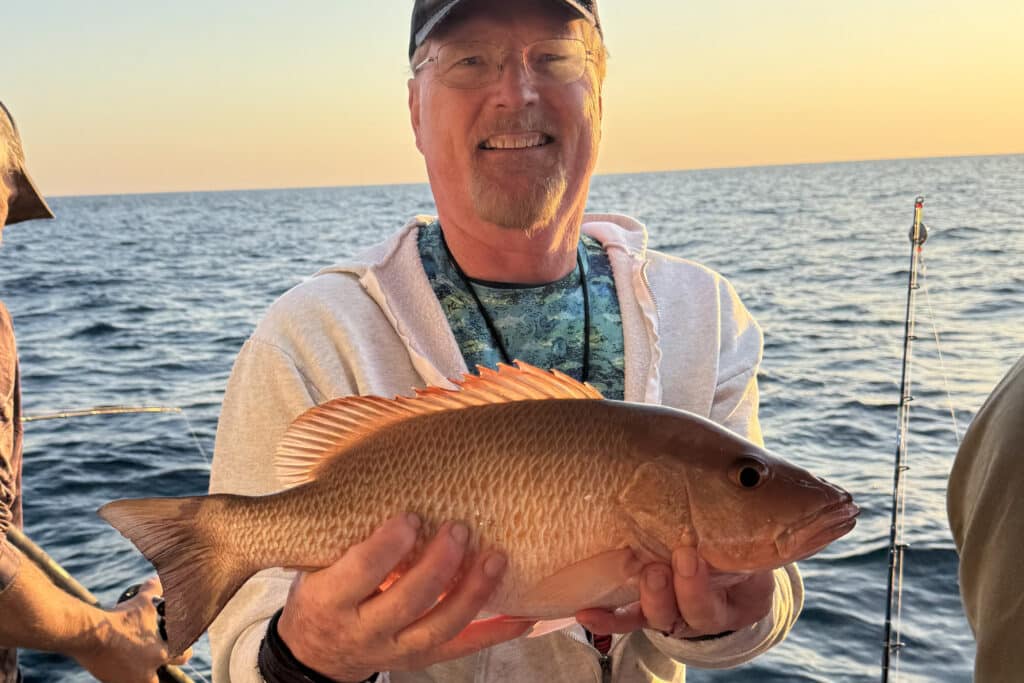
Mangrove snapper continue to be a key part of the offshore bite. Cut threadfin on a double-snell rig remains one of the best producers when you want steady action, while small live pinfish often help target the bigger fish. Yellowtail snapper and mutton snapper should also remain reliable on the deeper sets, especially when current and clarity line up. Lighter leader, smaller hooks, and more natural bait presentation will usually help on yellowtail, while muttons often reward patience and lively bait.
Triggerfish are back open and should add another excellent target to the lineup. Keep your hooks relatively small and your bait strips narrow and chewy, because triggerfish can be very size-specific. We are also seeing plenty of vermillion snapper, porgies, and almaco jacks to keep coolers filling and rods bending. Those heads-and-tails fish are a good sign that you are on productive bottom with active life.
Most importantly, the entire offshore picture feels like it is building toward a stronger spring pattern every day. Rising water temperatures, thicker bait, more pelagics, and improving mixed-bag action all suggest we are on the front edge of a really fun stretch.
Don’t forget, that we have some great videos on our fishing tips and tricks page here to show you how to target and rig for almost any species-> https://www.hubbardsmarina.com/fishing-tips/
Remember that when fishing in deeper nearshore and offshore federal waters, the Descend Act requires you to have a descending device or venting tool “rigged and ready.” If you know how to use a venting tool, keep it prepared. If not, here’s some helpful advice: https://bit.ly/3L5HTnv. Using a descending device is straightforward and doesn’t require as much precision or practice as venting. Return em’ Right has a training course only takes about 10-15 minutes, and you can learn valuable techniques to protect our offshore fishery. Spread the word by visiting: https://returnemright.org/.
TERMS OF REFERENCE-
Inshore: This covers the areas from the inner bays, through the bridges, and right up to the beaches.
Near Shore: This includes the coastal waters from the beaches up to twenty miles offshore, or up to a depth of 100 feet.
Offshore: This extends from twenty miles offshore or from a depth of 100 feet and beyond.
For more fishing reports, photos, videos, and other content, check out Hubbard’s Marina on Facebook, Instagram, YouTube, TikTok, Twitter, Pinterest, or Snapchat by searching for @HubbardsMarina. Remember our family motto: “If you’re too busy to go fishing, you’re just too busy!” Thank you for reading our report.
Capt. Dylan Hubbard, Hubbard’s Marina
Phone or text: (727) 393-1947
Website: Hubbard’s Marina
If you’re not seeing the latest article, try clearing your browser cache.
You can search “how to clear browser cache” on Google for quick steps.


