
Inshore Fishing Report
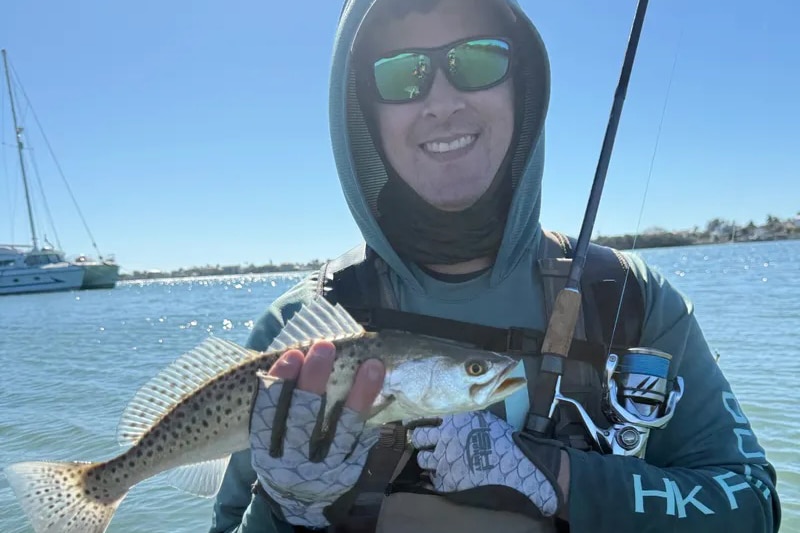
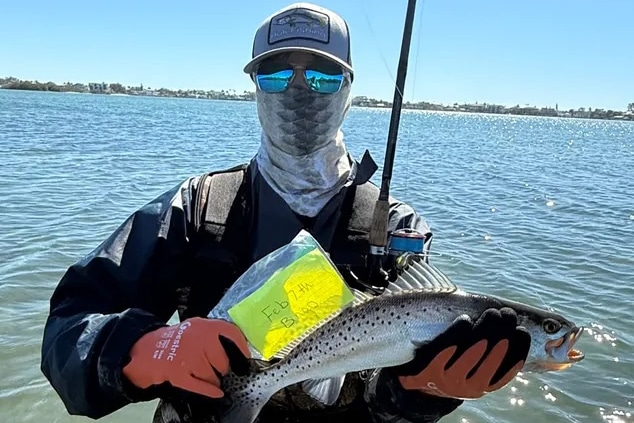
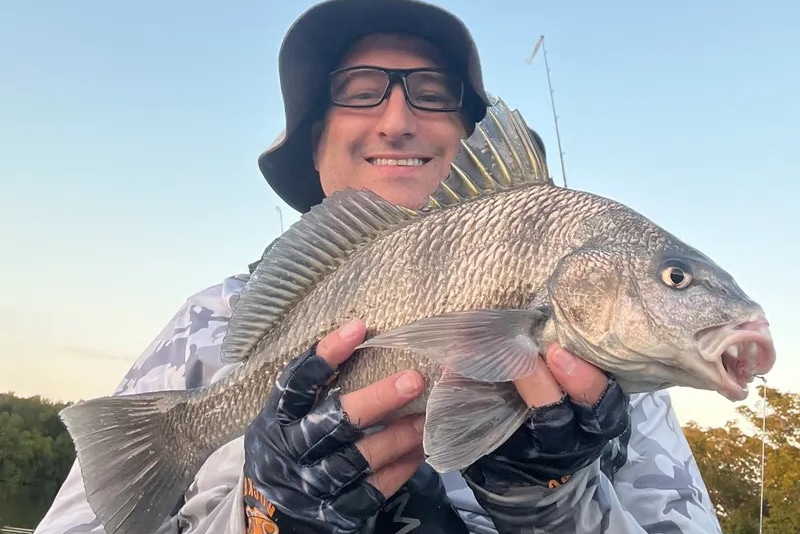
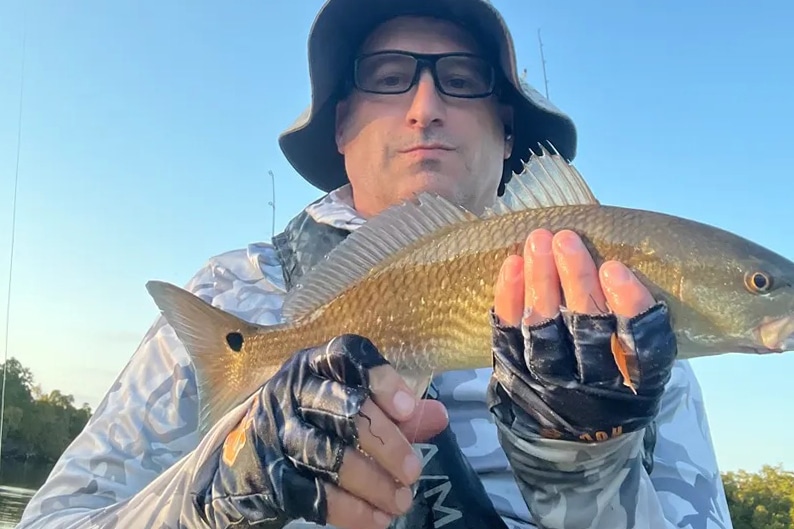
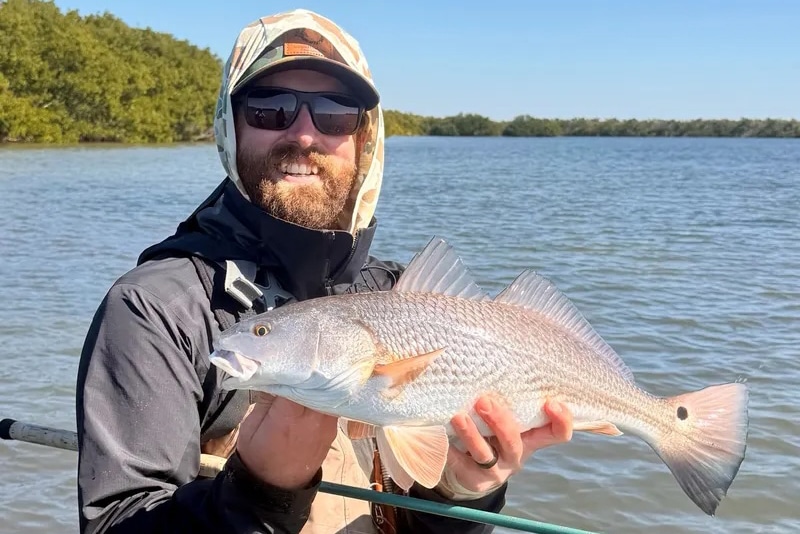
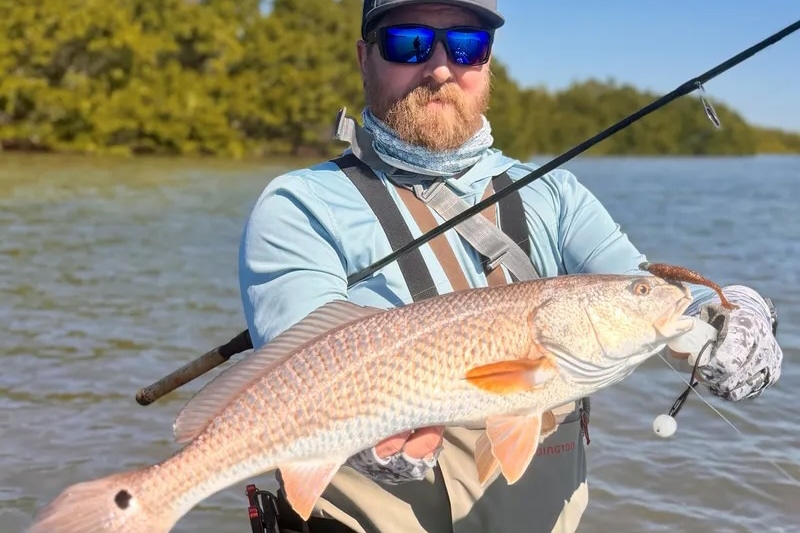
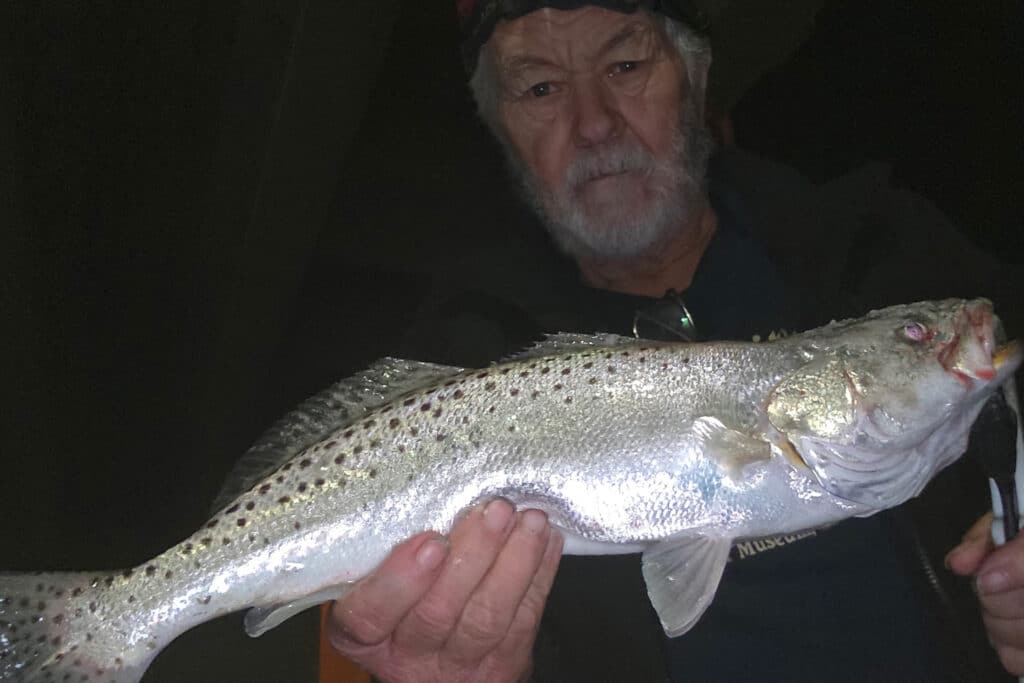
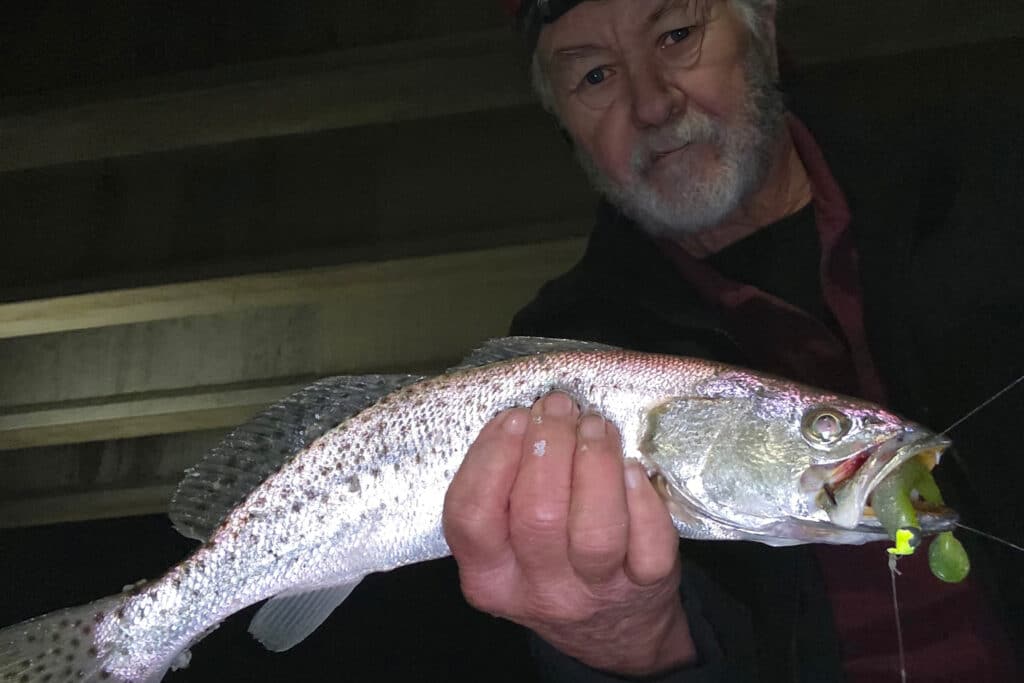
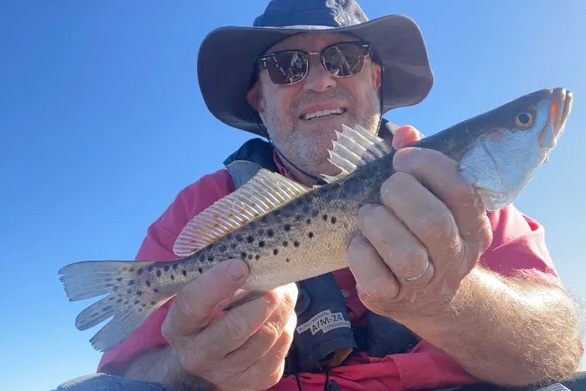
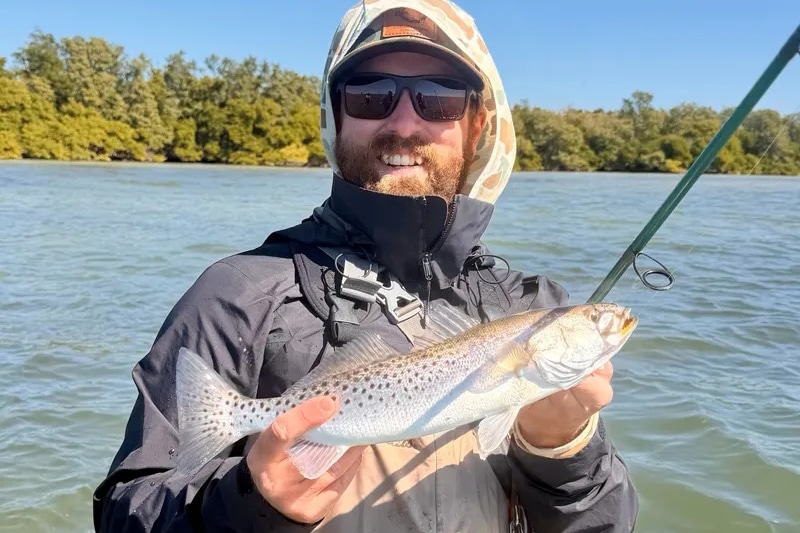
Trout: This new moon is setting the table for epic dock light and bridge light action. Trout love predictable current and an easy meal, and the incoming tide is your best friend when it’s pulling shrimp and small bait into the light line. If you can find a light with moving water and a little depth nearby, you can stack fish quickly. During the day, don’t ignore the shallow flats and edges—work points, potholes, and deeper troughs where trout can ambush passing prey. Live shrimp freelined or under the lightest weight possible is hard to beat, but soft plastics and imitation shrimp worked slow and steady will produce too.
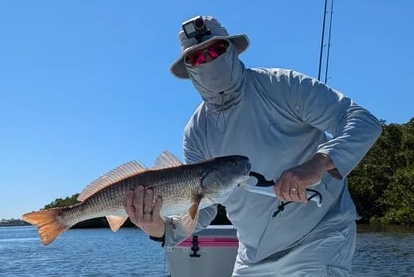
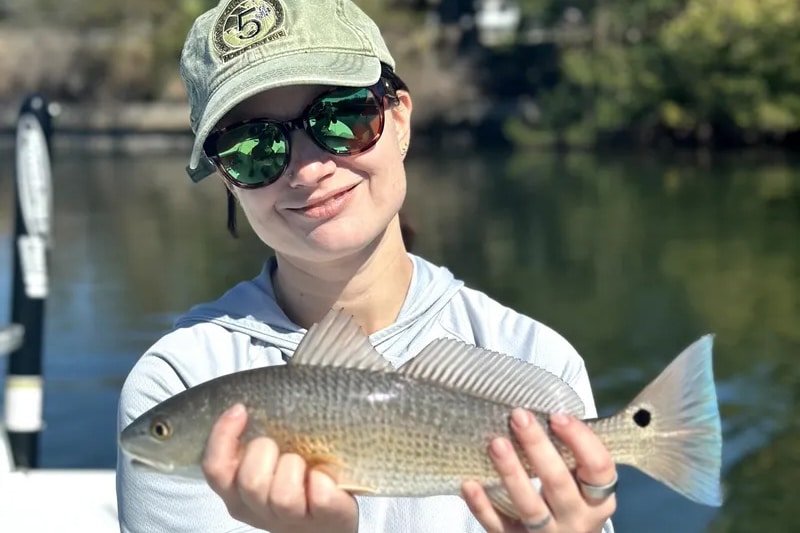
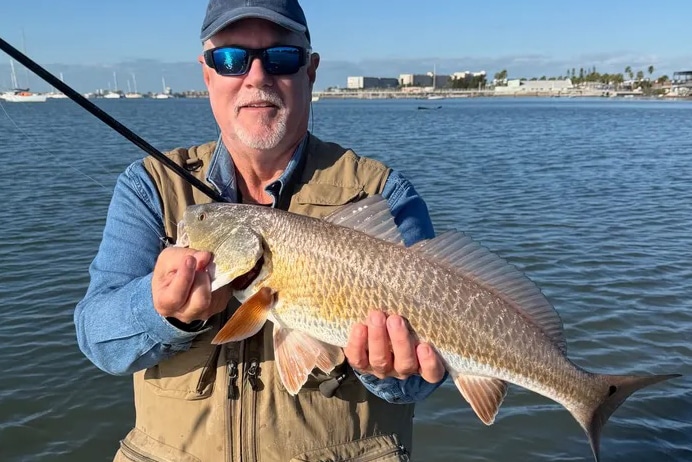
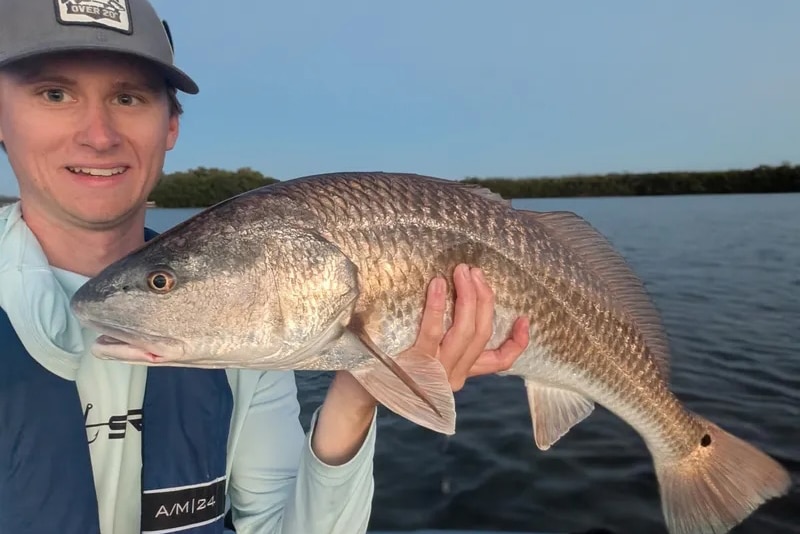
Redfish: The redfish bite remains strong, and the key is staying mobile until you locate active schools. Look for mullet, nervous bait, and birds working low over the water—those signs usually mean reds are close. Fish the oyster bars, mangrove shorelines, and grass flats on the higher parts of the tide, then slide to edges and drop-offs as the water falls. Cut bait is a great “find them fast” option, while soft plastics and live shrimp shine when you’re sighting fish or working a tight area.
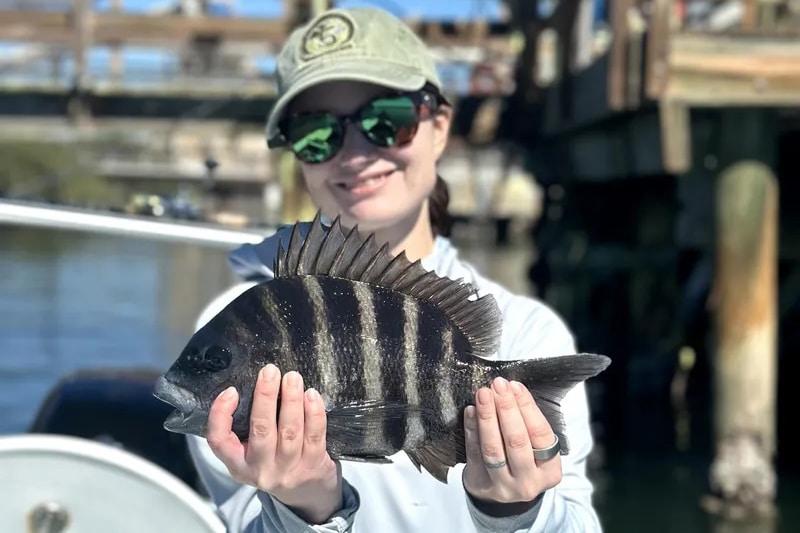
Sheepshead: As long as we’ve got structure, we’ve got sheepshead. Bridges, rock piles, dock pilings, and jetties are all holding fish. The trick is precision and patience—small pieces of shrimp, cut clam, or fiddler crabs on a short leader, minimal weight, and tight-to-structure presentation. If you’re missing bites, downsize the hook and slow your approach.
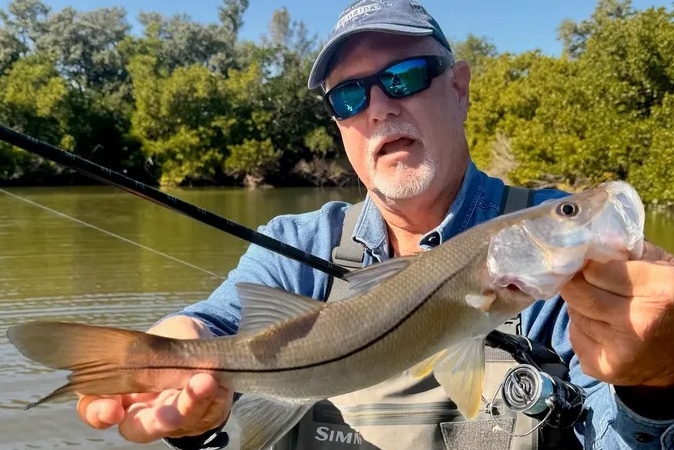
Snook: Snook are around, but the bite is very tide-and-temperature dependent. Fish the back-bay or upper bay areas, target wind-protected shorelines that warm up and areas with moving water (cuts, points, creek mouths). Fish the solunar majors/minors and be ready—when they decide to eat, it happens fast.
Flounder: Flounder continue to show up best along sandy edges, potholes, and the transitions near structure. Think of them as ambush predators—your lure or bait needs to crawl and pause along the bottom. Soft plastics hopped slowly, a live shrimp, or a small baitfish on a simple bottom rig will get it done.
Fishing Tips
- Snook: Use live baits like greenbacks, threadfins, and shrimp, or try flair hawks and soft plastics at night.
- Redfish: Look for them around mangroves, oyster bars, and flats, and use dead baits during higher tides.
- Trout: Target them with soft plastics, white bait, and shrimp around deeper flats and potholes.
- Tarpon: Target them during the full moon with crab flushes, making it an ideal time to target them.
- Flounder: Find them near sandy bottoms and structures, biting on bottom baits.
- Pompano: Be prepared to move frequently to stay on their bite.
- Sharks: Use big dead baits in areas with moving water.
Help spread the word about what to do if you hook or entangle a bird. Never cut the line; instead, reel in the bird carefully to dehook and release it. If you accidentally hook a dock, break the line at the hook to avoid leaving any line in the water. Seabirds with fishing lines hanging from them are becoming more common, and this could lead to the closure of fishing areas.
Rising concerns about bird entanglements might result in closing fishing spots, impacting the few available locations around Tampa Bay from shorelines, docks, bridges, or piers. Learn more in our podcast with Salt Strong: https://www.saltstrong.com/articles/shutting-down-fishing-at-busy-pier/.
NEarshore Fishing Report
Nearshore is primed for strong daytime action around this new moon, get out and fish ahead of Sunday’s incoming weather if you can or wait until around mid week when things calm down and also clear up too.
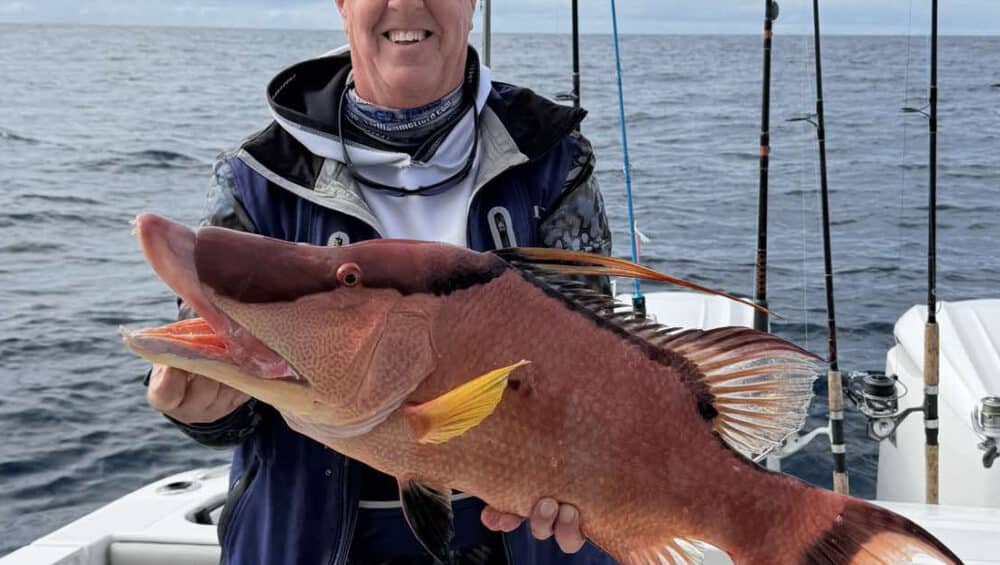
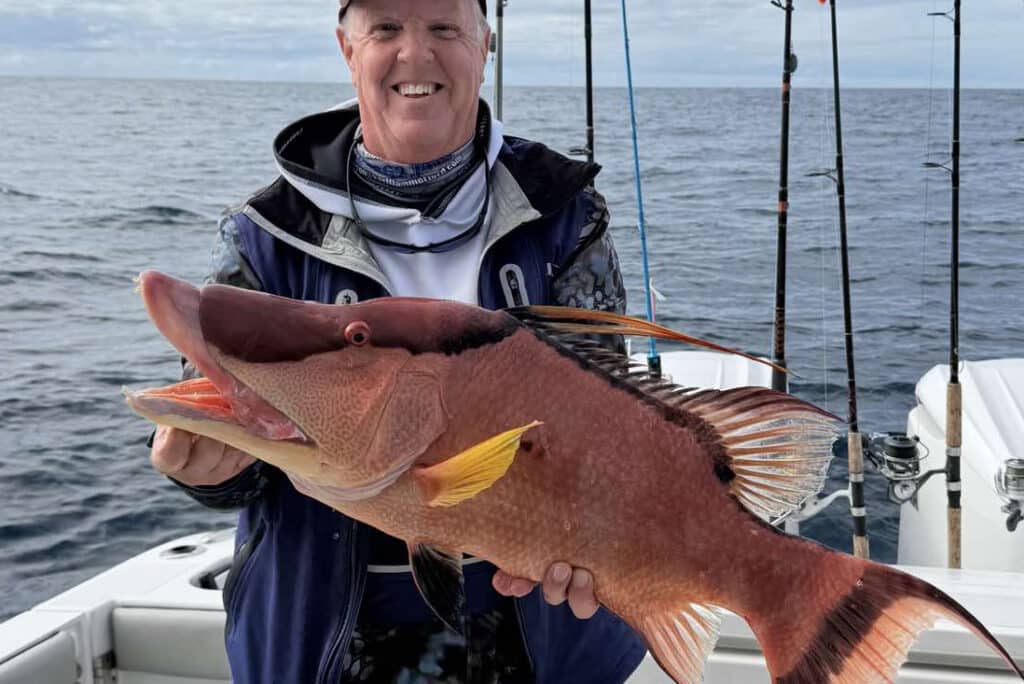
Hogfish: Hogfish are a nearshore favorite, and this is a great time to target them with live shrimp and lighter tackle. The biggest difference-maker is persistence till you find them, keep weight to the minimum needed to hold bottom, and fish areas of broken bottom and small structure rather than massive ledges. If you’re catching lots of fast-biting “pests,” don’t get discouraged—stick it out, and hogfish often show after the area settles.
Lane Snapper: Lane snapper are steady and aggressive, especially as you work deeper. Squid, shrimp, and cut threadfins all get bites, but bigger lanes tend to show for live shrimp or a fresh chunk of threadfin.
Mangrove Snapper: Mangroves are mixed in, and they can be picky. If the bite is slow, drop leader size, shorten the bait, and use small chunks of cut threadfin or shrimp. Keep your drifts controlled and avoid dragging baits unnaturally, or focus on anchor fishing for the mangroves.
Red Grouper: Red grouper are possible nearshore, but the best keepers usually come when you push deeper or find the right hard bottom. For your best shot, bring bigger baits—whole squid, larger cut baits, or live pinfish—and be ready to pull hard when you get the bite.
Fishing Tips
- Red Grouper: Target the deepest near shore waters with big dead baits or solid live baits. Use 60 lb test and 7/0 hooks for best results.
- Red Snapper: Use big dead baits like whole squid and bonita strips with heavy tackle to focus on larger fish. Prime trips include the 12-hour extreme, 39-hour, and 44-hour trips.
- Scamp Grouper: Use small to medium pinfish and cut threadfin, especially while targeting mangrove snapper.
- Mangrove Snapper: Near shore, use live shrimp and small chunks of threadfin on 30-40 lb test with 3-4/0 hooks. Offshore, use bigger chunks of cut threadfin or medium pinfish on 40-60 lb test with 5-7/0 hooks.
- Vermillion Snapper: Start around 100 feet of water using cut squid or threadfin. These fish are aggressive and not leader-shy.
- Yellowtail Snapper: Use shrimp, cut squid, and threadfin.
- Pelagic Species: Keep flat lines and pitch rods ready for sailfish, kingfish, wahoo, tuna, and mahi mahi.
Offshore Fishing Report
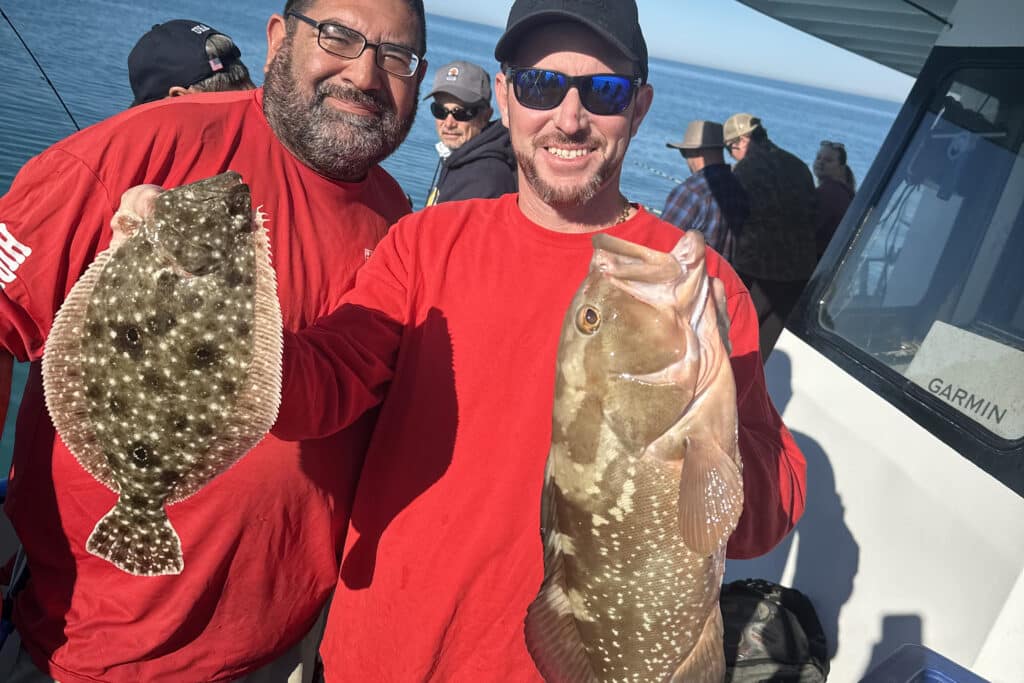
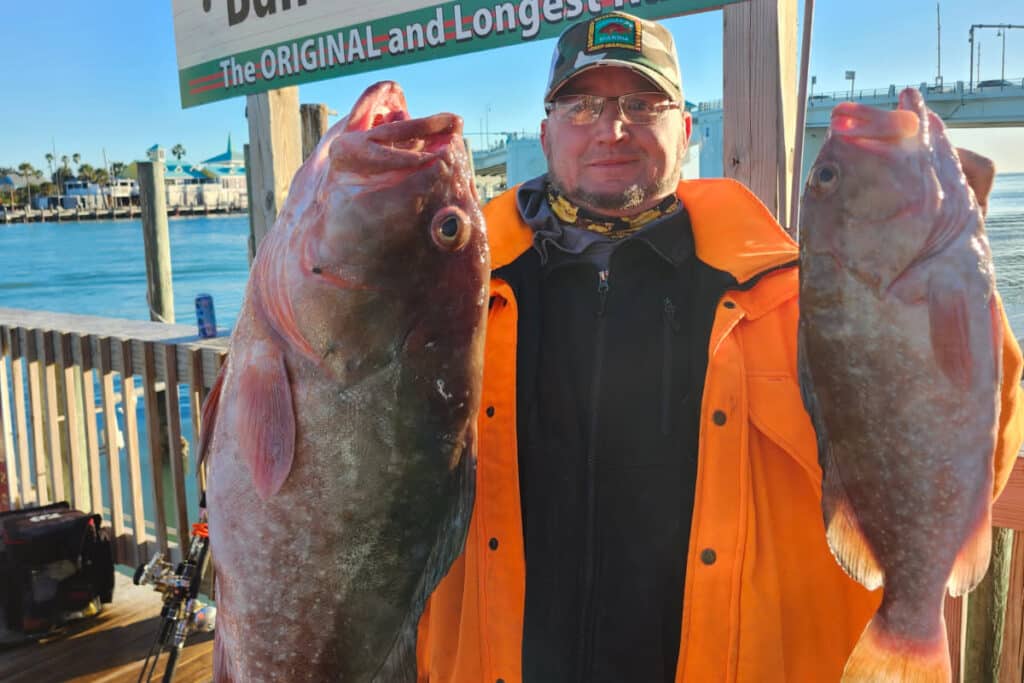
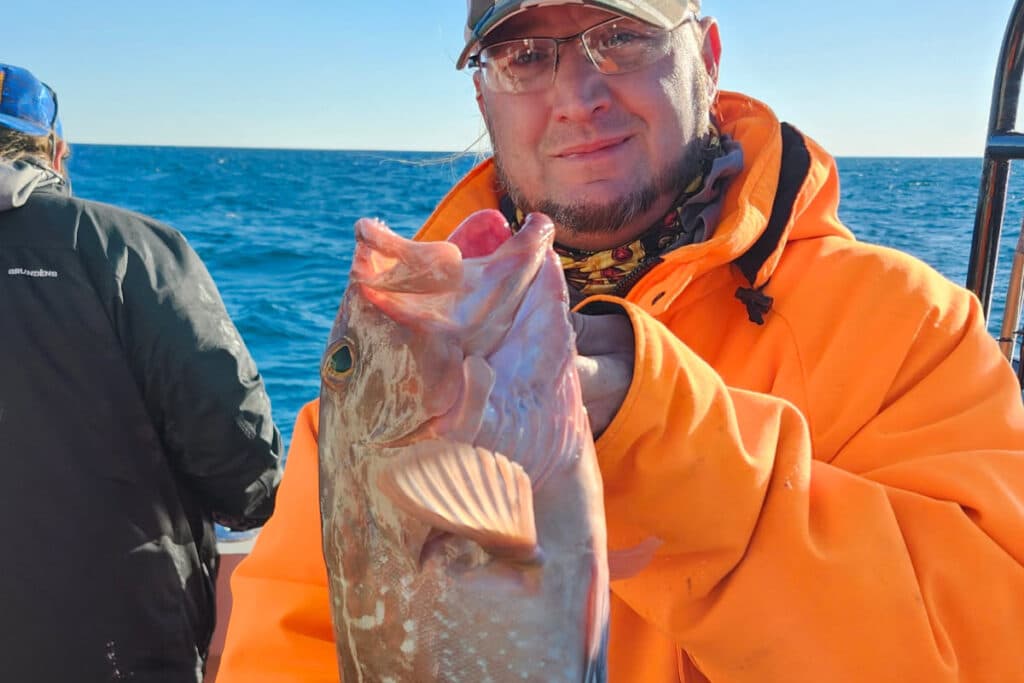
Red Grouper: Red grouper remain a top target offshore right now. Whole squid, octopus, bonita strips, and quality live baits all work. Don’t be afraid to upsize bait if you want quality fish—bigger baits help keep the shorts and small pickers off your hook and draw in the bigger grouper.
Mangrove Snapper: Mangroves are consistent offshore, and a double-snell rig with small-to-medium chunks of cut threadfin is one of the most productive setups we use. If you’re hunting true “stud” mangroves, mix in small live pinfish and be ready for those quick, sneaky bites.
Scamp Grouper: Scamp love structure and a well-presented live bait. Medium pinfish on a 6/0–7/0 hook with 50–60 lb leader is a proven recipe. They’ll also show up on cut threadfin when we’re working mangroves, especially around the right ledges.
Gag Grouper: Gags are closed right now, but we’re excited about what we’re seeing. When gags are around and fired up, that’s a great sign for the overall offshore ecosystem. Handle and release them carefully, and keep an eye on season updates.
Pelagic Action: The new moon can spark pelagic action, especially when bait is present and current edges form offshore. Keep a pitch rod ready. Blackfin tuna, wahoo, and kingfish are always a possibility when conditions line up. Watch for birds, floating debris, and color changes—those are classic indicators that something bigger may be lurking nearby.
Don’t forget, that we have some great videos on our fishing tips and tricks page here to show you how to target and rig for almost any species-> https://www.hubbardsmarina.com/fishing-tips/
Remember that when fishing in deeper nearshore and offshore federal waters, the Descend Act requires you to have a descending device or venting tool “rigged and ready.” If you know how to use a venting tool, keep it prepared. If not, here’s some helpful advice: https://bit.ly/3L5HTnv. Using a descending device is straightforward and doesn’t require as much precision or practice as venting. Return em’ Right has a training course only takes about 10-15 minutes, and you can learn valuable techniques to protect our offshore fishery. Spread the word by visiting: https://returnemright.org/.
TERMS OF REFERENCE-
Inshore: This covers the areas from the inner bays, through the bridges, and right up to the beaches.
Near Shore: This includes the coastal waters from the beaches up to twenty miles offshore, or up to a depth of 100 feet.
Offshore: This extends from twenty miles offshore or from a depth of 100 feet and beyond.
For more fishing reports, photos, videos, and other content, check out Hubbard’s Marina on Facebook, Instagram, YouTube, TikTok, Twitter, Pinterest, or Snapchat by searching for @HubbardsMarina. Remember our family motto: “If you’re too busy to go fishing, you’re just too busy!” Thank you for reading our report.
Capt. Dylan Hubbard, Hubbard’s Marina
Phone or text: (727) 393-1947
Website: Hubbard’s Marina
If you’re not seeing the latest article, try clearing your browser cache.
You can search “how to clear browser cache” on Google for quick steps.


